


A plasma cutter welder combo lets you slice sheet metal and join it back together from a single outlet, which is a real gift if your shop space is tight or your truck bed doubles as your workspace. The five units below span pure cutting machines and full multi-process stations, so you can match the rig to the jobs you actually do. Heavy fab work, hobby fabrication, farm repairs, and weekend automotive projects all show up in this roundup.
A Snapshot Of The Selections

YESWELDER CUT-50DS 50A Plasma Cutter, 110/220V
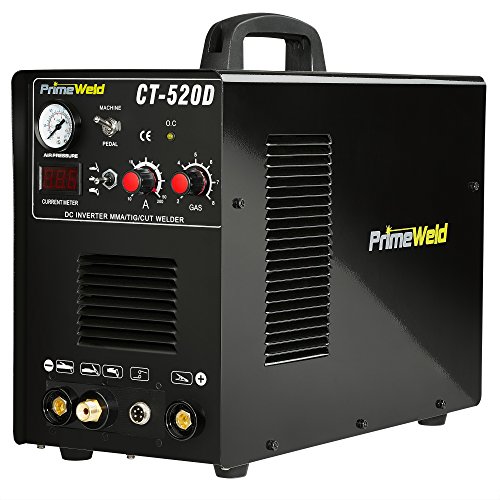
PrimeWeld CT-520D 3-in-1 Plasma Cutter, TIG & Stick Welder
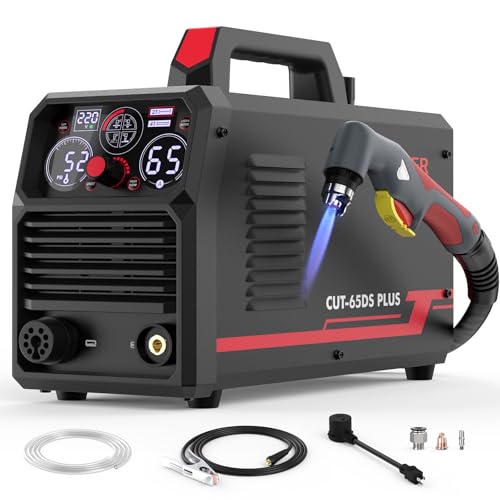
YESWELDER CUT-65DS PLUS 4-in-1 Plasma Cutter, Non-HF

SSIMDER 6-in-1 MIG Welder with Plasma Cutter & 71-Piece Consumable Kit

YESWELDER CUT-55DS PRO 55A Plasma Cutter with IPT40 Torch
More Details On Our Top Picks
The YESWELDER CUT-50DS is a focused plasma cutter built around IGBT inverter technology, which simply means it uses modern solid-state circuitry to deliver stable arc performance from a compact box. The 20 to 50A output range covers 1/4 inch clean cuts at 110V and a full 1/2 inch clean cut at 220V, making it a flexible pick when your outlet situation changes between jobs.
Compressed air is the consumable here, so you won’t haul gas cylinders around. The unit handles stainless steel, mild steel, alloy steel, copper, and aluminum, which covers most home and farm metalwork. The PT, 2T, and 4T trigger modes (different ways the torch behaves when you press and hold the switch) help on longer cuts where hand fatigue becomes a factor.
Real-World Strengths
- IGBT inverter keeps the arc stable across the full 20 to 50A range, which matters on the lower end where cheaper units tend to stutter.
- Dual voltage support means a 110V garage outlet or a 220V shop line both work without rewiring the machine.
- 1/2 inch clean cut on 220V handles the heavy stuff, like thicker trailer plates and equipment repairs, without bogging down.
- Compressed-air operation removes the cost and storage hassle of shielding gas cylinders.
- Trigger mode switching helps on long cuts and grid work where hand fatigue is a real issue.
Points To Note
- Cutting performance drops noticeably at 110V, so running heavy material on a household outlet means slower travel speeds.
- You will need a separate air compressor and regulator, which adds to the total cost of ownership.
- This unit cuts only, so welding projects require a second machine on the bench.
Who It Suits Best
DIY fabricators, farm and ranch owners, and anyone who needs a reliable dedicated cutter without paying for welding functions they will never use.
Look Elsewhere When
You want cutting and welding from one chassis, in which case the PrimeWeld CT-520D 3-in-1 Plasma Cutter covers both without adding a second station.
Where the YESWELDER CUT-50DS focuses on cutting alone, the PrimeWeld CT-520D trades some cutting depth for a full three-process workstation. You get a 50A plasma cutter, a 200A TIG welder, and a 200A stick welder in a single unit, which is a serious space and dollar saver in small shops.
Input power frequency is rated at 50 to 60Hz with 85% power efficiency, and the plasma side handles mild steel, cast iron, copper, and similar conductive metals. The 200A TIG torch covers magnesium and stainless, while the stick function cleans up dirty or rusty outdoor repair work where you don’t want to bother with shielding gas. The chassis is mobile-friendly, so you can roll it out to the truck or workbench as needed.
What It Does Well
- Three welding and cutting processes in one chassis replace what would otherwise be three separate machines.
- 200A TIG output handles stainless and magnesium work that most single-purpose plasma units cannot touch.
- 85% power efficiency keeps electricity draw reasonable for long repair sessions in a residential shop.
- Mobile design with reasonable footprint suits a truck bed, garage corner, or rolling cart setup.
Honest Caveats
- The 50A plasma side cuts to about 1/2 inch, which falls short of the YESWELDER CUT-65DS PLUS for heavy fabrication.
- Multi-function machines tend to be heavier and more complex to service, so the learning curve is steeper for first-timers.
- Owners commonly report the included torch consumables wear faster than aftermarket replacements, so budget for spares early.
Feature Snapshot
Made For
Small shop owners and serious hobbyists who want a single station to handle cutting, TIG, and stick without filling the garage with separate machines.
Swap It Out When
You need MIG welding in the same station, which is where the SSIMDER 160A 6-in-1 Combo adds flux core, MIG, and lift TIG to the plasma cutting mix.
The YESWELDER CUT-65DS PLUS steps up to a 4-in-1 cutting platform that goes well beyond slicing clean edges. The pilot arc starts without high-frequency interference, which protects nearby electronics like CNC controllers, computers, and sensitive shop equipment from electromagnetic noise.
Plate cutting, grid cutting, gouging, and marking are all built in. Plate cutting delivers clean edges on steel and stainless, grid cutting holds a stable arc across perforated metal and grating, gouging removes old welds and damaged material, and marking lays down clear guide lines for layout work. Dual 110/220V input and the non-HF design make this a friendlier fit for shops full of computers, plasma screens, and modern welding controls.
Benefits That Matter
- Non-HF pilot arc avoids electromagnetic interference with nearby electronics, which matters in CNC and computer-equipped shops.
- Grid cutting mode holds a stable arc across perforated metal, which is a notorious pain point on standard cutters.
- Built-in gouging saves you from buying a separate air carbon arc setup for weld removal.
- Marking function lets you scribe layout lines directly onto the workpiece.
Small Caveats
- Higher output means this unit typically needs a 220V circuit to deliver its full potential on heavy cuts.
- More cutting modes mean more settings to learn before you can use every function confidently.
- Compressed air must be clean and dry, so a quality regulator and water separator add to the total setup cost.
Quick Facts
Best Suited To
Fabrication shop owners and serious hobbyists who cut thick steel regularly and need gouging and marking functions in a single workstation.
A Better Fit Elsewhere
You primarily want a single-purpose cutter on a tighter budget, in which case the YESWELDER CUT-50DS covers the basics without the extra modes you may not use.
The SSIMDER 6-in-1 station aims to replace a row of separate welders with a single cart-friendly chassis. Six processes cover a wide range of metalwork, and the included 71-piece consumable kit means you can start working without a separate trip to the welding supply store.
Gas MIG, flux core, lift TIG, and stick welding cover the joinery side, while the integrated 35A plasma cutter handles metals up to about 10mm thick for slicing and trimming. The flux core option is a nice fit for outdoor fence and ranch work where hauling a shielding gas bottle is impractical. Compared to the PrimeWeld CT-520D, you trade some TIG output for the inclusion of MIG, which is the more common process for automotive and shop fabrication work.
Everyday Advantages
- Six processes in one chassis cover everything from automotive body work to outdoor fence repair.
- 71-piece consumable kit removes the immediate need to source consumables separately.
- Flux core capability means outdoor work without gas cylinders.
- 35A plasma side handles up to 10mm cuts with clean edges on most common metals.
Some Limits To Know
- The 35A plasma output is lighter than the YESWELDER CUT-65DS PLUS, so heavy plate cutting is not its strong suit.
- Multi-function stations with this many processes tend to be heavy, so plan for a fixed bench or heavy-duty cart.
- Lift TIG requires precise torch technique, so beginners may need practice before turning out clean stainless welds.
Feature Card
Whose Shelf It Belongs On
Home workshop owners who want a single station for automotive repairs, fence work, and hobby fabrication without sourcing multiple welders.
Another Choice May Suit
Your work leans toward heavy fabrication rather than variety, in which case the YESWELDER CUT-65DS PLUS delivers more cutting muscle with fewer process options.
The YESWELDER CUT-55DS PRO slots between the CUT-50DS and the CUT-65DS PLUS in the lineup. The headline feature is the non-high-frequency blow-back start, which uses a small mechanical piston inside the torch to ignite the arc instead of a high-voltage spark. This keeps electromagnetic interference out of nearby shop equipment.
The IPT40 torch is a common aftermarket standard, so consumables are easy to find at local welding supply stores and online. Dual 110/220V input matches the rest of the YESWELDER family, so users already invested in that ecosystem can swap parts and accessories between machines. Intricate metalwork, precision cutting, and shop environments with sensitive electronics are the natural fit.
Everyday Perks
- Blow-back start eliminates high-frequency interference, protecting nearby electronics and shop controls.
- IPT40 torch uses widely available consumables, so replacements are easy to source.
- Dual voltage input gives flexibility between home garage and professional shop outlets.
Worth Bearing In Mind
- The 55A output falls between the CUT-50DS and CUT-65DS PLUS, so you may find the cut capacity limiting on heavy plate.
- Blow-back torches require clean and dry air more strictly than some older torch designs, so a quality air filtration setup is wise.
The Right Fit
Shop operators and serious hobbyists who want a clean electrical environment for CNC equipment, computers, and other sensitive electronics.
Reach For A Different Pick When
You want the broadest set of cutting functions, where the YESWELDER CUT-65DS PLUS adds gouging, grid, and marking modes to the non-HF starting system.
What Matters Most When Picking A Plasma Cutter Welder Combo
Power And Cut Capacity
The plasma cutting side of these units is rated in amps, and that number drives how thick a metal plate you can slice cleanly. A 35A unit like the SSIMDER handles thinner plate and trim work, while 50A and 55A models stretch into structural steel territory. If most of your work is 1/4 inch or thinner, a 35A to 50A machine is plenty, but heavier trailer and equipment repairs push you toward 55A or more.
Voltage And Circuit Demands
Most modern units run on 110V or 220V, and the 220V setting usually unlocks the deeper cut ratings. Running a heavy-duty unit on 110V gives you reduced output and slower travel speeds, so plan your electrical circuit before you choose the machine. Outlets and breakers are cheaper to upgrade than returning a machine that does not fit your shop.
Welding Process Coverage
The cutting function is only half the story. Multi-process machines like the PrimeWeld CT-520D and SSIMDER 6-in-1 add TIG, stick, and MIG, which means you can cut a piece, then weld it into place, all from the same unit. Match the welding processes to the work you already do, because processes you will never use add weight and complexity without real value.
Start Method And Shop Environment
High-frequency start systems create electromagnetic noise that can disrupt nearby electronics, while non-HF blow-back and pilot arc starts stay quiet. Shops with CNC tables, computers, and modern welding equipment benefit from non-HF designs like the YESWELDER CUT-55DS PRO and CUT-65DS PLUS. A basic garage with hand tools does not need to prioritize this.
Key Considerations Across These Picks
Pitfalls Shoppers Hit
The most common mistake is buying on amperage alone without considering duty cycle, which is how long a machine can run at its rated output before it needs to cool down. A higher amp rating with a low duty cycle cuts more time than it saves on long jobs. Another trap is forgetting the compressed air setup, since plasma cutters need a regulated air supply, and skipping the regulator or water separator leads to premature consumable wear.
What The Higher Tier Buys
Stepping up to a 4-in-1 or 6-in-1 machine brings gouging, grid cutting, marking, or full MIG capability alongside the plasma cutter. The higher price reflects more inverter circuitry, more control boards, and a more robust internal cooling system. For shops that only need to slice plate, the extra processes are dead weight, but for shops handling varied fabrication and repair work, the extra cost usually pays for itself within the first year of avoided machine purchases.
Frequently Asked Questions
What Is The Difference Between A Plasma Cutter And A Welder?
A plasma cutter uses a high-velocity jet of ionized gas to melt and blow through metal, separating it into pieces. A welder uses heat to fuse two pieces of metal together, joining them into a single assembly. A combo machine lets you cut and join from one unit, which is handy for fabrication projects that start with raw plate.
Can A Plasma Cutter Welder Combo Run On A Standard Household Outlet?
Most dual-voltage plasma cutter welder combos accept 110V input, though the cutting performance is reduced at that voltage. For the full cut capacity on thick steel, a 220V circuit is typically required, and that often means a dedicated outlet installed in the shop or garage.
Do These Units Need A Separate Air Compressor?
Yes, plasma cutting requires a source of clean, dry, compressed air to function. Most home and farm setups pair the plasma cutter with a small piston compressor, a regulator, and a water separator to keep consumables lasting longer.
Is TIG Or MIG More Useful In A Combo Machine?
MIG suits thicker steel and faster weld deposition for fabrication and automotive work. TIG delivers cleaner, more precise welds on stainless, aluminum, and thinner materials. The right choice depends on the type of metalwork you do most often.
How Thick Can A 50A Plasma Cutter Cut?
A 50A plasma cutter typically handles a 1/2 inch clean cut on mild steel when running on 220V, with a 1/4 inch clean cut at 110V. Maximum severance cuts go thicker, but the edge quality drops, so slowing travel speed and accepting some dross becomes necessary.
The Takeaway
The right plasma cutter welder combo comes down to your work mix. Dedicated cutting machines like the YESWELDER CUT-50DS or CUT-55DS PRO keep things simple and light on the bench, while the PrimeWeld CT-520D, SSIMDER 6-in-1, and YESWELDER CUT-65DS PLUS expand your process options at the cost of more size and complexity. Match the unit to your power supply, your most common materials, and the kind of jobs you actually book, and the machine will pay you back in saved time and avoided headaches.




