Plasma cutters turn a stubborn sheet of steel into a clean, controllable cut, and they keep doing it across automotive repair, fabrication shops, and weekend garage builds. The five ARCCAPTAIN units below cover a wide spread of amperage, voltage flexibility, and arc-starting methods, so the right pick depends on how often you cut, how thick your stock runs, and how much your shop circuit can handle. Each model here was chosen because it does something specific well, whether that means switching between 110V and 220V on the fly or starting a clean arc on rusty, painted, or mesh metal.
How The Shortlist Stacks Up
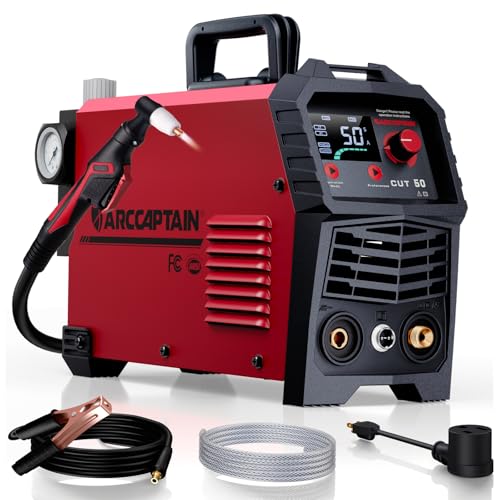
ARCCAPTAIN 50A Plasma Cutter 110V/220V Dual Voltage

ARCCAPTAIN 55A Plasma Cutter Non-Touch Pilot Arc 120V/240V

ARCCAPTAIN 55A Non-HF Plasma Cutter Blowback Pilot Arc 110V/220V

ARCCAPTAIN 55A Plasma Cutter Non-Touch Pilot Arc 120V/240V

ARCCAPTAIN 60A Plasma Cutter Non-Touch Pilot Arc 110V/220V
More Details On Our Top Picks
The ARCCAPTAIN 50A earns its place as the entry-level pick for one practical reason: it runs on either household 110V power or a heavier 220V circuit, so you can start cutting in a garage outlet and step up later without replacing the machine. For most weekend builders, that flexibility removes the single biggest barrier to buying a plasma cutter in the first place. The unit is rated for clean cuts on steel, aluminum, and copper, which covers the metals most home and auto projects actually demand.
Compressed air is required for operation, and a compressor is sold separately, so plan for that extra line item before you check out. In a typical home shop with a small portable compressor, the cutter should handle thin sheet metal and occasional plate work without complaint. Anyone stepping into plasma cutting for the first time and running mostly lighter gauge steel will find this the gentlest learning curve of the bunch.
Key Advantages
- 110V/220V dual voltage lets you start on a standard household outlet
- Cuts steel, aluminum, and copper, covering the metals most home projects use
- Lower amperage keeps the learning curve manageable for first-time operators
- Compact enough to store on a shelf when the project wraps up
Worth Noting
- Requires a separate air compressor, which adds to the total setup cost
- Lower amperage than the other picks, so thicker plate work will be slower
- Reaching the maximum rated cut depends on adequate air pressure and a quality compressor
Who It Suits Best
First-time plasma cutter owners and DIYers working in a standard residential garage with 110V power.
Swap It Out When
Step up to the ARCCAPTAIN 55A Non-Touch Pilot Arc 120V/240V if you regularly cut painted or rusty metal and want a cleaner arc start without scraping the surface.
The 55A Non-Touch Pilot Arc model brings a meaningful upgrade for anyone tired of scratching the torch tip across dirty metal. Its high-frequency non-touch arc start fires the plasma arc without physical contact, which keeps the consumables cooler during setup and shortens prep time on rusty, painted, or coated stock. That single feature alone explains why a lot of garage fabricators move up to pilot-arc machines.
Running on 120V or 240V, the unit fits a typical residential circuit for lighter work and a dedicated shop circuit when you push into heavier plate. For hobby welders and small-shop fabricators who cut varied material, the 55A output strikes a sensible middle ground between power and portability. One practical habit to build in: wait for the screen to fully power down and the cooling fan to stop before switching voltages, a small step that protects the internal components.
Practical Advantages
- Non-touch pilot arc reduces electrode wear during setup and shortens prep on coated metal
- 55A output handles thicker steel than the 50A starter unit, useful for automotive frame work
- Dual voltage supports both home outlet and dedicated shop circuit operation
- Cleaner consumable life means fewer tip and electrode replacements over time
Trade Offs
- High-frequency starting can interfere with nearby sensitive electronics
- Voltage switching requires a full power-down and fan-stop cycle, so plan for short pauses
- An air compressor is still required and not included with the unit
Key Specs
Made For
Garage fabricators and hobby welders who regularly cut through painted, rusted, or coated steel and want cleaner consumable life.
Look Elsewhere When
Choose the ARCCAPTAIN 55A Non-HF Plasma Cutter Blowback Pilot Arc 110V/220V instead if you share shop space with computers, CNC controllers, or other electronics that high-frequency starting can disrupt.
The 55A Non-HF model solves a problem that high-frequency pilot arc machines quietly create: electromagnetic interference. Its blowback pilot arc start uses a mechanical, non-high-frequency ignition, so nearby laptops, CNC controllers, and shop radios are far less likely to glitch mid-cut. For a home garage that doubles as a workspace or a shared shop full of sensitive electronics, that peace of mind is worth a closer look.
A low-frequency arc maintenance system keeps the plasma stable during the cut while reducing idle-time electrode burn, which tends to extend the working life of consumables. Dual 110V/220V support keeps the unit flexible across home and shop circuits, and the 55A output matches the more common pilot-arc units in the lineup. You may find the arc start a touch less aggressive on heavily painted surfaces, but for typical steel plate work the trade-off feels fair.
Positive Takeaways
- Non-high-frequency starting protects nearby electronics from interference
- Low-frequency arc maintenance reduces electrode wear during long idle stretches
- 110V/220V dual voltage covers home outlets and shop wiring alike
- Safer operating profile for enclosed or shared workspaces
Points To Keep In Mind
- May need slightly more surface prep on thick paint or heavy rust compared to HF pilot-arc units
- Still requires a compressed air supply, sold separately
Best Suited To
Home garage users and small shops running sensitive electronics within a few feet of the cutting area.
A Better Fit Elsewhere
Pick the ARCCAPTAIN 60A Plasma Cutter Non-Touch Pilot Arc 110V/220V if you want expanded-metal cutting and rust removal in the same machine.
The 55A Non-Touch Pilot Arc at 120V/240V leans into the everyday shop routine: a reliable 55-amp output, a non-contact arc start that handles dirty steel, and dual-voltage support that fits most North American shop circuits. It is the kind of cutter that quietly handles a long workweek of mid-gauge plate cutting without becoming the story of the day.
The non-touch arc start fires through rust, paint, and coatings, which cuts down on the surface grinding that usually eats into your afternoon. Operators commonly find that the non-contact ignition helps consumables last longer because the electrode isn’t dragging across the workpiece before the cut begins. Like the other ARCCAPTAIN units here, it needs a separate air compressor, so build that into the budget.
The Helpful Details
- Non-touch arc start cuts through rust, dirt, and coatings with minimal prep
- 120V/240V dual voltage suits a range of shop and home wiring
- 55A output covers most fabrication, automotive, and repair jobs
- Reduced electrode burn extends consumable life across long cutting sessions
Some Limits To Know
- High-frequency start can affect nearby electronics, so plan workspace placement carefully
- Air compressor and hoses are not included and must be sourced separately
Who Will Love This
Small fabrication businesses and serious DIYers who run consistent plate cutting work and want a dependable daily driver.
Reach For A Different Pick When
Choose the ARCCAPTAIN 50A Plasma Cutter 110V/220V Dual Voltage if you only need occasional light cutting and want the gentlest learning curve.
The 60A unit stands out because it does three jobs in one chassis: standard plate cutting, expanded-metal cutting, and rust removal. That third mode is a quiet time-saver: instead of reaching for a grinder to knock corrosion off a workpiece, you can switch modes and strip the rust with the same torch. For restoration work, farm repairs, or any project where the metal arrives oxidized, that flexibility pays for itself quickly.
The expanded-metal mode holds a steady arc on mesh surfaces so the cut stays clean instead of stuttering through the gaps. A non-touch pilot arc keeps the consumables cool during setup, and dual 110V/220V support means the same machine follows you from a 110V garage outlet to a 220V shop circuit. Operators commonly report that having all three modes in one unit replaces a separate angle grinder for most prep work.
Positive Points
- Three cutting modes cover plate, expanded metal, and rust removal in a single unit
- Non-touch pilot arc handles coated and corroded surfaces with minimal grinding
- 110V/220V dual voltage supports both home and shop wiring
- 60A output handles thicker plate and longer cuts without bogging down
Potential Drawbacks
- More modes mean a slightly steeper learning curve than single-mode cutters
- Requires a dedicated air compressor at the correct pressure for all three modes
- Higher amperage may push a standard 110V circuit during long cuts
Feature Snapshot
The Right Fit
Project builders and restoration-focused welders who want plate cutting, mesh cutting, and rust prep handled by one machine.
Not Your Match When
Pick the ARCCAPTAIN 55A Non-HF Plasma Cutter Blowback Pilot Arc 110V/220V instead if your shop has sensitive electronics and you need to avoid high-frequency interference.
Picking The Right Plasma Cutter For Your Shop
Match The Cutter To Your Circuit And Metal
The first real decision is voltage. Household circuits in North America deliver 110V to 120V, and most garages can supply that without rewiring. A 110V/120V machine is the easiest path to a first cut. A dedicated 220V/240V circuit pulls more current at lower amperage, which means steadier arcs and thicker cuts on plate steel, but requires a heavier outlet.
Amperage, the measure of how much current the cutter can deliver, controls how thick a metal you can sever cleanly. A 50A unit handles sheet metal and occasional plate work, while a 55A to 60A unit pushes into thicker steel for fabrication and auto repair.
Understand Arc Start Methods
Plasma cutters ignite the arc in different ways, and the method changes how the machine feels. A non-touch pilot arc uses a high-frequency spark to jump from the torch tip to the workpiece without contact, which preserves consumables and handles dirty metal. A blowback pilot arc uses a mechanical start with no high-frequency signal, which is friendlier to nearby electronics but may need slightly cleaner metal. A non-high-frequency design trades a little arc-start aggression for a quieter electrical footprint in your shop.
Plan For Compressed Air
Every plasma cutter in this lineup requires a clean, dry compressed air supply at a specific pressure and flow rate. The compressor is sold separately, and the wrong setup, especially low CFM (cubic feet per minute) output or unfiltered moisture, will shorten consumable life and produce poor cuts. A moisture filter in the air line is a small add-on that prevents a long string of shop headaches.
Consider Duty Cycle And Consumables
Duty cycle, the percentage of a ten-minute window the cutter can run before needing to cool, matters most for production shops. Home users usually cut for short stretches, so duty cycle rarely limits a project. Consumables, including the electrode and tip, are the real long-term cost, and non-touch pilot arc designs tend to extend their life by reducing wear during ignition.
Key Considerations Across These Picks
Pitfalls Shoppers Hit
A common slip is buying on amperage alone and forgetting the air supply. A 60A cutter on a small 110V circuit with a 4 CFM compressor will underperform a 50A unit with proper airflow. Another trap is ignoring high-frequency interference. In a home garage that doubles as an office, an HF pilot-arc machine can knock out Wi-Fi or glitch a nearby CNC controller, so the non-HF blowback design is often the smarter pick in shared spaces.
The Case For Spending Up
The jump from a 50A dual-voltage starter to a 55A or 60A pilot-arc machine brings real-world gains beyond raw power. Non-touch arc starts extend consumable life, dual-voltage support lets the same unit follow you from a 110V outlet to a 220V shop, and multi-mode cutters like the 60A replace a separate grinder for rust prep. For a shop that runs the cutter weekly rather than monthly, those upgrades pay back in saved time and fewer replacement parts.
Frequently Asked Questions
What Is A Plasma Cutting Machine?
A plasma cutting machine uses a high-velocity jet of ionized gas, called plasma, to melt and blow through electrically conductive metal. The arc reaches temperatures hot enough to cut steel, stainless steel, aluminum, copper, and other metals cleanly.
Do All Plasma Cutters Need A Compressor?
Every plasma cutter in this lineup needs a source of clean, dry compressed air, and a suitable compressor is not included. The right CFM and pressure rating depend on the model and the thickness of metal being cut, so check the machine’s specs before pairing it with your shop’s compressor.
What Is The Difference Between Pilot Arc And Non-HF Start?
A pilot arc machine uses a high-frequency spark or a blowback mechanism to ignite the arc without touching the workpiece, which preserves consumables and handles dirty metal. A non-HF start specifically uses a blowback design with no high-frequency signal, which reduces the risk of interfering with nearby electronics.
Can A 110V Plasma Cutter Cut Thick Steel?
A 110V plasma cutter handles thin steel and light plate work comfortably, and some models sever thicker material on the upper end of their rating. Thicker plate cuts run cleaner and faster on a dedicated 220V or 240V circuit, which is why dual-voltage machines are common in this category.
How Often Do Consumables Need Replacing?
Consumable life depends on cut time, material thickness, surface condition, and arc start method. Non-touch pilot arc designs tend to extend electrode and tip life by reducing wear during ignition, and keeping the air supply clean and dry further protects the consumables.
Wrap Up
Five machines, five slightly different approaches to the same core job. The 50A dual-voltage unit is the gentlest path for a first-time owner, the 55A pilot-arc models handle dirty metal with less hassle, and the 60A multi-mode unit replaces a grinder for most prep work. Match the cutter to your circuit, your compressor, and the kind of metal you actually cut, and the rest of the decision tends to fall into place.