


Cutting plastic pipe by hand with a hacksaw is one of those jobs nobody enjoys. The burrs, the crooked edges, the plastic dust, the time wasted clamping and unclamping. A proper plastic pipe cutter changes all of that, giving you a square, clean cut in seconds. This lineup covers five solid options across PEX, PVC, and internal cutting needs, whether you tackle small DIY repairs or run full plumbing jobs.
A Closer Look At The Lineup

IWISS iCrimp PEX Pipe Cutters 1/8″–1″
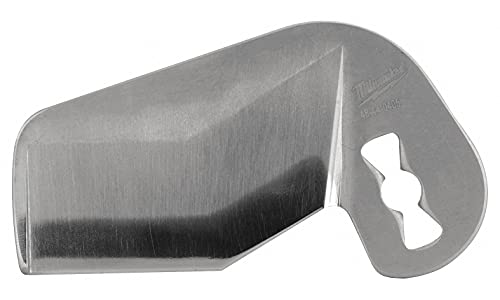
Milwaukee 48-44-0405 M12 Plastic Pipe Shear Blade

shengbenhao Inside Pipe Cutter for PVC

shengbenhao Internal Plastic Pipe Cutter 7″

LIBRATON PVC Pipe Cutter Up To 2-1/2″
A Breakdown Of The Leading Choices
The IWISS iCrimp handles PEX-A, PEX-B, and PEX-C tubing from 1/8″ all the way up to 1″, which covers the vast majority of residential water line work. A spring-loaded handle pops the jaws open after each squeeze, so you stop fighting the tool and start making one clean cut after another. It’s sold in a two-pack, which is handy if you tend to misplace tools or want a backup in the truck.
Where this cutter really shines is in tight crawl spaces and under-sink repairs where a powered tool would be overkill. You won’t be slicing through anything close to 2″ with this, but that’s not the point. For DIY repipes and fixture swaps, it gets the job done without the learning curve.
What Pays Off
- Cuts the most common PEX sizes in residential plumbing, from 1/8″ up through 1″
- Spring-loaded handle reduces hand fatigue during batch cutting
- Two-pack value means you always have a spare within reach
- Compact body fits where larger cutters simply won’t go
Honest Caveats
- Not designed for PVC or CPVC pipe, despite the name suggesting broader cutting use
- Blade sharpness may fade with heavy daily use on harder PEX grades
Who Will Love This
First-time PEX installers and homeowners handling a bathroom or kitchen repipe will find this set intuitive and quick to learn.
Consider Something Else When
Reach for the LIBRATON PVC Pipe Cutter if your project involves 2″ or larger pipe, since the IWISS simply won’t open that wide.
This is a replacement blade for the Milwaukee 2470-21 M12 plastic pipe shear, not a standalone tool. The blade measures roughly 4″ by 2.5″, and it’s the wear part that actually does the work, so owning a fresh one on the shelf saves a job site trip. Milwaukee builds these blades to drop back into the M12 shear housing with no fuss.
Contractors running multiple PVC and PEX cuts a day already know the value here. If your old blade is rounding over instead of slicing, this swap gets you back to factory-fresh cutting in seconds.
Well-Handled Touches
- Genuine Milwaukee replacement part designed specifically for the M12 shear platform
- Compact 4″ x 2.5″ footprint keeps the shear balanced after installation
- Swapping in a new blade restores near-original cutting speed and finish
Points To Note
- Only useful if you already own the Milwaukee M12 plastic pipe shear tool body
- Cutting life depends on pipe material and frequency, so a spare blade on hand is wise for daily users
Made For
Tradespeople who already rely on the Milwaukee M12 cordless platform and need to refresh a worn shear blade without buying a whole new tool.
Look Elsewhere When
The IWISS iCrimp set is a better starting point for anyone who doesn’t already own the M12 shear and just needs a manual cutter for occasional PEX work.
An inside pipe cutter is one of those tools you don’t need until you really, really need it. The shengbenhao version features a 7″ hex shank and pairs that with a long shank plus a screwdriver end, so it works with common drill setups and gives you reach behind walls. It cuts PVC, PP-R, PE, PEX, and CPVC pipe from the inside, which is the trick for any pipe that sits flush with a floor or wall.
You won’t grab this for a standard open-air cut. You grab it when someone installed a pipe too close to a stud, or when a renovation requires cutting a stub back without opening the wall further. It saves a lot of drywall surgery in the right hands.
What It Does Well
- Designed specifically for cutting pipe flush against a flat surface from the inside out
- Works across PVC, CPVC, PEX, PE, and PP-R pipe materials
- 7″ hex shank fits standard drill chucks for fast setup
- Saves time and drywall when pipes sit too close to finished surfaces
Trade Offs
- Not a general-purpose cutter, so most DIY toolkits will rarely touch it
- Requires a steady hand and correct drill speed to avoid grabbing or melting plastic
Best Suited To
Plumbers, electricians, and remodelers who regularly face pipes buried tight against framing or flooring and need to trim them back cleanly.
Skip It When
The LIBRATON PVC Pipe Cutter is the better match for open-shop work where you simply slice through exposed pipe, since it doesn’t need a drill.
This second shengbenhao option keeps the 7″ hex shank but ships with different head combinations: a short shank, a long shank, and a screwdriver-style attachment, depending on the exact cutting geometry you face. It tackles the same family of plastics as the prior model, from PVC through CPVC and PEX, so versatility is the whole pitch here.
For someone stocking a single drawer for a wide range of repair scenarios, having the head options matters more than picking one ideal length. You may find the screwdriver variant handy for awkward angles, while the long shank reaches deep into cavities.
A Few Highlights
- Multiple shank options cover shallow cuts, deep reach, and screwdriver-style access
- Compatible with PVC, PP-R, PE, PEX, and CPVC pipe
- 7″ hex shank slots into standard drill chucks without adapters
- One purchase replaces several single-purpose internal cutting tools
Worth Noting
- Switching heads mid-job adds a small step compared to a fixed-shank tool
- Best results depend on a steady hand, especially with the longer shanks in dense materials
Feature Snapshot
Perfect Match For
Handymen and remodelers who want one internal cutting tool that adapts to different pipe depths rather than buying several dedicated shanks.
Reach For A Different Pick When
Grab the IWISS iCrimp if your cutting happens above the floor and you don’t need to remove pipe from inside a wall cavity.
The LIBRATON brings genuine ratcheting power to the table, with a 3mm-thick SK5 blade, a Teflon coating to reduce friction, and an aluminum alloy body that feels substantial in the hand. It cuts up to 2-1/2″ outer diameter, which means it tackles Schedule 40 PVC drain lines and large PEX runs that smaller cutters cannot reach.
For irrigation work, pool plumbing, and any project where you face thick-walled pipe, the ratchet action multiplies your hand force, so you make progress without white-knuckling the handles. It’s a chunkier tool than the IWISS, so it lives in a larger tool bag, not a kitchen drawer.
Points In Its Favor
- Ratcheting mechanism makes short work of thick-walled PVC up to 2-1/2″ OD
- 3mm SK5 blade with Teflon coating holds an edge and resists buildup
- Aluminum alloy body adds rigidity for cleaner cuts on harder plastics
- Handles both large PVC and PEX tubing without swapping tools
Factors To Consider
- Larger and heavier than dedicated PEX cutters, so less ideal for overhead work
- Blade durability depends on what you cut, so avoid chewing through nails or wire
Whose Shelf It Belongs On
Anyone doing irrigation, pool plumbing, or whole-house PVC drain work will appreciate the capacity and the ratcheting leverage on thick pipe.
A Better Fit Elsewhere
The IWISS iCrimp remains the lighter, more nimble option for under-sink PEX repairs where 2-1/2″ capacity is overkill.
What Matters Most Before Choosing Plastic Pipe Cutters
Pipe Material And Diameter
PEX and PVC behave very differently under a blade. PEX is flexible and forgiving, so a small ratcheting cutter or a scissor-style tool like the IWISS handles it well. PVC is rigid and thicker, which is where ratcheting force and a wider jaw opening earn their keep. Check the maximum diameter rating before you buy: 1″ covers most residential PEX supply lines, while 2-1/2″ covers drain, waste, and irrigation work.
Cutting Style: Manual, Ratcheting, Or Internal
Manual scissor cutters are fast and quiet, but they top out around 1″ PEX. Ratcheting cutters trade a little bulk for the ability to slice through thick PVC with hand pressure alone. Internal cutters solve the “pipe is flush against a wall” problem, but they only make sense in renovation scenarios. Match the cutter style to the job you’ll face most, not the rare one-off.
Build Quality And Blade Material
Blade material tells you a lot about how long a cutter will stay sharp. SK5 steel and Teflon coatings resist wear and reduce sticking, which is why they show up on heavier-duty models. A stamped steel blade on a budget cutter will still work for occasional DIY use, but expect to replace it sooner if you cut daily.
Replacement Parts Availability
For powered shear systems like the Milwaukee M12, replacement blades matter. Buying a genuine blade keeps the tool cutting at factory spec, and a spare on the shelf prevents downtime mid-job. For manual cutters, blade replacement is rarer, so initial build quality carries more weight.
Key Considerations Across These Picks
Where Shoppers Go Wrong
A common trap is grabbing a PEX-specific cutter for PVC and wondering why the blade rounded over after a dozen cuts. The materials behave differently, and a tool rated for thin flexible tubing won’t survive thick schedule pipe. Confirming pipe material and matching the cutter to that material saves both the tool and your patience.
What The Higher Tier Buys
The jump from a basic PEX scissor cutter to a ratcheting aluminum-body model brings more than just a larger capacity. You get a stiffer frame that resists flex, a coated blade that holds an edge longer, and leverage that makes thick pipe manageable without brute force. For frequent work or larger diameters, the upgrade pays back in fewer cuts gone wrong and less hand fatigue.
Frequently Asked Questions
What size plastic pipe cutter do I need?
For most residential PEX supply lines, a cutter rated to 1″ handles the common 3/8″, 1/2″, and 3/4″ tubing. Drain, waste, and irrigation projects usually need a cutter rated to 2″ or 2-1/2″ for schedule PVC pipe.
Can I use one cutter for both PEX and PVC?
Some ratcheting models handle both, but dedicated PEX cutters often struggle on thick PVC. Matching the cutter to the dominant pipe material you’ll cut gives the cleanest results and longer blade life.
How do I keep a plastic pipe cutter blade sharp?
Wipe the blade clean after each use to remove plastic dust and residue. A light coat of machine oil on the moving parts prevents rust and keeps the spring action smooth over time.
Are internal pipe cutters hard to use?
They require a steady hand and the right drill speed, since too fast melts plastic and too slow stalls the cut. Practicing on a scrap piece of pipe builds confidence before you commit to a finished wall.
Do I need a powered plastic pipe cutter?
Powered shears speed up repetitive work and reduce hand strain, but for a small number of cuts, a manual ratcheting tool gets the same result for less money. The decision comes down to how many cuts per day and how thick the pipe is.
Closing Remarks
The right plastic pipe cutter comes down to what you’re cutting, how often, and how thick the pipe is. PEX repairs and small DIY jobs stay simple with a compact scissor-style tool, while thicker PVC and frequent work call for a ratcheting cutter with real leverage. Specialty internal cutters fill the niche jobs where standard tools simply can’t reach. Match the tool to the task, and the cuts stay clean without any extra effort.




