A solid plate compactor turns loose soil, gravel, and base material into a foundation you can actually build on. The right pick saves you a full weekend of hand-tamping, while the wrong one leaves you re-doing pavers six months later. This lineup covers compactors suited to weekend patios, driveway rebuilds, and the kind of trench work that punishes a small machine.
A Quick View Of The Lineup
A Quick View Of The Lineup

Evolution R230RCP Reciprocating Saw with 4 Blades
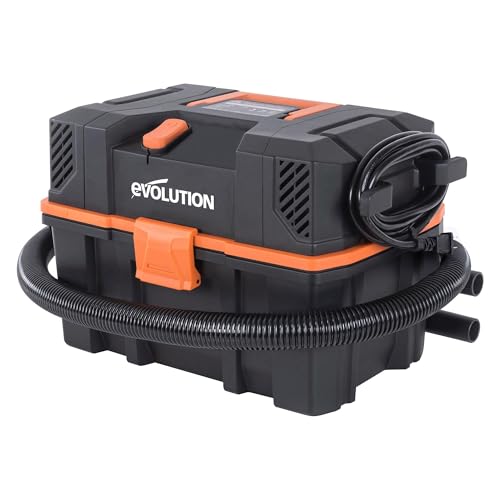
Evolution R15VAC 4-Gallon Wet Dry Shop Vac

BILT HARD 3500 lbs Plate Compactor

Tomahawk 5.5 HP Honda Vibratory Plate Compactor
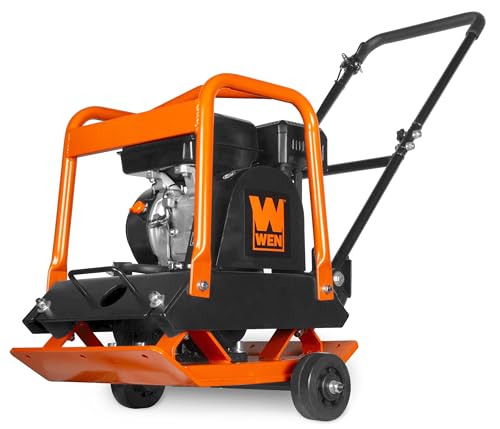
WEN 7HP Plate Compactor with Wheel Kit (56012)
Inside Each Recommended Option
A reciprocating saw earns its place in any prep work that feeds a plate compactor. The Evolution R230RCP cuts through root tangles, old lumber, and metal rebar that would otherwise send you hunting for a pry bar. The 180-degree rotating handle means you can keep a natural wrist position whether you’re trimming flush to a wall or slicing overhead.
With variable speed up to 2800 strokes per minute and a 28 mm stroke length, you can slow down for clean cuts in PVC and ramp up for fast rough cuts in framing lumber. Tool-free blade changes save real time on a job site where every minute matters.
Notable Upsides
- 180-degree rotating handle reduces wrist strain during awkward cuts
- Tool-free blade swap keeps you moving between materials
- Variable speed control adapts to wood, metal, and pruning work
- Comes with four blades covering common demolition and trimming tasks
- Compact enough to store alongside a plate compactor in a truck bed
Things To Consider
- Corded design limits reach on large landscape projects
- Owners commonly report that prolonged heavy use requires blade changes more often than expected
Who It Suits Best
DIYers and contractors prepping a site before compaction work, especially those clearing roots or cutting rebar.
Consider Something Else When
You need a dedicated plate compactor for soil work, in which case the BILT HARD 3500 lbs Plate Compactor fits the bill.
No compaction project stays clean. The Evolution R15VAC is the kind of bagless shop vac that pulls its weight between saw cuts, mixer pours, and paver cuts. The 4-gallon tank hits a sweet spot, large enough to clear a roomy garage, small enough to drain without wrestling a full barrel.
At 70 CFM, this unit handles sawdust, drywall chips, and even small puddles of slurry from a wet tile saw. The onboard accessory storage keeps the hose and nozzles where you can find them, which matters more than it sounds on a busy afternoon.
A Favorable Mix
- Wet and dry pickup in one tank saves switching tools
- 70 CFM airflow clears fine dust before it clings to cured concrete
- Onboard storage keeps attachments from disappearing mid-job
- Compact frame fits in a car trunk for transport
Worth Noting
- 4-gallon capacity means frequent emptying on full-day cleanup
- You may find the hose length tight for large open shop floors
- Noisy enough that hearing protection is worth having nearby
Feature Snapshot
Made For
Shop owners and serious DIYers who want a single vacuum that handles dust collection and accidental spills around compaction work.
Look Elsewhere When
Your projects involve industrial-scale dust, where the Tomahawk 5.5 HP Honda Vibratory Plate Compactor paired with a larger extraction system suits better.
The BILT HARD 3500 hits a real middle ground for homeowners stepping up from hand-tamping. The 196cc gas engine produces 5700 vibrations per minute, which is the kind of frequency that settles paver base in a single pass rather than the three you’d spend with a lighter plate.
The 12-inch compaction depth handles the soil lifts that matter for patios and walkways, and the 18×14-inch steel plate covers ground fast without being unwieldy in a narrow side yard. A sealed belt cover keeps dust and grit out of the drivetrain, which is a quiet upgrade on a machine you’ll haul to a dusty lot.
Practical Pluses
- 3500 lbs of centrifugal force sets pavers and base material in fewer passes
- 12-inch compaction depth suits most patio and driveway sub-base work
- 196cc engine produces enough torque to push through slightly damp gravel
- Steel plate resists wear from abrasive aggregate
- Sealed belt cover reduces maintenance intervals in dusty conditions
Trade Offs
- Gas engine adds fuel mixing and pull-start routine to every session
- Plate size makes tight trench corners harder to reach
Key Specs
Best Suited To
Homeowners and weekend landscapers laying patios, walkways, or small driveway sections who want gas-powered force without commercial size.
Skip It When
Your work involves narrow trench prep, where the Tomahawk 5.5 HP Honda Vibratory Plate Compactor’s smaller 17×21 plate works better in tight runs.
Honda GX-series engines are the benchmark for contractors who can’t afford a mid-job failure. The Tomahawk 5.5 HP rides that reputation, packing a GX160 engine into a plate built for daily rental-fleet duty. The reinforced steel exciter box is the kind of detail you only appreciate after you see a cheaper plate crack from vibration fatigue.
At a 17×21-inch plate, this compactor threads between fence posts and foundation edges where a wider plate would force you to hand-tamp. Travel speed around 79 feet per minute keeps productivity honest on longer runs.
Useful Touches
- Honda GX160 engine is known for long service intervals and easy starting
- Reinforced exciter box holds up to commercial daily use
- Compact 17×21 plate reaches narrow trench and edge areas
- Travel speed near 79 ft/min supports efficient paver and asphalt runs
- Backed by a 3-year engine warranty and 1-year product warranty
Points To Note
- Heavier than entry-level consumer plates, so transport requires a truck bed or trailer
- Gas-only operation means fuel and oil mixing on site
Feature Card
Who Should Grab It
Contractors and serious landscapers who run a compactor on multiple jobs each week and value Honda engine longevity.
Another Choice May Suit
DIYers working a single weekend project, where the lighter WEN Plate Compactor (56012) keeps things simpler and easier to load.
The WEN 7HP with wheel kit is the pick that respects your back before you even start the engine. The included wheel set folds down for transport and lifts out of the way during compaction, so you’re not fighting the machine between the truck and the work zone.
The 212cc engine delivers 4496 pounds of compaction force at 5500 blows per minute, enough muscle for paver base, sand bedding, and small asphalt patches. At 11.9 PSI, the pressure behind each blow is what gets clay and damp soil to settle properly instead of just skimming the surface.
The Upside
- Wheel kit included for easier transport to and from the work area
- 4496 lbs of force at 5500 BPM handles clay, sand, and gravel bedding
- 7 HP engine gives extra headroom for slightly damp base material
- 11.9 PSI plate pressure settles sub-base in one or two passes
A Few Limitations
- Larger engine adds weight that one person may find tiring to load solo
- Not designed for deep lifts; stick to surface bedding layers for best results
The Right Fit
Homeowners tackling paver patios, walkways, and small asphalt touch-ups who want a wheel kit in the box.
Where A Sibling Pick Shines
For deeper sub-base work on a long driveway, the BILT HARD 3500 lbs Plate Compactor’s 12-inch depth advantage is worth the trade.
What Matters Most Before Choosing Plate Compactors
Engine Power and Plate Force
Centrifugal force, measured in pounds, and vibration rate, measured in VPM or BPM, decide how quickly a machine settles material. Higher force handles deeper lifts, while higher vibration frequency produces a smoother finish on paver bedding. For most residential work, anything above 3000 lbs of force with at least 5000 BPM covers patios and walkways without bogging down.
Plate Size and Maneuverability
A larger plate covers ground faster but fights you in tight spaces. The 17×21-inch Tomahawk threads between obstacles that would stop a 22-inch commercial unit. For narrow trench prep or working along a foundation, smaller plates save real time. Open patio work favors wider coverage.
Compaction Depth
Depth ratings tell you how far a single pass reaches into the material. A 12-inch rating, like the BILT HARD offers, suits most base layers. Shallow plates work fine for paver sand bedding but will leave deeper lifts loose and prone to settling later.
Weight and Transport
Gas-powered compactors are heavy, often over 100 pounds. Wheel kits, foldable handles, and balanced lift points make a real difference if you’re loading solo. A wheel kit in the box, like the WEN includes, removes a real friction point from the workflow.
Picking Plate Compactors Without The Regret
Where Shoppers Go Wrong
The most common misstep is buying a plate compactor rated for surface bedding when the project actually needs deep base compaction. A 6-inch plate will skate over loose fill rather than consolidating it, leaving you with sunken pavers within a year. Match the depth rating to the lift thickness you’ll be working with.
Another trap is underestimating vibration fatigue on a small plate. Garden-variety consumer units bounce and skip on uneven ground, which slows you down and leaves inconsistent results. A reinforced exciter box, like the Tomahawk’s, prevents the cracking that ends a cheap plate’s life early.
What The Higher Tier Buys
Stepping into a commercial-grade plate compactor brings better engine components, thicker plate steel, and vibration systems that survive daily use. Honda GX-series engines command a premium for their cold-start reliability and parts availability. For a contractor running a compactor weekly, that reliability pays for itself in reduced downtime. A homeowner using a machine twice a year won’t see the same return and is better served by a mid-tier pick with a wheel kit and solid warranty.
Frequently Asked Questions
How deep can a plate compactor compact in one pass?
Most residential models reach 8 to 12 inches, depending on soil type. Cohesive clay compacts less than granular gravel at the same machine setting.
Can a plate compactor handle asphalt?
Yes, with a water tank accessory for cooling. Direct contact with hot asphalt without water can tear the surface and damage the plate.
What size plate works for paver patios?
Plates between 17 and 22 inches wide cover most paver jobs efficiently. Smaller plates are better for intricate patterns with curves and borders.
How often does the engine need maintenance?
Oil checks before every use, with changes every 20 to 25 hours of run time. Air filter cleaning depends on dust conditions but typically every 10 hours.
Is a reversible plate compactor necessary for homeowners?
Not usually. Reversible plates matter for long commercial runs. Forward-only plates handle patio and walkway work at lower cost and weight.
Wrap Up
The right plate compactor depends on how often you use it and how deep you need to go. Weekend patio builders find their sweet spot with the WEN or BILT HARD, while daily users benefit from the Tomahawk’s Honda reliability. Pair your compactor with a capable saw and a wet/dry vac, and you’ve got a complete prep-and-finish setup for any base layer project.