


A dull blade turns everyday tasks into chores, and a knife that won’t shave hair on a campsite or in a restaurant kitchen costs you time. The right sharpening tool makes the difference between a quick strop and a frustrating twenty-minute workout on a stubborn edge. This roundup covers five solid options for keeping edges keen, from bench stones you set on a workbench to pocket-friendly files that slip into a roll.
The Leading Options At A Glance

SHAPTON K0709 Glass Stone, #320 Rough
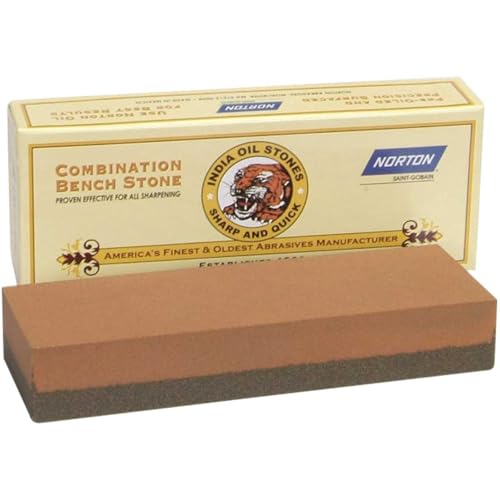
Norton Combination Aluminum Oxide Benchstone 6″ x 2″ x 1″

Spyderco 302UF BenchStone Ultra Fine Grit with Polymer Case

Spyderco 400F Square Ceramic Sharpening Files

Atoma Diamond Sharpener Coarse Grade #140
More Details On Our Top Picks
Shapton’s glass-based whetstone has built a quiet reputation among sharpening enthusiasts, and the #320 grit model handles the rough work of resetting a tired edge. You splash a little water on the surface and start working, no soaking required, which is a real time-saver for someone who sharpens before dinner rather than planning ahead.
The plastic case doubles as a base during use, keeping the stone stable on a countertop without extra hardware. The color-coded black edge marks the abrasive side at a glance, a small touch that prevents the common mistake of flipping a stone mid-stroke.
Where It Delivers
- Fast-cutting #320 grit reshapes bevels quickly on kitchen knives and pocket blades
- Splash-and-go design means no twenty-minute soak before you can start
- Color-coded edge eliminates the guesswork when flipping the stone
- Integrated storage case becomes a stable sharpening base
Worth Noting
- #320 is a rough stone, so you’ll want a finer grit stone or strop for the final polish
- Glass-based construction feels solid but warrants a flat, dedicated spot on the workbench
Key Specs
Right Fit For
Home sharpeners and blade hobbyists who want a fast, low-prep stone for resetting bevels on kitchen knives, folding blades, and outdoor tools.
Consider Something Else When
The Norton Combination Aluminum Oxide Benchstone suits you better if you prefer oil stones and want two grits on a single block.
Norton’s aluminum oxide benchstone leans on a classic oil-stone format, and the combination block gives you a coarse side and a fine side on a single piece. The aluminum oxide abrasive (an industrial-grade mineral known for consistent cutting) produces clean deburring and a dependable working edge across chisels, plane irons, and kitchen blades.
You work it with a little oil, which floats away swarf (the fine metal dust generated during sharpening) and keeps the surface from clogging too quickly. For someone who learned sharpening on a Norton India stone in shop class, this benchstone feels like an old friend.
Key Advantages
- Two-sided block combines coarse and fine grit in one tool
- Aluminum oxide abrasive cuts cleanly and lasts a long time
- Oil lubrication reduces clogging and speeds cleanup
- Compact 6″ x 2″ footprint fits a small bench or drawer
Trade Offs
- Oil-stone format means a bit more prep and cleanup than splash-and-go water stones
- No included base, so you’ll want to mount it on a holder to keep it from sliding
- Aluminum oxide cuts slower than diamond plates on badly damaged edges
Who It Suits Best
Woodworkers and traditionalists who want a long-lasting, two-grit oil stone for chisels, plane irons, and general workshop knives.
Look Elsewhere When
The Atoma Diamond Sharpener Coarse Grade #140 is a smarter pick if your priority is grinding back chips and deep damage fast.
Spyderco’s 302UF benchstone is a finishing tool, the kind you reach for after a coarser stone has done the heavy lifting. The 2″ x 8″ ceramic surface handles wide blades, plane irons, and chisels without the stone flexing or rocking under pressure, which matters when you’re polishing a long, even bevel.
No oil, no water, no clamps. You set the polymer case on a flat surface and work the blade across the ceramic. The non-skid rubber feet on the case keep it planted, and cleanup is a quick wipe-down.
A Strong Showing
- Ultra-fine ceramic grinds polishes the edge to a near-mirror finish
- Wide 2″ x 8″ surface suits plane irons and broad chef knives
- Polymer case with non-skid feet doubles as a stable base
- No oil or water required, so setup stays simple
Some Limits To Know
- Ultra-fine grit alone cannot repair chips or reshape a damaged bevel
- Ceramic wears slowly but costs more to replace than a water stone
Feature Snapshot
Made For
Sharpening enthusiasts who already own a coarser stone and want a dedicated finishing step for wide blades and woodworking tools.
Another Choice May Suit
The SHAPTON K0709 Glass Stone, #320 Rough fits the bill better if you need to reset a chipped bevel before moving on to finer work.
The Spyderco 400F set is built for detail work that benchstones cannot reach, the kind of precise deburring and edge refinement that jewelers, gunsmiths, and wood carvers handle daily. The square file addresses flat surfaces and inside corners, working hardened tool steel and even carbide.
The ceramic surface hones without aggressively biting into the steel, so you control how much material comes off with each pass. Cleaning is straightforward: a plastic scouring pad and standard kitchen cleanser restore the surface in seconds.
Everyday Wins
- Square file geometry handles inside corners and flat recesses benchstones can’t reach
- Fine-grit ceramic refines edges without heavy material removal
- Cuts cleanly on carbide and hardened tool steel
- Cleans up with a scouring pad and kitchen cleanser
Honest Caveats
- Fine grit only, not suited for reshaping damaged edges
- Best for small, detailed tools rather than full-size kitchen blades
Best Suited To
Jewelers, gunsmiths, wood carvers, and dental techs who need to deburr and refine small, precise tools on a regular basis.
Skip It When
The Spyderco 302UF BenchStone is a stronger match if you sharpen wide blades and want a stable bench surface for finishing.
Atoma’s #140 diamond plate is the brute of the group, a coarse, aggressive sharpener that chews through chips and rolls on a beaten-up edge. The diamond-coated surface (industrial diamond bonded to a metal plate) stays flat and cuts fast, so a knife that took twenty minutes on a water stone can be back in shape in a few.
You can use it dry or with water, and the rigid aluminum base keeps the plate true over time. For a workshop where edges see real abuse, this plate pays for itself by saving bench time.
Why It Works Well
- #140 diamond grit grinds back chips and deep damage quickly
- Stays flat under heavy pressure, which protects bevel geometry
- Works dry or with a splash of water, flexible in the shop
- Aluminum base plate adds rigidity and a stable work surface
Points To Keep In Mind
- Coarse grit leaves a toothy edge that needs finishing on a finer stone
- Diamond plates are heavier and pricier than comparable water stones
Who Should Grab It
Workshop users and field sharpeners who need to grind back damaged edges fast before moving on to a finer finishing stone.
Reach For A Different Pick When
The Norton Combination Aluminum Oxide Benchstone is the smarter buy if you’d rather have a two-grit tool and don’t face heavy edge damage often.
What Matters Most When Choosing Pocket Sharpeners
Grit Range and the Stones That Match Your Edges
Grit is the particle size of the abrasive on the stone’s surface, and a lower number means a coarser, more aggressive cut. Pocket sharpeners span a wide range here, from coarse plates like the Atoma #140 that grind back chips, to ultra-fine ceramics like the Spyderco 302UF that polish a finished edge. For most knife owners, owning a coarse stone for damage repair and a fine stone for regular maintenance covers the common cases. Benchstones that combine two grits on one block, such as the Norton combination model, save space but limit your grit choices.
Material and How It Affects Cutting Speed
Diamond, aluminum oxide, and ceramic each cut differently. Diamond plates stay flat and grind fast, which makes them ideal for repair work. Aluminum oxide oil stones cut more slowly but last a long time and feel familiar to anyone who learned on traditional tools. Ceramic stones are hard and wear slowly, which is why Spyderco uses them for finishing. A water stone like the Shapton cuts fast and offers a pleasant feedback loop, though it does wear with use. Each material has a real trade-off, and the right one depends on how often you sharpen and how much damage you typically face.
Size, Stability, and Where You Sharpen
A 2″ x 8″ benchstone like the Spyderco 302UF handles wide blades and plane irons, but takes up drawer space. Pocket-friendly files like the Spyderco 400F square slip into a roll and reach corners no benchstone can. Stability matters too, since a stone that slides mid-stroke is a safety issue. Look for non-skid feet, integrated cases, or mounting bases before you commit to a model.
Key Considerations Across These Picks
Pitfalls Shoppers Hit
Buying a single ultra-fine stone and expecting it to fix chips is a common first-timer move. Ultra-fine grits refine an edge, they don’t reshape a damaged one. Another trap is ignoring the lubrication requirement: oil stones need oil, water stones need water, and using the wrong one changes the cutting feel. Finally, skipping a stable base leads to uneven bevels and the occasional slipped blade, so a non-skid surface or a mounted holder pays off quickly.
Where The Extra Money Goes
Premium stones cost more because the abrasive is bonded to a denser, flatter substrate, and that flatness holds up over years of use. Diamond plates, in particular, command a higher price for their cutting speed and longevity. The upgrade makes sense for people who sharpen often, value their time, or work on high-end blades where edge geometry matters. A casual user sharpening one kitchen knife a month gets plenty from a mid-priced water stone.
Frequently Asked Questions
What grit do I need to sharpen a pocket knife?
A medium grit around #1000 works for routine touch-ups, while a coarser stone like #140 or #320 helps when the edge is chipped. Owning both a coarse and a fine stone covers most knife care situations.
Can I use the same stone for kitchen knives and outdoor tools?
Yes, most benchstones handle both, though a coarser stone speeds up work on tools with thicker steel. Clean the surface between uses to keep finer grits from picking up debris.
Do diamond plates wear out faster than water stones?
Diamond plates tend to outlast water stones because the abrasive itself is harder than the steel being sharpened. Water stones slowly dish in the middle with use and need periodic flattening to stay effective.
Is oil or water better for sharpening stones?
Oil and water each suit different stones. Oil floats away swarf on aluminum oxide stones, while water works on most splash-and-go water stones. Match the lubricant to the stone type for the best cutting feel.
How do I know when my stone needs replacing?
A stone that has dished deeply, lost its abrasive bite, or cracked across the surface is past its useful life. Visible flat spots in the middle mean the surface is no longer true, and any new stone will outperform it.
The Takeaway
Five tools, five different jobs, all worth owning if your work involves a blade. Coarse diamond and water stones handle damage, benchstones refine edges, and pocket files reach the corners benchstones cannot. Pick the stone that matches how you actually sharpen, and add to the kit only when a real gap shows up in your routine.




