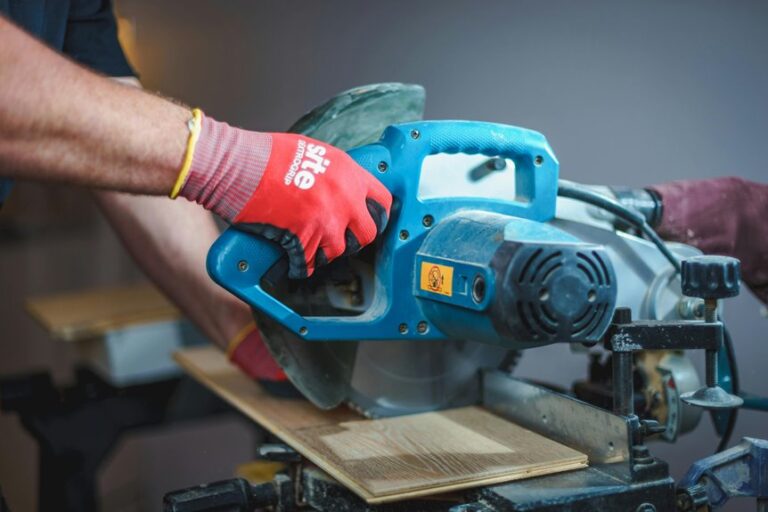
A small-shop woodworker faces a familiar squeeze. You want the cut quality of a cabinet saw, but your space won’t hold one, and you need to roll the tool to the driveway, the garage, or a client’s kitchen. Portable table saws solve that problem, though the gap between jobsite workhorses and furniture-grade cutters is wider than most marketing suggests. Fine woodworking asks more from a saw than a framing crew would: a flat top, a fence that locks parallel without drift, and a blade tall enough to slice thick stock cleanly. This list covers five portable options that have earned a reputation for delivering those qualities without anchoring you to a fixed bench.
A Side-By-Side Look
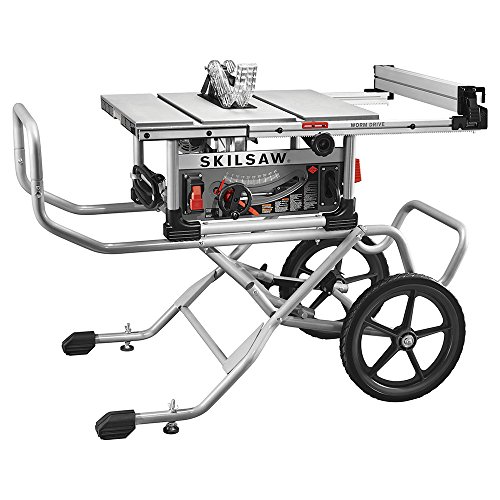
SKIL 10 Inch Heavy Duty Worm Drive Table Saw SPT99-11

DEWALT Portable Table Saw with Stand 8-1/4 inch (DWE7485WS)
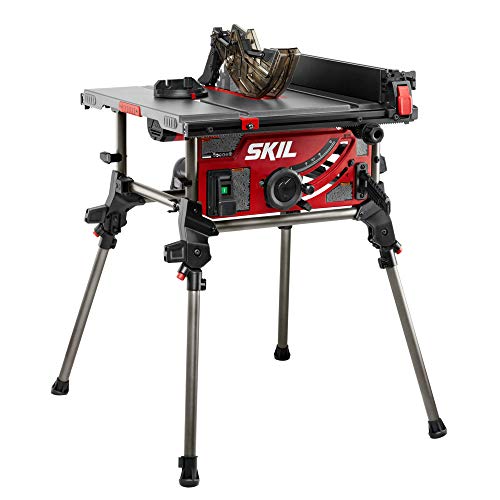
SKIL 15 Amp 10-Inch Jobsite Table Saw with Folding Stand TS6307-00

DEWALT 15 Amp 8-1/4 in. Compact Portable Jobsite Table Saw (DWE7485)

SKIL 15 Amp 8-1/4-Inch Compact Portable Jobsite Table Saw TS6308-00
The Strengths Of Each Pick
The SPT99-11 is the only saw on this list built around a true worm drive gear train, a layout that trades raw RPM for the kind of low-end grunt that powers through thick hardwoods and dense plywood without bogging. For fine woodworking, that translates into clean entries on figured maple, dense oak, and cabinet-grade sheet goods where a direct-drive motor would hesitate. Compared to the DEWALT DWE7485WS below, it leans heavier and louder, but it earns that weight with deeper cuts and a noticeably tougher feel under load.
You get a 10-inch blade paired with a generous rip capacity, so crosscutting wide panels and breaking down 4-foot sheets stays manageable. In a home shop where you occasionally run an 8/4 board through a planer, that extra depth matters. The rack and pinion fence system keeps adjustments crisp, which is what you want when fitting joinery and sizing tenons to a precise shoulder.
Good Reasons To Consider
- Worm drive torque handles dense hardwoods and thick stock without stalling
- Generous rip capacity supports full sheet goods and wide panels
- Rack and pinion fence rails lock parallel for joinery-grade accuracy
- 10-inch blade depth supports deeper profiling cuts than 8-1/4-inch saws
Things To Consider
- Heavier than the compact saws below, so moving it up stairs takes effort
- Worm drive noise runs louder, which matters in shared spaces or basements
- Worm drive brushes and gear oil call for periodic maintenance most direct-drive saws skip
Key Specs
Who Will Love This
You build furniture or cabinets from rough lumber and need a portable saw that can muscle through 8/4 stock without complaint.
Consider Something Else When
The DEWALT DWE7485 makes more sense if you want a lighter saw you can carry between job sites without a hand truck.
The DWE7485WS is a jobsite-tough portable with one feature that stands apart: a 48-degree bevel range. That extra reach past 45 lets you slice compound angles for chamfered edges, tapered legs, or angled joinery without flipping the workpiece. Compared to the SKIL SPT99-11 above, you trade the worm drive’s torque for lighter weight, quieter operation, and a fence that adjusts almost as smoothly thanks to its rack and pinion rails.
For fine woodworking, the 24.5-inch rip capacity is enough to break down a 2-foot section of plywood or a full-length cabinet side. A 15-amp motor running near 5800 RPM gives you enough headroom for clean rip cuts in poplar and soft maple. Onboard storage for the guard, riving knife, push stick, and miter gauge means you spend less time hunting accessories and more time cutting.
Reasons It Performs
- 48-degree bevel range opens up angled joinery and chamfer work
- Rack and pinion fence rails deliver smooth, repeatable alignment
- Compact frame makes it easier to transport than the SPT99-11
- Onboard storage keeps the guard, knife, and wrenches within reach
Worth Noting
- Power-loss reset prevents restarts but can interrupt a long cut session if your breaker trips
- 8-1/4-inch blade limits depth compared to 10-inch options like the SPT99-11
- The included rolling stand helps on flat ground but adds footprint in tight shops
Made For
Trim carpenters and hobbyist woodworkers who frequently cut beveled profiles and need a portable saw they can roll out for a Saturday project.
Look Elsewhere When
The SKIL TS6307-00 fits better if you specifically want a 10-inch blade in a folding frame for a permanent garage setup.
The TS6307-00 lands in a useful middle ground. It gives you a 10-inch blade and a folding stand, so you get the cutting depth of the SPT99-11 in a package that tucks into a corner of the shop when the work is done. For fine woodworking, the extra blade diameter means clean cuts on thicker hardwoods and better blade choices for finish ripping, where a 40-tooth or 60-tooth combination blade shines.
The rack and pinion fence is a noticeable upgrade over cheaper slide-rail designs. A 25-1/2-inch rip capacity is enough for cabinet sides and narrow panels, though not quite a full sheet. The dust port elbow is a small touch, but it pulls a meaningful share of chips away from your work surface, keeping your layout lines visible during finish cuts. You may find the integrated stand less stable than a separate rolling base if your shop floor is uneven.
Positive Points
- 10-inch blade opens up higher-tooth-count finish blades for clean cuts
- Folding stand saves floor space in small shops and one-car garages
- Rack and pinion fence rails give tight, repeatable adjustments
- Dust port elbow helps keep your workpiece visible during cuts
Points To Note
- Rip capacity falls short of full 4-foot sheet goods
- Integrated stand legs are stable on flat floors but flex on uneven surfaces
- Not as portable as a true roll-around jobsite saw for daily transport
At A Glance
Right Fit For
You run a garage workshop and want a 10-inch saw that stays put, cuts cleanly, and folds away on weekends.
Reach For A Different Pick When
The DEWALT DWE7485 suits you better if you haul your saw to clients’ homes and need something easier to load into a hatchback.
The DWE7485 is the bare-cabinet version of the DWE7485WS above, and for many woodworkers, it’s the smarter buy. Without the rolling stand, you save space and weight, then pair the saw with a workbench or mobile base that fits your shop. The 15-amp motor running around 5800 RPM delivers clean cuts in common hardwoods, and the rack and pinion fence stays parallel, which matters when you’re sizing dados or fitting drawer parts.
For fine woodworking, the smaller footprint means you can drop this saw onto a small outfeed table and integrate it into a tight floor plan. Onboard storage for the guard, riving knife, wrenches, miter gauge, and push stick keeps the dust cover closed and your accessories organized. Owners commonly report that the 8-1/4-inch blade handles plywood and most cabinet lumber, though you may find it limiting on thicker 8/4 stock.
Positive Takeaways
- Compact frame fits onto small workbenches and mobile bases
- Rack and pinion fence rails adjust fast and stay locked in place
- Onboard storage keeps accessories and wrenches within reach
- 15-amp motor handles common ripping and crosscutting tasks
Trade Offs
- 8-1/4-inch blade limits depth for thick hardwood and beam work
- No included stand, so you supply your own bench or base
- Corded design means a nearby outlet or heavy-gauge extension is required
Best Suited To
You split shop time between a small garage and on-site installs, and you want a saw that loads into a truck bed without a second person.
Swap It Out When
The SKIL TS6308-00 is a more affordable pick if you need a compact saw and don’t plan to push the cut depth often.
The TS6308-00 trims weight and footprint to their floor. It’s the saw you pull out for a weekend build, stow in a closet, and forget about until the next project. For fine woodworking in tight spaces, the 8-1/4-inch blade is plenty for cabinetry, trim, and smaller furniture, though it won’t match a 10-inch saw on thick stock. The rack and pinion fence helps the fence stay parallel to the blade, which is what you need for clean rip cuts and tight-fitting joinery.
Note that the rolling stand is sold separately, so budget for the SFS0001 stand or a workbench if you don’t already have one. The compact design shines for apartment woodworkers and condo hobbyists with limited storage. Owners commonly report that the lightweight body makes it easy to carry down a hallway or up a flight of stairs, which is a real benefit when the only working space is a balcony or a spare bedroom corner.
What Earns Its Place
- Lightweight and compact for storage in closets and small apartments
- Rack and pinion fence rails keep cuts parallel and repeatable
- 15-amp motor delivers adequate power for typical hobby cuts
- Portable design makes it easy to move between work areas
A Few Limitations
- Rolling stand sold separately, so factor in the added cost
- 8-1/4-inch blade limits depth for thicker stock and beam cuts
- Smaller table surface offers less material support for large panels
Feature Snapshot
Perfect Match For
You live in an apartment or condo and need a portable saw that stows in a closet between weekend projects.
Where Another Pick Suits Better
The DEWALT DWE7485WS works harder for you if you need an included stand and a wider 48-degree bevel for angled trim work.
What To Weigh Before Choosing A Portable Saw For Fine Work
A portable table saw earns its place in a fine woodworking shop when it cuts cleanly, holds setup, and fits the way you actually work. The single biggest decision is blade diameter. A 10-inch blade gives you more depth, more blade choices, and cleaner cuts on thick hardwoods, while an 8-1/4-inch saw keeps weight and footprint manageable. Think about the thickest stock you cut today and the thicker stock you might want to cut in two years, since that answer usually picks the blade size for you.
Rip capacity matters more than most first-time shoppers expect. Anything below 25 inches means you cannot break down a 4-foot plywood sheet in a single pass, and you end up flipping the sheet on the floor. A rack and pinion fence is worth seeking out over slide-rail designs because it stays parallel to the blade, which directly affects the fit of your joinery. The stand and footprint deserve attention too, since a heavy rolling base helps in a shop but turns into dead weight if you haul the saw to job sites every day.
Fence accuracy, dust collection, and onboard storage round out the practical ownership picture. A saw that stores its own guard, riving knife, and push stick stays ready to use, while a good dust port keeps your layout lines visible during finish cuts. Choose the saw that matches your shop, your stock, and the cuts you actually make, not the one with the loudest spec sheet.
Deciding What Counts In This Category
Pitfalls Shoppers Hit
The most common slip is chasing blade diameter without checking rip capacity. A 10-inch saw with 25 inches of rip still cannot handle a full sheet, so you end up making two passes and re-aligning the sheet each time. Always check both numbers before assuming a bigger blade solves a sheet-goods problem. Another trap is ignoring fence parallelism: a saw with a sloppy fence produces tapered rips that ruin joinery fit, no matter how sharp the blade.
Where The Extra Money Goes
Higher-tier saws tend to buy you a stronger fence, more rigid table, and a heavier cast structure that resists flex during heavy cuts. The SPT99-11’s worm drive is one example: the gear train costs more but adds torque and a longer service life under load. Spend up when your work involves thick hardwoods, full sheets, or daily use, and save when your cuts stay within 8/4 stock and trim-sized pieces. The upgrade pays off when downtime from a misaligned fence or underpowered motor starts eating into your shop time.