


You don’t always have the luxury of a full shop with 240-volt outlets and rolling carts. Garage fabricators, weekend restorers, and field techs all hit the same wall: needing serious TIG capability that doesn’t chain them to a fixed location. A solid portable unit lets you repair a cracked aluminum manifold in the driveway, walk a bead along a chassis rail at a car meet, or handle thin stainless on a job site without renting a generator. The five options below cover everything from a full-process workhorse to a torch-holding helper that just makes the rest of the kit easier to live with.
The Essentials At A Glance

PRIMEWELD TIG225X 225 Amp AC DC Tig/Stick Welder with Pulse
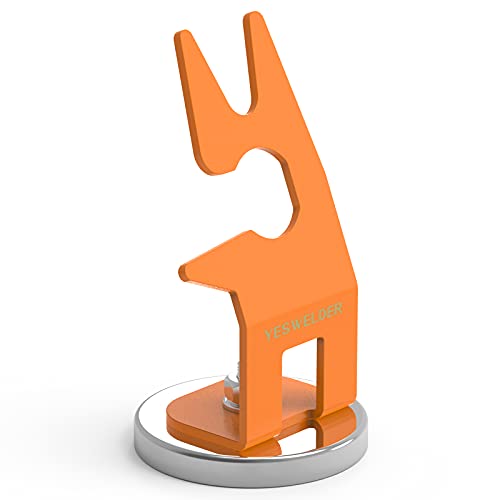
YESWELDER Magnetic TIG Welding Torch Holder
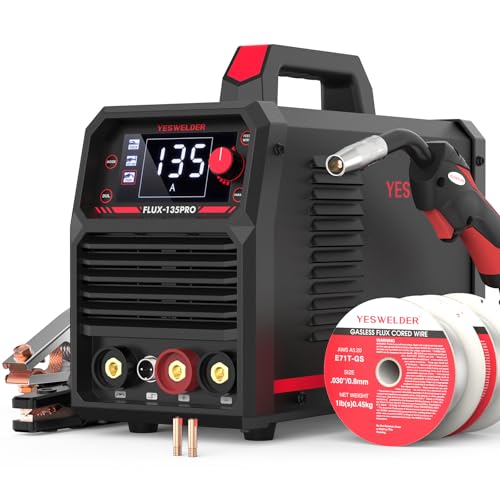
YESWELDER 135A MIG/Lift TIG/Stick 3-in-1

YESWELDER 205A MIG 5-in-1 Multiprocess Welder

YESWELDER Firstess DP200 Pulsed Multiprocess Welder
Inside Each Recommended Option
The PRIMEWELD TIG225X is the only true AC/DC unit in this roundup, which puts it in a different class for anyone touching aluminum. AC (alternating current) lets you clean the oxide layer off aluminum while you weld, something a DC-only machine simply cannot do, so aluminum motorcycle tanks, marine fittings, and sheet-metal fabrication all become realistic projects. The pulse function, a mode that cycles the amperage up and down to control heat input, helps on thin stainless where you would otherwise burn through. The included CK Worldwide 17 Series flex torch is a noticeable step up from generic torches, with a flexible head that reaches into tight corners on motorcycle frames and roll cages.
At 225 amps on 110/220V input, this machine has enough headroom for 1/4 inch aluminum in a single pass on a properly prepped joint. Compared to the multi-process units reviewed later, the TIG225X stays focused on doing TIG and stick well rather than trying to be everything. Hobbyists who want to learn aluminum the right way will appreciate that focus, and professionals get a workhorse that can move between stainless exhaust work and aluminum fab without swapping platforms.
Real Benefits
- True AC output unlocks aluminum welding, the main reason most hobbyists step up to a real TIG machine.
- Pulse control reduces burn-through on thin sheet metal and helps with heat-sensitive stainless.
- CK17 flex torch with flex head reaches awkward joints on frames, manifolds, and tubing.
- 225-amp ceiling handles 1/4 inch aluminum in a single pass with proper prep.
- Dual-voltage input means you can run it on a standard 110V outlet for light work or 220V for full output.
Trade Offs
- Heavier than the multi-process units below, so calling it portable is relative; plan on a rolling cart or vehicle transport.
- No MIG process means a separate machine for quick flux-core repairs on steel.
- Setup curve is steeper for first-time TIG users; foot pedal and gas-flow management take practice.
Key Specs
Who It Suits Best
Experienced hobbyists and pros who need genuine AC aluminum capability, stick backup, and a premium torch in a single package.
Where Another Pick Suits Better
The YESWELDER Firstess DP200 is the better fit for someone who mostly welds steel and wants a pulse MIG look without the AC learning curve.
This is the one item in the roundup that doesn’t make electricity; it just makes the welding you already do less frustrating. The YESWELDER magnetic torch holder clamps anywhere on a steel table, fixture, or workpiece, so your torch has a home when you swap filler rods, change gas bottles, or step away to grab a clamp. Long beads that would normally have you laying the torch on the workpiece (and risking damage to the cup, which is the ceramic gas shield on the torch tip) suddenly become a clean break in the workflow. Shop owners running two or three stations also use these as a shared torch parking spot, which keeps the bench tidy.
The ferrite magnet is strong enough to hold a full-size 17-series torch without sliding, and the steel body is finished to reduce surface roughness so it won’t scrape your workbench. At roughly 1.7 pounds, it stays planted even when the torch has a long hose pulling on it. Pair it with the PRIMEWELD TIG225X above and your bench setup suddenly feels professional instead of improvised.
Real-World Strengths
- Strong magnetic base parks the torch safely during filler-rod swaps and gas-bottle changes.
- Steel body with a smooth finish protects the torch cup from damage and resists bench scratches.
- Repositioning is fast: slap it anywhere on a steel surface, and the magnet holds.
- Pairs naturally with any of the welders on this list, no electrical integration needed.
Worth Noting
- Won’t stick to aluminum or stainless workbenches, so on a non-ferrous table you’ll need a steel plate as a base.
- Not a welder on its own; treat it as a workshop accessory, not a primary tool.
Best Suited To
Anyone doing long beads, overhead work, or running multiple stations who wants the torch off the workpiece and within reach.
Consider Something Else When
The YESWELDER 205A MIG is the better fit for someone whose main need is a primary welder, not a torch-management accessory.
The YESWELDER 135A is the friendliest entry point on this list, and the most realistic option for a 110V garage circuit. Gasless flux-core MIG (Metal Inert Gas welding uses a continuously fed wire to join metal; flux-core means the wire has a chemical core that shields the weld from air, removing the need for a gas tank) means you can unbox it, plug it in, and start welding steel without buying a shielding gas tank, regulator, or extra hoses. That alone saves a beginner a hundred dollars and a Saturday of YouTube tutorials. Lift TIG (a simplified TIG arc-start method that doesn’t require a high-frequency arc-start) is available too, so the door to TIG practice is open even if aluminum remains out of reach on this DC-only unit.
Sticking to thin gauge steel up to about 1/8 inch is where this machine feels at home. Thicker material will need multi-pass technique and patience. Compared to the PRIMEWELD reviewed earlier, the 135A is lighter, simpler, and far less intimidating, which is the right tradeoff for a first welder.
What It Does Well
- True plug-and-play on a standard 110V household outlet, no special wiring required.
- Flux-core setup skips the shielding-gas tank, perfect for outdoor work in wind.
- Three processes in one unit give a beginner room to grow into TIG and stick without buying a second machine.
Points To Note
- No AC output, so aluminum remains off the table; aluminum is a real possibility only with AC.
- 135 amps limits thicker steel work; heavy plate and structural repairs will feel underpowered.
- Lift TIG needs an extra torch sold separately, which adds to the total cost if TIG is the goal.
Made For
First-time welders in a 110V home garage who want to learn MIG and stick on steel, with a path to basic TIG later.
Look Elsewhere When
The PRIMEWELD TIG225X is the right answer for anyone who already knows aluminum is on the project list.
The 205A lives in the middle ground between a hobbyist box and a real shop machine, and the five-in-one process list is what makes it interesting. Gas MIG, flux-core MIG, spool-gun MIG (a small auxiliary wire feeder that lets you push aluminum wire through a standard MIG gun), lift TIG, and stick all run from a single unit, so a small fab shop with mixed work (a steel chassis one day, an aluminum bracket the next) doesn’t need two machines cluttering the floor. The 110/220V dual-voltage input gives the same plug-anywhere flexibility as the smaller 135A, but the 200-amp output steps up the ceiling for heavier material.
Note that spool-gun MIG and lift TIG each require an extra accessory torch that isn’t included in the box, so factor that into the budget. Compared to the PRIMEWELD above, the 205A trades true AC TIG for process breadth, which is the right call for shops that don’t specialize in aluminum.
Everyday Wins
- Five welding processes in one unit cover steel, stainless, and aluminum with the right accessories.
- 200-amp output gives meaningful headroom for 3/16 inch steel and heavier flux-core work.
- Dual-voltage 110/220V input means it travels from a home garage to a small shop without rewiring.
A Few Limitations
- Spool-gun aluminum and lift TIG both need accessory torches, which add to the real cost.
- DC-only TIG means aluminum is limited to MIG-style weld characteristics, not full AC control.
- Five processes in one box mean deeper menus and a longer learning curve than single-process units.
Right Fit For
Small shops and serious hobbyists who switch between steel, stainless, and occasional aluminum and want one machine that handles all three.
Skip It When
The YESWELDER 135A is a better fit for beginners who don’t need spool-gun aluminum and want a simpler control layout.
The Firstess DP200 is the most ambitious machine on this list, and the dual-pulse MIG feature is its calling card. Dual-pulse MIG oscillates both the wire feed and the amperage, producing a stacked-dime look on a MIG bead that traditionally required TIG. For shops that want TIG aesthetics on steel and stainless without the slow pace of walking a TIG cup, that capability alone changes the conversation. You also get regular MIG, pulse MIG, flux-core, spot welding, spool-gun MIG, lift TIG, and stick in a single box, which is more process coverage than most home fabricators will use in a year.
At 120/240V input, the DP200 lives comfortably in either a home shop or a 240V-capable garage. Like the 205A, the lift-TIG and spool-gun features need accessory torches. The honest read is that this is a step-up pick: most beginners won’t unlock its potential, but a hobbyist moving from a starter box into serious fabrication will appreciate what dual-pulse does for finished weld appearance.
Features That Help
- Dual-pulse MIG produces a TIG-style stacked-dime bead on steel and stainless, a finish usually reserved for much slower TIG work.
- Eight process modes in one unit cover virtually any job a small shop will face.
- 120/240V dual-voltage input works in standard home outlets and 240V shop circuits.
Honest Caveats
- Spool-gun aluminum and lift TIG both need accessory torches, which add to the real cost.
- DC-only output, so no true AC aluminum, just MIG-style aluminum with a spool gun.
- Dual-pulse controls add complexity; expect to spend time dialing settings for different materials and thicknesses.
Key Specs
Perfect Match For
Intermediate to advanced hobbyists and small-shop fabricators chasing premium weld aesthetics without the TIG learning curve.
Reach For A Different Pick When
The YESWELDER 135A makes more sense for a first-time welder who won’t touch the dual-pulse settings and just needs a simple MIG to learn on.
What Matters Most Before Choosing Portable Tig Welders
Process Coverage vs. Specialization
The biggest fork in the road is whether you want one machine that does many things or one machine that does one thing extremely well. Multi-process units like the YESWELDER 205A and Firstess DP200 give you MIG, stick, and some flavor of TIG in a single box, which is great for a small shop with mixed work. A dedicated AC/DC TIG like the PRIMEWELD TIG225X gives you true aluminum capability with cleaner arc control, but it won’t run MIG for quick steel repairs. Beginners tend to overestimate how many processes they’ll use in the first year, so a focused machine often beats a feature-packed one.
Power Source and Duty Cycle
Voltage input and amperage output are not the same spec, and both matter. A 110V/120V unit plugs into any household outlet but caps out around 135-200 amps depending on the model. A 220V/240V machine pulls more current from a dedicated circuit and unlocks the upper end of the duty cycle, the percentage of a 10-minute window the welder can run before needing to cool. Welding 1/4 inch aluminum in a single pass really wants 220V; thin steel flux-core work is fine on 110V. Check your breaker panel before falling in love with a high-amperage machine.
Aluminum Reality Check
AC output is the spec that actually unlocks aluminum welding. DC machines with spool-gun MIG can run aluminum wire, but the arc characteristics and cleaning action are different, and the spool gun is an extra-cost accessory. Aluminum projects (motorcycle tanks, marine work, automotive panels) are the main reason hobbyists step up to a real AC TIG, so if aluminum is anywhere on your list, prioritize AC and skip the multi-process compromises that don’t include it.
Accessories You’ll Buy Anyway
The PRIMEWELD ships with a CK Worldwide torch that costs serious money as a standalone add-on, while the YESWELDER units typically include functional but generic torches. Lift TIG and spool-gun MIG almost always need accessory torches on multi-process machines, so price those into the real budget. A magnetic torch holder (item two in this roundup) is a cheap upgrade that pays for itself the first time you swap filler rods on a long bead.
Mistakes Worth Dodging, and Where the Extra Money Goes
Where Shoppers Go Wrong
The most common slip-up is chasing process count instead of capability. A five-in-one machine that does all five processes poorly is a worse shop tool than a one-process machine that does its single process exceptionally. Another trap: assuming 110V is enough for the projects on your list. Thicker steel and any aluminum work realistically want 240V, and forcing a 110V unit past its comfort zone produces ugly beads and overheated internals. Finally, lift TIG on a DC-only machine is not the same as true AC TIG, so don’t expect the same aluminum results from two very different price points.
What the Higher Tier Buys
Spending more on a portable TIG welder generally buys three things: AC output for proper aluminum, a higher amperage ceiling so the machine isn’t straining on heavy stock, and a better torch with a flexible head and heavier cable. The CK17 flex torch included with the PRIMEWELD, for example, costs more on its own than several of the entry-level welders on this list. Pulse functions and dual-pulse MIG also tend to land in the higher price tier, and they buy real aesthetic improvements on the finished bead, especially visible on stainless and aluminum. For most home fabricators, the upgrade is worth it the moment a project includes aluminum or visibly-finished stainless.
Frequently Asked Questions
What is the difference between AC and DC TIG welding?
AC (alternating current) is required for welding aluminum because it cleans the oxide layer while welding, while DC (direct current) is the standard mode for steel and stainless. Multi-process units that only output DC cannot do true AC aluminum work.
Can a portable TIG welder plug into a standard home outlet?
Most 110V/120V units plug into a standard 15-amp household circuit, but amperage output is limited. For full output, especially on aluminum and thicker steel, a 220V/240V circuit and matching machine is the realistic path.
Do multi-process welders really replace dedicated machines?
For hobbyists and small shops, yes. A multi-process unit handles 90% of typical work without the cost of separate machines. For specialists welding aluminum every day, a dedicated AC/DC TIG still gives better arc control and torch ergonomics.
Is a flex-head TIG torch worth the extra cost?
For anyone working on frames, tubing, and tight-corner joints, yes. The flex head reduces hand fatigue and reaches places a rigid torch cannot, which speeds up production work and improves weld access on motorcycle and roll-cage projects.
What is a duty cycle and why does it matter?
Duty cycle is the percentage of a 10-minute window the welder can run before needing to cool down, and it drops as amperage rises. A 60% duty cycle at 200 amps is strong; 30% at the same output is more limited and matters on long beads.
Closing Remarks
The right pick really comes down to which metal you weld most and how much of your work happens away from a fixed 240V outlet. Aluminum fabricators will get the most from the PRIMEWELD TIG225X, beginners will find the YESWELDER 135A hard to beat for the price, and shops juggling multiple processes will appreciate the breadth of the 205A or DP200. Add a magnetic torch holder early on, and any of these machines will feel like a more complete shop on day one.




