


Pressure washer ownership rarely lives inside the box. The first job goes well, then you find yourself reaching for a longer cord, a backup seal, a GFCI plug that actually resets itself, or a cover that doesn’t turn to dust after a summer. This lineup gathers the accessories and supporting gear that make a real cleaning routine run smoother: extension cords that handle full draw, replacement seals and tips, a hose-jet alternative, pump protector fluid, and weatherproofing. Each pick earns its place by solving a specific frustration, not by piling on features. Read it as a working toolkit for a hobbyist who wants the rig ready every weekend, not a catalog.
The Lineup, Simplified
EP 8 Ft Heavy Duty Outdoor Extension Cord 12/3 SJTW
EP 8 Ft 12/3 SJTW Lighted Outdoor Extension Cord
GREATIDE Indoor Outdoor Extension Cord 15 FT 16/3 SJTW
Instant Pot 2-Pack Sealing Ring Red/Blue 5 & 6 Qt
ELEGRP G1215PA2 G20PASR Auto-Monitoring GFCI Plug
Sun Joe SPX3000-TPS 5-Piece Quick-Connect Spray Tips
Belkid 2026 Upgraded Jet Nozzle Power Washer

STA-BIL Pump Protector 4 oz
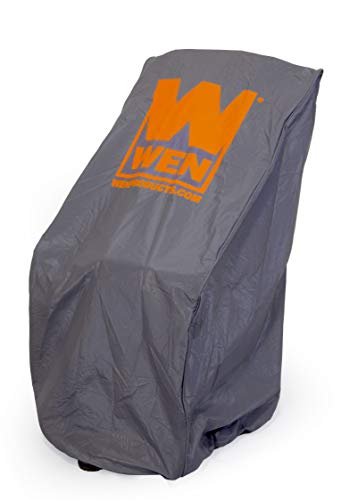
WEN PW31C Universal Weatherproof Pressure Washer Cover
A Closer Look At Each Pick
Short cords tend to bottleneck a real cleaning day, and this 8-footer from EP is built like a permanent utility line. The 12-gauge wire (a thickness that limits voltage drop over distance) uses pure copper conductors, which matters when a pressure washer pulls close to the 15-amp ceiling for long stretches. The 5-15P plug fits any standard household outlet, and the jacket carries an ETL safety listing.
For a homeowner running a washer near a garage outlet or patio receptacle, the length lands in that sweet spot of just enough slack without snaking across a walkway. It also handles any outdoor tool that draws hard, from miter saws to inflators.
A Few Strong Suits
- Pure copper 12-gauge conductors handle full 15-amp draw without the heat sag of lighter cords.
- Vinyl jacket stays flexible from -40°F to +140°F, so winter storage in an unheated shed is realistic.
- ETL listing and reinforced blades add a layer of safety for repeat use.
- Neutral white color blends against siding and trim instead of standing out.
Points To Keep In Mind
- Eight feet is short for jobs where the nearest outlet sits farther from the work zone.
- Owners commonly report that the jacket scuffs at the plug end over time when dragged on concrete.
Key Product Details
Who Will Love This
Homeowners with a pressure washer parked a few feet from an outdoor outlet who want a cord rated for sustained heavy load without a tangle of slack.
Consider Something Else When
Reach for the GREATIDE 15-foot cord when the nearest outlet sits on the far side of a driveway or patio.
The yellow jacket on this EP cord isn’t just for visibility, though that helps when a hose or extension lies across a lawn. The 12-gauge build mirrors the white version above, and an LED indicator at the female end glows when the line is energized. The same 15-amp rating, vinyl jacket, and ETL safety mark apply.
Twilight washing sessions get easier when you can spot a powered cord from across the yard, and the indicator confirms at a glance that the outlet is actually delivering current. The yellow sheathing also resists the kind of careless run-over that scuffs a darker jacket.
The Value In It
- LED end shows power status without walking back to the outlet.
- High-visibility yellow reduces trip hazards in low light.
- Identical 12-gauge copper core to the white EP model, so performance matches.
- Stays flexible across the same wide temperature range as the rest of the EP line.
Trade Offs
- Yellow stands out against neutral siding and may not suit tidy outdoor aesthetics.
- The LED adds a small cost premium over a non-lighted equivalent.
Whose Shelf It Belongs On
Anyone cleaning driveways or siding after sunset who wants confirmation that the tool is actually getting power at the far end of the run.
Skip It When
The white EP 8-foot cord above is the cleaner pick when a low-visibility profile matters more than the LED status light.
GREATIDE’s 15-foot cord sits in a different weight class than the EP pair. The 16-gauge wire is thinner, and the 13-amp rating reflects that: it’s a step down from 12-gauge. Where it wins is reach and versatility, since the extra 7 feet of length opens up jobsites an 8-foot cord can’t reach. The SJTW jacket is rated to the same -40°F to +140°F range, and the cable carries a UL listing for outdoor and indoor use.
Holiday light rigs across a roofline, lawn mowers on the far side of a yard, and weekend pressure-washing sessions all benefit from the added slack. The thicker vinyl jacket stands up to dragging across grass and gravel, and the molded plug sits flush for tight outlet covers.
Standout Benefits
- 15-foot length covers the gap between a garage outlet and a driveway or patio edge.
- All-copper conductors and reinforced blades outlast aluminum-core competitors at the same price.
- Full-molding plug design reduces strain points where cords commonly crack.
- UL listing confirms outdoor and indoor safety standards.
Honest Caveats
- 16-gauge wire is lighter than the EP pair, so heavy-draw tools run closer to the cord’s thermal limit.
- The 13-amp ceiling may feel tight for tools that demand the full 15 amps a circuit can deliver.
Feature Snapshot
Best Suited To
Homeowners with mid-range cleaning and lighting loads who need extra reach more than maximum amperage.
Look Elsewhere When
The EP 8-foot heavy-duty cord is the better match when a pressure washer pulls sustained high current and outlet distance is short.
Yes, an Instant Pot seal ring in a pressure-washer roundup, and yes, it earns its slot. The Instant Pot is a kitchen electric pressure cooker, and the silicone ring that seals its lid is a known weak point over years of use. A two-pack in red and blue gives a home cook one ring for savory dishes and one for sweet, which avoids the lingering curry smell that haunts a single ring used for everything.
Compatibility covers 5-quart and 6-quart Instant Pot models, and the silicone is BPA-free. For a household already leaning on the multi-cooker two or three times a week, fresh rings are a small upgrade that restores a tight seal and shorter cook times.
Points In Its Favor
- Color-coded red and blue rings separate sweet and savory cooking, which prevents flavor crossover.
- BPA-free silicone is a small but appreciated health consideration.
- Replacement rings restore lid seal pressure, which shortens preheat and cook cycles.
Soft Spots
- Doesn’t fit 8-quart or Duo Mini models, so larger households need a different size.
- Silicone absorbs odors over time even with hand washing, and that is partly why the two-pack exists.
Feature Card
Who Should Grab It
Active multi-cooker households running a 5- or 6-quart Instant Pot two or more times a week who want reliable seals and separated flavor rings.
Swap It Out When
Pass on this and look for a single 8-quart ring if your kitchen runs a larger Duo model.
A GFCI plug (ground-fault circuit interrupter) cuts power in milliseconds when it senses current leaking through water or a person, and a pressure washer or pool pump is exactly the kind of tool that benefits from one at the cord end. ELEGRP’s plug self-tests every five seconds, well inside the UL standard that allows up to three hours between checks, and it auto-resets after a fault clears. The 15-amp rating matches standard household circuits.
Older pressure washers and pool pumps wired with a two-prong plug are the natural install, since most modern outdoor circuits already include GFCI protection at the breaker. For tools that sit on a non-GFCI outlet, adding protection at the plug itself is a meaningful safety step.
A Few Highlights
- Five-second self-test interval exceeds UL’s three-hour minimum, catching faults faster.
- Auto-reset returns the tool to operation once a fault clears, so a tripped plug does not require a manual reset.
- UL and CUL listings confirm independent safety certification.
- Two-prong non-grounded design fits older 2-wire appliances that lack a ground pin.
Worth Bearing In Mind
- Wiring installation requires basic comfort with disassembling a plug and matching hot and neutral conductors.
- Two-prong design means this is not a fit for three-prong grounded tools.
Made For
Anyone retrofitting an older pressure washer, pool pump, or hot tub with a cord-end GFCI on a non-GFCI outlet, and who can follow basic wiring diagrams.
Another Choice May Suit
The Sun Joe spray-tip set below is the more useful add when the tool itself is already GFCI-protected and the real gap is cleaning versatility.
Sun Joe’s quick-connect set is a five-tip replacement kit designed specifically for the SPX series, including the popular SPX3000. The tips cover the spread a homeowner actually needs: a 0° pinpoint jet for stubborn stains, 15° and 25° fans for general cleaning, a 40° wide spray for soft surfaces, and a soap nozzle that draws detergent through the unit. The orange, yellow, green, white, and black color coding matches industry standard, so swapping is fast.
Replacing a worn or lost tip restores the tool’s range, and the 0° tip alone handles the kind of caked mud and oil that cheaper nozzles can’t reach. Compared with universal off-brand sets, manufacturer-original tips tend to seat cleanly and resist the wobble that shows up after a season.
Useful Highlights
- Five tips cover the full cleaning spectrum from concentrated jet to broad rinse.
- Manufacturer-original fit reduces the wobble and leak common with third-party tips.
- Color-coded nozzles match the SPX-series standard for quick swaps.
- Soap tip draws detergent through the pressure washer for even application.
Some Limits To Know
- Compatibility is limited to the SPX series, so it is not a universal pressure-washer accessory.
- Plastic tips can wear or clog if debris enters the line, so flushing the wand before swapping is wise.
Core Details
The Right Fit
SPX-series owners who have lost a tip, want a backup set, or need a wider spray range than the original equipment included.
Where A Sibling Pick Shines
The Belkid jet nozzle below is a better match when the cleaning tool is a garden hose, not an electric pressure washer.
The Belkid jet nozzle is the hose-end answer for anyone who doesn’t want to haul out an electric pressure washer for a quick patio rinse. It screws onto a standard garden hose and uses a focused jet to lift dirt at higher pressure than a spray nozzle, without the full commitment of a powered unit. Rinsing patio furniture, washing a car, or blasting mud off a bike all sit inside its range.
For renters, townhouse owners, or anyone with limited storage, the jet nozzle sidesteps the bulk of a real pressure washer. It also doubles as a backup tool for the small jobs where dragging out the SPX3000 feels like overkill.
Notable Upsides
- Screws onto a standard garden hose with no power or extension required.
- Compact enough for an apartment closet or a small garage shelf.
- Reasonable middle ground between a regular nozzle and a full pressure washer.
A Few Limitations
- Hose pressure is lower than an electric pressure washer, so tough oil stains remain out of reach.
- Commonly reported wear on the threaded connection after heavy seasonal use is a typical lifespan note.
Built With In Mind
Renters, apartment dwellers, and homeowners with light cleaning needs who don’t want the storage footprint of a full pressure washer.
Not Your Match When
The Sun Joe SPX3000-TPS tip set makes more sense for an existing SPX-series owner looking to expand cleaning options on a tool they already own.
STA-BIL’s pump protector is the kind of product you don’t think about until spring arrives and the pressure washer leaks from the bottom. The fluid is a lubricant and antifreeze that runs through the pump, leaving a protective film on pistons and seals during storage. The 4-ounce bottle connects to most pressure washer inlets and sprays a white foam through the system, displacing water that would otherwise freeze or corrode internals.
For a homeowner who tucks the washer in a shed or garage between October and April, this short routine at the end of the season prevents the cracked castings and dried seals that show up after a hard winter. The bottle is also small enough to use year-round for routine pump lubrication.
Benefits That Matter
- Protects pistons and seals from corrosion during long storage periods.
- Antifreeze properties prevent freeze damage in unheated sheds and garages.
- Simple connect-and-spray application requires no disassembly.
- White foam output makes it easy to see when the protective coating has spread through the system.
Practical Considerations
- A single 4-ounce bottle is sized for one or two applications, so seasonal users may need to stock up.
- Compatibility varies across pump designs, so checking the tool’s manual before use is wise.
Who It Suits Best
Seasonal pressure washer owners in cold or four-season climates who store equipment in unheated spaces and want a longer pump life.
Reach For A Different Pick When
The WEN cover below is a more direct answer when the storage problem is weather exposure rather than internal pump protection.
WEN’s cover is built around the same idea as a grill cover, applied to a pressure washer. The exterior is a high-grade UV- and water-resistant vinyl that shrugs off rain, sun, and snow, while the inside has a soft cotton lining that keeps the finish from getting scuffed. It was designed for the WEN 3100 PSI model but its dimensions work across a range of mid-size electric pressure washers.
For anyone who stores a pressure washer on a covered patio or in a corner of the garage, the cover keeps dust, pet hair, and stray lawn debris off the unit. Over time, that means fewer cooling-fan clogs and less paint fade on the housing.
Noteworthy Benefits
- UV-resistant vinyl stops the housing paint from fading in direct sun.
- Cotton lining prevents scratches and scuffs on the unit’s body.
- Universal fit accommodates many mid-size electric pressure washers.
- Lightweight and easy to slip on and off between jobs.
Possible Compromises
- Not sized for large gas-powered pressure washers or cart-style units.
- Vinyl can hold moisture at the seams in heavy rain, so airflow matters in long-term outdoor storage.
Core Details
Perfect Match For
Owners of mid-size electric pressure washers who park the unit on a patio or garage corner and want long-term dust and UV protection.
A Better Fit Elsewhere
The STA-BIL pump protector is the smarter pick when the bigger concern is internal freeze damage during winter storage rather than exterior weathering.
What To Weigh Before Picking Pressure Washer Values
A pressure washer is only as useful as the accessories around it, and a few attributes separate a useful buy from a drawer-cluttering one.
Match the cord to the tool’s draw. A 12-gauge cord sustains the full 15 amps a pressure washer pulls, while a 16-gauge cord handles lighter loads over a longer reach. Choosing the wrong gauge shows up as voltage drop (a drop in power delivered to the tool) and a warm plug end under load.
Prioritize safety listings. ETL and UL marks confirm the cord, plug, or accessory was independently tested. A GFCI plug adds protection at the cord end for older outlets that lack ground-fault protection at the breaker.
Think about storage conditions. A pressure washer that lives in a hot garage or an unheated shed needs a pump protector for cold months and a cover for dust and sun. Together they extend pump and housing life without much cost.
Key Considerations Across These Picks
Where Shoppers Go Wrong
The most common slip is buying an extension cord that’s too thin for the tool. A 16-gauge cord on a 15-amp pressure washer runs hot at the plug and shortens tool life, even if the cord is brand new. A second common miss is skipping GFCI protection for older outlets, since the difference between a safe shock and a wet foot in a puddle is a working ground-fault device.
When Paying More Pays Off
The jump from a 16-gauge to a 12-gauge cord costs a bit more upfront but pays back in cooler plugs under load and a longer service life. The same applies to a manufacturer-original tip set versus a generic one: the original fits tighter, leaks less, and lasts longer across a season of use.
Frequently Asked Questions
What gauge extension cord does a pressure washer need? A 12-gauge cord is the safe choice for full 15-amp draw over short runs, while a 14-gauge can handle lighter loads at modest distances.
Do pressure washers need a GFCI outlet? Modern outdoor circuits include GFCI protection at the breaker, but older outlets benefit from a cord-end GFCI plug for water-exposed tools.
How often should pressure washer tips be replaced? Tips last years under normal use, but a clogged or worn nozzle reduces pressure and should be swapped when cleaning performance drops.
Can a pump protector prevent winter damage? Running pump protector through the system before storage displaces water and leaves a lubricating film, which reduces the risk of frozen or dried seals.
Is a cover necessary for an indoor-stored pressure washer? A cover keeps dust and pet hair off the housing and fan, which helps the motor stay cool and the finish stay clean between uses.




