


A reliable router table changes the way your projects come together. It gives you a flat, stable surface to guide stock past a spinning bit, which matters whenever you cut profiles, grooves, or raised panels. Woodworkers who upgrade from a handheld setup quickly notice cleaner edges and more repeatable results, especially on longer workpieces where a freehand router tends to wander. The right table also makes safety easier, since the fence and featherboards keep hands farther from the cutter. Below is a focused roundup of nine options that cover full benchtop platforms, useful accessories, and supporting shop gear. Every pick earns its slot for a specific reason, so the right one depends on how your shop is laid out and what you tend to build.
The Leading Options At A Glance

BOSCH RA1181 Benchtop Router Table

Eapele Router Table Setup Bars (Set of 7)

16-Piece Router Table Setup Bars

Rockler Bench Cookies Plus Grippers 4-Pack

BOSCH RA1171 Cabinet Style Router Table
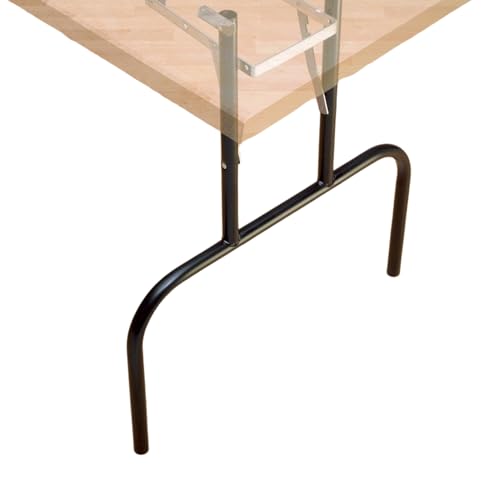
Rockler Folding Table Legs (Set of 2)

BOSCH RA1141 Portable Benchtop Router Table

Rockler Dust Right FlexiPort Hose Kit 3-12 Ft
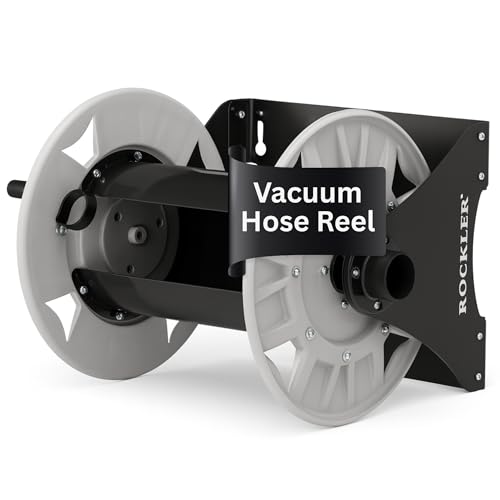
Rockler Wall Mount Vacuum Hose Reel 40 Ft
Why These Options Stand Out
The BOSCH RA1181 sits in that comfortable middle ground many woodworkers end up choosing. Its benchtop footprint fits a one-car garage or a corner of a basement shop without dominating the space, yet the cast-aluminum top and rigid fence give you the stability you need for serious cuts. The included accessory slot accepts standard 3/4-inch featherboards and a miter gauge, so you can dial in workpiece control without hunting for third-party parts.
If you mostly work on cabinet trim, small panels, and decorative edging, this table handles it without fuss. The dedicated 2-1/2 inch dust port keeps chips moving toward a vacuum, and the onboard cord wrap plus accessory pocket make daily cleanup quicker. You will want to bolt it to a stand or workbench, since the lightweight body shifts under heavier pushes.
Notable Upsides
- Aluminum router mounting plate stays flat, which helps cuts stay true run after run.
- Onboard storage pocket keeps wrenches and small accessories within arm’s reach during a session.
- Standard 2-1/2 inch dust port hooks into most shop vacuums without an adapter dance.
- Featherboard-ready accessory slots add a layer of safety when feeding narrow stock past the bit.
Worth Noting
- Light enough to slide around, so plan to clamp or bolt it down before serious cuts.
- Not the largest work surface in its class, so very long boards may need outfeed support.
Made For
Intermediate hobbyists who want a stable, ready-to-run benchtop platform without building a custom table from scratch.
Look Elsewhere When
You need a heavier cabinet-style base and taller fence, in which case the BOSCH RA1171 in slot five is the better fit.
Setup bars sound like a small detail, then you use them once and wonder how you ever set a bit height by eye. The Eapele set ships seven soft aluminum bars covering 1/8 inch through 1/2 inch in 1/16-inch steps, which covers most router bit profiles you will run on a table. The soft metal is intentional, since it will not nick a fresh bit if you nudge a little too hard.
The stepped three-gauge design on each bar means you can check depth from above, below, or from the side, depending on how the bit sits in the collet. Markings on the bars and on the storage case help you sort sizes at a glance. In a small shop you may find yourself reaching for the most-used two bars and letting the others live in the drawer.
A Few Strong Suits
- Soft aluminum construction is gentle on bit tips during depth checks.
- Seven common thicknesses cover the cuts most router table users run day to day.
- Stepped edges on top, bottom, and ends give you three ways to read a measurement.
- Compact case keeps the set from scattering across your shop drawer.
Honest Caveats
- Only seven sizes, so unusual rabbet heights may still need a caliper or shim stack.
- No metric options in the set, which can complicate projects planned in millimeters.
Best Suited To
Woodworkers who regularly adjust bit depth and want a forgiving, low-cost gauge that will not damage cutters.
Consider Something Else When
You need a much wider range of stepped heights and a 1x2x3 block for table saws, in which case the 16-piece set in slot three offers more reach.
The 16-piece VEXTHYX setup block set stretches the idea of a simple gauge bar into a small measurement system. Along with stepped router bars, you get a dedicated 1x2x3 block for table saw blade height, and the stepped increments run in 1/32-inch steps for finer tuning. For repeatable joinery, that finer ladder matters more than most beginners expect.
You will appreciate the 1x2x3 block every time you swap a dado stack or re-set a blade after a blade change. The eight standard router heights included cover the rabbets, dadoes, and groove depths you cut most often. In our view, the main trade-off is bulk: this is a chunkier kit to keep organized, and you will probably store it in a drawer rather than leave it on the bench.
What Earns Its Place
- 1/32-inch stepped increments support finer bit and blade height dialing.
- Dedicated 1x2x3 saw block handles blade changes without borrowing from the router set.
- Sixteen pieces cover more depths than smaller sets, reducing the need to improvise.
Points To Keep In Mind
- Bigger footprint than simpler seven-piece sets, so storage planning matters.
- More pieces to keep track of, so the included organizer case earns its keep.
Right Fit For
Detail-oriented woodworkers who want router and table saw heights set from the same organized kit.
Swap It Out When
You only need a few core bit heights and prefer a slimmer case, in which case the Eapele set in slot two keeps things simpler.
Bench Cookies look like small hockey pucks, then you place a workpiece on them and the whole friction-versus-slip debate goes away. The Plus version uses a grippy high-friction surface that holds panels steady while you route edges, sand, or assemble. Lifting the workpiece off the bench also gives your bit clearance all the way around, which is the whole point on a router table.
Four pieces handle an average panel without a fight, and stacking two gives you extra height for thicker work. The grip surface tends to pick up dust over time, so a quick wipe with a damp cloth after heavy sessions keeps the traction honest. You may find yourself reaching for these for glue-ups too, since they prevent parts from skating on a freshly wiped bench.
The Case For It
- Gripping surface holds panels flat without clamps eating into the work area.
- Raises the workpiece so the bit can travel all four edges without repositioning.
- Stackable design adapts to thicker stock on the fly.
Less Ideal Details
- Only four per pack, so very large panels may need extras on hand.
- Grip surface needs a wipe-down now and then, since dust buildup reduces traction.
Who Will Love This
Anyone routing raised panels, cabinet doors, or sign blanks where clamps would get in the way of the bit path.
Not Your Match When
You need to lift a heavy stationary table to working height, where the Rockler folding legs in slot six make more sense.
The RA1171 takes the benchtop concept and bolts it to a cabinet base, which sounds like a small change but pays off the first time you push a tall piece of stock past the bit. The taller aluminum fence handles work most benchtop fences have to fight, and the rigid mounting plate stays flat under load. The enclosed base also gives you a place to stash wrenches, bits, and a small dust collector.
Two dust collection ports split the airflow between the fence and the cabinet base, which is a real upgrade when you cut MDF or plywood and want to keep the air clear. The laminated MDF top glides stock smoothly, and the cabinet base sits firmly on a shop floor without needing to be bolted down. You will want to plan the footprint, since this one does not fold away.
Useful Touches
- 4-7/8 inch tall aluminum fence handles tall stock without flexing or drift.
- Cabinet base adds storage and keeps the unit planted during heavy cuts.
- Dual dust ports route chips away from the work surface more efficiently.
- 25-1/2 by 15-7/8 inch top gives you room for larger panels than a small benchtop.
Practical Considerations
- Larger and heavier than a pure benchtop, so it demands a permanent spot in the shop.
- Laminated MDF top needs protection from dings, since deep gouges affect cut quality.
Made For
Serious hobbyists and small-shop pros who want cabinet-grade stability and a dedicated router station.
A Better Fit Elsewhere
Shoppers with limited floor space may prefer the slimmer RA1141 in slot seven for a more portable setup.
Once you pick a tabletop, the legs are the part nobody talks about, and yet they decide whether the whole setup is portable or just furniture. The Rockler folding legs are 1-inch diameter steel tubing in a 19-gauge wall, which sounds technical but basically means they hold up to router vibration without twisting. The black finish blends with most shop cabinets and banquet builds.
The fold-flat design matters in small shops, basements, and shared spaces where you need to break down the table between projects. At 29 inches of height with the leg fully extended, they land close to a standard workbench height for comfortable feeding. A common report from owners is that the locking mechanism feels solid once you get the pins seated.
Positive Takeaways
- 19-gauge steel tubing resists the small wobbles that thin legs develop over time.
- Fold-flat profile makes the table easy to stow against a wall or in a closet.
- 24-inch leg width supports longer tabletops without sagging in the middle.
Soft Spots
- Only a pair, so a wide benchtop will need additional support down the center.
- Hardware for attaching to a specific tabletop is not always included, so plan a small fastener run.
Best Suited To
DIYers who want to build a custom router table on a benchtop from the list and need foldable, sturdy legs.
Skip It When
You would rather buy a turnkey cabinet table, in which case the BOSCH RA1171 in slot five is the simpler path.
The RA1141 focuses on the part of routing that frustrates beginners most: getting the router mounted. The Easy Click mounting system clicks routers in and out without leveling shims, which removes a real barrier for anyone new to benchtop routing. Once mounted, the laminated MDF top gives you a smooth, predictable surface to push stock across.
The tall fence handles most trim and small panel work, and dual featherboards add a layer of safety against climb cutting. You will appreciate the lighter weight when you need to clear the bench for another project. Compared to the RA1181 in slot one, this one leans toward portability over maximum stability.
Everyday Wins
- Easy Click router mount removes the leveling dance for first-time users.
- Light enough to relocate around the shop without a second person helping.
- Included featherboards improve safety on narrow or short stock.
- Smooth laminated top reduces friction when pushing long boards across the surface.
Worth Bearing In Mind
- Smaller work surface than the RA1181, so very wide panels will need outfeed support.
- Light body still wants a clamp or non-slip pad under heavy cuts.
Who Should Grab It
Newcomers to router tables who want a quick, frustration-free setup and the ability to move the table around.
Another Choice May Suit
Shoppers chasing a larger work surface and heavier fence should consider the RA1181 in slot one instead.
Dust collection is the unglamorous part of routing, and most shop vacuums ship with a single rigid hose that fights you at every turn. The Rockler FlexiPort kit stretches from 3 to 12 feet and includes four FlexiPorts in common sizes, so it adapts to router tables, sanders, miter saws, and smaller handheld tools. The Click-Connect ends let you snap it onto a tool and back off without twisting stubborn fittings.
The expandable length keeps the hose out of the way when you only need a short reach and stretches out for long crosscuts. In our view, the main value is flexibility: instead of buying a separate hose for every tool, one kit covers most of them. Owners commonly report that the included adapters fit the popular handheld and benchtop tool brands without extra trips to the hardware store.
Everyday Perks
- Four included FlexiPorts cover most common tool dust port sizes.
- Expands from 3 to 12 feet so it works for short bench work and long crosscuts.
- Click-Connect ends speed up tool changes during a busy session.
Possible Compromises
- Expandable hose has more drag than rigid metal ducting, so airflow can dip on long runs.
- Multiple ports mean more joints, so plan a quick check for leaks if suction seems weak.
Right Fit For
Shop owners running several tools off one vacuum who want one hose that adapts as the project changes.
Where A Sibling Pick Shines
If you want a fixed central system with hose management built in, the wall-mount reel in slot nine is the stronger play.
The wall-mount hose reel turns a hose into something closer to a central vacuum line. You pull out as much 1-1/2 inch hose as you need, do the work, and let the auto-rewind (or manual rewind, depending on the model) pull it back out of the way. The steel frame handles the weight of a full 40-foot hose without flexing on the wall mount.
For shops with multiple workstations, mounting the reel near the center cuts the walk to fetch a shop vac down to almost nothing. The reel is comfortable to handle when you do need to drag it across the shop. Compared to the FlexiPort kit in slot eight, this one trades flexibility for tidiness, since the hose lives in one place.
Real Benefits
- Wall mount keeps 40 feet of hose off the floor and out of the way between sessions.
- Steel frame supports the weight of a fully loaded hose without sagging.
- Brings central-vacuum-style convenience to shops that already own a shop vac.
Details To Watch
- Wall installation requires studs or solid blocking, so renters may need a workaround.
- Best paired with 1-1/2 inch hose, so users with 2-1/2 inch systems will need an adapter.
Made For
Shop owners with a fixed workspace who want hose storage built into the wall rather than coiled on the floor.
Reach For A Different Pick When
You need a portable hose that travels between tools and job sites, where the FlexiPort kit in slot eight fits the bill better.
Choosing The Right Router Table Setup For Your Shop
A router table is more than a flat surface, since the fence, mounting plate, and base all shape how the tool feels during a cut. Start with the work you actually do, then match the table to the largest piece you usually push through. A benchtop model works for trim and small panels, while a cabinet base earns its space once you start routing raised panels and heavier hardwoods.
The fence decides how cleanly the bit tracks through your stock. A tall aluminum fence like the one on the RA1171 resists flex when you feed a deep profile, while shorter fences work fine for edge trimming. Look for adjustable face plates, since they let you reduce the gap around the bit and improve chip evacuation.
Compatibility with your existing router matters more than spec sheet bragging. The Easy Click system on the RA1141 is genuinely useful for newcomers, but make sure your router model fits the included mounting plate before you commit. Plates that accept common 3/4 inch accessories also open the door to featherboards, hold-downs, and shop-made jigs later.
Dust collection and shop layout tend to get ignored, then they take over your life once the router starts running. Pairing any table with the FlexiPort kit or the wall-mount reel turns a hazy mess into a manageable workflow. In tight basements and shared garages, that difference is the line between routing often and avoiding the tool altogether.
Key Considerations Across These Picks
Mistakes Worth Dodging
Chasing the largest tabletop often backfires when the table does not fit the shop’s doorways or storage spots. Measure the route from your vehicle into the workspace before ordering, especially for cabinet models. Skipping the dust port setup is the other common miss, since a router throws chips fast and the cleanup drags down enthusiasm for the tool.
What The Higher Tier Buys
A premium cabinet table like the RA1171 costs more because the base adds mass, storage, and a heavier fence that resists flex. Those traits matter most when you push tall stock through deep cuts, where a lighter benchtop can deflect. If you mostly edge-trim small pieces, the upgrade is harder to justify, and a quality benchtop plus solid accessories handles the workload comfortably.
Frequently Asked Questions
What size router table do I need for cabinet doors?
A 25 by 16 inch top, like the one on the BOSCH RA1171, gives you enough room to maneuver raised panel doors without bumping the bit housing. Smaller benchtop models still work but may require outfeed support for larger doors.
Do I need a dedicated dust collector for a router table?
A shop vacuum connected through a 2-1/2 inch port handles most routing tasks cleanly, especially when paired with the FlexiPort kit. Larger cabinet shops often add a central dust collector, but it is not required for hobby use.
Can I mount any router into a benchtop router table?
Most benchtop tables accept a wide range of routers through swappable mounting plates or universal rings. The Easy Click system on the RA1141 simplifies the process, but always confirm your specific router model fits the plate before buying.
What is the difference between a benchtop and a cabinet router table?
A benchtop router table is a lighter portable platform you set on a workbench or folding legs, while a cabinet model has an enclosed base with built-in storage and a heavier stance. Cabinet tables handle tall stock and longer sessions with less vibration.
How often should I replace my router table setup bars?
Soft aluminum bars like the Eapele set rarely wear out, though the engraved markings can fade after years of heavy use. Replacement is more about lost bars than worn ones, so a dedicated case or drawer spot extends their life.




