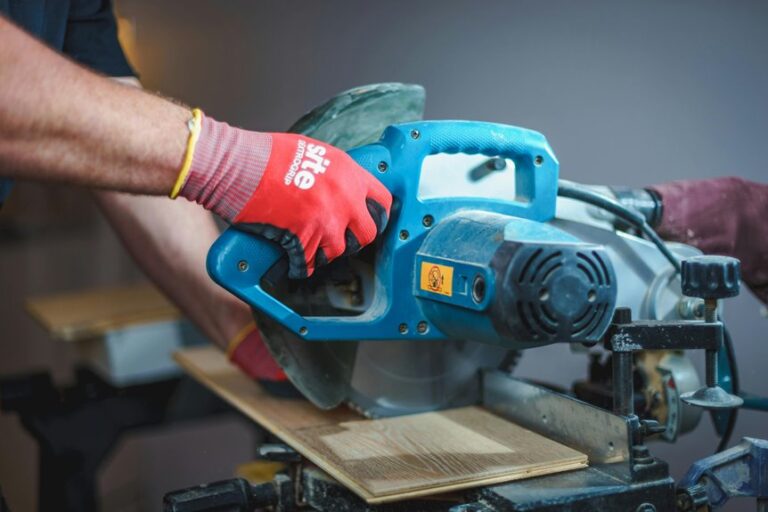
A wet tile saw earns its place on a job site the moment you push a 24-inch porcelain plank through and walk away with crisp, chip-free edges. The right one also trims a backsplash, snips a tub surround, and survives the back of a work van for years. The list below mixes full-size wet saws for heavy production work with diamond hole-saw kits for plumbing and electrical cuts, so the picks cover the kind of tile cutting a real renovation demands.
An Overview Of The Picks
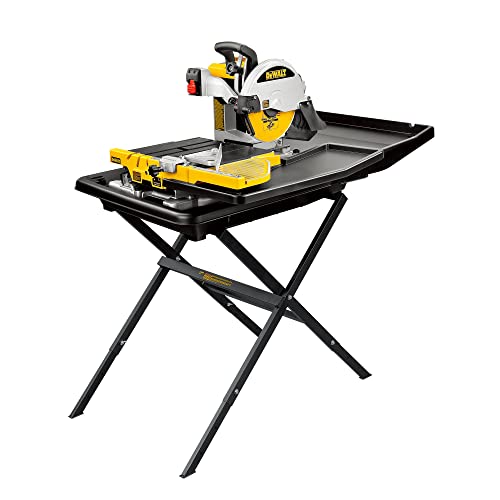
DEWALT Wet Tile Saw with Stand 10-Inch (D24000S)

DEWALT Wet Tile Saw with Stand 10-Inch 15-Amp (D36000S)

FACHLICH Diamond Tile Hole Saw Kit (6-127mm)

FACHLICH Diamond Tile Hole Saw Kit (6-100mm)

FACHLISH Diamond Tile Hole Saw Kit 5/8″-11 Thread

FOCSTOL Diamond Core Drill Bit Set 11pcs

FOCSTOL Diamond Core Drill Bit Set 12pcs

FOCSTOL Diamond Drill Bits Set 10pcs 3/16″-3/8″

FOCSTOL Dry Diamond Drill Bits Set 5pcs
The Details Behind The Selections
The D24000S has been on more pro trucks than almost any other 10-inch wet saw, and it shows. The integrated stand rolls out, locks in, and puts the cutting head at a comfortable working height, so you stop hunching over a folding table every time a backsplash job comes through the door.
Power comes from a 1.5 peak horsepower motor on a 120V corded circuit, paired with a 10-inch diamond blade and a submersible pump that keeps the water pan flooded. Side and rear water trays catch overspray, which is the kind of small detail that makes cleanup in a client’s living room less painful. For crews cutting ceramic, porcelain, and stone day in and day out, the honest read is that this saw still earns its reputation.
What Earns Its Place
- Integrated rolling stand saves setup time on every job
- 1.5 peak HP motor handles dense porcelain without bogging
- Submersible pump keeps the blade cool through long rip cuts
- Side extension on the cutting cart supports oversized tile
- DEWALT’s parts ecosystem means replacement pans and pumps are easy to source
Things To Consider
- At roughly 69 lbs with the stand, it’s a two-person lift into a van
- The water pan needs draining and cleaning after each workday to prevent slurry buildup
Key Specs
Who It Suits Best
Tile contractors and remodelers running daily production cuts on residential and light commercial jobs.
Where Another Pick Suits Better
The DEWALT D36000S below makes more sense if you regularly handle 36-inch format tile that needs extra rip and crosscut reach.
Step up from the D24000S and the cutting envelope grows. The D36000S is a 10-inch high-capacity wet saw aimed squarely at installers wrestling with 36-inch porcelain slabs and long plank tile. The 15-amp motor delivers 1,220 MWO, which is the kind of figure that matters when you feed a dense panel through at production speed.
Where the older D24000S handles standard residential tile, this one pushes the table further left of the blade, which is exactly what you need to rip a 36 x 36 panel cleanly in half. The stand is built into the system, and the water management covers a wider cutting cart. For specialty tile shops and high-end remodel crews, the upgrade over the D24000S is the working room around the blade.
Strong Points
- 37-inch rip capacity handles 36-inch format tile
- 18 inches of cutting clearance to the left of the blade
- 8-1/2 inch crosscut suits 6-inch sill work and 8 x 48 plank cuts
- 15-amp motor rated at 1,220 MWO for sustained heavy cutting
Trade Offs
- Footprint is larger than a standard 10-inch saw, so plan van space accordingly
- Premium positioning means the cost gap over the D24000S is real
- Owners commonly report the water pan needs full removal for a proper slurry rinse
The Right Fit
Installers and tile shops that regularly cut large-format panels, full-height slab shower walls, and oversized porcelain.
Consider Something Else When
The DEWALT D24000S above is a more sensible choice for crews who stick to standard 12 to 24-inch tile and don’t need the extra reach.
FACHLICH’s 13-piece kit covers the awkward middle ground between a single hole saw and a full plumber’s arsenal. With eight core bit sizes ranging from 6mm up to 125mm, plus a finger bit, a chamfer bit, an adapter, and a 4.5-inch diamond blade, this set aims at the renovation that needs a 2-inch shower valve hole, a smaller faucet cutout, and a few anchor holes all in the same visit.
The 5/8″-11 thread on the cores means they mount to a standard angle grinder, which is a real advantage on a ladder or in a tight vanity where a drill press won’t fit. Dry drilling is the design intent, so you can work without hauling a water feed. Compared to the DEWALT wet saws above, this is a different tool category entirely. It’s for the holes the saw can’t make, and it earns its keep the moment a shower valve goes in.
What Makes Sense
- Broad diameter range from 6mm to 125mm covers most plumbing and electrical cuts
- 5/8″-11 thread fits common angle grinders
- Includes a finger bit for tight-radius cutouts and a chamfer bit for edge bevels
Points To Note
- Dry drilling generates heat, so users commonly clear dust frequently to extend bit life
- Storage case quality tends to be basic, so loose bits wander in a tool bag
Made For
Tile installers and bathroom remodelers who drill shower valves, faucet holes, and drain cutouts on porcelain and ceramic.
Look Elsewhere When
The FOCSTOL 5-piece below is a more useful starter if you only need a handful of small-diameter holes for anchors and supply lines.
The 6-100mm FACHLICH kit trims the largest bits from the previous set and adds a bit of size overlap in the smaller range, so you end up with nine core bits in the 6 to 100mm spread. That middle-of-the-road range lines up with most residential tile work, where a 35mm hole for a shower head, a 50mm cutout for a mixing valve, and a 100mm drain hole are the daily mix.
The included SDS shank adapter and 4.5-inch diamond saw blade round out the package for the occasional straight cut, while the finger and chamfer bits handle the finishing work around plumbing penetrations. The trade-off against the larger 6-127mm kit is giving up the 125mm core, which you’ll only miss on jobs with oversized linear drains or specialty fixtures.
Positive Takeaways
- Core sizes from 6mm to 100mm cover standard bath and kitchen plumbing
- SDS shank adapter is a welcome inclusion for rotary hammer users
- 5/8″-11 thread on the cores fits common angle grinders
Some Limits To Know
- No 125mm core, so oversized linear drains require a separate bit
- Dry-use design means working in short bursts to keep the diamonds cool
Best Suited To
Remodelers handling typical shower, tub, and vanity plumbing holes on porcelain or ceramic tile.
Skip It When
The FACHLICH 6-127mm kit above is the better match if you regularly cut 100mm-plus openings for large drains or specialty fixtures.
This is the most expanded kit in the FACHLICH lineup, and it shows. Ten core bits span 6mm through 125mm, including a useful duplicate 6mm for the high-wear small sizes that get cooked through first. The HEX shank adapter and 4.5-inch diamond saw blade slot in alongside the finger and chamfer bits for a complete hole-cutting and finishing package.
The 5/8″-11 thread keeps the cores compatible with a standard angle grinder, which is the most common tool on a tile site. A 13-piece set like this is a working inventory: enough sizes that you almost never need to scramble for a rental bit mid-job. The honest read is that the extra pieces pay for themselves once you stop driving back to the shop for the one missing diameter.
Reasons It Performs
- Ten core sizes from 6mm to 125mm cover drain, valve, and supply cuts
- Duplicate 6mm core extends kit life on the most-used small bit
- HEX shank adapter and diamond saw blade add straight-cut capability
Honest Caveats
- Larger bit count means more to track, label, and store on the truck
- Without water feed, the smaller bits can glaze over if pushed too long without rest
Key Specs
Who Will Love This
Full-time tile pros and remodelers who handle varied plumbing layouts across multiple rooms without wanting to rent specialty bits.
Swap It Out When
The FOCSTOL 12-piece set below is a smarter pick if you’d rather have a carbide pilot bit and fewer core sizes in the kit.
FOCSTOL’s 11-piece set strips the kit down to what most homeowners and small-job tile setters actually use. Seven core bits span 6mm through 65mm, which covers the bulk of faucet, valve, and supply line work, while a 10mm finger milling bit and 50mm chamfer bit handle the openings and edge work that go around those holes.
A hex adapter and a 4.5-inch diamond saw blade round out the package for the rare straight cut. The trade-off against the larger FACHLICH sets above is giving up the 75, 100, and 125mm cores, so anyone installing oversized linear drains or custom shower systems will outgrow this kit. For a single bathroom or backsplash, it’s a leaner way to get started.
What Helps Most
- Seven core sizes from 6mm to 65mm handle typical bath plumbing
- 10mm finger milling bit works well for tight-radius cutouts
- Wet or dry use on porcelain, ceramic, marble, and granite
Points To Note
- No cores above 65mm, so larger drain work needs a separate purchase
- Users commonly report that bit life improves noticeably with light water feed
Key Specs
Perfect Match For
DIY remodelers and small-job tile setters who mostly drill standard plumbing holes on a single bathroom or kitchen.
Not Your Match When
The FOCSTOL 12-piece set below is a better fit if you want a carbide pilot bit for cleaner starter holes and a slightly broader size range.
The 12-piece FOCSTOL set is the one most first-time users should look at first. Nine core bits run from 6mm to 100mm, covering everything from a 6mm anchor hole to a 100mm drain opening. The standout addition is a 6mm carbide pilot drill, which gives a much cleaner starting point on glazed porcelain than a diamond bit alone.
A 20mm finger milling bit and 50mm chamfer bit handle the openings and finishing details. Triangle shanks on the core bits are a small spec detail, but they tend to seat more securely in some chucks than round or hex. The kit works on porcelain, ceramic, marble, and granite, and the broad size range means it’s harder to outgrow within a year of bathroom and kitchen work.
Where It Excels
- Nine core sizes from 6mm to 100mm cover plumbing and drain holes
- 6mm carbide pilot bit starts holes cleanly on hard porcelain
- 20mm finger milling bit handles tight-radius cutouts
Worth Bearing In Mind
- Triangle shank chucks are less common than hex on some DIY drills
- Larger bits feel the heat on extended dry runs, so water helps
Built With In Mind
DIYers and renovators who want a single kit that handles plumbing, drains, and detail work on porcelain without a learning curve.
Another Choice May Suit
The FACHLICH 6-127mm kit above is the better pick if you need a 125mm core for oversized drains and want a finger bit for specialty cutouts.
This FOCSTOL set focuses on the small end of tile drilling, where most standard core kits are overkill. Eight diamond bits cover 3/16 inch (5mm) through 3/8 inch (10mm), and two PH2 bits are included for the start holes. The quick-change 1/4-inch hex shank drops into any standard drill driver or impact driver, so bit swaps are fast.
For mounting towel bars, shower door anchors, grab bars, and soap dishes on tiled walls, the 5 to 10mm range is the right size. Dry drilling works, but a quick dip in water before each hole extends the diamond life noticeably. The set is also a smart add-on to one of the larger FACHLICH or FOCSTOL core kits above, since the small bits in those sets tend to wear out first.
The Upside
- Quick-change 1/4-inch hex shank speeds up bit swaps on the wall
- Eight bit sizes from 5mm to 10mm cover most tile anchor needs
- Includes PH2 bits for starting pilot holes cleanly
Possible Compromises
- Limited to small-diameter holes, so plumbing work needs a separate kit
- Owners commonly pre-dip bits in water to keep the diamonds from glazing over
Key Specs
Right Fit For
Homeowners and installers mounting towel bars, shower doors, grab bars, and other accessories on existing tile.
Where A Sibling Pick Shines
The FOCSTOL 5-piece set below is a more affordable alternative if you only need a few small sizes for occasional anchor work.
The 5-piece FOCSTOL set is the smallest kit on this list, and that’s the point. Five bits cover 6mm, 8mm, 10mm, and 12mm, with one duplicate 6mm, all on a 6.35mm hex shank that fits common quick-change chucks. The 8mm diamond grit height and 65mm total length land these in the shallow, fast-cut category rather than deep-coring.
For the homeowner who needs to hang a few towel bars or drill a supply line hole once a year, this set is more practical than a 13-piece pro kit. The trade-off is reach: these bits aren’t built for plumbing valves or large drains, so the buyer profile is a clear one. Pair it with a wet saw from the top of this list for a basic but capable tile cutting setup.
What Stands Out
- Five bits cover the most common small-diameter anchor holes
- Quick-change 6.35mm hex shank fits most drill drivers
- Compact set is easy to keep in a small toolbox or drawer
Where It Is Less Suited
- Not designed for plumbing valves or drain holes above 12mm
- Short total length limits reach through thicker tile or stone
Whose Shelf It Belongs On
Homeowners who only need to drill a handful of small holes in tile each year and want a low-cost, low-fuss starter set.
Reach For A Different Pick When
The FOCSTOL 10-piece set above is a smarter buy if you want broader size coverage and the option to drill into thicker material.
Picking The Right Tile Saw Setup For Your Work
The first question is really about scope. A full 10-inch wet saw earns its floor space the day you cut 24-inch porcelain plank, but it’s overkill for a weekend backsplash with five cuts. A wet saw with a stand also demands a power outlet, water access, and roughly 30 inches of clearance on a flat surface, which a small condo balcony can’t offer. Match the tool to the largest single tile you’ll cut, not the average.
Motor power, expressed in peak horsepower or maximum watt output, is the next honest filter. Dense porcelain and stone soak up torque, and a 1.5 HP motor will push through without bogging, while a weaker motor stalls and burns out the brushes. For typical ceramic and mosaic work, 1 HP is plenty. Above that, the upgrade shows up in how confidently the saw handles the first inch of a thick cut, not in how fast it spins.
Bit and blade format shapes the rest. A 10-inch diamond blade is the standard for wet saws, and replacement blades are easy to find at any tile supplier. Hole saw kits vary more, since the thread type determines what drill or grinder they fit. A 5/8″-11 thread is the most common for angle grinder use, while hex shanks fit standard drill drivers. Buying a kit with a thread that matches the tool you already own saves an adapter headache on day one.
Finally, think about cleanup and storage. Wet saws flood the work area, and a submersible pump plus a removable water pan makes end-of-job cleanup bearable. Dry-use diamond hole saws avoid the water mess entirely but require regular bit clearing to keep the diamonds sharp. For pros, a well-draining pan and a case that fits under the saw stand tend to decide which model ends up on the truck long-term.
What To Watch Before You Buy
Pitfalls Shoppers Hit
The most common mistake is buying a wet saw for a one-room job and never using it again. A wet saw is a real piece of equipment, and it deserves a real work area. Shoppers in apartments or small homes often do better with a compact diamond hole saw kit for plumbing cuts and a manual snap cutter for straight tile edges, which is lighter and quieter. A wet saw is the upgrade you make once the project list grows.
Another trap is matching bits to the wrong tool. A 5/8″-11 thread won’t fit a standard drill chuck, and a 1/4-inch hex shank will rattle around in an angle grinder’s large collet. Owners commonly find their new bits don’t match anything in the toolbox, and the frustration usually surfaces halfway through the first hole. Check the shank or thread on the kit against the tools you already own before you commit.
Where The Extra Money Goes
The price gap between a basic wet saw and a 10-inch high-capacity model like the D36000S comes down to two things: cutting envelope and motor headroom. Larger rip and crosscut capacity means the saw can handle 36-inch format tile without scoring and snapping, which is a workflow saver on a full kitchen floor. A stronger motor keeps the blade speed up through dense stone, which is what stops chipping on porcelain edges.
On the hole saw side, the upgrade shows up in bit life, adapter quality, and case construction. Cheaper kits ship with thin cases that crack in a work van, and the bits tend to ship with rougher diamond grits that glaze over faster. A slightly more expensive kit with a solid case and cleaner brazing tends to last through more jobs, which is the real economy in this category.