


Concrete and masonry punish the wrong blade fast, so picking the right one for your saw changes everything from cut speed to how long a set actually lasts. Contractors chasing cured slabs, homeowners opening up a basement wall, and remodelers trimming aerated block all need different teeth, thicknesses, and geometries. The picks below cover the main scenarios: heavy demolition, general-purpose cutting, and circular-style diamond work on bigger saws.
The Lineup, Simplified

Milwaukee Sawzall Reciprocating Saw Blade Set 12 Pc

DEWALT Bi-Metal Reciprocating Saw Blade Set 12 Pc

DEWALT Bi-Metal Combination Set 10 Pc with Case

ORIXTREME 12 Inch Diamond Concrete Saw Blade

ORIXTREME 14 Inch Diamond Concrete Saw Blade
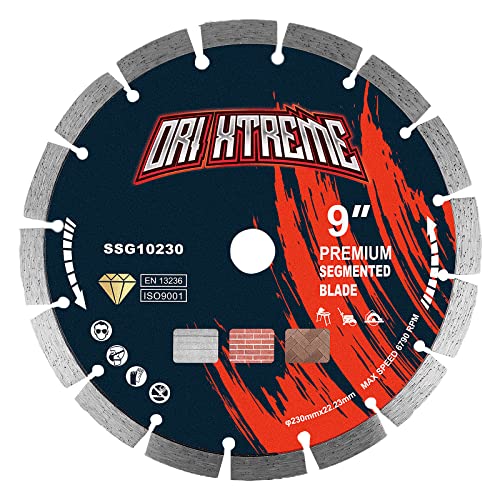
ORIXTREME 9 Inch Diamond Segmented Blade

ORIXTREME 10 Inch Diamond Segmented Blade

ORIXTREME 12 Inch Diamond Segmented Blade

FACHLICH 12 Inch Carbide Masonry Blades 2-Pack
A Closer Look At Each Pick
When a job calls for serious reciprocating power against stubborn materials, the Milwaukee Sawzall 12-piece set is the kind of bundle tradespeople keep coming back to. The thick body options, at 0.042-inch and 0.062-inch, give you the rigidity needed to push through embedded nails, old pipe, and other surprises hiding in demo walls. The 1-inch blade height adds a useful margin of stiffness so the cut tracks straight instead of wandering under load.
For contractors running a Sawzall day in and day out, this set covers the core cutting patterns without forcing a trip back to the truck for a different blade. It also works as a backup kit for homeowners tackling bigger teardown projects, since the heavier profiles handle tasks a standard wood blade would fold under. In our view, the value shows up most on jobs where blade changes eat into your hourly pace.
The Good Stuff
- Thick 0.042 and 0.062-inch bodies handle heavy demolition without flexing
- 1-inch height improves tracking and resists bending in tough cuts
- Twelve-piece count covers common TPI (teeth per inch) and length needs
- Wide profile fits tight spaces where straighter cuts are hard to maintain
- Pairs naturally with most corded and cordless Sawzall-class saws
Things To Consider
- Thick geometry cuts slower in thin metal than finer-toothed options
- No dedicated masonry or carbide variant, so true concrete work calls for a different blade
- Heavier profile adds noticeable vibration on long cuts
Feature Snapshot
Who It Suits Best
Contractors and serious DIYers running a Sawzall on demolition jobs where blade rigidity matters more than finesse.
Where Another Pick Suits Better
For pure concrete and masonry, the FACHLICH 12 Inch Carbide Masonry Blades handle material this set was not designed to chew through.
Bi-metal construction, which fuses two steel alloys so the teeth stay hard while the body stays flexible, is the backbone of the DEWALT DW4892 set, and it pays off in the kind of metal and mixed-material cutting you face on plumbing, electrical, and demo jobs. The tall, thick profile gives the blade the kind of backbone needed for straight cuts through heavy stock, and the tooth geometry aims to clear chips efficiently so heat does not cook the edge.
Compared with the Milwaukee set covered above, this DEWALT bundle leans harder into durability over raw brute thickness, so it tends to outlast thinner blades in production cutting. For shop owners, the included storage case is a real perk because it keeps the set organized and ready to grab between calls. In most shops, you may find this becomes the default blade pulled for any “mystery metal” situation.
What Earns Its Place
- Bi-metal body balances flexibility with edge retention
- Tall, thick profile holds straight cuts under heavy load
- Patented tooth geometry aims to clear chips and extend life
- Storage case protects the set during transport between sites
Worth Noting
- Optimized for metal rather than masonry, so concrete cutting is off the table
- Thicker profile feels stiffer in tight, curved cuts
- Heavier body adds a touch of fatigue during extended overhead work
Made For
Tradespeople who need a long-lasting metal-cutting set for daily production work in plumbing, electrical, and demo applications.
Consider Something Else When
Step over to the ORIXTREME 12 Inch Diamond Concrete Saw Blade for clean cuts on cured slabs and block.
The DW4898 leans into versatility with lengths from 6 to 9 inches, so it covers everything from reach cuts in tight cavities to flush work where a stubby blade is the only option that fits. Bi-metal construction delivers the flex you need for curved cuts while keeping the cutting edge sharp across varied materials, which is why this kind of set tends to live in the truck long after cheaper bundles wear out.
Where the Milwaukee Sawzall set focuses on heavy demolition, this DEWALT kit is more of a daily-driver assortment. The included case is designed to slot into a standard kit box, which removes a common frustration for people who already own a stack of DEWALT storage. In our view, this is the set most weekend remodelers and field techs should reach for first.
What Stands Out
- Length range from 6 to 9 inches handles both reach and flush work
- Bi-metal teeth stay sharp across wood, metal, and mixed demo
- Case profile fits standard DEWALT kit boxes for clean transport
- Selection covers the most common TPI choices in one bundle
Trade Offs
- Ten-piece count means fewer specialty blades than larger sets
- Not a substitute for carbide or diamond blades in masonry
- Bi-metal teeth cut slower than carbide in abrasive materials
Quick Facts
Best Suited To
Remodelers and homeowners who cut a mix of wood, metal, and old framing and want one set to cover the bases.
A Better Fit Elsewhere
For full masonry work, the ORIXTREME 10 Inch Diamond Segmented Blade is the right tool for the job.
Diamond blades live in a different universe from the bi-metal sets above, and the ORIXTREME 12-inch model is the kind of general-purpose workhorse that earns a spot on a saw cart. The 10mm segment height gives the rim enough diamond depth to keep cutting through multiple linear feet of concrete, block, and brick before wearing down. Segment slots in the rim help move dust and air across the cut, which keeps the blade cooler during longer passes.
The 25.4mm arbor with a 20mm bushing means it mounts to most handheld saws and many lightweight walk-behinds, so one blade covers several tools in the shop. For crews doing occasional slab cuts, paver trimming, or block work, this is a sensible middle size that handles both speed and depth. You may find it becomes the default concrete blade for most general cutting around the yard or jobsite.
Everyday Wins
- 10mm segment height balances cut life with cost for general work
- Slot pattern keeps the rim cooler during longer cuts
- 25.4mm arbor plus 20mm bushing fits a wide range of saws
- General-purpose bond handles concrete, masonry, block, brick, and pavers
Honest Caveats
- Wet cutting is generally recommended for long life, which adds setup time
- Segmented rim leaves a rougher edge than a continuous-rim blade
Spec Overview
Whose Shelf It Belongs On
General contractors and serious DIYers who want one diamond blade for the occasional slab, paver, or block cut.
Skip It When
Reach for the ORIXTREME 14 Inch Diamond Concrete Saw Blade for deeper cuts on cured slabs.
When the cut goes deeper than a 12-inch blade can reach, the 14-inch ORIXTREME picks up the slack with a 15mm segment height that adds a meaningful bump in cutting life. The taller segment means more diamond depth before you hit the core, which is exactly what you want on cured concrete and other abrasive materials that grind through ordinary rims. It is the same general-purpose formula as the 12-inch version, just scaled up for tougher work.
The arbor and bushing combination matches the smaller model, so the same handheld saws and walk-behinds that accept the 12-inch will accept this one. For crews running cuts across old driveways, footings, or thick masonry walls, the extra diameter and segment height translate into fewer blade swaps. In our view, this is the right size for sites where one cut depth covers most of the work.
Standout Benefits
- 15mm segment height extends blade life on abrasive materials
- 14-inch diameter handles deeper cuts in slabs and walls
- Cooling slot design helps with heat and dust during long passes
- General-purpose bond covers cured concrete, brick, block, and paver
- Same arbor and bushing setup as the 12-inch for tool compatibility
Points To Keep In Mind
- Larger diameter needs a saw with enough power and clearance to run safely
- Heavier rim adds user fatigue during overhead or vertical cuts
Feature Card
Who Will Love This
Concrete crews and remodelers running repeated deep cuts on cured slabs, driveways, and thick masonry.
Look Elsewhere When
Drop to the ORIXTREME 9 Inch Diamond Segmented Blade for smaller saws and lighter detail work.
Not every concrete cut needs a 14-inch monster, and the ORIXTREME 9-inch segmented blade fills the smaller end of the lineup without dropping the segment quality. The 12mm segment height and a 0.090-inch rim thickness give the blade enough backbone for clean cuts on pavers, block, and thinner concrete work. The vent-style slot pattern moves air, dust, and slurry out of the cut, which keeps the rim from glazing over during extended runs.
The 7/8-inch arbor with a 5/8-inch bushing makes it a natural fit for common handheld saws, which is where most homeowner and light-trade work happens. Compared with the 12-inch Diamond Concrete Saw Blade above, this one trades depth for control, and that is a real win in tight spaces or on detail cuts. For most backyard paver projects and small masonry repairs, this is the size that gets pulled first.
Notable Upsides
- 9-inch size fits smaller handheld saws comfortably
- 12mm segment height supports a reasonable service life
- Slot pattern aids airflow and dust clearing during cuts
- Dual arbor sizing adds tool compatibility
Small Caveats
- Limited cutting depth compared to 12- and 14-inch blades
- Smaller rim can flex if forced through thick cured concrete
At A Glance
Perfect Match For
Homeowners and remodelers running handheld saws on pavers, thin block, and small concrete repair jobs.
Another Choice May Suit
For heavier site work, the ORIXTREME 12 Inch Diamond Segmented Blade offers more depth and a thicker plate.
Slotting between the 9- and 12-inch models, the ORIXTREME 10-inch segmented blade hits a sweet spot for general masonry and paver work. The 10mm segment height is enough to deliver useful life on concrete, block, and brick without inflating the cost the way larger rims do. Like the rest of the segmented family, the rim slots help clear dust and slurry, which keeps the cut moving and reduces heat soak.
The same 7/8-inch arbor with 5/8-inch bushing keeps the blade friendly with a wide range of handheld saws, so no special tooling is needed. This is the kind of size that lands well on a paver patio, a small slab repair, or a wall demo where you want enough reach without the bulk. In our view, this is the most “default” choice for homeowners moving up from a 9-inch and not yet needing a 12.
A Few Highlights
- 10-inch diameter covers most paver and block depths
- 10mm segment height gives balanced life and cost
- Slot pattern supports cooler, faster cutting
- Standard arbor setup fits the most common saws
Points To Note
- Won’t reach the depth of 12- or 14-inch blades for thick slabs
- Wet cutting is generally preferred for longest service life
Right Fit For
DIYers and small-job contractors handling pavers, patios, and mid-depth block work on a handheld saw.
Reach For A Different Pick When
The ORIXTREME 14 Inch Diamond Concrete Saw Blade handles deeper cuts on cured concrete where more reach is required.
This 12-inch segmented blade is the heavier sibling to the 10-inch model, and the 0.125-inch rim thickness gives it the kind of stiffness needed for demanding site cuts. The 13mm segment height delivers a useful bump in service life, so fewer blade swaps during a long day of cutting concrete, block, or pavers. The same slot pattern found on the other ORIXTREME rims keeps air and dust moving through the cut.
For outdoor work, the wider plate and taller segment handle the kind of rough, abrasive material that chews through thinner blades. The 1-inch arbor with a 20mm bushing widens compatibility beyond the smaller models, so this rim can step onto heavier handheld saws and certain walk-behinds. Compared with the ORIXTREME 12 Inch Diamond Concrete Saw Blade covered earlier, this version trades some bond refinement for raw durability, which is the right call on the ground.
Key Advantages
- 0.125-inch plate resists flexing on tough site cuts
- 13mm segment height extends life on abrasive materials
- 1-inch arbor with 20mm bushing fits larger handheld saws
- Slot design supports cooler cuts during long runs
Areas To Watch
- Thicker plate is harder to control for fine detail cuts
- Requires a saw with enough power to drive the wider rim
Who Should Grab It
Site crews and frequent-use operators cutting through abrasive concrete, block, and paver work on a regular basis.
Swap It Out When
The DEWALT Bi-Metal Combination Set 10 Pc is a better fit for mixed wood and metal tasks rather than pure masonry.
Carbide reciprocating blades are a different animal from diamond rims, and the FACHLICH 12-inch set uses carbide teeth, which are heat-treated metal cutting tips that stay sharper longer than standard bi-metal, to chew through softer masonry like aerated concrete, hollow brick, sand-lime brick, fiber cement, and gypsum board. The 2TPI (two teeth per inch) geometry is aggressive, so the blade removes material quickly on materials that would gum up a finer tooth pattern.
For remodelers opening up walls or trimming aerated block, this is a useful specialty option that lives alongside a diamond blade rather than replacing one. The 2-pack format means you have a spare ready when the first blade finally dulls, which on dense, dirty masonry tends to happen fast. For most masonry walls in residential work, this is the kind of blade that earns its keep on the second or third job.
A Favorable Mix
- Carbide teeth handle aerated concrete, hollow brick, and fiber cement
- Aggressive 2TPI geometry moves material quickly on soft masonry
- 2-pack format gives a spare blade ready for the next job
Factors To Consider
- Not designed for natural stone, hard rock, or metal-reinforced concrete
- Aggressive cut leaves a rougher finish than finer-toothed blades
- Carbide tips can chip if the blade is twisted in the cut
Built With In Mind
Remodelers cutting aerated concrete, hollow brick, and other soft masonry in wall openings and remodels.
Not Your Match When
The ORIXTREME 12 Inch Diamond Concrete Saw Blade is the right call for cured concrete and dense block work.
What To Weigh Before Choosing Reciprocating Saw Blades For Concrete
Tooth design drives the cut more than the brand name, so start by matching the blade geometry to the material. Carbide teeth suit softer masonry like aerated concrete and hollow brick, while diamond segments are the right answer for cured slabs, block, and paver work. Bi-metal sets, like the Milwaukee and DEWALT bundles above, handle metal and mixed demo, but they are not a real substitute for true masonry blades on dense stone.
Blade thickness and height shape how the cut feels in your hand. Thicker 0.062-inch bodies track straighter under load, while 1-inch tall profiles resist bending on heavy cuts. For shallow paver or trim work, thinner and shorter blades are easier to control, and for deep slab cuts, a 12- or 14-inch diameter is the only way to reach through the material in one pass.
Arbor and shank compatibility determines whether the blade actually fits your saw. Most handheld concrete saws use a 7/8-inch or 1-inch arbor, often with a bushing to step down to 5/8-inch or 20mm. Check the spec sheet before ordering, and remember that reciprocating saws (Sawzall class) use a 1/2-inch shank, not an arbor, so blade type must match the tool on the bench.
Key Considerations Across These Picks
Pitfalls Shoppers Hit
The most common mistake is reaching for a bi-metal blade on cured concrete and expecting it to last. Bi-metal teeth round off fast on abrasive material, and a worn blade then scorches the cut and overheats the saw. Match the blade family to the material: carbide for soft masonry, diamond for cured stone, and bi-metal for wood and metal.
Another trap is buying by diameter alone. A 14-inch blade on a saw that lacks the power or RPM (revolutions per minute) to drive it just stalls and burns the rim. Always confirm that your saw’s rating matches the blade’s intended speed range, and use the bushing that fits your arbor instead of forcing a mismatch.
Where The Extra Money Goes
Higher-tier blades earn their cost through segment height, bond quality, and tooth geometry. A 15mm segment on a 14-inch diamond blade outlasts a 10mm segment on the same diameter, which means fewer blade changes and cleaner cuts over a long day. Premium carbide teeth stay sharp through more linear feet than economy carbide, and the savings show up in labor time, not just blade cost.
For most occasional users, a mid-tier general-purpose diamond blade is plenty, and the upgrade to a taller-segment or thicker-plate model is worth the spend for frequent site work. The honest read is that paying more pays off when the blade is used hard, while a budget blade handles the occasional paver repair without complaint.
Frequently Asked Questions
Can reciprocating saw blades actually cut concrete?
Standard bi-metal reciprocating blades are not designed for cured concrete, and they round off quickly. Carbide-tooth reciprocating blades can handle softer masonry like aerated concrete and hollow brick. For cured slabs, block, and pavers, a diamond blade on a handheld or walk-behind saw is the right tool.
What is the difference between carbide and diamond blades for concrete?
Carbide blades use heat-treated metal cutting teeth and work well on softer, less abrasive masonry. Diamond blades use industrial diamond segments bonded to a steel rim and are the correct choice for cured concrete, dense block, and pavers. Match the blade to the material hardness to get a clean cut and a reasonable service life.
How do I know what arbor size I need?
Check the spec plate on your saw for the arbor diameter, which is the center hole the blade mounts on. Most handheld concrete saws use 7/8-inch or 1-inch arbors, and many blades ship with a reducing bushing to fit a smaller arbor. Confirm both the diameter and the bushing before ordering to avoid a return.
How long should a diamond concrete blade last?
Service life depends on material hardness, cut depth, wet versus dry use, and how much pressure you apply. A general-purpose diamond blade on cured concrete can wear through quickly under heavy pressure, while the same blade on block or paver can last through many cuts. Let the blade do the work, use water when the saw supports it, and replace the blade when cut speed drops noticeably.
Are segmented or continuous-rim diamond blades better for concrete?
Segmented rims cut faster and clear debris well, which suits general concrete, block, and paver work. Continuous rims produce a cleaner edge but cut slower and are more common on tile and stone. For most concrete cutting, a segmented rim is the practical default.




