


A dull or mismatched blade turns a quick wood cut into a slow, splintered mess. The right reciprocating saw blade makes the difference between slicing through a 2×4 in seconds and burning through three blades on the same job. Picking one means balancing tooth design, blade thickness, and length against the wood you’re actually cutting, from clean trim work to nail-filled demolition lumber.
An Overview Of The Picks

Milwaukee 49-22-1129 12-Piece Ultimate Demolition Sawzall Blade Set

Milwaukee Electric Tool 49-22-1129 Sawzall Blade Set, 12 Pc

DEWALT DW4898 10-Piece Bi-Metal Combination Set
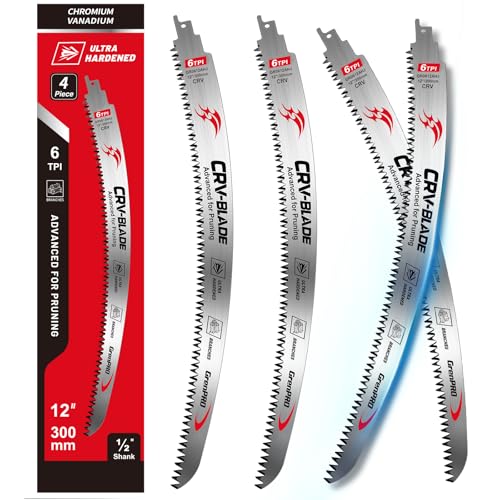
GRENPRO 4-Pack Japanese Teeth Blades 15-Inch 6TPI
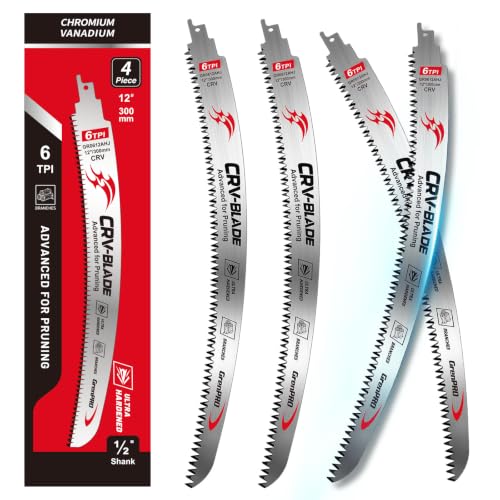
GRENPRO 4-Pack Japanese Teeth Blades 12-Inch 6TPI

GRENPRO 6-Pack 15-Inch Blades 6TPI Arc Edge

GRENPRO 34-Piece Reciprocating Saw Blade Set

GRENPRO 26-Piece 9-Inch Reciprocating Saw Blades

GRENPRO 3-Pack Carbide Blades 6-Inch 8 TPI
Taking A Closer Look At The Options
This Milwaukee 12-piece demolition assortment arrives as two stacked packs, giving you twenty-four blades total to chew through a long remodel before restocking. The set pulls together The Ax for nail-embedded wood, The Wrecker for general teardown, and The Torch for metal, which is a sensible spread for anyone framing, gutting kitchens, or pulling old decks apart.
What separates this bundle from cheaper mixed packs is the blade geometry. Each blade is thicker and taller than standard wood blades, so it resists bending when you push through a stud with hidden fasteners. The trade-off shows up in cut speed, because aggressive demolition geometry prioritizes staying whole over finishing clean. For trim work or finish carpentry, reach for a finer-tooth blade instead.
Useful Strengths
- Thick blade bodies handle nail-embedded lumber without snapping on heavy push strokes.
- Taller profile keeps cuts straighter when you are plunging through studs or joists.
- Three distinct blade styles cover wood demolition, general wrecking, and metal cutting in one order.
- Doubled pack size means fewer trips to restock during multi-room tear-outs.
Points To Keep In Mind
- Aggressive tooth geometry tears clean lumber rather than slicing it, leaving rougher edges on finish cuts.
- Larger pack size may be more than occasional DIYers need at one time.
Key Product Details
Who It Suits Best
Contractors and serious DIYers pulling apart old framing, decks, or interior walls where nails and fasteners are unavoidable.
A Better Fit Elsewhere
For light branch cleanup in the yard, the GRENPRO 4-Pack Japanese Teeth Blades 12-Inch 6TPI is lighter, cheaper, and easier to control.
Stepping away from the modern 24-blade bundle, this older Milwaukee 12-piece set focuses purely on raw durability. The blades run .042-inch and .062-inch thick, which is the same family of heavy stock used in industrial wrecking work. The one-inch blade height adds real rigidity on long push strokes through tough material.
What you give up is versatility. Where the first Milwaukee bundle mixes blade profiles for different tasks, this set leans into brute strength for one job: cutting things apart. The thicker body also means more vibration transferred back to your hand, so grip fatigue can set in on longer sessions. For pure demolition, though, the longevity is hard to match.
What It Does Well
- 0.042-inch and 0.062-inch body thicknesses hold up under heavy push pressure.
- One-inch blade height keeps cuts straight and resists wandering in dense material.
- Milwaukee build quality means blades tolerate abuse that would snap lighter alternatives.
Trade Offs
- No specialized blade profiles included, so you will need to buy separately for finish cuts or metal.
- Thicker body creates more vibration, which can tire your hand during extended cutting sessions.
- Set is heavier to haul around a job site than slimmer wood-only packs.
Made For
Pros and serious remodelers who want one tough set of blades for repeated rough demolition rather than a varied grab bag.
Where Another Pick Suits Better
The DEWALT DW4898 10-Piece Bi-Metal Combination Set covers both wood and metal cutting in one case, which is a better value for homeowners who need flexibility.
The DEWALT DW4898 trades pure demolition strength for everyday versatility. Bi-metal construction (a high-speed steel cutting edge electron-beam-welded to a flexible alloy body) gives the blades flex without snapping, which is what makes them last longer than carbon-steel budget options. Sizes run from six to nine inches, covering most common wood and light-metal tasks.
The included case is genuinely useful, because loose blades rattling around a tool box turn into damaged teeth fast. Compared to the Milwaukee demolition packs above, this set slices through clean lumber more easily and still handles occasional pipe or nail encounters. It won’t muscle through dense framing like the heavy Milwaukee sets, but the trade-off is a cleaner cut and a friendlier experience on remodeling work.
Where It Delivers
- Bi-metal edge stays sharp noticeably longer than carbon-steel alternatives.
- Mixed sizes let you match blade length to cut depth instead of overshooting every time.
- Hard case protects teeth and fits inside most tool kit boxes for transport.
- Balanced tooth count handles both rough wood and light metal in the same set.
Possible Compromises
- Body is slimmer than dedicated demolition blades, so it can wander on heavy push cuts.
- Only ten blades in the set, so heavy users may run out before the project ends.
Quick Facts
Right Fit For
Homeowners and remodelers who switch between wood, drywall, and the occasional pipe without buying three different blade sets.
Look Elsewhere When
For large outdoor wood jobs like bucking logs, the GRENPRO 4-Pack Japanese Teeth Blades 15-Inch 6TPI reaches deeper and clears waste faster.
GRENPRO shifts the conversation from framing lumber to outdoor wood with this 15-inch Japanese-tooth pack. The teeth are ground in a pull-cut geometry, meaning the blade cuts on the back stroke as aggressively as the forward stroke, which speeds up green wood and makes brush clearing less of a chore. At six teeth per inch (TPI), each tooth takes a meaningful bite, ideal for branches and logs up to 300mm in diameter.
The long 15-inch body is what makes it useful for landscape work, because you can reach into a dense thicket or a firewood pile without contorting the saw. The catch is control. In tight indoor spaces or for finish cuts, that length gets in the way, and the aggressive tooth pattern will shred anything you’d want to keep pretty. Treat it as a dedicated outdoor wood blade, and it earns its place in the kit.
What Helps Most
- Japanese tooth profile cuts fast on both push and pull strokes, saving time on big piles.
- 15-inch length reaches through thick brush and into deep firewood rounds without repositioning.
- Handles green wood, dry wood, and branches without bogging down.
Where It Is Less Suited
- Aggressive tooth geometry tears rather than slices, ruining clean lumber.
- Long body is awkward in tight indoor cuts and narrow wall cavities.
- Only four blades in the pack, so heavy users will need replacements mid-season.
Best Suited To
Homeowners managing firewood, storm debris, or tree limbs who want fast cuts and don’t care about finish quality.
Skip It When
For indoor remodeling or trim work, the DEWALT DW4898 10-Piece Bi-Metal Combination Set is shorter, finer, and easier to control.
Sized down from its 15-inch sibling, this 12-inch GRENPRO 4-pack lands in the sweet spot for backyard cleanup. The same Japanese-tooth geometry cuts branches up to 250mm in diameter, which covers most fruit trees, hedge trimmings, and storm-fallen limbs. Three inches shorter than the larger version means easier handling on a ladder or inside a hedge.
Like the 15-inch GRENPRO, the trade-off is purely about finish quality. The aggressive 6 TPI rips green wood quickly but will shred anything that needs a clean edge. You may find this pack works well alongside, not instead of, a finer-tooth blade if you do mixed work around the yard. For pure limb and brush cutting, the four-blade count is usually enough for a full season.
Useful Highlights
- 12-inch length balances reach and maneuverability for typical yard work.
- Pull-cut teeth chew through green and dry wood without slowing down.
- Handles branches up to 250mm, covering most residential tree species.
Practical Considerations
- Aggressive teeth will splinter any wood you might want to use for a craft or trim project.
- Only four blades per pack, so large storm cleanups can deplete the set fast.
Whose Shelf It Belongs On
Suburban homeowners with a few trees or hedges who want a manageable size for occasional limb removal and firewood prep.
Another Choice May Suit
For larger rounds and dense firewood, the GRENPRO 4-Pack Japanese Teeth Blades 15-Inch 6TPI reaches deeper and clears more material per stroke.
The arc-edge profile on this 6-pack sets it apart from the standard straight-tooth GRENPRO blades above. The curved cutting edge follows the natural curve of a branch, which means you stay in the kerf (the width of material removed by the blade) longer and avoid the blade popping out mid-cut. Built from heat-treated chrome-vanadium steel, the body stays rigid through dense hardwood limbs.
Six blades in a dedicated storage case makes this a sensible upgrade for anyone who prunes regularly rather than occasionally. Cuts handle up to 300mm branches, matching the 15-inch Japanese-tooth pack for capacity. The honest read is that the arc edge helps more on curved cuts than straight ones, so if you mostly crosscut firewood, a standard straight blade may feel more familiar in hand.
Benefits That Matter
- Arc edge design follows branch curves, reducing blade walk and binding on curved cuts.
- Heat-treated chrome-vanadium steel body holds up to repeated hardwood pruning.
- Six blades with a storage case keep spares organized for multi-day yard work.
Factors To Consider
- Curved edge takes a session or two to get used to if you are switching from straight blades.
- Body length can feel unwieldy in tight hedge or bush work.
Feature Snapshot
Who Should Grab It
Homeowners with mature trees or orchards who prune several times a year and want a blade designed for curved limb cuts.
Not Your Match When
For mixed indoor and outdoor cutting, the DEWALT DW4898 10-Piece Bi-Metal Combination Set offers more variety in one case.
Thirty-four blades across wood and metal categories is a serious commitment to variety, all tucked into an organizer pouch with labeled slots. The 6-inch bi-metal pieces handle metal from 0.7mm to 8mm thick, while the wood-specific blades use milled teeth (machine-cut rather than stamped) to reduce binding in green firewood. TPI options run from 3T for rough cuts up to 24T for fine metal work.
The pouch system is what makes this set work in practice, because no one remembers which blade goes where when it’s loose in a drawer. The catch is that for a homeowner who only does occasional projects, 34 blades is a lot to sit on the shelf. For a workshop or small-contractor setup, though, the range covers almost any blade swap you’ll face in a year.
Positive Takeaways
- Wide TPI range covers rough wood demolition, fine metal cutting, and everything between.
- Organizer pouch with labeled slots keeps blades sorted and protected.
- Bi-metal construction on the 6-inch blades extends cutting life in metal.
- Includes a specialized pruning blade alongside the standard wood and metal options.
Some Limits To Know
- Blade count exceeds what casual users will rotate through in a year.
- Pouch takes up more space in a tool bag than a slim hard case.
Perfect Match For
Workshop owners and small contractors who switch between metal, wood, and pruning tasks and want one organized set to cover them.
Swap It Out When
For pure demolition strength, the Milwaukee 49-22-1129 12-Piece Ultimate Demolition Sawzall Blade Set has thicker bodies built for harder push cuts.
Twenty-six 9-inch blades at 6 and 12 TPI cover the everyday cutting range without the bulk of a 34-piece set. The 0.04-inch body thickness adds a touch of stability over budget blades, and the bi-metal build gives real longevity in both wood and light metal. Universal shank design (a standard 1/2-inch tang that fits most saws) means the pack drops into any major reciprocating saw brand without adapters.
What makes this set practical is the 9-inch length, which is long enough for most remodel work but short enough to control in wall cavities. Compared to the 15-inch outdoor GRENPRO blades above, this is a strictly indoor set. The volume means you won’t run out quickly, and the universal fit removes the guesswork when switching between corded and cordless saws.
What Stands Out
- Bi-metal construction outlasts carbon-steel budget blades on repeated use.
- 0.04-inch body thickness adds stability for straighter cuts in tight spaces.
- Universal shank fits every major reciprocating saw without an adapter.
- 26 blades mean fewer reorder interruptions during long projects.
Details To Watch
- 9-inch length limits reach in deep firewood rounds and large branches.
- Higher TPI options for fine metal work are not included in this pack.
Technical Highlights
Built With In Mind
Remodelers and frequent DIYers who want one reliable, well-stocked set for indoor renovation work across multiple saw brands.
Reach For A Different Pick When
For pure demolition in old framing, the Milwaukee Electric Tool 49-22-1129 Sawzall Blade Set has thicker, taller bodies built for that abuse.
Carbide teeth on a reciprocating saw blade are a different animal from bi-metal. The carbide tips hold an edge far longer in hard materials, which is why this 3-pack is built for stainless steel, high-alloy construction steel, hardened steel, and rebar. At 8 TPI and 6 inches long, the geometry is aggressive enough to chew through automotive structural metal without bogging down.
The trade-off is wood. This blade handles incidental wood in mixed demo, but it’s overkill and overbuilt for clean lumber cuts. You may find it works well for plumbing rough-ins and metal-studs-plus-rebar projects where a bi-metal blade would dull fast. For pure wood cutting, swap back to one of the Japanese-tooth or bi-metal wood packs on this list.
Useful Touches
- Carbide teeth outlast standard bi-metal on hard metals and demolition steel.
- 8 TPI geometry chews through rebar, stainless, and automotive metal without hesitation.
- 6-inch length fits into tight spots like plumbing walls and engine bays.
Points To Note
- Specialized for metal, so it is inefficient and rough on clean wood.
- Only three blades in the pack, and carbide replacements cost more than bi-metal.
The Right Fit
Plumbers, auto repair shops, and demolition crews who cut hardened metal regularly and need a blade that survives the job.
Where Another Pick Suits Better
For wood-focused cutting, the GRENPRO 4-Pack Japanese Teeth Blades 12-Inch 6TPI is faster, cheaper, and easier on lumber.
What To Weigh Before Choosing Reciprocating Saw Blades For Wood
Tooth design drives everything. Lower TPI (teeth per inch) numbers like 5 or 6 cut fast but leave rough edges, ideal for green wood, branches, and demolition. Higher TPI counts in the 10 to 18 range slice cleaner and slower, which matters for trim work and visible cuts. Match the TPI to the finish you need, not just the material.
Blade length changes your reach. A 6-inch blade is comfortable indoors and fits inside wall cavities, while a 9-inch length covers most remodeling depths. Anything 12 inches and longer earns its place in firewood rounds, log piles, and tree work, where extra reach prevents constant repositioning.
Body construction matters for longevity. Bi-metal blades weld a high-speed steel edge to a flexible alloy back, giving a real lifespan boost over carbon steel. Carbide teeth cost more but pay off in hard metals, dense hardwoods, and any job where blade changes eat into your day.
Shank fit is non-negotiable. Most modern reciprocating saws use a 1/2-inch universal shank, but older or specialized tools may not. Verify the shank type before ordering a multi-pack, because returning 30 blades is a chore.
Key Considerations Across These Picks
Where Shoppers Go Wrong
Choosing a demolition blade for finish work ruins the wood and frustrates the user. The aggressive tooth geometry that survives nail-embedded lumber will shred clean trim and visible cuts. Match blade profile to the job, not just the material.
Ignoring shank compatibility is another common miss. A 34-piece set is wasted if none of the blades fit the saw. Verify the universal 1/2-inch shank before loading up a multi-pack.
When Paying More Pays Off
Higher-tier blades earn their cost through longevity and cut quality. Bi-metal edges stay sharp through repeated jobs where carbon steel dulls after a single project. Carbide tips make sense in metal-heavy work because they outlast standard blades by a wide margin and reduce mid-job blade swaps that eat up working time.




