


Resawing turns thick boards into thin, usable stock, and the right bandsaw makes that work feel controlled instead of nerve-wracking. If you routinely slice lumber into veneers, bookmatched panels, or thinner turning blanks, resaw capacity and motor strength shape your daily experience more than any other spec. This shortlist focuses on bandsaws built to push the blade through tall stock, plus a few blades worth keeping on hand once the saw is dialed in.
How The Shortlist Stacks Up
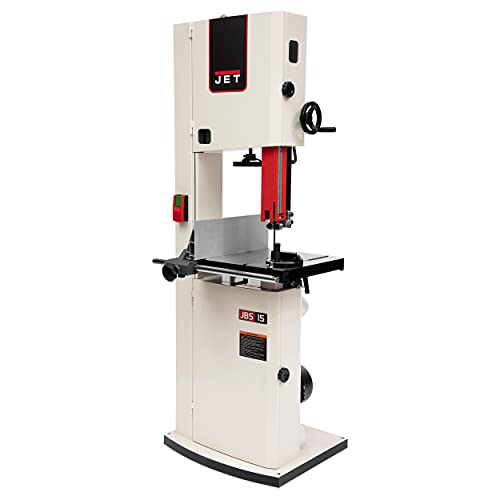
JET 15-Inch Woodworking Bandsaw, 1-3/4 HP, 115/230V 1Ph (Model JWBS-15)

Rikon 14″ Deluxe Bandsaw Model 10‑1414 (1‑3/4 HP Dual‑Voltage)

Rikon 10-310 10″ Bandsaw with Cast Iron Table

FOXBC 80″ x 1/2″ x 6 TPI Bandsaw Blade 2-Pack

FOXBC 80″ x 1/4″ x 14 TPI Bandsaw Blades 2-Pack

FOXBC 80″ x 1/2″ x 3 TPI Bandsaw Blade 2-Pack
FOXBC 80″ x 3/16″ x 10 TPI Bandsaw Blades 2-Pack

JET 14″ Woodworking Band Saw, 1.75 HP, 13″ Resaw

Grizzly Industrial G0817 14″ Super HD 2 HP Resaw Bandsaw
What Each Pick Brings To The Table
Big boards ask for serious mass under the cut, and the JET JWBS-15 brings that in the form of a 15-inch throat and a 1-3/4 HP motor that can be wired for either 115V or 230V. The dual-voltage setup is genuinely useful for a small commercial shop that may eventually step up its electrical service. For furniture makers splitting thick slabs into thinner stock, the cast-iron table and heavy fence feel planted rather than flighty.
Compared to the smaller Rikon 10-310 later in this list, the JET runs in a different class entirely, trading compact footprint for raw capacity.
Where It Delivers
- 1-3/4 HP motor handles dense hardwoods without bogging down
- Dual-voltage wiring offers flexibility for shop upgrades
- 15-inch throat accepts wider panels for bookmatching
- Cast-iron table dampens vibration during long cuts
Points To Keep In Mind
- Requires 230V for full output, so a dedicated circuit may be needed
- Heavy frame complicates repositioning the saw around a shop
Key Product Details
Who Should Grab It
Production woodworkers running a dedicated shop circuit and resawing wide boards on a regular schedule.
Look Elsewhere When
The Rikon 14″ Deluxe Bandsaw Model 10‑1414 is a better match for builders who want the same class of capacity with more focus on resaw height than throat width.
Resaw height, not throat width, usually decides whether a 14-inch bandsaw earns its keep. The Rikon 10-1414 advertises a full 14 inches of cutting height under the guides, which is the number that matters when you stand a thick board on end. Dual dust ports, a tool-less blade guide system, and a quick-adjust fence round out a package aimed squarely at serious furniture builders.
The 1-3/4 HP motor matches the JET JWBS-15, but the dual-speed pulley setup gives this Rikon a clearer path through both hardwood and softer material. Versus the JET, the trade-off is slightly less throat depth for similar horsepower.
What Pays Off
- 14-inch resaw capacity handles tall stock without reorienting
- Two selectable blade speeds broaden material options
- Tool-less blade guides reduce changeover time
- Dual dust ports keep the cut line visible during long passes
- Cast-iron table resists flex under heavy workpieces
Trade-Offs
- Heavier than compact 10-inch models, so plan for a permanent spot
- Wiring to 230V unlocks full power but adds setup effort
Feature Rundown
Made For
Woodworkers prioritizing maximum resaw height in a 14-inch footprint and willing to set up a dedicated electrical circuit.
Consider Something Else When
The Rikon Power Tools 10-310 suits hobbyists who would rather trade that full 14-inch height for a smaller bench footprint.
Small shops and garage workshops often need a bandsaw that disappears when not in use, and the Rikon 10-310 answers that call without giving up a real cast-iron table. The tilting table, rip fence, and quick-release blade tension make setup changes feel fast, which matters when a hobbyist switches between ripping and curve cutting. At 4-5/8 inches of resaw capacity, the 10-310 will not slice 12-inch slabs, but it handles the boards most home projects actually use.
Stepping up to the Rikon 14″ Deluxe means more height and a heavier frame; the 10-310 keeps the same brand DNA in a friendlier package.
Notable Gains
- Compact footprint fits tight workshop corners
- Cast-iron table tilts up to 45 degrees for bevel work
- Quick-release tension speeds blade swaps
- Steel stand adds rigidity without bloating the size
Small Caveats
- 4-5/8-inch resaw capacity limits very tall stock
- Not built for long, continuous production runs
Core Details
Best Suited To
Garage woodworkers and hobbyists who want a sturdy small bandsaw without a permanent floor footprint.
A Better Fit Elsewhere
The JET 15-Inch Woodworking Bandsaw, 1-3/4 HP is a better match once your projects outgrow 5-inch resaw height.
A 12-inch Sears Craftsman bandsaw becomes a different tool once the right blade is on it. The 1/2-inch width and 6 TPI (teeth per inch) profile lands in the sweet spot for general resaw work, balancing chip clearance with a smooth kerf. Owners commonly pair this blade spec with mid-grade hardwoods where aggressive tooth geometry is helpful but full-on 3 TPI would be overkill.
Real Benefits
- 1/2-inch width suits standard resaw guides on 12″ saws
- 6 TPI balances feed rate and surface quality
- Two-pack provides a backup when a blade dulls mid-project
- Length fits common Sears Craftsman 12″ band saws
Worth Noting
- Not ideal for tight curve cutting where 1/4-inch blades behave better
Whose Shelf It Belongs On
Hobbyists with a 12-inch bandsaw who split boards regularly and want a reliable all-around resaw blade.
Swap It Out When
The FOXBC 80 Inch x 1/4 Inch x 14 TPI Bandsaw Blades 2-Pack is a better match when curves and fine scroll work dominate your cuts.
Tight radius work punishes a wide blade, so a 1/4-inch width is the natural choice for scroll saw-style cuts on a bandsaw. At 14 TPI, this FOXBC set pushes a fine finish on thinner stock and small decorative parts. The narrower kerf also reduces material waste when you are cutting figured wood where every fraction of an inch matters.
Where It Helps
- 1/4-inch width navigates curves a 1/2-inch blade cannot
- 14 TPI leaves a smooth edge on hardwoods and softwoods
- Thin kerf preserves expensive figured lumber
- Compatible with common 12″ Craftsman band saws
Some Limits To Know
- Not suited for resaw duty on tall boards
- Fine teeth load up in green or resinous wood
Right Fit For
Woodworkers who prioritize curved cuts, inlay work, and fine detail on a 12-inch bandsaw.
Reach For A Different Pick When
The FOXBC 80 Inch x 1/2 Inch x 3 TPI Bandsaw Blade 2-Pack handles stock removal and rough resaw with far more authority.
When the job calls for ripping thick, wet, or rough lumber, deep gullets and a low tooth count are what clear the chips. The 3 TPI profile on this 1/2-inch blade chews through stock the finer-tooth options would stall on. That same aggression, however, leaves a visibly rough surface that usually needs a planing pass afterward.
The Helpful Details
- 3 TPI rips green and rough lumber without bogging
- 1/2-inch width suits standard 12″ resaw guides
- Two-pack covers the cost of a dulled blade mid-job
Honest Caveats
- Finish quality is coarse compared to higher TPI blades
- Aggressive tooth geometry can grab on thinner stock
Who It Suits Best
Shops milling rough lumber and rough-dimensioning stock before a finish planer pass.
Where A Sibling Pick Shines
The FOXBC 80 Inch x 1/2 Inch x 6 TPI Bandsaw Blade 2-Pack is a better everyday compromise if finish quality matters as much as speed.
A 3/16-inch blade sits in an awkward middle ground that turns out to be quite useful. Narrow enough for tight curves, stout enough to hold up under light resaw duty on a 12-inch saw, the 10 TPI count offers a usable finish on most hardwoods. For shops that do not want to swap blades every time the task changes, this profile is a sensible default.
Useful Highlights
- 3/16-inch width bridges curve and straight cutting
- 10 TPI delivers an acceptable surface without sanding
- Fits Sears Craftsman 12″ saws plus several other common models
Potential Drawbacks
- Not specialized for deep resaw or aggressive ripping
- Width may be too narrow for tall resaw fence setups
Perfect Match For
Shops that want one blade spec to cover most general cutting tasks on a 12-inch bandsaw.
Skip It When
Resawing is the priority and the FOXBC 80 Inch x 1/2 Inch x 3 TPI Bandsaw Blade 2-Pack will move material much faster.
Where the larger JET 15-inch saw above this list adds throat width, the JET 14-inch SFX bandsaw leans into resaw depth at 13 inches. The cast-iron table area is generous for its class, and the steel-frame construction keeps the saw planted during long, repeated passes. For shops running full days of resaw, the rigidity tends to translate into less drift and fewer re-cuts.
Compared to the Grizzly G0817 covered next, the JET offers similar horsepower in a slightly different footprint and blade guide layout.
What Helps Most
- 13-inch resaw capacity covers most furniture-scale boards
- Steel frame dampens flex during heavy feed rates
- Cast-iron table supports tall workpieces
- 1.75 HP motor holds blade speed in dense material
Practical Considerations
- Blade changes may need guide adjustments to dial in tracking
- Footprint requires a committed floor space
Technical Highlights
Built With In Mind
Workshops that need a 14-inch bandsaw with the rigidity to resaw hardwoods day after day.
Not Your Match When
The Grizzly Industrial G0817 is the better fit for shops that need 2 HP and a foot brake for hardwood resaw.
Hardwood resawing pushes motors harder than almost any other bandsaw task, and the Grizzly G0817 responds with a 2 HP motor and a foot brake for fast blade stops. The “Super HD” framing tells you Grizzly aimed this at production rather than occasional use. For shops that resaw oak, walnut, or maple daily, that extra quarter-horsepower over the JET 14-inch saw can mean the difference between a clean cut and a stalled blade.
A Strong Showing
- 2 HP motor powers through dense hardwood resaw
- Foot brake stops the blade quickly for safety
- 14-inch class resaw capacity for furniture-scale work
- Heavy-duty construction supports continuous use
Points To Weigh
- Requires a 230V circuit to deliver full output
- Heavier than lighter 14-inch alternatives, plan for placement
Who Will Love This
Small commercial shops and serious hobbyists focused on hardwood resaw where motor strength is the limiting factor.
Where Another Pick Suits Better
The JET 14″ Woodworking Band Saw, 1.75 HP, 13″ Resaw is a better fit for workshops that do not need 2 HP or a foot brake.
Buying Guide: Choosing A Resaw Bandsaw That Earns Its Space
Resaw Height Defines The Work
Resaw height, measured as the distance from the table to the upper blade guide, is the single most important number for resaw-focused work. Furniture builders working with 8/4 stock (lumber that is 8/4, or two inches thick) want at least 12 inches, while 12/4 projects (three-inch-thick lumber) push that requirement toward 14 inches. Bandsaws with 6 inches or less of resaw capacity handle slicing thinner boards but force multiple reorientations on anything tall.
Motor Power And Electrical Setup
A 1 HP motor can resaw softwoods slowly, but hardwoods reward 1-3/4 HP and above. Higher-horsepower bandsaws frequently run on 230V circuits, which deliver the same power with less current draw and a cooler-running motor. If the shop is wired only for 115V, dual-voltage saws offer flexibility, though running at the lower voltage typically reduces sustained output.
Frame Rigidity And Table Mass
A heavy cast-iron table and a welded steel frame absorb vibration and keep the blade tracking straight during long cuts. Lighter stamped-metal stands may flex, which shows up as drift and wavy cuts. Bigger castings also tend to stay put on the floor, which matters when feeding thick stock by hand.
Blade Guides And Tension System
Blade guides above and below the table keep the cut accurate, and tool-less or quick-adjust designs save real time during blade changes. Quick-release blade tension is a quality-of-life feature for any shop that swaps between ripping, resaw, and detail blades throughout the day.
Key Considerations Across These Picks
Where Shoppers Go Wrong
The most common mistake is choosing by throat width instead of resaw height. A wide throat with shallow resaw capacity is the wrong tool for splitting thick boards. Another trap is underestimating electrical needs: a 230V bandsaw that gets plugged into a 115V outlet will run, but it will struggle on hardwood and may overheat under sustained load.
Where The Extra Money Goes
Stepping up to a premium bandsaw typically adds resaw height, a more powerful motor, and a heavier frame. Those upgrades matter most for shops that resaw hardwood daily, less so for occasional weekend projects. For lighter workloads, a compact 10-inch bandsaw paired with a quality blade can deliver most of the same results in less floor space.
Frequently Asked Questions
What Is Resaw Capacity On A Bandsaw?
Resaw capacity is the maximum height of stock the bandsaw can cut in a single pass, measured from the table to the upper blade guide. Taller capacity means fewer reorientations when slicing thick boards.
Can A 10-Inch Bandsaw Handle Resaw Work?
Yes, within its capacity. Most 10-inch bandsaws offer 4 to 6 inches of resaw height, which is enough for thinner boards and smaller projects but limits work on 8/4 or thicker lumber.
What Tooth Count Works Best For Resaw?
A 3 TPI (teeth per inch) blade moves material fastest, a 6 TPI blade balances speed and finish, and anything above 10 TPI is usually too fine for clean resaw cuts. Wider blades also help with straight tracking during deep cuts.
Do I Need 230V For A Resaw Bandsaw?
Not always, but most bandsaws with 1-1/2 HP or more benefit from 230V power because the motor runs cooler at the same output. Some dual-voltage saws can run on either, though performance is typically reduced at 115V.
How Often Should I Change Bandsaw Blades?
Blade life depends on material, but dulling typically appears as wandering cuts, burn marks on the wood, or excessive feed pressure. For regular hardwood resaw, expect to swap blades every few projects at minimum.




