


A dull or wrong-spec blade wrecks more sheet goods than a bad saw ever will, so the right ripping blade quietly shapes every project you bring home. Woodworkers milling cabinet parts, weekend DIYers breaking down plywood, and small-shop pros trimming dimensional lumber all feel the difference a clean tooth geometry makes. The trick is matching tooth count, kerf (the width of material the blade removes during a cut), and plate thickness to the saw you actually own. This roundup covers nine blades that handle ripping across a range of budgets and machines, so you can spend less time fussing at the throat plate and more time stacking parts.
An Overview Of The Picks

Festool 496305 Ripping Blade for TS 55 (12T)

Diablo Combination Saw Blade (10″, 50T)

Diablo D1024X Ripping Blade (10″, 24T)

CMT 285.624.10 Ripping Blade (10″, 24T)

Freud LU87R010 Heavy-Duty Rip Blade (10″)

FOXBC 10″ Flat Tooth Rip Blade (24T)

FOXBC 10″ Combination Blade (50T)

FOXBC 10″ Ultra Finish Blade (80T)
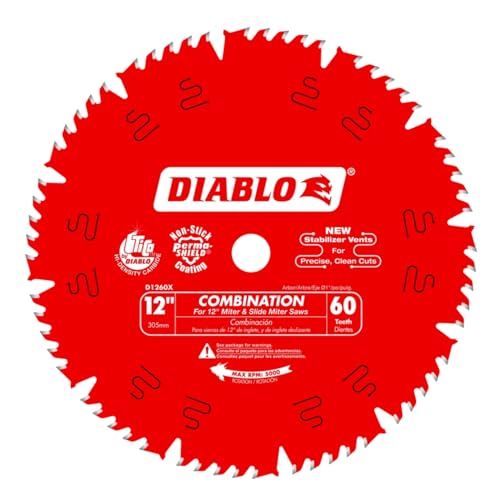
Diablo 12″ Combination Blade (60T, 1″ Arbor)
Inside Each Recommended Option
The Festool 496305 sits in a different lane than every other blade in this roundup, because it was engineered for a plunge cut track saw rather than a stationary table. With just 12 teeth, a 2.2mm kerf, and a 20mm arbor matched to the TS 55, it chews through sheet goods with the kind of aggression a low-tooth rip pattern is known for. The oversized arbor interface helps the blade stay planted under load, which matters once you start feeding long rips into plywood.
Owners of the Festool track saw ecosystem get the most from this blade, and you’ll likely feel right at home if you already break down sheet stock on the floor rather than at a bench. Cross-comparing to the Diablo D1024X below, you trade raw tooth count for the closed-system precision Festool promises.
Where It Delivers
- 12-tooth geometry clears chips fast, so deep rips in plywood and OSB don’t bog down
- Thin 2.2mm kerf reduces motor strain on the TS 55’s smaller drive
- Laser-cut expansion slots tame side-to-side movement on long cuts
- Engineered fit with Festool rails keeps the cut close to the track for breakaway accuracy
Points To Note
- Useless on a standard 5/8″ arbor table saw, since the 20mm bore is track-saw specific
- Finish quality on hardwood rips lands a step behind high-tooth options like the FOXBC 80T
- Low tooth count produces a coarser edge that often needs a light sanding pass
Who It Suits Best
Festool TS 55 owners breaking down full sheets in a shop or on a job site, where a track saw replaces a table for panel work.
Look Elsewhere When
You need a 10″ table saw blade and a 5/8″ arbor; the Festool won’t mount, and the Diablo Combination Saw Blade (10″, 50T) is the natural next stop.
Diablo’s 10-inch 50-tooth combination blade earns its place on shops that bounce between ripping dimensional lumber and crosscutting boards in a single afternoon. The 5/8″ arbor and 0.098″ kerf slot into most contractor and cabinet saws without drama. Its tooth design is a middle path: aggressive enough to feed through 2x material, refined enough to leave a usable edge on a crosscut.
If the dedicated D1024X rip blade is a specialist, this one is the shop generalist. Hobbyists running one saw for every project will probably reach for this blade more than any other on the list.
Useful Strengths
- 50-tooth ATB pattern balances rip and crosscut without constant blade swaps
- TiCo carbide (titanium cobalt) blend holds an edge through long production runs
- Perma-SHIELD coating reduces pitch buildup, so cleanup stays quick
- Standard 5/8″ arbor fits most 10″ saws, from portable to cabinet-class
Trade Offs
- Pure ripping speed lags behind a dedicated 24-tooth ripper like the CMT 285.624.10
- Resin and sap stick to the plate over time, so periodic cleaning with a blade pitch remover helps
Made For
One-blade shops and hobbyists who want solid rips and clean crosscuts from a single tool.
Swap It Out When
You spend most of your day making long rip cuts in 3/4″ stock; the CMT 285.624.10 Ripping Blade (10″, 24T) moves more material per pass.
The D1024X is what Diablo built when ripping was the only job on the schedule. Twenty-four ATB teeth paired with a 15° hook angle produce a deep gullet design that evacuates chips quickly through the cut. The 0.098″ kerf and 0.071″ plate keep the cut efficient without overworking smaller motors, and a 6000 RPM ceiling suits most 10″ cabinet and contractor saws.
Where the 50-tooth Diablo above plays both sides, this one leans fully into the rip lane. Millwork shops and cabinet builders feeding through stacks of 3/4″ plywood or ripping down 2x boards will appreciate the focused design.
Why It Works Well
- Hi-Density TiCo carbide is tuned for ripping, so tooth wear stays gradual under load
- Deep gullets clear wood waste cleanly, which keeps the cut cool and the edge straight
- Non-stick coating fends off resin during long glue-up prep runs
- Optimized for the 3/4″ to 2-3/4″ thickness range, covering most rip scenarios
Worth Noting
- Crosscut finish is rougher than the 50-tooth combination blade, so swapping is wise for finish cuts
- Low tooth count is louder at full feed rate, so hearing protection matters
Key Specs
Best Suited To
Cabinetmakers and serious hobbyists ripping sheet goods or solid wood daily, where speed and chip clearance beat finish quality.
Reach For A Different Pick When
You need one blade for rip and crosscut work without swapping; the Diablo Combination Saw Blade (10″, 50T) is a more flexible shop partner.
CMT builds blades for industrial woodworking, and the 285.624.10 wears that pedigree openly. Twenty-four flat-ground teeth (FLAT grind, meaning each tooth top is level rather than angled, for clean ripping) and a stout 0.126″ kerf make this one of the more substantial ripping blades in the roundup. The 0.087″ plate resists flex even under aggressive feed rates on a 3-horsepower cabinet saw.
Production shops and CNC operators have leaned on CMT for years. Compared to the thinner Diablo D1024X above, you trade kerf economy for a stiffer cut that holds its line on long rips.
A Strong Showing
- Industrial-grade plate resists deflection, holding tight tolerances over long cuts
- Flat grind tooth pattern leaves cleaner rip edges than many ATB designs
- CMT’s industrial orange coating is built for daily shop punishment
- 5/8″ arbor fits the same saws as the other 10″ blades on this list
Honest Caveats
- Thicker kerf wastes more material than thin-kerf options like the FOXBC 24T rip blade
- Heavier plate demands a beefier motor to spin up to full speed
Feature Snapshot
Right Fit For
Shop owners and pros running a 3HP or larger cabinet saw who value cut consistency over material savings.
Consider Something Else When
Your saw is a portable jobsite model with a 15-amp motor; the FOXBC 10″ Flat Tooth Rip Blade (24T) is friendlier to lighter machines.
The LU87R010 brings Freud’s TiCo Hi-Density carbide recipe to a flat-ground rip profile, and the result is a blade that lands closer to a finish cut than most dedicated rippers. The 20° hook angle, 0.126″ kerf, and 0.087″ plate give it enough mass to stay planted on a cabinet saw. Laser-cut anti-vibration slots help quiet the cut and extend tooth life across long sessions.
Where the CMT above trades finesse for brute stiffness, Freud leans toward a smoother edge. You may find this is the right pick when you want to skip a sanding pass after the rip.
Strengths Worth Knowing
- Flat tooth design leaves a smooth edge, often good enough without sanding
- Premium TiCo carbide blend extends time between sharpenings
- Anti-vibration slots reduce sideways movement, improving cut accuracy
- Large gullets clear chips efficiently through dense hardwoods
Some Limits To Know
- Wider kerf and heavier plate put more load on small motors
- Finish focus means a slightly slower feed than rougher rippers
At A Glance
Who Will Love This
Finish-conscious woodworkers and trim carpenters who want rip cuts that look ready for the next glue-up without extra sanding.
A Better Fit Elsewhere
You’re feeding a smaller saw or chasing raw feed speed; the FOXBC 10″ Flat Tooth Rip Blade (24T) makes a leaner match.
FOXBC’s 10-inch flat-tooth ripper is a friendly match for portable table saws and contractors with a tighter tool budget. The 0.094″ kerf and 0.071″ plate keep the cut efficient, and the 24 flat-ground teeth feed cleanly through softwood, hardwood, and sheet goods. A 5/8″ arbor slots it into most 10″ saws, including popular models from DeWalt, Skil, and Makita.
Versus the CMT and Freud above, you give up some plate stiffness and premium carbide, but you also keep the motor happy on lighter machines. This is a smart everyday option for DIYers.
Benefits That Matter
- Thin kerf reduces strain on 15-amp motors typical of portable saws
- High-density tungsten carbide tips hold up to regular weekend use
- 20° hook angle and flat grind balance feed rate with finish quality
- Broad compatibility with common 10″ miter and table saws
Trade-Offs To Consider
- Edge longevity falls short of premium TiCo blades under daily use
- Coatings are lighter, so pitch cleanup after green wood is a bit more frequent
Quick Facts
Perfect Match For
DIYers and remodelers running a portable 10″ table saw who want clean rips without overworking the motor.
Not Your Match When
You push a 3HP cabinet saw daily in a production setting; the Freud LU87R010 Heavy-Duty Rip Blade (10″) is built for that grind.
FOXBC’s 50-tooth combination blade slots into a similar role to the Diablo 50T earlier in the list, but at a friendlier cost. The 0.098″ kerf, 15° hook angle, and 0.071″ plate are tuned for general wood cutting on 10″ miter and table saws. Every set of five teeth sits between large gullets, which keeps chip clearance steady through mixed workloads.
If you split time between ripping boards and crosscutting trim, this hybrid pattern gets you close on both counts. Small-shop owners who can’t justify two dedicated blades will lean on this one often.
Real-World Strengths
- Alternating tooth groups with deep gullets handle a range of cut types
- Thin kerf and plate help the saw stay efficient across extended sessions
- Reduced vibration at higher RPMs makes long rip cuts feel controlled
- Universal fit with common 10″ saws from major brands
Practical Considerations
- Won’t outpace a dedicated 24-tooth ripper on long grain cuts
- Carbide grade is a step below premium TiCo, so heavy users will sharpen sooner
Built With In Mind
Home workshops and remodelers who need one blade that handles occasional rips and frequent crosscuts without swapping.
Where Another Pick Suits Better
You spend the majority of your shop time ripping 3/4″ plywood; the FOXBC 10″ Flat Tooth Rip Blade (24T) is the dedicated alternative.
Eighty teeth changes the conversation, because the FOXBC 80T is built for finish cuts rather than bulk ripping. The 0.098″ kerf and ATB grind produce a polished edge on plywood, veneer, and melamine, where tearout is the real enemy. A 5/8″ arbor keeps it in play across most 10″ table and miter saws.
Stack this one alongside the FOXBC 24T rip blade in a two-blade shop setup. You may find the 80T gets the call whenever the cut shows in the final piece, such as cabinet sides or face frames.
Good Reasons To Consider
- High tooth count minimizes tearout on veneered plywood and melamine
- Thin kerf preserves motor efficiency on common 10″ saws
- Hardy tungsten carbide tips support repeated finish cuts without dulling quickly
- Operates with low vibration, which helps on long crosscuts
Where It May Fall Short
- Slows down significantly on heavy rip cuts in thick hardwood
- Fine tooth geometry requires careful feed control to avoid burning edges
Feature Card
Who Should Grab It
Cabinetmakers and finish carpenters working with veneered panels who need splinter-free cuts straight off the saw.
Skip It When
Ripping thick lumber is your primary task; the Diablo D1024X Ripping Blade (10″, 24T) feeds faster through the same stock.
Twelve-inch blades belong to a smaller club of cabinet saws and hybrid saws with a 1″ arbor, and Diablo’s 60-tooth combo lands squarely in that lane. The ATB plus raker tooth pattern helps the blade track straighter on rips while still leaving a clean crosscut edge. A deep gullet design supports cutting thicker stock, which is where 12″ blades earn their keep.
Compared to the 10″ Diablo D1024X, you trade compatibility for a deeper cutting capacity and a stronger motor demand. You may find this is the right pick if your shop centers on a 12″ saw and the workpieces are larger.
Standout Benefits
- 60-tooth combo design handles rips and crosscuts with one setup
- Deep gullets clear waste through thick stock, supporting higher feed rates
- TiCo Hi-Density carbide extends sharpening intervals
- Perma-SHIELD coating keeps pitch and resin from gumming the plate
Details To Watch
- 1″ arbor won’t fit 10″ saws, so make sure your saw is actually 12″ rated
- Heavier kerf and 12″ diameter demand a more powerful motor to drive the cut
Whose Shelf It Belongs On
Woodworkers with a 12″ cabinet or hybrid saw handling large panels, thick hardwood, or production runs where depth of cut matters.
Another Choice May Suit
Your shop runs a 10″ contractor saw; the Diablo D1024X Ripping Blade (10″, 24T) is the right rip blade for that platform.
Choosing Ripping Blades For Table Saw That Fit Your Saw and Your Work
Match the Arbor Before Anything Else
Every other spec only matters once the blade physically mounts to your saw. Most 10″ table saws use a 5/8″ arbor, while 12″ saws generally step up to 1″, and specialty track saws like the Festool TS 55 use a 20mm bore. Confirming the bore size first rules out half the field before you even look at tooth count.
Tooth Count Drives Cut Type
A low tooth count, typically 24 or fewer, clears chips fast and feeds aggressively for ripping along the grain. Mid-range counts around 40 to 50 start to handle crosscuts and light ripping in one blade. High counts in the 60 to 80 range polish the cut, which matters on plywood, melamine, and visible joinery. Match the count to the work you do most, since switching blades on a table saw takes minutes you can save by choosing the right primary blade.
Kerf and Plate Affect Power Demand
Thin kerf blades remove less material, which means less waste and lower motor load, helpful on portable saws with 15-amp motors. Thicker kerf designs use a stiffer plate that resists deflection, which pays off on larger cabinet saws. If you run a jobsite saw, lean thin-kerf; if you run a 3HP shop saw, the heavier plates become a stability asset.
Hook Angle Controls Feed Feel
A higher hook angle, around 20°, grabs wood and pulls the blade through with light feed pressure. A lower angle, around 10 to 15°, requires more push but feels safer on hard materials. For most woodworkers, a 15 to 20° hook angle lands in the middle and works across common species.
Key Considerations Across These Picks
Where Shoppers Go Wrong
The most common slip is choosing a 24-tooth blade and expecting finish-grade edges, then blaming the tool instead of the tooth count. Match the tooth count to the dominant cut type, not to the marketing copy. Another trap is ignoring plate thickness on lighter saws; a heavy industrial blade on a portable 15-amp saw can stall mid-cut. The right approach is to read the kerf and plate numbers, not just the diameter.
When Paying More Pays Off
Spending up usually buys three things: a tougher carbide grade, a stiffer plate, and a coating that resists heat and pitch. For a hobbyist running a few projects a month, that upgrade is hard to justify. For a daily user or production shop, longer sharpening intervals and cleaner cuts over thousands of feet of lumber make the premium easier to defend. The honest read is that the upgrade earns its place when blade changes start eating into shop time.
Frequently Asked Questions
How often should I replace or sharpen a ripping blade?
Carbide-tipped blades typically need sharpening after many hours of use, though the exact interval depends on the wood species, cleanliness of stock, and feed rate. Softwoods and clean lumber extend life, while MDF, particleboard, and reclaimed wood dull teeth faster. When you notice burning on the cut edge or increased feed pressure, that’s a clear signal to service the blade.
Can I use one blade for both ripping and crosscutting?
Combination blades with 40 to 60 teeth handle both cuts reasonably well, which is useful when you only want to swap blades occasionally. A dedicated 24-tooth rip blade and a dedicated 80-tooth finish blade, however, will outperform any compromise in their respective lanes. For most shops, a 50-tooth combination covers the middle ground nicely.
What does hook angle actually change?
Hook angle is the tilt of the tooth face relative to the cut, and a higher number means the tooth bites more aggressively. A 20° hook feeds itself through the cut, while a 10° hook requires more pressure and feels calmer. Matching hook angle to the material’s hardness keeps cut quality consistent and reduces the risk of grabbing.
Will a thin-kerf blade fit any 10″ saw?
As long as the arbor matches and the blade body is sized for the saw’s housing, thin-kerf blades fit most 10″ saws without issue. The only real check is that the riving knife or splitter can be set to match the thinner plate. Adjust the guard and splitter accordingly, and the saw handles the rest.
Is a higher tooth count always better for finish?
More teeth mean more cuts per inch, which lowers the chip size and reduces tearout on finished surfaces. The trade-off is feed rate, since each tooth takes a smaller bite. For finish work on veneered plywood or melamine, a high tooth count is worth the slower feed; for rough rips, it just slows you down.




