


Bending a roll cage on a weekend is one of those jobs where the wrong tool punishes you fast. Wall thinning, kinks, and inconsistent radii can turn a clean chassis into a structural liability. Hydraulic and rotary-draw tube benders solve that, but the category is crowded, with heavy 8-ton units, compact 1.25″ dies, and die-only add-ons mixed together. The list below sorts the field for hobbyists, track-day builders, and pros working in real shop space, so you can match the tool to the tube, the bend, and the budget.
The Choices Worth Comparing
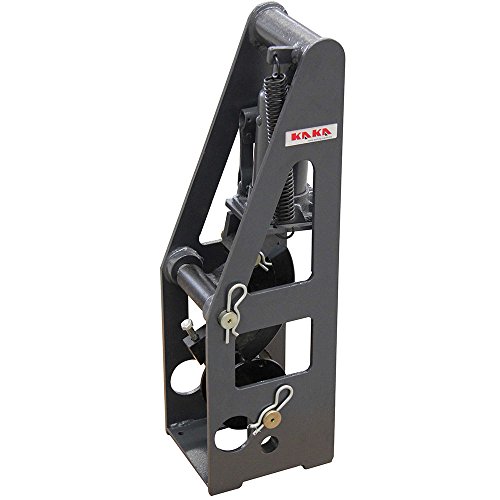
KAKA INDUSTRIAL HB-8 8-Ton Hydraulic Tube Bender
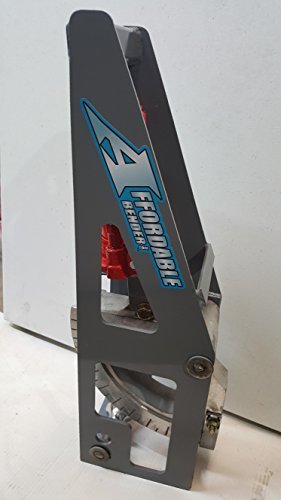
ab103 1-1/2″ Hydraulic Tube Bender

Speedway Motors 3rd Gen 1.25″ Tubing Bender

ab107 1-1/4″ Tube Bender Die Set
ab104 1-5/8″ Hydraulic Tube Bender

Eastwood Rotary Draw Hand Bender

SWAG Off Road REV 2 Tube Bender

SWAG 1.75″ Round Tube Dies

Speedway 3rd Gen 5-Die Hydraulic Bender
A Breakdown Of The Leading Choices
The KAKA INDUSTRIAL HB-8 is a hand-pumped hydraulic bender aimed at home fabricators who need a wide die range without buying five separate tools. The frame is built for shop work, and the hydraulic action takes the sweat out of cranking thick-wall chromoly (a high-strength steel alloy used in race car tubing) by hand.
Where the HB-8 earns its place is coverage. The included dies span the most common roll-cage diameters, so a builder can switch from a main hoop to a door bar without swapping machines. It suits someone who already knows what a bend radius is (the inside curve measurement that affects how the tube deforms) and wants a single unit to do most of the work.
Positive Points
- Five dies cover 3/4″ through 1-3/4″ round tube, eliminating the need for early add-on purchases.
- 8-ton hydraulic force handles the wall thicknesses that defeat smaller manual benders.
- Sturdy frame stays planted on a bench during high-effort bends.
- Hand-pump design means no power source is needed, which is useful for a garage without 240V service.
Things To Consider
- Die changes are manual and can interrupt workflow on long cage builds.
- Frame weight may make it awkward to share between workbenches.
Feature Snapshot
Who Should Grab It
First-time cage builders who want one tool that covers almost every tube size without a learning curve.
Consider Something Else When
Off-road fabricators focused on portability should look at the SWAG Off Road REV 2 Tube Bender instead.
The ab103 leans into specialization. It is built around 1-1/2″ round tube, the diameter that shows up in countless street chassis and pro touring builds. Where a multi-die setup like the KAKA INDUSTRIAL HB-8 trades flexibility for range, this bender trades it for focused strength on one size.
An updated design now reaches up to 110 degrees, which gives a builder enough swing for compound (multi-bend) cage sections without repositioning the tube. The 1″ die and mandrel (an internal support insert that prevents the tube wall from collapsing during bending) shafts are oversized, which is the kind of detail that extends service life on a shop tool.
A Favorable Mix
- 110-degree bend range handles complex multi-plane cage layouts.
- 1″ die and mandrel shafts add durability over the smaller hardware used on competing units.
- Bends both mild steel and 4130 chromoly within rated wall limits.
- Hand-pump operation keeps setup simple in a small shop.
Trade Offs
- Single-size design means extra dies must be purchased for other diameters.
- 8-ton rating matches competing units, so it will not push the limits of the heaviest wall tubing.
Right Fit For
Garage builders focused on 1-1/2″ chassis tubing who want a no-fuss hydraulic workhorse.
Skip It When
Shops that need to cover 1-5/8″ main hoops should pick the ab104 1-5/8″ Hydraulic Tube Bender instead.
Speedway’s 3rd generation bender is the smaller sibling in the hydraulic line, sized for 1.25″ tube and built around an 8-ton jack in a frame you can carry one-handed. The 7″ bend radius is a smart middle ground for sportsman-class race cars, where tight main hoops are not required but consistent curvature is.
It also addresses a frustration common to budget benders: die markings cast into the surface. That detail lets you reproduce a bend angle on the next piece without a protractor, which matters when you have a dozen identical cage tubes to bend. It suits weekend racers and small shops where floor space is at a premium.
Strengths Worth Knowing
- Portable frame is easy to move to a track or friend’s shop.
- Cast-in die marks support repeatable bend angles for matched tubing sets.
- 90-degree max bend covers most roll-cage geometry.
- 8-ton jack handles mild steel up to .110″ wall and chromoly up to .096″.
Points To Keep In Mind
- Smaller tube diameter means it cannot serve as the only bender for a build using 1-5/8″ main hoops.
- Owners commonly report the need to brace the base on a heavy workbench for tall vertical bends.
Quick Facts
Made For
Track-day hobbyists who build smaller chassis and need a tool that lives in the corner of a one-car garage.
Look Elsewhere When
Builders who want every common size in one kit should choose the Speedway 3rd Gen 5-Die Hydraulic Bender.
The ab107 is a die-only add-on for the Affordable Bender line, sized for 1-1/4″ tube on a 5″ centerline radius (the distance from the center of the bend to the center of the tube). It is not a stand-alone tool, and that is the point. It exists to expand a tool you already own, which is a very different buying decision than starting from scratch.
The trade-off shows up in the wall-thickness range. Compared with the ab103 and ab104 reviewed above, this die stops at a thinner ceiling for chromoly, so it works best on cross tubes and braces rather than the main hoop.
Benefits That Matter
- Expands an existing bender without the cost of a second full machine.
- 5″ centerline radius suits tight cross-member bends.
- Handles the same ERW (electric resistance welded) and chromoly range as its siblings within its wall limits.
Less-Strong Areas
- Requires an existing Affordable Bender frame to function.
- Wall-thickness ceiling is lower than the larger die sets.
Best Suited To
Existing Affordable Bender owners who need a 1-1/4″ die without buying a whole new bender.
Reach For A Different Pick When
First-time shoppers should pick the KAKA INDUSTRIAL HB-8 8-Ton Hydraulic Tube Bender for a full starter set.
The ab104 covers the diameter that shows up in sanctioned racing: 1-5/8″ main hoops, where strength matters more than convenience. The 110-degree updated range mirrors the ab103, and the same 1″ die and mandrel shafts carry over, which keeps the spare-parts shelf simple for shops running multiple sizes.
Compared with the KAKA INDUSTRIAL HB-8 above, the ab104 trades die variety for a thicker, more robust single-die setup, which suits fabricators who already have their smaller diameters covered and want the heavy bending done right.
What Works In Its Favor
- 110-degree bend range handles aggressive cage geometry.
- Handles chromoly at .080″ to .095″ wall, the range used in serious race cars.
- 1″ shafts support heavy use without flex.
- Standalone hydraulic jack removes the need for separate power.
Worth Bearing In Mind
- Single-size means buying additional dies for any smaller cross tube.
- Larger diameter requires more hand-pump strokes per bend.
Spec Overview
Who Will Love This
Pro fabricators building sanctioned race cages where 1-5/8″ main hoops are the rule, not the exception.
A Better Fit Elsewhere
Hobbyists on a budget should consider the Speedway 3rd Gen 5-Die Hydraulic Bender for its broader size range.
The Eastwood takes a different path. Instead of a hydraulic ram pushing a die into the tube, it uses a rotary-draw system (where the tube is drawn around a stationary die) for smooth, gradual bends across multiple materials. The 180-degree max bend is the most generous on this list, which matters for roll bars, fuel lines, and plumbing.
It is also the most material-agnostic tool in the roundup. Aluminum, copper, steel, stainless, and chromoly all fall within its spec sheet. The trade-off is that the dies, handle, and stand are sold separately, so the realistic purchase is a kit rather than a single SKU (a unique product listing on the retailer).
Useful Touches
- 180-degree bend range exceeds every hydraulic option here.
- Handles aluminum, copper, steel, stainless steel, and chromoly.
- Welded 0.60″ and 0.45″ steel plate frame resists flex during long bends.
- Die range covers 3/4″ to 2″ tubing in 120° and 240° formats.
Where It Is Less Suited
- Dies, handle, and stand are sold separately, which raises the real-world cost.
- Rotary-draw technique has a steeper learning curve than hydraulic pushing.
Feature Snapshot
Perfect Match For
Builders who mix roll-cage work with plumbing or fuel-line fabrication and want one tool for all of it.
Where Another Pick Suits Better
Shops focused only on chromoly race tubing should pick the ab104 1-5/8″ Hydraulic Tube Bender for dedicated 8-ton force.
SWAG’s REV 2 is built for the truck and Jeep crowd, where roll cages live in dust, mud, and trailer beds. The frame is compact, the design is lightweight, and oil-impregnated bushings (self-lubricating sleeves that reduce wear at pivot points) sit at every pivot, which is a small but useful detail for a tool that travels.
It is a modular system. You buy the bender, then add dies in the sizes you actually use, similar to the Affordable Bender line. Compared with the Speedway 3rd Gen 5-Die kit, the REV 2 keeps the footprint small but the die costs add up as your range grows.
Notable Upsides
- Oil-impregnated bushings reduce pivot wear over time.
- Compact, lightweight design travels well to trails and events.
- Modular die system lets you build up only the sizes you need.
Practical Considerations
- Dies are sold separately, raising the real cost of a complete setup.
- Smaller frame may flex on heavier chromoly wall if not properly braced.
Whose Shelf It Belongs On
Off-road fabricators and trail-shop builders who carry their tools to the job site and want a light, modular bender.
Swap It Out When
Street chassis builders should choose the KAKA INDUSTRIAL HB-8 8-Ton Hydraulic Tube Bender for its all-in-one die package.
This entry is a die set, not a bender. The SWAG 1.75″ round tube dies slot into the REV 2 frame, so the value of the listing only materializes if you already own that bender. The 120° die format and 5.5″ CLR (centerline radius) suit heavier off-road cage work where 1.75″ tubing is common.
Material choice stands out. A572 is a high-strength structural steel grade, and machining the dies from it rather than casting them tends to extend service life in heavy use. Each die ships with its matching follower die and tubing strap, so there are no extra small parts to source.
Good Reasons To Consider
- Machined A572 steel construction resists wear on thick-wall tubing.
- 1.75″ diameter fills a gap that the KAKA INDUSTRIAL HB-8 maxes out at 1-3/4″.
- Follower die and tubing strap included, no separate parts needed.
Honest Caveats
- Only fits the SWAG REV 2 bender, narrowing the audience sharply.
- Larger tube size demands the REV 2 be firmly mounted to avoid frame flex.
Built With In Mind
SWAG REV 2 owners tackling heavy off-road cages that use 1.75″ main hoop or downtube sections.
Another Choice May Suit
Builds using 1-5/8″ max should look at the ab104 1-5/8″ Hydraulic Tube Bender for a complete, non-modular solution.
The 5-die Speedway kit closes the list the way it began, with a complete starter package. It pairs the 8-ton hydraulic frame used on the 1.25″ model with a full set of dies, so a first-time builder gets every common diameter in one box. The 90-degree max bend and incremental die markings favor repeatable, matched-tube cages.
Where the KAKA INDUSTRIAL HB-8 covered five sizes with similar force, the Speedway leans into consistent angles and easy reproduction, which is the practical pain point when bending a dozen identical tubes for a single chassis.
The Practical Payoff
- Five dies cover the most common roll-cage diameters from a single kit.
- Cast-in die marks support repeatable bend angles across multiple tubes.
- 8-ton jack handles both mild steel and chromoly within rated walls.
- Hydraulic hand pump keeps operation simple in any shop.
A Few Limitations
- Max bend is 90 degrees, which is enough for most cages but tight for some custom geometry.
- Full die set adds weight, so this is a bench tool, not a portable one.
Key Product Details
Built With In Mind
First-time cage builders who want a complete, ready-to-run kit and value consistent bend angles over exotic geometry.
Not Your Match When
Off-road fabricators needing 1.75″ capacity should look at the SWAG 1.75″ Round Tube Dies paired with the REV 2 bender.
How To Choose The Right Roll Cage Tube Bender Without Wasting Money
Match The Bender To The Tube, Not The Other Way Around
Start with the tube sizes on your build’s cut list. A 1.5″ main hoop in a street chassis calls for a different bender than a 1.25″ cross tube in a sportsman car. Buying a multi-die kit like the Speedway 5-die set or the KAKA HB-8 makes sense when your plans cover three or more diameters, but a single-die specialist like the ab103 or ab104 wins for shops that already own the smaller sizes. Match the die to the largest tube in your build, then check that the bender can handle the wall thickness of your chromoly.
Understand The Wall-Thickness Ceiling
Every bender in this category publishes a wall-thickness range, and that number is the line between clean bends and wrinkled tubes. Mild steel is forgiving: most 8-ton hydraulic units handle up to .110″ without complaint. Chromoly is stiffer, and pushing past the rated wall thickness can crush the tube or crack it at the bend. If your project calls for .095″ 4130 chromoly, any of the 8-ton hydraulic units here will work. Anything heavier, and you should look at industrial-grade rotary-draw equipment.
Pick The Drive Type That Fits Your Shop
Hydraulic hand-pump benders are the workhorses of the category. No power source, modest maintenance, and a familiar pump-and-release rhythm. Rotary-draw benders like the Eastwood cover more materials and offer wider bend angles, but the technique takes practice, and the dies cost extra. For most home builders, hydraulic is the right starting point, and rotary-draw earns its place when the project list includes plumbing, fuel lines, or non-steel materials.
Smart Spending Across The Category
Pitfalls Shoppers Hit
The most common slip is buying a single-die bender for a multi-diameter project. A 1-1/2″ bender cannot bend a 1-5/8″ main hoop no matter how much force it generates, and a die swap inside a non-compatible frame is a dead end. Another trap is underestimating the wall thickness of chromoly. A bender rated for .080″ chromoly will fight you at .095″, and the tube will tell you which one won. Match the die set to your actual cut list before you commit.
Where The Extra Money Goes
Higher-tier benders buy three things: more material in the frame, tighter machining on the dies, and modular die systems that grow with your shop. A heavier frame resists flex during long bends, and machined steel dies outlast cast iron. The modular approach (think SWAG REV 2 or the Affordable Bender line) lets you start small and add diameters over time, which is the right call for builders who expect to grow into the tool rather than max it out on day one. The Eastwood earns its premium pricing through 180-degree bend range and multi-material capability, which is worth the cost for shops that mix chassis and plumbing work.
Frequently Asked Questions
What diameter tube is best for a roll cage?
Most sanctioning bodies require 1-5/8″ main hoops for serious race cars, while street and hobby builds often use 1-1/2″ or 1-3/4″ depending on chassis design. Always check your local rulebook before sizing the tubing.
Can one bender handle both mild steel and chromoly?
Yes, every 8-ton hydraulic unit on this list is rated for both, though chromoly wall thickness limits are tighter. Stay within the published wall range, and the dies handle the rest.
How thick can chromoly tubing be for these benders?
The 8-ton hydraulic models generally cap at .095″ to .096″ chromoly wall. Pushing beyond that risks tube wall failure regardless of how the bender is rated, so thicker material calls for heavier equipment.
Do I need a rotary-draw bender for roll cage work?
Not necessarily. Rotary-draw benders excel at smooth, long-radius bends and exotic materials, but hydraulic ram benders handle the 90-to-110-degree angles common in cages with less technique overhead. Hobby builders often do fine with hydraulic.
What wall thickness is safe to bend on a budget bender?
Mild steel up to about .110″ wall and chromoly up to .095″ wall are typical safe limits for 8-ton hydraulic units. Always check the manufacturer rating for the specific die set you plan to use, since thinner dies usually carry lower limits.




