


A flat tire mid-project kills your momentum, and so does a cheap rolling box that wobbles across the shop floor. If you haul tools between the garage, a work van, and a job site, the right rolling case protects your gear, your back, and your time. The lineup below covers modular stacking systems, deep rolling trunks, and compact carry-on styles, so you can match capacity, mobility, and budget without overbuying.
A Snapshot Of The Selections
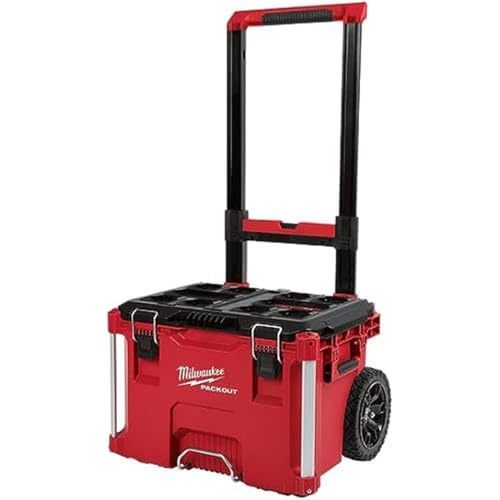
Milwaukee 48-22-8426 Packout 22″ Rolling Tool Box

DEWALT DWST17820 TSTAK Rolling Tool Box

DEWALT DWST17806 TSTAK Extra Large Tool Box
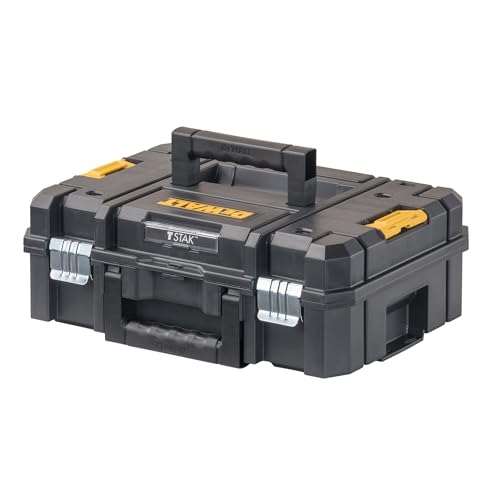
DEWALT DWST17807 TSTAK II Flat Top Case

Regetek Extra Deep Rolling Hard Case 26″

Plano 20″ Portable Tool Box Gray

Regetek 53″ Waterproof Rolling Hard Case
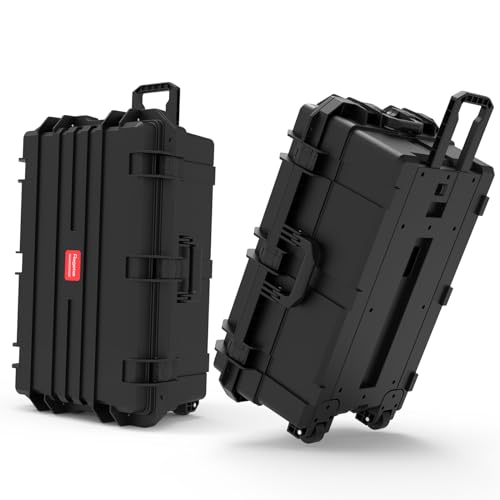
Regetek 33″ Waterproof Hard Case with Foam
A Deeper Look At The Lineup
The Packout rolling box anchors Milwaukee’s modular system, and you feel that the moment you clip another Packout tote on top. The 22-inch shell rides on 9-inch all-terrain wheels, which is generous for a tool box and matters when you cross gravel driveways or expansion joints in a shop floor.
An industrial-grade extension handle gives the box a long, comfortable pull, and the metal-reinforced corners plus a metal locking point suggest Milwaukee expects this unit to take a hit. Compared with the DEWALT TSTAK rolling box in the next slot, the Packout leans heavier on weather sealing (IP65-rated, meaning it shrugs off rain and dust jets) and a wider wheel stance, which trades some interior space for ground clearance.
Practical Advantages
- 9-inch all-terrain wheels clear shop debris and curb cuts without snagging.
- IP65 weather seal keeps rain-blown dust and moisture off hand tools and batteries.
- Modular top accepts other Packout toolboxes, organizers, and bags as add-ons.
- Metal-reinforced corners and locking point add real drop and pry resistance.
- Heavy-duty latches stay shut under vibration when you tow it in a truck bed.
Things To Consider
- Interior tray is sold separately, so a first-day setup costs more than the box alone.
- Empty weight is substantial, and the unit gets heavy fast once you load cordless tools.
Who It Suits Best
Tradespeople already invested in Milwaukee cordless tools who want a single rolling base for a growing Packout stack.
Consider Something Else When
The DEWALT DWST17820 TSTAK rolling box is a stronger match for pros who run the DEWALT 20V platform.
DEWALT’s rolling TSTAK unit plays a different game than the Milwaukee Packout. It is built around a deep storage shell on 7-inch wheels, with a metal-reinforced telescopic handle that leans back to give you maximum interior space when you tip the box for access.
Rust-resistant metal latches and side-stack latches let you clamp additional TSTAK modules on top without them sliding off in the truck. For shop-to-site routes, the handle telescopes to a comfortable pull height, and the wide-set wheels keep the box tracking straight. Against the Packout rolling box above, you trade all-terrain wheels for a deeper storage cavity and a tighter integration with other TSTAK toolboxes you may already own.
The Case For It
- Deep main cavity swallows corded tools, batteries, and chargers in one trip.
- Leaning telescopic handle opens up interior room instead of crowding it.
- Side latches lock stacked TSTAK modules in place during transport.
- Metal latches resist rust in humid shop environments and outdoor sites.
- 7-inch wheels roll smoothly across flat concrete and asphalt.
Worth Noting
- Smaller wheel diameter than the Milwaukee Packout, so rough gravel is rougher on the bearings over time.
- Stacking too many TSTAK units creates a tall tower that tips easily on uneven shop floors.
Made For
DEWALT platform users who already own a few TSTAK organizers and want one rolling base to tie them together.
Where Another Pick Suits Better
The Milwaukee 48-22-8426 Packout rolling box fits better if you haul heavy loads across gravel or job-site mud.
The DWST17806 is the deep-storage middle child of the TSTAK family. Its extra-large design swallows circular saws, reciprocating saws, and a half-inch impact kit in the main well, while a removable top tray keeps bits, blades, and hex keys within arm’s reach.
Side latches click into any other TSTAK unit, so this box stacks cleanly with the smaller organizers. Water and debris resistance on the top helps when the box sits on a wet truck bed cover. The unit carries no wheels of its own, which is a key difference from the TSTAK rolling box above. You carry it, then stack it, then wheel the whole stack around on a base unit.
Strong Points
- Deep main compartment handles bulky corded and cordless power tools with room to spare.
- Removable tray speeds access to the consumables you reach for constantly.
- Side latches connect to other TSTAK modules for one-trip transport.
- Water- and debris-resistant top keeps light rain and sawdust out of the main cavity.
Trade Offs
- No wheels and no handle, so it relies on a base unit for mobility.
- Heavy once loaded, and the carry handle is the only practical lift point.
Right Fit For
Pros who already own a TSTAK rolling base and need one deep module for their largest power tools.
Not Your Match When
The DEWALT DWST17820 TSTAK rolling box is the better first buy if you do not yet own any TSTAK rolling platform.
At 13 inches, the TSTAK II is the small-format brick of the family. The flat top is a deliberate design choice, giving you a stable platform to stack more TSTAK units or set a battery charger on, which matters when work surface real estate is tight.
Heavy-duty latches and a 66-pound load rating mean the case can act as a base layer for lighter TSTAK stacks. The DWST17807 holds both corded and cordless tools plus accessories, and like the deeper DWST17806, it relies on a base unit for rolling. The 13-inch footprint suits a service van shelf or a workbench end where a 22-inch box would not fit.
Strengths Worth Knowing
- Flat top doubles as a stackable base and a stable resting surface for tools or a charger.
- 66 lb load capacity covers drills, impacts, and a healthy accessory loadout.
- Compact 13-inch footprint fits service van shelves and tight workbench corners.
Points To Note
- No wheels, so a rolling base or a separate carrier handles the mobility.
- Shorter depth than the DWST17806, so larger saws and grinders may not fit.
- Stacking three or more units high without a base creates a tip hazard.
Best Suited To
Tradespeople who already run a TSTAK rolling base and need a compact, mid-size add-on module.
Look Elsewhere When
The DEWALT DWST17806 TSTAK extra-large tool box is the better pick if your priority is maximum single-box volume.
Regetek steps away from the modular tool-box world and into sealed protective cases. The 26-inch shell has an interior depth of roughly 23 inches, which is the selling point for anyone hauling studio strobes, surveying equipment, or tall light stands that do not survive being laid sideways.
The case carries IP67 sealing, meaning it handles dust and brief immersion, and the rolling handle plus wheels turn the box into a checked-luggage-style trunk. The internal dimensions of about 21 x 9 x 23 inches suit gear that is narrow but tall. Unlike the DEWALT TSTAK and Milwaukee Packout above, this is a single rigid shell, not a stackable system, and that rigidity is exactly why it earns its keep in transit.
Where It Delivers
- Extra-deep interior fits tall strobes, light stands, and surveying instruments upright.
- IP67 sealing protects against rain, dust, and short immersion in puddles.
- Rigid shell construction cushions impact better than soft-sided organizers.
Soft Spots
- No internal tray system, so organization depends on added foam or pouches.
- Wheels and telescoping handle are designed for flat surfaces, not rough terrain.
Key Specs
Who Will Love This
Surveyors, lighting techs, and field-crew pros who need a sealed trunk for fragile, expensive gear.
Reach For A Different Pick When
The Plano 20″ portable tool box is a better fit for general hand-tool carry in a home garage.
The Plano 20-inch is the old-school handle-carry tool box, and there is good reason it has stayed on shelves for decades. The wide-mouth opening gives you clear sightlines to a lift-out tray, and the bulk storage below the tray swallows hammers, pliers, and bulky fasteners.
Two brass bail latches and a heavy-duty carry handle are the only moving parts, which is part of the appeal, since there is little to break. A molded padlock tab lets you thread a small lock through the hasp for child safety or shop security. Compared with the wheeled units on this list, the Plano is not a roller, but it is the right shape for a closet shelf or a kitchen-counter weekend project, and the price sits well below the rolling options.
Where It Helps
- Wide top opening gives instant access to the lift-out tray and bulk storage below.
- Brass bail latches stay secure and resist corrosion in humid garages.
- Built-in padlock tab adds a layer of security without aftermarket parts.
Honest Caveats
- No wheels, so it has to be carried; the weight adds up once you fill the base.
- Plastic shell does not match the impact rating of the hard cases on this list.
Perfect Match For
Homeowners and DIYers who need a simple, durable place to corral hand tools in a garage or closet.
A Better Fit Elsewhere
The Regetek 33″ waterproof hard case makes more sense for photographers transporting camera gear.
At more than four feet long, this Regetek is the longest rolling case on the list, and that length is the entire point. Long camera booms, microphone stands, light tubes, and collapsed c-stands all want a long, narrow case, and a standard 22-inch rolling tool box cannot give them that.
The shell carries IP67 sealing and a crushproof rating, plus three large carry handles that act as grab-and-go points when you need to lift rather than roll. The interior is 48.6 x 12 x 7.5 inches, which gives you a long but shallow space. Set against the shorter Regetek cases in the lineup, this is the long-haul travel case for production gear, not the everyday workshop tool box.
Well-Handled Touches
- Length accommodates boom poles, light tubes, and collapsed c-stands in one piece.
- Three carry handles give multiple people lift points for heavier loads.
- Crushproof shell protects contents from rough baggage handling and truck stacking.
A Few Limitations
- Length makes it awkward to store in standard closets and many vehicle cargo areas.
- Shallow interior depth limits bulky gear, so foam planning matters.
Who Should Grab It
Audio engineers, filmmakers, and production crews who travel with long, fragile equipment that needs weather and crush protection.
Swap It Out When
The Regetek Extra Deep Rolling Hard Case (26″) suits taller, narrower equipment loads better than long gear.
The 33-inch Regetek case is the middle child of the brand’s rolling hard cases, and it lands in the sweet spot for camera, drone, and electronics owners. Customizable foam lets you carve snug compartments for a mirrorless body, several lenses, a drone, and a controller without things rattling during transit.
The case carries IP67 sealing, a retractable handle, and rolling wheels, and the interior space of about 27 x 15.6 x 11.3 inches is wide enough for laptops, mixers, and a couple of strobes. Against the larger 53-inch model in the previous slot, this one trades length for width, and that width is what you need when your gear is squat rather than long.
The Good Stuff
- Customizable foam interior shapes around fragile gear for a snug, rattle-free ride.
- Retractable handle and wheels turn a heavy load into a rolling one.
- IP67 sealing stands up to airline cargo holds and outdoor field shoots.
What To Weigh
- Custom foam takes time to lay out and cut, so plan a setup afternoon before the first trip.
- Hard shell is heavier than soft camera bags, which matters for carry-on limits.
Whose Shelf It Belongs On
Photographers, drone pilots, and traveling creators who need padded, sealed storage for fragile electronics.
Where A Sibling Pick Shines
The Regetek 53″ waterproof rolling case is the better fit for very long gear like boom poles and light stands.
What Matters Most Before Choosing Roller Tool Boxes
Match the box to your platform first. Milwaukee Packout and DEWALT TSTAK are modular ecosystems, so the right starting box depends on which cordless tool family you already own. Locking into a second system means hauling two sets of batteries, two chargers, and two stacking languages, and the duplicate weight adds up fast on a job site.
Wheel size and terrain matter more than people expect. Small 5-inch wheels roll fine on flat shop concrete, but they bind on gravel, expansion joints, and threshold strips. Larger 7- to 9-inch all-terrain wheels handle uneven surfaces with less wrist strain, and that comfort compounds across a full workday.
Internal depth and tray layout shape your daily routine. A lift-out tray gives you a place for daily-driver tools (drivers, bits, pliers) without dumping the whole box. Modular foam interiors make sense only for fragile electronics, since cutting foam takes time and reduces usable volume.
Sealing ratings, which are standardized codes like IP65 (dust-tight and resistant to water jets) and IP67 (dust-tight and protected against temporary immersion), tell you how much weather the box survives. A garage-only box does not need much, but anything stored in a truck bed or used on outdoor job sites benefits from real sealing.
Key Considerations Across These Picks
Where Shoppers Go Wrong
The most common mistake is choosing a rolling tool box before considering how it moves around the rest of your gear. A box that does not stack with your existing cases ends up orphaning them, and you end up with two parallel systems fighting for truck space. Measure your vehicle cargo area before you commit, since a 26-inch-tall case can block rear visibility in some vans and SUVs.
Where The Extra Money Goes
Higher-priced rolling boxes tend to spend the budget on larger wheels, sealed latches, and metal-reinforced corners, plus better weather sealing. For a weekend garage user, those upgrades feel excessive. For daily tradespeople moving tools in rain, dust, and over curbs, those upgrades pay back in fewer broken latches and less water-damaged gear over years of use.
Frequently Asked Questions
What size roller tool box do most people need?
A 22-inch rolling box fits most cordless tool kits, batteries, and a charger without becoming hard to maneuver. Go larger only if you haul corded tools, long levels, or full sets of hand tools in a single trip.
Are modular roller tool boxes worth the extra cost?
Modular systems cost more upfront, but they save time when you add cases later, since every new box clicks onto the stack. They also let you drop off one module at a time on a job site rather than hauling the whole kit.
How important is the wheel size on a rolling tool box?
Wheel size is one of the most underrated features, since small wheels bind on cracks and gravel while larger wheels roll smoothly over uneven surfaces. Choose the largest wheels your budget and storage space allow.
Can roller tool boxes be locked?
Most quality rolling boxes have a metal locking point or a molded padlock tab that accepts a small padlock. For truck-bed storage or shared shop spaces, that lock point is a practical feature to confirm before you buy.
Should I choose a hard case or a modular tool box for transport?
Hard cases protect fragile electronics and sensitive instruments from crush and water, while modular tool boxes focus on organized, stack-friendly storage for hand and power tools. Your gear profile, rather than the box, should drive the choice.




