


Oil paint rewards patience and punishes sloppy application. The right roller helps the medium behave the way you want it to, holding enough pigment to lay down color without dragging or skipping. Across fine art studios, printmaking benches, and household trim jobs, the tools vary more than the marketing suggests, so it pays to know what each one actually does.
We pulled together nine options built for oil-based work, from diamond painting pressing tools to printmaking brayers and small foam rollers that handle trim and craft projects. The list balances studio tools with home-improvement-friendly rollers, so painters, printmakers, and crafters can all find a sensible match for their setup.
The Lineup, Simplified

EastyGold 5D Diamond Painting Roller Pressing Kit

Purdy 140605064 White Dove Mini Roller Covers (2 Pack)
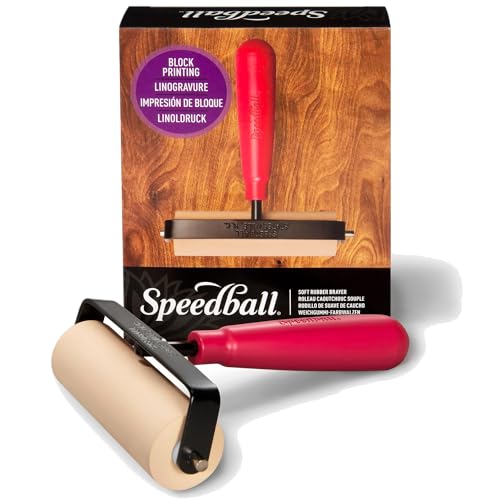
Speedball 4126 Deluxe Soft Rubber Brayer (4″)
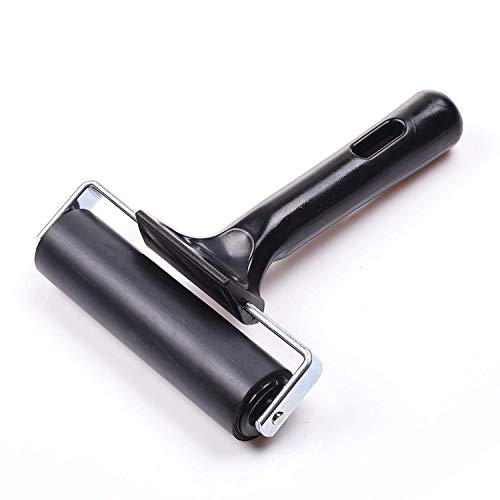
AKIRO 4-Inch Rubber Brayer Roller
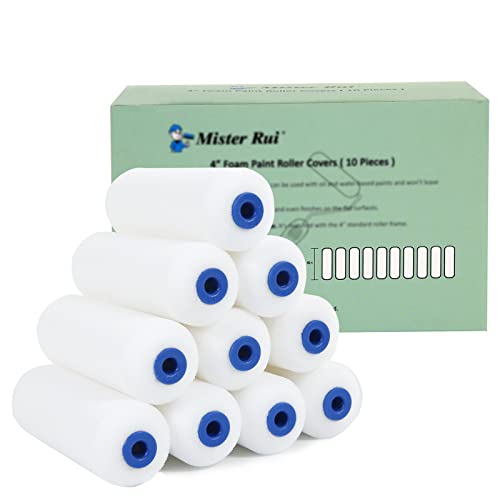
Mister Rui Mini Foam Paint Roller (10 Pack, 4″)

Bates 4-Inch Foam Paint Roller Set (12-Piece)

Purdy 140755200 Steel Paint Roller Spinner

WHIZZ Premium Foam Concave Roller (10 Pack, 4″)
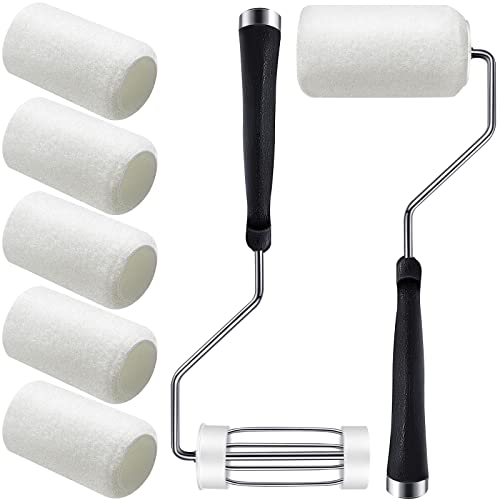
Tessco 2 Pack 4-Inch Paint Roller Kit
Meet The Standout Selections
Strictly speaking, this tool lives outside the traditional oil painting kit, but for crafters who work with 5D diamond painting kits, the EastyGold roller press solves a familiar frustration. After hours of placing tiny resin facets onto an adhesive canvas, the surface often looks slightly raised, catching light unevenly and making the finished piece look unfinished in spots.
The roller applies even, moderate pressure across the whole canvas, pushing each rhinestone firmly against the adhesive so the finished surface reads flat and uniform. The hand-push design keeps the motion controlled enough for a beginner to get consistent results without crushing the facets.
The Case For It
- Presses facets flat for a uniform light reflection
- Ergonomic hand-push design reduces wrist strain
- Portable enough to take to craft nights or classes
- Durable enough to handle multiple large canvases
Worth Noting
- Specifically built for diamond painting, not paint rollers in the traditional sense
- Excess pressure can crack resin facets, so a light touch matters
Made For
Diamond painting hobbyists finishing full-drill or partial-drill kits who want a flat, professional-looking final surface.
Look Elsewhere When
You need a roller that actually applies oil paint, in which case the Mister Rui Mini Foam Paint Roller or Purdy White Dove covers will fit your workflow much better.
Purdy’s White Dove covers sit in a category of their own when it comes to smooth finishing work, and the 6-1/2 inch wire frame size hits a sweet spot for trim, doors, and smaller wall sections where a 9-inch roller feels clumsy. The fabric is handcrafted in the USA and designed to leave a lint-free surface, which matters more than people expect until they have spent an hour picking fibers out of fresh paint.
These covers accept both latex and oil-based formulas, so a painter switching between primer, stain, and topcoat in a single session can use one sleeve. For oil-based work specifically, the 1/2 inch nap depth holds enough material to lay down even coverage on semi-smooth surfaces without flooding the substrate.
Useful Highlights
- Lint-free fabric keeps the finished surface clean
- Compatible with oil and latex formulas across sheens
- 6-1/2 inch width handles trim and tight wall sections easily
- Handcrafted construction holds up to repeated wash cycles
Trade Offs
- 2-pack only, so high-volume jobs need extra sleeves on hand
- Premium pricing compared to generic mini covers
Feature Snapshot
Who It Suits Best
Professional painters and serious DIYers who want a lint-free finish on trim, doors, and small wall sections using oil-based paints or primers.
Consider Something Else When
You mostly paint broad walls and need a wider sleeve, in which case the Mister Rui 4-inch foam covers offer more surface coverage per pass.
Printmakers who work in linocut, soft block, or woodcut know that the brayer is the unsung hero of clean editions. The Speedball 4126 uses a soft natural latex gum rubber at 40/42 durometer, which gives it just enough give to follow the carved surface without distorting fine lines. The 4-inch width suits both detailed blocks and broader relief plates.
Unlike a paint roller, a brayer transfers ink rather than holds a reservoir, so the steel frame matters as much as the rubber. The heavy-duty steel construction on this model eliminates warping over time, which is the most common failure point on cheaper brayers that twist after months of studio use.
Advantages To Know
- Soft 40/42 durometer rubber lays ink down evenly
- Steel frame resists warping under repeated pressure
- Works with both water-based and oil-based printmaking inks
- 4-inch width suits both small blocks and medium plates
Minor Gripes
- Limited to printmaking applications, not a general paint roller
- Rubber surface requires careful cleaning to maintain ink pickup
Right Fit For
Printmakers running small to medium editions in relief who need a brayer that holds its shape over years of use.
Swap It Out When
Your work involves wall or canvas painting rather than block printing, where the Purdy White Dove covers or Mister Rui foam rollers fit the job.
The AKIRO brayer splits the difference between a printmaking tool and a general studio helper, and that versatility is the main reason it earns a spot on this list. The rubber drum measures roughly 4 inches across, with a metal and plastic bracket that keeps the rolling action smooth. For crafters who switch between applying glue, burnishing decals, and working with ink, that flexibility removes the need to buy three separate tools.
Compare that to the Speedball 4126 reviewed earlier, which is purpose-built for printmaking with a heavier steel frame. The AKIRO is lighter and more approachable for beginners, and the price reflects that, though the rubber surface may not hold its shape as long under heavy daily studio use.
The Good Stuff
- Multi-purpose use across gluing, stamping, and ink work
- Lightweight enough for extended hand use
- Affordable entry point for new printmakers and crafters
Room For Improvement
- Plastic and metal bracket less rigid than all-steel alternatives
- Rubber drum may wear faster under heavy studio workloads
Who Should Grab It
Beginners and hobbyists who need a versatile brayer for crafting, stamping, and light printmaking without investing in pro-grade tools.
Reach For A Different Pick When
You run a serious printmaking practice, where the heavier steel frame of the Speedball 4126 will outlast the AKIRO under daily pressure.
For painters running a multi-room project or anyone who keeps a stocked utility drawer, bulk foam covers solve the disposable-versus-reusable debate by offering both. The Mister Rui 10-pack includes 4-inch high-density foam sleeves that work with water-based and oil-based paints, so you can move between enamel trim work and a craft project without swapping product lines.
The 4-inch size fits standard mini frames, and the high-density foam holds its shape well enough to clean and reuse a few times. For flat surfaces like cabinet doors or shelving, the smooth nap leaves a finish close to what a short-pile fabric cover produces, without the lint risk.
Positive Points
- Ten sleeves per pack covers multi-room projects
- Reusable across a few sessions with proper cleaning
- Works with both water-based and oil-based paints
- Compact size fits trim, cabinets, and craft surfaces
Points To Keep In Mind
- Foam sleeves wear faster than fabric on rough surfaces
- Frame sold separately, so factor that into the total cost
Best Suited To
DIYers and crafters handling multiple small painting jobs who want a stockpile of foam covers ready to go without reordering constantly.
A Better Fit Elsewhere
You want a complete kit with frame and tray included, in which case the Bates 4-Inch Foam Paint Roller Set is a more economical bundle.
First-time painters often underestimate how many small parts a basic kit requires until they are standing in the middle of a project with a frame but no tray. The Bates 12-piece set bundles a plastic paint tray, a roller frame, and ten white foam covers, so the box contains everything needed for a starter job on cabinets, doors, or trim.
The high-density foam sleeves aim for a lint-free, streak-free finish on flat surfaces, which makes them a sensible match for oil-based enamels on smooth woodwork. For textured walls, the foam will struggle, so keep this kit scoped to the surfaces it actually handles well.
Positive Takeaways
- All-in-one kit removes the guesswork for beginners
- High-density foam targets a smooth, lint-free result
- Tray and frame sized to match the 4-inch sleeves
- Affordable compared to buying components separately
Small Caveats
- Plastic tray is functional but lightweight
- Foam sleeves underperform on heavily textured walls
- Bundle focus means less flexibility for advanced users
Key Specs
Perfect Match For
First-time DIY painters setting up a small home project and wanting a kit that includes the tray, frame, and sleeves in a single box.
Skip It When
You already own a frame and tray and only need sleeves, where the Mister Rui 10-pack offers more covers at lower cost per sleeve.
Strictly speaking, this is not a paint roller at all but a roller cleaner, and that distinction matters for anyone running a busy shop. The Purdy spinner uses a steel frame designed to fit a 5-gallon bucket, letting you spin a loaded cover dry in seconds. Removing excess paint before cleaning means less solvent use and faster turnover between colors or products.
For painters who switch between oil-based and water-based products throughout the week, the steel construction handles the heavier solvents without degrading like plastic spinners tend to. The mounting fits most standard buckets, and the silver finish wipes clean easily between jobs.
Key Advantages
- Steel build holds up to oil-based solvents
- Spins covers dry to reduce paint waste and mess
- Fits standard 5-gallon buckets commonly found in shops
- Speeds up cleanup when switching between products
Honest Caveats
- Not a painting tool, so it complements rather than replaces a roller
- Requires a dedicated workspace to operate safely
Built With In Mind
Pro painters and serious DIYers who want to extend the life of their roller covers and cut down on solvent use between sessions.
Another Choice May Suit
You only paint occasionally, where a simpler cleanup routine will do the job without a dedicated spinner on the bench.
Concave foam rollers solve a specific problem that flat rollers handle poorly: edges. The slightly recessed profile keeps paint off the ends of the sleeve, so the roller can press right up against a window frame, door casing, or ceiling line without loading up the adjoining surface. The WHIZZ pack ships ten 4-inch concave sleeves, made in Germany.
For oil-based trim enamels, the foam lays down a thin, even coat that minimizes brush touch-ups. The 10-pack format keeps a fresh sleeve ready for each color change, which is handy for a job that involves multiple door frames or window units.
Noteworthy Benefits
- Concave shape prevents paint transfer to adjacent surfaces
- German manufacturing suggests consistent quality control
- 10-pack format supports multi-color or multi-room trim work
- Foam nap lays down a thin, even finish on oil enamels
Less Ideal Details
- Concave profile takes practice to control on first use
- Less effective on broad, flat wall areas
Whose Shelf It Belongs On
Trim specialists and detail-oriented painters working on door frames, window casings, and ceiling lines where edge control matters more than speed.
Where A Sibling Pick Shines
You mostly paint large wall expanses, where the broader Purdy White Dove covers will save time over a 4-inch concave sleeve.
Long trim sessions punish the hands, and a hard plastic handle compounds the fatigue. The Tessco kit addresses that with a soft-grip, anti-fatigue handle on each frame, paired with a self-locking mechanism that keeps the cover from sliding off mid-stroke. The pack ships two frames and six covers, so a small project or a couple of rooms can run from a single box.
For oil-based paints on door frames, window sills, and narrow wall sections, the 4-inch width hits a practical balance between coverage and control. The covers hold enough paint to reduce reload frequency, which matters when working on a ladder or in tight corners where stopping to dip costs time.
Why It Works Well
- Anti-fatigue grip reduces hand strain on long jobs
- Self-locking frame keeps the cover secure during use
- Two frames and six covers handle small projects without reordering
- Cover capacity supports fewer reloads on trim and narrow surfaces
Potential Compromises
- Cover quality may not match dedicated pro-grade sleeves
- Compact size makes broad wall coverage slower
Who Will Love This
DIYers tackling trim and narrow surfaces over multiple sessions who want a comfortable grip and a complete frame-and-cover package in one box.
Not Your Match When
You paint large flat walls regularly, where a 9-inch roller with a lint-free fabric cover will finish the job in fewer passes.
What Matters Most Before Choosing Rollers For Oil Paint
Surface Type Drives Roller Selection
The first decision is the surface itself, because oil paint behaves very differently on stretched canvas than on a kitchen cabinet or a linoleum block. Smooth studio surfaces need a roller or brayer that lays down thin, even pressure without leaving texture. Walls and trim can handle a slightly heavier nap that holds more paint. The EastyGold roller press and the brayers from Speedball and AKIRO serve studio work, while the Purdy, Mister Rui, Bates, WHIZZ, and Tessco picks handle home painting tasks.
Nap Length, Foam Density, and Material
Nap length refers to the depth of the fibers on a roller cover, and a shorter nap lays down a smoother finish on flat surfaces. Foam covers like the Mister Rui, Bates, and WHIZZ packs leave a near-spray-like finish on smooth trim. Fabric covers such as the Purdy White Dove reach into semi-rough surfaces without leaving lint behind. Rubber brayers serve a different purpose entirely, transferring ink rather than holding a paint reservoir.
Project Size and Sleeve Replacement Frequency
A 2-pack of professional sleeves suits a single room; a 10-pack covers a multi-room job or a craft marathon. The Mister Rui and WHIZZ 10-packs keep fresh sleeves ready for each color change, while the Bates kit bundles a frame and tray for a complete starter setup. The Purdy spinner is worth considering for anyone reusing the same covers across multiple sessions.
Compatibility With Oil-Based Formulas
Most fabric and foam covers on this list work with both latex and oil-based paints, but the brayers from Speedball and AKIRO are specifically rated for oil-based printmaking inks, not wall paint. Matching the tool to the formula prevents swelling, shedding, or chemical breakdown during use.
Key Considerations Across These Picks
Mistakes Worth Dodging
Choosing a wide roller for trim work leaves more paint on the adjoining surface than on the trim itself, which is exactly the opposite of what edge work demands. The WHIZZ concave shape and the 4-inch foam and fabric covers all exist because the wrong width costs time on cleanup. Another common slip is buying a foam sleeve for a heavily textured wall, where the foam collapses into the texture and leaves gaps. Matching nap depth and material to surface roughness avoids the most frequent frustration.
When Paying More Pays Off
Premium fabric covers like the Purdy White Dove command a higher price because the lint-free weave and consistent density show up directly in the finished surface. For visible topcoats on trim and doors, that upgrade is worth the cost because brush touch-ups to hide fibers take more time than the savings on a cheaper cover. Steel-frame brayers and spinners cost more up front but resist warping and chemical attack from solvents, which extends the working life of the tool across years rather than months.
Frequently Asked Questions
Can I use the same roller for oil paint and latex paint?
You can, but cleaning between formulas takes time, and any residual oil can affect latex adhesion. Many painters keep separate covers for each formula to avoid cross-contamination, and the bulk packs in this list make that practical.
What is the difference between a roller and a brayer?
A roller holds paint in a nap or foam cover and transfers it to a surface in a rolling motion. A brayer uses a smooth rubber drum to press or transfer ink without holding a reservoir, which is why printmaking tools look similar but function differently.
How short should the nap be for smooth oil-based trim work?
A 1/4 inch to 1/2 inch nap is a common range for smooth trim, though the WHIZZ concave foam covers are designed to lay down an even thinner coat for edge work. Shorter nap reduces texture in the final finish.
Are foam rollers good for oil-based paints?
Foam rollers handle oil-based enamels on smooth surfaces, and the Mister Rui, Bates, and WHIZZ packs all support both water-based and oil-based formulas. The main limitation is texture, where foam underperforms on rough walls.
How do I clean a brayer after using oil-based ink?
Wipe off excess ink with a cloth, then clean the rubber drum with the appropriate solvent for the ink type. For oil-based inks, a small amount of mineral spirits on a lint-free cloth works, and the rubber surface should be stored clean and dry to prevent the surface from hardening over time.




