


Staining a deck, refinishing a cabinet, or refreshing a small furniture piece all share the same problem: the nap you grab changes the entire result. Foam lays down glassy coats on flat panels, microfiber grips stain more reliably on vertical surfaces, and a wire-handled mini roller reaches corners a full-size cover cannot. Choosing well comes down to matching the cover to the project, the coating, and the surface texture, and that’s exactly the decision this list is built to simplify. Whether you’re a first-time refinisher or a regular weekend painter, the right roller saves you time, wasted stain, and a lot of frustration on the second coat.
Your Options, Compared

Purdy 140605064 White Dove Wire Mini Roller Replacements, 2-Pack
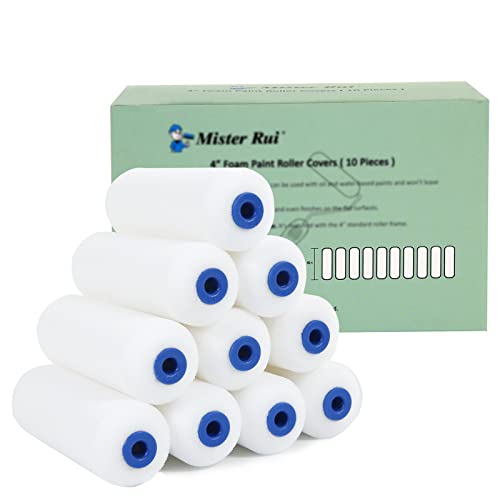
Mister Rui Mini Foam Paint Roller, 10-Pack, 4-Inch

FoamPRO 5R 3-Inch Trim Roller Refills

Purdy Ultra Finish Microfiber Mini Roller Cover, 2-Pack

Dynamic HM005314 Mini Foam Roller Refill, 10-Pack, 4-Inch
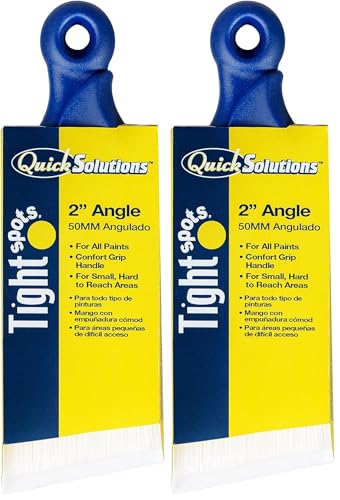
Bestt Liebco QS 2-Inch Short Rubber Handle Roller/Applicator, 2-Pack

Great Andrew 3-Pack 9-Inch Roller Covers, 3/8-Inch Nap

Great Andrew 18-Pack 9-Inch Roller Covers, 3/8-Inch Nap

Great Andrew 10-Pack 6-Inch Rollers, 1/2-Inch Nap
Taking A Closer Look At The Options
Handcrafted in the USA from a tightly woven white fabric, the Purdy White Dove mini roller earns its reputation among finish carpenters and homeowners who want a clean, lint-free cut on interior work. The 6-1/2 inch length pairs well with a standard mini frame, and the 1/2 inch nap is the sweet spot for semi-smooth drywall, light texture on ceilings, and primed trim where stain or paint needs to lay flat without orange peel.
Unlike the foam options further down this list, the woven cover picks up and releases more coating per pass, which is helpful on absorbent drywall or porous wood that drinks the first coat. For most refinishing weekends, two covers in the pack cover a small room or a set of cabinets before washing becomes too much of a chore.
A Few Highlights
- Woven cover leaves a smooth, lint-free surface suitable for stains, clears, and latex or oil-based paints.
- 1/2 inch nap handles semi-smooth to semi-rough surfaces without leaving heavy stipple.
- Two-pack value covers small rooms or cabinet projects without an immediate rebuy.
- Compatible with most standard mini roller frames for fast swap-outs.
Things To Consider
- Woven covers hold more paint than foam, so loading the frame lightly avoids drips on vertical runs.
- Cleaning thoroughly between oil-based and water-based coats is essential to keep fibers from matting.
At A Glance
Who It Suits Best
Homeowners finishing interior drywall, ceilings, or cabinetry who want a clean, lint-free result on stains and paints without paying for specialty microfiber.
Where Another Pick Suits Better
For tight corners and crevice work, the Bestt Liebco QS 2-Inch Short Rubber Handle Roller offers an angled, short-handle reach this woven cover cannot match.
Ten covers in a single box shift the Mister Rui mini foam roller into a different category: disposable convenience for the kind of job where you do not want to spend the evening cleaning. The dense foam lays down an even film on flat surfaces like cabinet doors, drawer fronts, and craft panels, and the 4 inch length is just right for tight edges and face frames that a 9 inch sleeve cannot fit into.
Compared with the Purdy White Dove pick above, this foam leaves a smoother, almost spray-like finish on flat stock, which is exactly what you want when staining a small set of trim pieces or a craft project with a tinted sealer. Owners tend to treat them as semi-disposable, rinsing lightly and discarding once fibers start to break down.
Strengths Worth Knowing
- High-density foam prevents lint and fiber shedding on flat cabinet and craft surfaces.
- Ten-pack volume suits multi-piece projects without mid-job reorders.
- Compatible with most water-based and oil-based paints, stains, and sealers.
- Small 4 inch size fits frames, narrow panels, and trim detail work.
Trade Offs
- Foam holds less coating than woven covers, so expect more dips per stroke on absorbent wood.
- Not ideal for textured or rough surfaces where a nap cover lays down more stain per pass.
- Foam can crumble if cleaned aggressively between coats, so gentle rinsing is the safer approach.
Made For
DIYers and crafters running a batch of flat panels, cabinet doors, or trim pieces who want a foam-smooth finish without the cleanup.
Skip It When
Your project calls for microfiber pickup on smooth walls, where the Purdy Ultra Finish Mini Roller Cover delivers noticeably better stain release.
The FoamPRO 5R packs more foam into a 3 inch sleeve than you might expect, which is why it has held a place on finish carpenters’ trays for years. It is sized for trim rollers, those narrow frames used on window sashes, door edges, and narrow cabinet rails where a 4 or 6 inch cover feels oversized. The foam lays down a smooth, lint-free film on furniture, cupboards, and built-ins.
While the Mister Rui 4 inch foam above is geared toward disposable convenience, the FoamPRO leans toward a higher-capacity foam that rinses clean for several sessions. It is the kind of refill you keep on the shelf for small touch-ups and detail work between full roller sessions.
Where It Helps
- 3 inch width slips into window sashes, narrow rails, and door edges other covers cannot reach.
- High-capacity foam reduces the number of reloads on small furniture and cabinet runs.
- Lint-free finish works on stains, paints, primers, and clears alike.
- Refill format keeps the original frame in service, cutting down on hardware clutter.
Points To Keep In Mind
- The 3 inch sleeve requires a compatible mini trim frame, so you may need a frame on hand.
- Foam rollers in this size rarely include storage caps, so plan on a plastic bag if cleaning between coats.
Right Fit For
Refinishers working on furniture, cupboards, and built-in trim who already own a 3 inch mini frame and want a higher-capacity foam refill.
Reach For A Different Pick When
You need microfiber pickup and release on smooth interior walls, where the Purdy Ultra Finish Mini Roller Cover is the stronger match.
Microfiber is the cover you reach for when the finish is the whole point. The Purdy Ultra Finish sleeve uses a dense microfiber pile at 3/8 inch nap, sized at 4.5 inches wide for use with standard 4 inch mini frames. It is built for smooth walls, ceilings, and trim where the goal is an almost sprayed-on look, and it works especially well with semi-gloss and high-gloss sheens that show every imperfection.
Stains and clears benefit from the same release pattern, since microfiber grabs liquid in a way woven cotton sometimes cannot. For a one-room refresh where you want a smooth, even tone without the lap marks a 9 inch sleeve can leave on a tight wall, this cover is a strong step up from the woven Purdy White Dove pick earlier in this list.
The Upside
- Microfiber pile releases stain and paint evenly, reducing lap marks on smooth walls.
- 3/8 inch nap suits semi-gloss and high-gloss sheens without leaving heavy stipple.
- Compatible with standard 4 inch mini roller frames, so no specialty hardware is required.
- Two-pack format covers a small room or set of trim pieces without reordering.
Worth Noting
- Microfiber holds more liquid than foam, so overload shows up as drips on ceilings and vertical trim.
Feature Snapshot
Best Suited To
Homeowners chasing a smooth, even finish on interior walls, ceilings, and trim where stain or gloss sheens make lap marks unforgiving.
Look Elsewhere When
You are staining a deck or fence run, where the Great Andrew 18-Pack 9-Inch Roller Covers in this list offer a much higher-volume nap option.
The Dynamic mini foam refill is built around a specific problem: foam tends to trap bubbles when it lays down latex enamel, and most generic refills are not designed to prevent that. Dynamic’s foam is formulated to apply latex enamels without bubbling, which makes it a strong choice for melamine, semi-gloss, and enamel paint jobs where a smooth, level film matters.
Doors, cupboards, and window frames are the natural home for this refill, and the 4 inch width is a comfortable size for most trim and face frame work. Where the Mister Rui 10-pack leans toward disposable convenience, this one tolerates multiple cleaning cycles for ongoing trim projects around the house.
The Good Stuff
- Formulated to apply latex enamels without trapping bubbles under the film.
- Handles melamine, semi-gloss, and enamel paints in addition to stains and clears.
- 4 inch width suits doors, cupboards, and window frames comfortably.
- Ten-pack format is well-matched to multi-room trim projects.
Honest Caveats
- Foam will break down faster if you scrub it aggressively between coats, so rinse gently and store wrapped.
- Stiffer foam takes a couple of strokes to break in, so the first pass may feel uneven on rough wood.
Whose Shelf It Belongs On
Painters and homeowners regularly finishing doors, cupboards, and window frames in latex enamel who need a foam refill that resists bubbling.
A Better Fit Elsewhere
For a smoother foam film on craft and cabinet projects where cost per cover matters more, the Mister Rui Mini Foam 10-Pack in this list is a sensible swap.
Not every staining job is a flat surface, and that is where the Bestt Liebco QS 2-Inch applicator earns its slot. The 2 inch width and short rubber handle are built for hard-to-reach spots like louvered shutter slats, narrow muntins on cabinet doors, and the tight returns on window trim. It works with all paints and stains, which keeps a single tool useful across a wide range of finishes.
It is a different category from the foam and microfiber refills earlier in this list. Where those assume a relatively open surface, this applicator trades speed for access, getting stain into the corners where a standard mini roller would smear and skip.
What Stands Out
- 2 inch width reaches into louvered shutters, narrow muntins, and tight trim returns.
- Short rubber handle improves control in confined spaces and on detailed work.
- Compatible with all paints and stains for a single tool across multiple projects.
- Two-pack format gives you a backup or a second applicator for switching finishes.
Less Ideal Details
- 2 inch width is too small for broad surfaces, so this lives alongside a wider roller rather than replacing one.
- Short handle sacrifices reach, so a full-size frame is still the better tool for open runs.
Who Should Grab It
Finishers staining louvered shutters, narrow cabinet mullions, and tight window trim who need a tool small enough to actually reach the inside corner.
Swap It Out When
You are staining a wide flat panel or face frame, where the FoamPRO 5R 3-Inch Trim Roller Refill lays down a smoother film with less edge drag.
The Great Andrew 3-pack steps up to the full 9 inch format, which is the size most homeowners picture when they imagine rolling a wall or staining a piece of furniture. The polyester fabric is non-shedding, so the cover lays down a clean film on interior walls, and the 3/8 inch nap handles light texture and semi-smooth surfaces well.
Three covers in a pack hit a comfortable middle ground for a one-room project, and the durable polyester holds up to multiple cleaning cycles if you take care of the rinse. It is also a natural pick for staining furniture, where the 9 inch width covers a chair back or a tabletop in fewer strokes than the mini sleeves earlier in this list.
Key Advantages
- Polyester fabric resists shedding, leaving a cleaner surface than cheaper covers.
- 3/8 inch nap suits light texture and semi-smooth walls without over-stippling.
- Three-pack volume matches a single-room refresh without overcommitting to bulk.
- Compatible with all paints and stains, keeping the project to a single roller set.
Room For Improvement
- 3/8 inch nap lays down less stain per dip than a 1/2 inch sleeve on absorbent wood.
- Polyester holds onto water-based paints longer than expected, so wash thoroughly before storage.
Perfect Match For
Homeowners tackling a single-room refresh, a small furniture refinish, or a deck railing where a 9 inch roller is the right scale.
Where A Sibling Pick Shines
For multi-room or whole-deck staining sessions, the Great Andrew 18-Pack 9-Inch Roller Covers in this list offers the same 3/8 inch nap at higher volume.
For deck staining, fence runs, and whole-room repaints, 18 covers is the kind of pack that turns a multi-day project into a manageable one. The 3/8 inch polyester nap is the same profile as the 3-pack above, so the finish is consistent, but the volume removes the need to stop and wash between every wall or panel.
The dense fibers are built to hold more stain per dip, which speeds up coverage on rough cedar and weathered decking. Where the 3-pack is comfortable for a one-room refresh, this 18-pack is the right size for a real project.
Notable Gains
- 18-pack volume supports deck, fence, and multi-room projects without mid-job reorders.
- 3/8 inch nap handles textured surfaces and light wood grain without leaving bald spots.
- Polyester fibers hold more coating per dip, speeding up large surface coverage.
- Non-shedding construction keeps lint out of the stain film on the second coat.
Small Caveats
- Eighteen covers take up real shelf space, so plan on a labeled bin if you are storing extras.
- Polyester dries stiff if left sitting wet, so rinse and stand upright between uses.
Feature Snapshot
Built With In Mind
Homeowners and property owners staining a full deck, fence run, or set of rooms where cover turnover is the bottleneck.
Not Your Match When
You are staining a small cabinet or a single chair, where the Mister Rui 4-Inch Mini Foam Roller is the better-sized tool for the job.
The 6 inch width sits in a useful middle ground between the 4 inch minis earlier in this list and the 9 inch full-size covers. It is wide enough to cover a fence picket or a door panel in a few strokes, and small enough to handle smaller furniture faces without feeling oversized. The 1/2 inch nap and acrylic fibers grab more stain than a 3/8 inch sleeve, which speeds up rough wood.
The washable acrylic nap is built to last through multiple sessions, which makes this pack a practical choice for ongoing property maintenance, not just a one-time staining job.
Useful Highlights
- 6 inch width covers fence pickets, door panels, and small furniture faces quickly.
- 1/2 inch nap holds more stain for faster coverage on rough or absorbent wood.
- Acrylic nap is washable and crack-resistant for repeat use across projects.
- Ten-pack volume suits ongoing property maintenance without reordering.
Practical Considerations
- 1/2 inch nap leaves a slightly heavier stipple than 3/8 inch, which may show on very smooth surfaces.
- Acrylic fibers need a thorough rinse and an upright dry to keep the nap from matting in storage.
The Right Fit
Homeowners and property owners staining fence pickets, door panels, and small furniture on a regular basis who want a reusable, mid-size roller.
Consider Something Else When
You are finishing a smooth interior wall or piece of trim, where the Purdy Ultra Finish Microfiber Mini Roller Cover delivers a finer, gloss-friendly surface.
What Matters Most Before Choosing Rollers For Stain
Nap Length And Surface Texture
Nap is the depth of the roller fiber, and it controls how much coating the cover picks up and how much texture it leaves behind. A 1/4 inch nap lays stain almost like a sprayer on smooth cabinetry, while a 1/2 inch or deeper nap pushes more stain into rough wood grain, decking, and textured drywall. The honest read is that a deeper nap covers a textured surface faster, but it also leaves a heavier stipple, so it is not the right call for furniture where you want the grain to look glassy.
Cover Material: Foam, Woven, Microfiber, And Polyester
Foam is the right call for flat panels and enamel finishes, especially when you want a smooth, lint-free film with no orange peel. Woven cotton covers like the Purdy White Dove hold more coating and lay down a classic finish on drywall and trim. Microfiber grips stain more reliably and releases it evenly, which is why it shines on gloss sheens and smooth walls. Polyester and acrylic nap covers are the workhorses for deck and fence staining, where durability and reusability matter as much as the finish.
Roller Width And Frame Compatibility
Width matters because it sets how fast a surface gets covered and how tight a space you can fit into. A 9 inch sleeve is the standard for walls and decking, while 4 to 6 inch minis are better for cabinet doors and trim. Specialty 2 to 3 inch applicators are the only realistic option for louvered shutters, narrow mullions, and the deep returns on window trim. The cover must also match the frame you already own, since a 4.5 inch microfiber sleeve fits a standard 4 inch mini frame, not a full-size 9 inch cage.
Key Considerations Across These Picks
Where Shoppers Go Wrong
Picking a roller by nap depth alone is the most common mistake, and it shows up on the wall as either heavy stipple or starved coverage. The smarter move is to match nap to surface texture, roller width to the size of the work, and material to the coating. Foam looks great on flat panels but loads too much air on rough wood, and a deep nap leaves a stipple pattern that does not belong on a smooth cabinet door. Buying too few covers is the second trap, since stain, primer, and sealer each deserve a fresh sleeve, and a tired cover leaves lint and uneven film on the final coat.
What The Upgrade Payoff Buys
Higher-tier covers, like the Purdy Ultra Finish microfiber in this list, earn their place on the wall by releasing stain more evenly and reducing lap marks on gloss sheens. That translates to fewer coats and less back-rolling on the second pass, which is the real labor savings. For a one-off project, a mid-range woven or foam cover is usually enough, but for a large deck or a long run of cabinets, a denser cover pays for itself in time saved and a cleaner final finish.
Frequently Asked Questions
What nap roller is best for stain?
A 3/8 inch nap is the most versatile choice for stain on smooth to lightly textured wood, while a 1/2 inch or deeper nap works better on rough or weathered surfaces. Foam covers are a separate category, and they shine on flat panels where you want a smooth, even film with no fiber texture.
Can I use a foam roller to apply stain?
Foam rollers work well with stains on flat surfaces like cabinet doors, drawer fronts, and small furniture faces. They are not the right call for rough wood or textured grain, where a nap cover pushes more stain into the surface for better coverage.
How do I keep my roller covers from shedding?
Rinse new covers before the first use to remove loose fibers, and load the cover with stain or paint slowly so the nap does not get torn by aggressive dipping. Storing covers upright to dry keeps the nap from matting, and replacing a cover as soon as it starts shedding extends the finish quality of the rest of the project.
Are microfiber roller covers worth the extra cost?
Microfiber covers are worth it for smooth walls, ceilings, and gloss sheens where lap marks show up easily, since they release stain and paint more evenly than woven cotton. For rough wood or one-coat deck staining, a polyester or acrylic nap cover usually gets the job done without the extra spend.
How many roller covers do I need for a typical staining project?
A small furniture or trim job usually needs two to three covers so a fresh sleeve is available for the second coat. A full deck or fence run typically uses a sleeve per section, so a multi-pack like the Great Andrew 18-pack in this list is a more practical volume than buying singles.




