


Painting a textured ceiling, whether it’s a 1990s popcorn ceiling or a knockdown finish, punishes ordinary rollers. The nap collapses into the crevices, the cover leaves bare patches, and the whole job turns into a slow, frustrating mess. A proper textured ceiling roller needs a longer nap (the length of the fibers on the cover), usually 3/4 inch or more, to push paint into every valley. You also want a sturdy frame that won’t bend under pressure and a handle long enough to keep you off the ladder. The picks below cover full-room rollers, mini touch-up kits, and a few specialized tools that solve specific ceiling problems.
A Quick View Of The Lineup

Sheetrock USG Outside 90° Corner Bead Roller

Purdy WhiteDove Wire Mini Roller Replacements
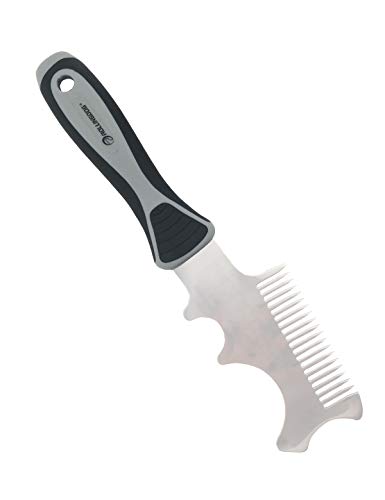
ROLLINGDOG 4-in-1 Paint Brush Comb

Purdy Ultra Finish Microfiber Mini Roller Covers

MARSHALLTOWN Automotive Rubber Sound Deadening Roller

Mister Rui 20-Pack Paint Roller Kit
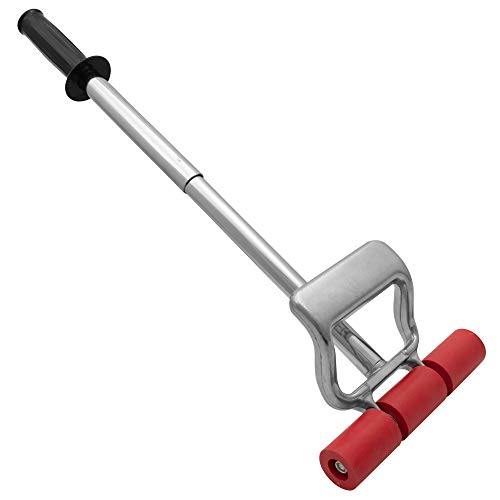
Peachtree Extendable Heavy Duty Wall Roller

Mister Rui 4 Inch Mini Paint Roller Kit

Bates Paint Roller Kit with 2 Microfiber Covers
A Closer Look At Each Pick
The Sheetrock USG Outside 90° Corner Bead Roller isn’t a paint roller in the usual sense, but it earns its spot because every textured ceiling eventually meets a corner that needs paper-faced bead (a strip of paper and metal that reinforces drywall seams) rolled tight. The stainless steel body shrugs off jobsite abuse, and the soft-grip wheels keep the tool tracking without scratching the paper face. The attached 4-foot fiberglass pole reaches most ceiling corners without a ladder.
If you’re finishing new drywall in a room with a popcorn or knockdown ceiling, this tool bridges the gap between taping and painting. It won’t lay down texture, but it does the precise outside-corner work that frames the rest of the room.
A Strong Showing
- Stainless steel construction resists rust on damp jobsites and cleans up easily after a long day.
- Soft-grip wheels glide over paper-faced bead without tearing the surface, which matters when the finish coat goes on next.
- 4-foot fiberglass handle covers most ceiling corners from the floor, reducing ladder time and fatigue.
- Designed for paper-faced outside corners, a niche most general-purpose rollers can’t address cleanly.
Things To Consider
- Specialized tool, so most casual DIYers will only reach for it once per project.
- Fiberglass pole adds weight compared to aluminum alternatives, which you’ll notice during overhead work.
Built With In Mind
Drywall finishers and remodelers installing paper-faced outside corner bead in rooms with textured ceilings.
Skip It When
You’re only painting an existing textured ceiling, since the Mister Rui 4 Inch Mini Paint Roller Kit is a better match for spot repairs.
Purdy’s WhiteDove covers are a familiar name among painters for good reason. The 6-1/2 inch by 1/2 inch size is small enough to maneuver around ceiling fixtures, light boxes, and ceiling fan mounts where a 9-inch frame is too clumsy. The 1/2 inch nap (the length of the fabric pile, longer than a smooth-wall cover but shorter than heavy popcorn) is right for semi-rough surfaces, including older knockdown finishes that aren’t deeply textured but still need paint pushed into the valleys.
These covers are sold as a two-pack, which matters because textured ceilings chew through covers faster than flat drywall. A lint-free finish is the bigger story: WhiteDove fibers shed far less than cheap polyester, so the dried surface stays clean instead of dotted with fuzz.
Positive Points
- 1/2 inch nap hits a useful middle ground, deep enough for knockdown texture, short enough to avoid overloading paint.
- Lint-free construction keeps the wet surface clean, which shows up immediately in the final finish under raking light.
- Handcrafted build holds shape across multiple loads of paint, reducing cover changes mid-room.
Trade Offs
- 6-1/2 inch width is narrow for large open ceiling spans, so coverage per pass is limited.
- For deep popcorn texture, a 3/4 inch or 1 inch nap would carry more paint and reach further into crevices.
Quick Facts
Right Fit For
Homeowners repainting a knockdown or lightly textured ceiling who want a clean finish on a smaller roller frame.
A Better Fit Elsewhere
Deep popcorn ceilings, where the Mister Rui 20-Pack Paint Roller Kit offers a more forgiving microfiber nap.
The ROLLINGDOG 4-in-1 is a maintenance tool, not a roller cover, but it solves a real problem for anyone painting a textured ceiling. The 420 stainless steel body flexes without snapping and resists rust in a wet bucket. Four shaped edges handle mini rollers, larger mini rollers, full-size roller covers, and a comb edge for brushes, so one tool replaces a drawer full of cleaning gadgets.
Textured ceiling paint is heavy-bodied and full of fillers. If you don’t clean the nap thoroughly right after pulling the cover off, the next session finds a hard, useless nub. This comb scrubs paint out fast enough that the cover actually survives the project.
Useful Strengths
- Four dedicated edges cover mini, large mini, and standard roller sizes, plus a brush-cleaning side.
- 420 stainless steel construction balances flexibility with strength, so the comb flexes around roller cores without bending permanently.
- Compact size fits in a paint tray for quick mid-job rinses.
Honest Caveats
- Doesn’t replace a proper roller spinner for water-based latex paints, which still need a rinse cycle.
- Sharp edges are effective but require a steady hand to avoid slicing the cover nap on delicate microfiber sleeves.
Whose Shelf It Belongs On
Regular DIYers and pros painting multiple textured rooms per year who want to extend the life of premium roller covers.
Not Your Match When
You’re only painting a single small ceiling patch, since the Mister Rui 4 Inch Mini Paint Roller Kit already includes disposable-friendly sleeves.
At 3/8 inch nap and 4-1/2 inches wide, these Purdy Ultra Finish covers lean toward smooth surfaces, but on lightly textured ceilings they pull double duty. Microfiber picks up and releases paint more evenly than traditional woven fabric, which means fewer lap marks (visible stripes where wet and dry paint overlap) on the overhead surface. The mini size reaches into the corners where the ceiling meets crown molding, the spots that always get missed with a full 9-inch frame.
The trade-off is nap length. If your ceiling is heavy popcorn, these covers will skip across the high spots and leave the lows untouched. For knockdown or orange-peellight texture, they leave a noticeably smoother coat than a standard knit cover.
Notable Gains
- Microfiber construction loads paint evenly, which reduces streaking on long overhead passes.
- Compact 4-1/2 inch width navigates tight spots like ceiling fan canopies, smoke detector mounts, and recessed light trims.
- Compatible with any standard 4-inch mini frame, so you can pair it with a frame you already own.
Worth Noting
- 3/8 inch nap is too short for deep popcorn or heavy knockdown texture, where a 3/4 inch or longer nap reaches further.
- Microfiber holds more water, so spin-out before rolling is important to avoid drips on the face below.
Feature Snapshot
Who Should Grab It
Homeowners painting a lightly textured ceiling who want a smoother finish than a standard knit cover delivers.
Reach For A Different Pick When
Your ceiling is true popcorn, since the Mister Rui 20-Pack Paint Roller Kit comes with longer-nap microfiber sleeves.
The MARSHALLTOWN rubber roller is built for a specific task: pressing down sound-deadening mats, peel-and-stick tiles, and similar pressure-sensitive materials. It is not a paint roller, and you won’t see it on most ceiling-painting lists, but it earns a mention because textured ceilings sometimes hide a layer of vinyl-faced wallpaper or acoustic tile that needs adhesion work before any paint goes on.
The flat rubber design distributes pressure evenly across the surface, which prevents the bubbling that foam or fabric rollers can leave on peel-and-stick products. Assembled in the USA and built by a tool brand with a long track record.
The Practical Payoff
- Flat rubber surface applies even pressure, eliminating bubbles under peel-and-stick tiles or sound-deadening pads.
- DuraSoft handle reduces grip fatigue during extended pressure work on large overhead panels.
- Compact size fits into corners and edges where wider rollers can’t apply consistent force.
Soft Spots
- Not designed for paint, so it adds cost if you only need it for a single ceiling project.
- Rubber can mark some delicate surfaces, so a test pass on a hidden corner is wise before going full coverage.
Best Suited To
Garage and workshop owners installing peel-and-stick acoustic or sound-deadening panels on textured ceiling surfaces.
Look Elsewhere When
You’re rolling paint on a standard textured ceiling, since the Peachtree Extendable Heavy Duty Wall Roller is purpose-built for that work.
The Mister Rui 20-pack is the closest thing to a starter bundle for ceiling paint work. It includes a 9-inch frame, a 4-inch frame, multiple microfiber sleeves in both sizes, a paint tray with liners, brushes in three widths, tape, and a drop cloth. For a homeowner painting one or two textured ceilings, this is often the only kit needed to start.
Microfiber covers hold more paint per dip than standard knit, which matters on a popcorn ceiling where the texture soaks up liquid like a sponge. The mix of sleeve sizes means you can roll the main field with the 9-inch and cut in the perimeter with the 4-inch without buying a second kit.
Useful Highlights
- 20-piece kit covers the basics: two frame sizes, multiple sleeves, tray, liners, brushes, and tape in one purchase.
- Microfiber sleeves load and release paint consistently, which reduces the number of trips back to the tray on a heavy texture.
- Disposable tray liners speed cleanup, useful when the project stretches across two weekends.
Factors To Consider
- Many accessories in the kit are entry-level quality, and serious DIYers may swap the brushes for higher-end options later.
- Microfiber sleeves are not lint-free at the level of premium woven covers, so very smooth ceiling finishes may show minor texture.
Quick Facts
Who Will Love This
First-time ceiling painters who want a single kit that covers walls, trim, and a textured ceiling in one trip.
Where Another Pick Suits Better
Large open floor plans, where the Peachtree Extendable Heavy Duty Wall Roller covers more square footage per pass.
The Peachtree extendable roller is built for big surfaces. At 17 inches wide and extendable to 27 inches, it covers a ceiling span in a fraction of the passes a standard 9-inch roller needs. The segmented drum (a roller made of narrow raised ribs rather than a smooth sleeve) applies consistent pressure across wall coverings, laminates, and large veneer projects.
For most ceiling paint jobs, a 17-inch roller is overkill. Where it earns its keep is in basements, garages, and commercial spaces with wide uninterrupted ceiling fields. The extendable handle keeps the work on the ground for most ceiling heights.
Everyday Advantages
- 17-inch segmented drum covers nearly twice the area of a 9-inch roller in a single pass.
- Extendable handle reaches standard ceiling heights without a ladder for most adults.
- Heavy-duty construction handles pressure-sensitive materials like laminate and veneer without flexing.
Some Limits To Know
- Width makes it awkward in small rooms with lots of ceiling fixtures, fans, or recessed lights.
- Weight and length create fatigue faster than a standard 9-inch frame, especially on long overhead passes.
Perfect Match For
Homeowners and pros rolling laminate, wall covering, or veneer on large flat ceiling or wall spans in a basement or workshop.
Consider Something Else When
You’re working in a small bedroom with a popcorn ceiling, since the Mister Rui 4 Inch Mini Paint Roller Kit handles tight quarters better.
The Mister Rui mini kit is the right scale for small textured ceiling projects: a bathroom repair, a water-stained patch above the kitchen sink, or one room’s worth of touch-up. It includes a 4-inch tray, snap-fit handle, two reusable tray liners, a liner cover, dual-brown microfiber sleeves with 9mm nap (longer for texture), white microfiber sleeves with 6mm nap (shorter for smoother areas), and a 1.5-inch angled brush.
Two nap lengths in one kit is the smart detail. You can match the nap to the texture without buying a second sleeve, and the angled brush handles the perimeter where the ceiling meets the wall. For a single-room patch, this covers everything.
The Value In It
- Dual-density sleeves (9mm and 6mm nap) in the same kit let you adjust to different texture depths on one job.
- Reusable tray liners reduce cleanup time and let you switch paint colors without washing the tray.
- Compact 4-inch frame fits into the small spaces where a 9-inch roller is unmanageable.
Points To Keep In Mind
- 4-inch width is slow on large rooms, so this is a patch kit, not a whole-house solution.
- Plastic snap-fit handle is lighter than threaded metal, which can flex slightly under heavy pressure on deep texture.
Made For
Homeowners repairing a stained or damaged section of textured ceiling without setting up a full painting station.
Another Choice May Suit
Whole-room repaints, where the Mister Rui 20-Pack Paint Roller Kit covers more area per session.
The Bates Choice kit is the simplest of the bunch: a 9-inch roller frame and two 9-inch microfiber covers. No tray, no brush, no extras. For someone who already owns the tray and brush from a previous project, this is a clean, no-fuss refill that adds a 1/2-inch nap cover suitable for ceilings, walls, and floors.
The 1/2 inch nap is the all-purpose middle ground. It’s not deep enough for heavy popcorn, but on knockdown and orange-peel textures it lays down paint in one pass with a reasonable load. The metal frame keeps the roller true under pressure.
The Upside
- 9-inch frame with a comfortable grip handle keeps long ceiling passes steady without slipping.
- Two microfiber covers with 1/2 inch nap handle a typical room in one or two coats, depending on texture depth.
- Simple kit format means lower cost than bundled kits if you already own the tray and brush.
Possible Compromises
- 1/2 inch nap is a compromise choice, and deep popcorn texture will need a longer-nap cover to fill all the lows.
- No tray or brush included, so first-time owners will need to add those separately to start the job.
Who It Suits Best
Homeowners with a basic toolkit who need a reliable 9-inch frame and covers for a single textured ceiling repaint.
Swap It Out When
You’re starting from scratch with no tray, brushes, or extra covers, in which case the Mister Rui 20-Pack Paint Roller Kit bundles more for the same job.
Choosing Rollers For Textured Ceilings Without Regret
Match The Nap To The Texture
Nap length is the single most important decision. Popcorn ceilings need 3/4 inch to 1-1/4 inch nap so paint reaches into the deep crevices. Knockdown and orange-peel textures perform well with 1/2 inch. Lightly textured or smooth ceilings look best with 3/8 inch. Picking a shorter nap than the texture demands leaves the lows unpainted, which shows up immediately when the lights come on.
Pick A Frame That Fits The Room
A 9-inch frame is the everyday standard. A 4-inch mini frame reaches into corners, around ceiling fixtures, and across small patches. A 17-inch segmented roller speeds up large open spaces but becomes a liability in rooms with many light fixtures. Most DIYers end up with a 9-inch as the primary and a 4-inch for trim work.
Look At Cover Material, Not Just Size
Microfiber holds more paint per dip and lays it down more evenly than standard knit, which matters on absorbent popcorn texture. Woven covers like Purdy’s WhiteDove shed less lint but hold less paint. For most homeowners, microfiber is the better balance. For paint jobs where the smoothest finish matters, lint-free woven covers earn their higher cost.
Choose A Kit That Matches Your Scope
A bundled kit makes sense for a first project because it includes tray, liners, brushes, and tape in one purchase. A bare frame-and-cover set makes more sense for someone replacing a worn-out roller. Specialty tools like extension poles, segmented wide rollers, and rubber pressure rollers address specific tasks that a basic kit won’t cover.
Things Worth Knowing Before You Buy
Pitfalls Shoppers Hit
The most common mistake is grabbing a smooth-wall roller (3/8 inch nap or shorter) for a popcorn ceiling. The cover bridges across the high spots and the lows stay dry, leaving a stippled, half-painted surface. The second mistake is buying the cheapest cover on the shelf: low-quality knit sheds fibers into the wet paint, and those fibers harden into the surface where they’re hard to remove without sanding. The third is skipping an extension pole. Ceiling work without one means a ladder, which slows you down and adds risk.
When Paying More Pays Off
Higher-end covers like Purdy’s WhiteDove hold their shape across multiple coats, shed less lint, and produce a cleaner final finish under angled light. Premium kits add extras like thicker frames, denser microfiber, and reusable tray liners that hold up across multiple projects. For a single bathroom ceiling, a basic kit is enough. For a whole-house repaint or a project where the finish quality is the point, the upgrade to a name-brand cover pays back in time saved and a result that looks better in raking light.
Frequently Asked Questions
What nap length works best for a popcorn ceiling?
A 3/4 inch to 1-1/4 inch nap is the practical range for true popcorn texture. The longer fibers push paint into the deep crevices that a short nap would bridge over. For knockdown or orange-peel texture, a 1/2 inch nap is usually enough.
Can I use a regular paint roller on a textured ceiling?
Standard 9-inch rollers work, but only with the right nap. A short-nap smooth-wall cover will leave the low spots unpainted. Pick a cover with nap length matched to the texture depth, and pair it with an extension pole to reduce ladder time.
How do I keep roller marks off a textured ceiling?
Maintain a wet edge by overlapping each pass before the previous one dries. On heavy texture, load the cover fully and roll in one direction across the main field, then cross-roll lightly to even out coverage. Going back over a partially dried area creates the lap marks that show up after the paint cures.
Do microfiber rollers work on textured ceilings?
Yes, and microfiber is often the better choice. The fibers hold more paint than standard knit and release it more evenly, which speeds up coverage on absorbent popcorn texture. Microfiber covers also tend to last longer across multiple coats in the same project.
How long should a textured ceiling roller cover last?
A microfiber cover typically survives two to three full loads of paint before the nap starts to mat down. On a heavy popcorn ceiling, expect to swap covers once or twice per room. Cleaning the cover with a roller comb right after use extends its life across multiple projects.




