


Textured walls swallow ordinary rollers and spit out streaky, patchy coats. Whether you’re knocking out a weekend accent wall or rolling mud across a full room, the right roller changes the entire job: the nap length hugs orange peel, the frame reaches corners without scrapes, and pressure stays even on a popcorn surface. This lineup mixes classic J-rollers, corner kits, and extendable handles, with one texture-mixing accessory that earns its spot for homeowners mixing knockdown or orange peel from scratch.
The Picks In Brief
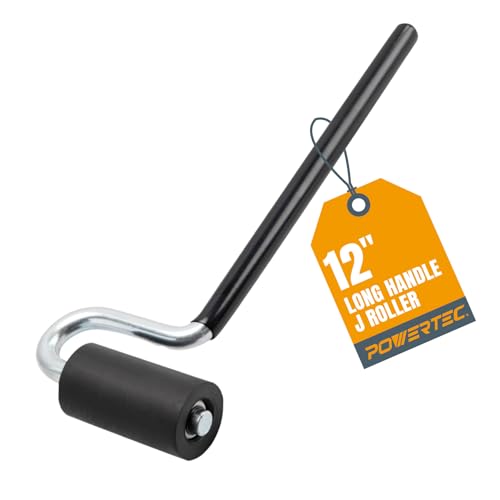
POWERTEC 12″ Long Handle J Roller (71010)

POWERTEC 14″ Curved Handle J Roller (71011)
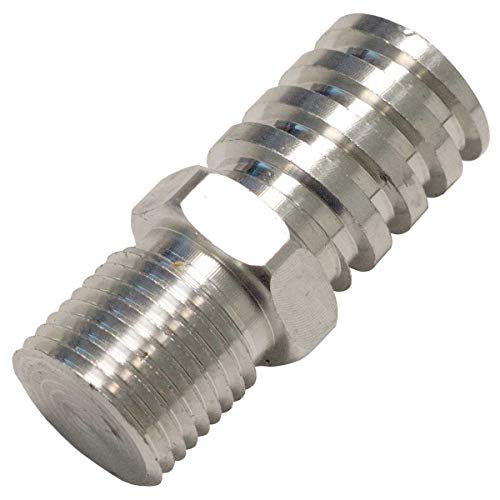
Columbia Taping Tools Coarse Thread Adapter

ALLWAY HMQ Helix Paint Mixer for Drill, 2 Pack

POWERTEC Extendable Floor and Wall Roller (71033V)
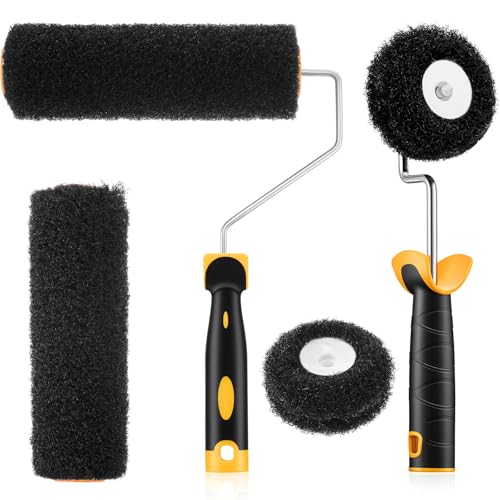
Chumia 9 Inch Drywall Roller Kit
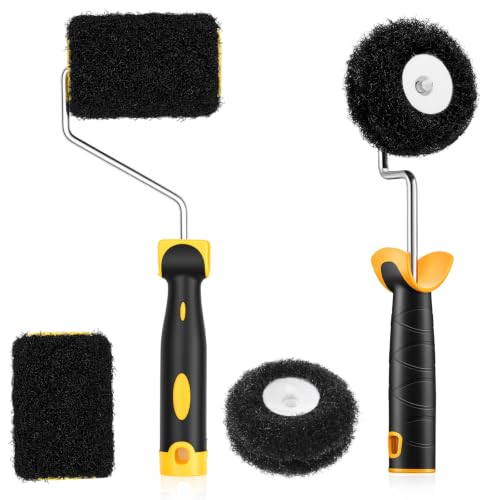
Chumia 4 Inch Drywall Roller Kit
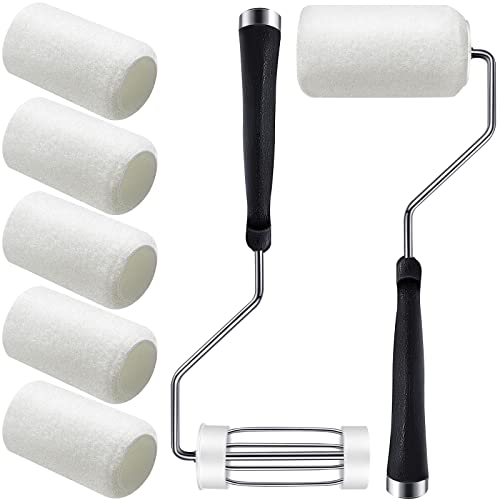
Tessco 2 Pack 4 Inch Paint Roller Kit
The POWERTEC 12-inch J-Roller is a wallcovering workhorse, the kind of tool most homeowners reach for without overthinking it. The straight hardwood handle gives you direct feedback as you press seams flat, and the 3-inch rubber wheel rolls cleanly across laminate, veneer, and wallpaper joints. For anyone running a border along a textured accent wall, the weight and balance feel intuitive in hand.
Compared to the curved-handle version coming up next, this J-roller trades a little wrist comfort for raw pressing power. You’ll notice the difference on long vertical runs where leverage matters more than ergonomics. The rubber wheel is firm enough to chase trapped air out from under wallpaper edges without marring the face paper.
Useful Touches
- 12-inch handle gives solid leverage on tall wall seams
- 3-inch rubber wheel distributes pressure evenly across edge banding and wallpaper overlaps
- Straight-bar design makes it easy to track seams in a straight line for clean, repeatable results
- Doubles as a laminate and veneer press for countertop and shelf projects
Worth Noting
- Hardwood handle can feel slick if your hands are dusty from sanding mud
- No soft grip padding, so longer sessions may tire your palm on a full-room project
Who It Suits Best
DIYers installing wallpaper borders, edge banding, or small laminate panels on a textured wall who want a no-fuss press roller that stays in the kit for years.
Where Another Pick Suits Better
Homeowners with longer sessions and wrist fatigue concerns may prefer the POWERTEC 14-inch Curved Handle J Roller, which trades a touch of raw leverage for a more ergonomic grip.
The 14-inch Curved Handle J-Roller from POWERTEC addresses a specific complaint: straight bars start to bite into your palm after the second sheet of wallpaper. The curved profile redirects force through your forearm instead of your wrist, which matters on textured walls where you press harder to chase bubbles out of every pocket. For floor work, the same curve keeps your knuckles clear of the substrate as you lean in.
Compared to the 12-inch J-roller above, this one gains reach and comfort at a slight cost to rigid feedback. You’ll trade a hair of precision on tight inside corners for a tool you can hold all afternoon. The 3-inch rubber wheel stays the same, so the seam quality you get is identical between the two.
Useful Strengths
- Curved handle takes pressure off the wrist during long wall runs
- 14-inch length adds reach for high wallpaper borders without a stool
- Same 1-1/2 inch rubber wheel as the 12-inch version, so seam quality matches the smaller sibling
- Useful on both floor and wall projects, including tile flashing and veneer pressing
Trade Offs
- Slightly bulkier in tight inside corners where a straight bar can sneak in closer
- Curved handle may feel unfamiliar at first if you learned on classic straight J-rollers
Made For
Homeowners with a full room of wallpaper or a stack of laminate panels to press, where wrist comfort and longer reach matter more than pocket-sized agility.
Consider Something Else When
Users working mostly on small craft projects and trim-level edge banding may find the POWERTEC 12-inch Long Handle J Roller easier to maneuver in confined spaces.
The Columbia Taping Tools Aluminum Adapter is a small chunk of metal that solves a specific frustration: a roller cage that won’t thread onto your drywall handle because the patterns don’t match. The 3/4-inch ACME coarse thread on one side pairs with a fine thread on the other, so you can swap between paint roller cages and corner roller handles without buying a second pole.
Unlike the rollers on the rest of this list, this adapter doesn’t touch the wall at all. It earns its spot for anyone already owning an extendable pole or a corner roller handle and looking to expand into textured wall work. Aluminum construction keeps weight low at the working end of a long handle, which matters when you’re reaching up to knock out orange peel on a ceiling line.
Where It Helps
- Converts fine-thread handles to coarse ACME 3/4″ threads for paint roller cages and texture brushes
- Works with All-Wall X1 and Rankee extendable handles, common platforms in many DIY tool kits
- Lightweight aluminum won’t weigh down the end of a long reach pole
Small Caveats
- Not a roller itself; you need compatible handles and roller cages to make it useful
- Single function means it only pays off for owners of multiple compatible tools
Quick Facts
Right Fit For
Shoppers who already own an extendable drywall handle and want to start painting or texturing without buying a whole new system.
Not Your Match When
Beginners starting from scratch will get more value from a complete roller like the Tessco 4-inch Paint Roller Kit, which includes frames and covers out of the box.
The ALLWAY HMQ Helix Mixer earns a place on a textured wall list because of what you put on the roller, not the roller itself. The patented helix mixing head pulls thick wall texture, joint compound, and heavy-bodied paints into a smooth vortex inside the bucket, so you don’t roll a chunk of half-mixed mud onto the wall. The 1/4-inch hex shaft fits any 3/8-inch drill or larger.
Compared to the rest of the list, this is the one pick that doesn’t roll. It earns a spot because chunky texture ruins an otherwise perfect roller job, and the two-pack lets you run one for paint while the other stays dedicated to texture mix. For anyone spraying or rolling knockdown or orange peel from raw materials, the helix pattern beats a flat paddle for breaking up settled solids.
What Earns Its Place
- Mixes viscous wall texture, paint, stains, and adhesives in a fraction of the time of hand stirring
- 1/4-inch hex shaft fits standard 3/8-inch or larger electric drills
- Two-pack lets you dedicate one mixer to paint and another to texture
- Polypropylene head resists damage from solvents and won’t rust into your bucket
Practical Considerations
- Slows your drill on the deepest buckets, so you may need a corded drill for full 5-gallon texture pails
- Not a roller; only useful for the prep step before you load your roller cover
Best Suited To
Homeowners mixing knockdown, orange peel, or joint compound from scratch, or anyone with multiple paint colors who wants a dedicated mixing tool.
Look Elsewhere When
Shoppers only rolling premixed paint from the store can skip this entirely and go straight to a roller kit like the Chumia 9 Inch Drywall Roller Kit for the wall work itself.
The POWERTEC 71033V is a different kind of tool: a 7.5-inch-wide steel roller on a handle that telescopes from 17 inches to 27 inches. For textured walls, that width covers a lot of orange peel in a single pass, and the extension lets you reach upper wall sections without dragging a ladder across the room. The die-cast second handle gives you a two-handed grip when you need to lean into stubborn seams.
Compared to the J-rollers at the top of the list, this tool is built for force and coverage, not seam detail. You’ll reach for it when you’re rolling vinyl, LVP, or large-format wall coverings where every stroke needs to push air out from a wide surface. For typical paint on a standard texture, it’s overkill, but for the jobs it was made for, nothing else here matches the reach.
Notable Gains
- 7.5-inch roller width covers large wall and floor sections in fewer passes
- Handle extends from 17 to 27 inches, so ceiling and tall wall work needs no ladder
- Die-cast secondary handle provides leverage and two-handed control on stubborn seams
- Works on LVP, vinyl, linoleum, tile, carpet, and wall coverings for a versatile kit addition
Honest Caveats
- Bulkier than a J-roller, so corner and detail work calls for a smaller tool from this list
- Heavier at full extension, which can fatigue shorter sessions for some users
Feature Snapshot
Who Will Love This
Homeowners installing wide vinyl wall coverings or LVP across a large room, where reach and coverage matter more than pocket-sized agility.
A Better Fit Elsewhere
DIYers focused on paint and texture on standard walls will get more day-to-day use from the Chumia 9 Inch Drywall Roller Kit, which includes a matching corner frame.
The Chumia 9-inch kit gives you two frames in one box: a standard 9-inch roller and a corner roller, each with a replacement cover. For textured walls, that combination covers the full job, main field and inside corners, without swapping out your cover. The steel frame, polypropylene fleece cover, and plastic components feel sturdy enough for repeated mud and paint cycles.
Unlike the small 4-inch version coming up next, this kit covers ground faster but loses some of the nimbleness in tight spots. The 9-inch width suits a full accent wall or a garage repaint where you want to finish in one weekend. For a closet or a bathroom, the smaller kit makes more sense, while the 9-inch earns its place on larger surfaces.
Positive Takeaways
- Standard and corner frame included, so field and detail work use the same kit
- 9-inch width speeds up mud application on large textured wall sections
- Steel frame construction holds up to repeated joint compound and paint cycles
- Replacement covers included, so you can keep rolling while the first set dries
Points To Keep In Mind
- Too wide for tight bathroom corners and narrow closet walls
- Replacement covers are basic, so heavy users may want to upgrade nap length separately
Perfect Match For
DIYers tackling a full-room drywall mud job or repainting a textured accent wall, where coverage speed and corner access both matter.
Swap It Out When
Anyone working mostly in tight spaces, like a small bathroom or a stairwell, will find the Chumia 4 Inch Drywall Roller Kit easier to control.
The 4-inch sibling to the Chumia 9-inch kit trades width for maneuverability. On a textured wall, that smaller footprint shines in tight spots: behind a toilet, inside a closet, or along a stairwell where a 9-inch frame can’t physically fit. You get the same steel frame construction and a matching corner roller, so the kit feels like a shrunken version of its bigger brother, not a downgrade.
Where the 9-inch kit works for whole accent walls, this one targets detail zones and small repairs. If you’re patching a section of orange peel or rolling a mud skim onto a backsplash area, the 4-inch width keeps the roller inside the work zone without dragging texture onto adjacent surfaces. For most homeowners, owning both makes sense, but if you only have one textured wall to maintain, this is a sensible starting point.
Notable Upsides
- 4-inch width reaches tight zones where wider rollers can’t physically fit
- Same steel frame, corner roller, and replacement cover setup as the 9-inch kit
- Polypropylene fleece covers handle both joint compound and paint without shedding
- Lightweight enough for overhead and stairwell work without arm fatigue
Some Limits To Know
- Slow on large open walls, since the 4-inch width means many more passes
- Smaller cover holds less paint, so expect more frequent reloads from the tray
Who Should Grab It
Homeowners maintaining a small textured wall, doing patch repairs, or working in bathrooms and closets where the bigger kit won’t reach.
Reach For A Different Pick When
Anyone planning a full-room skim coat or repaint should size up to the Chumia 9 Inch Drywall Roller Kit for fewer passes and faster coverage.
The Tessco 2 Pack is a budget-friendly entry point: two self-locking 4-inch roller frames and a stack of six replacement covers, all with a soft-grip handle designed to cut down on hand fatigue. On a textured wall, the smaller width works fine for paint touch-ups and small accent zones, and the self-locking frame keeps the cover from spinning off mid-roll.
Compared to the Chumia 4-inch kit, this one skips the dedicated corner frame and adds a second standard frame instead. The trade-off favors people who want to color-match or run two paint types in parallel, rather than finishing a corner cleanly. For textured wall paint, the soft grip handle is a thoughtful touch you don’t always see at this size.
Strong Points
- Two frames let you run two colors or paint types without stopping to wash out
- Six replacement covers mean you can roll an entire weekend project without a wash cycle
- Self-locking frame keeps the cover secured during heavy pressure on textured surfaces
- Anti-fatigue soft grip handle eases strain on longer paint sessions
Less-Strong Areas
- No dedicated corner frame, so inside corners require a separate brush or a different kit
- Lightweight frame flexes under heavy pressure, which can leave uneven coats on deep texture
Feature Overview
Built With In Mind
First-time DIYers painting a small textured accent wall, or homeowners maintaining trim and narrow surfaces around the house, where a budget kit covers the basics without overspending.
Where A Sibling Pick Shines
Anyone planning a full-room textured wall project will get more from the Chumia 9 Inch Drywall Roller Kit, which adds a proper corner frame to the package.
## What To Weigh Before Picking A Roller For Textured Surfaces Texture changes the rules. A smooth roller cover that glides on flat drywall will skip across orange peel and leave holidays you can see from across the room. The picks above target a few common scenarios: small seam work with a J-roller, large field coverage with a wide frame, and prep work with a mixer. Match the tool to the room, not the other way around. ### Nap Length And Frame Width Nap is the fluffy fiber length on a roller cover, and it determines how much paint or mud the cover can hold and push into texture. Shorter naps lay paint smooth, while longer naps reach into deeper pockets. For light orange peel, a 3/8-inch nap handles paint well; for heavier knockdown or popcorn texture, a 3/4-inch or longer nap fills the gaps without leaving dry spots. The POWERTEC 71033V’s 7.5-inch width is built for the field, while the J-rollers focus on seams where frame width doesn’t matter as much as roller firmness. ### Corner Access And Frame Reach Every textured wall job has inside corners, and most rollers can’t reach them. The Chumia kits solve this with a dedicated corner frame, while the J-rollers rely on the rubber wheel to press seams flat without needing a frame at all. For ceiling lines and high walls, an extendable handle keeps you off ladders. The Tessco kit is fine for trim-level work but you’ll want a brush for true corners. ### Material Compatibility Not every roller pairs with every medium. J-rollers shine on wallpaper and laminate, where firm rubber pressure drives out air without damaging the surface. For joint compound, mud, and paint, a fleece roller cover holds more material and releases it into the texture. The ALLWAY HMQ mixer is a separate prep tool, but skipping it on a chunky texture mix leads to a lumpy roller finish even with the best cover. ## Smart Buying Advice Before You Choose ### Common Shopping Slip Ups Picking the smoothest cover you find is the first mistake. Smooth covers look professional in the store, but they slide over texture instead of filling it, leaving the wall patchier than before. Match nap length to texture depth instead of brand name. The second trap is buying a J-roller for the whole job. J-rollers are perfect for seams, edge banding, and small detail work, but they don’t cover a 12-by-12 wall in any reasonable time. Pair a J-roller with a wider frame for the field, or you’ll spend the weekend pressing seams while the wall stays half-painted. ### Where The Extra Money Goes Higher-tier roller kits often add a dedicated corner frame, a denser cover that holds more material, and a sturdier frame that resists flexing under heavy pressure. For occasional touch-ups, the budget kits handle the basics. For a full-room repaint, the upgrade to a kit with a corner frame and a steel-core frame usually pays for itself in time saved and a more even finish across the whole wall. ## Frequently Asked Questions ### What nap length works best for textured walls? A 3/8-inch nap covers light orange peel well, while heavier knockdown or popcorn texture benefits from a 3/4-inch or longer nap that pushes paint or mud deeper into the surface pockets. ### Can I use a J-roller for paint, or only for wallpaper? J-rollers work for both, but they shine on seams, edge banding, and wallpaper where firm rubber pressure drives out air. For broad paint coverage on a textured wall, a wider fleece-covered frame lays paint faster and more evenly. ### Do I need a separate corner roller? A dedicated corner frame saves time on inside corners where a straight roller can’t reach. Skipping it means more brush work or uneven coverage along the corner line. ### How do I clean and store a textured wall roller? Most fleece covers rinse out with warm water for latex paints, while oil-based products call for the appropriate solvent. Squeeze the cover from the nap end, let it air dry completely, and store it in a breathable bag to prevent mildew. ### Can one roller handle both joint compound and paint? Yes, with thorough cleaning between uses. A polypropylene fleece cover tolerates both materials, but leftover mud in the nap will leave grit in your paint finish, so dedicated covers for each medium is the more reliable approach.



