


A shingle job in summer heat teaches you fast whether your hammer actually works for you. The right tool on a roof means less missed strikes, fewer thumb-jammed nails, and a finished deck you can sign off on without second-guessing the seams. The picks below cover framers, weekend DIYers, and full-time roofers, with options for magnetic one-hand nailing, lightweight all-day work, and budget-friendly backups. Each one solves a slightly different problem on the roof, so match the tool to the task rather than the other way around.
An Overview Of The Picks

ESTWING Curved Claw Hammer, 16 oz (E3-16C)

STANLEY 16oz Fiberglass Curved Claw Hammer, 450g
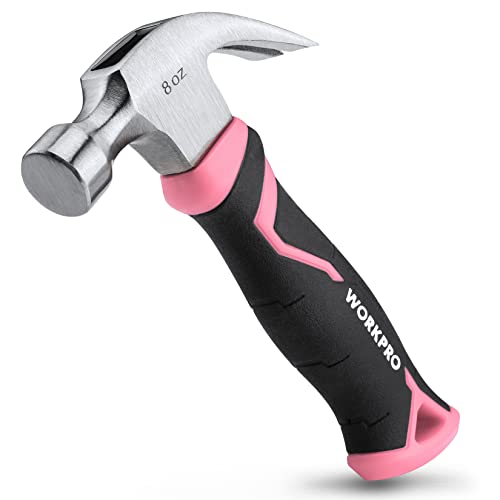
WORKPRO 8 oz Claw Hammer, Pink Fiberglass Handle

Mr. Pen 8 oz Magnetic Claw Hammer, Yellow
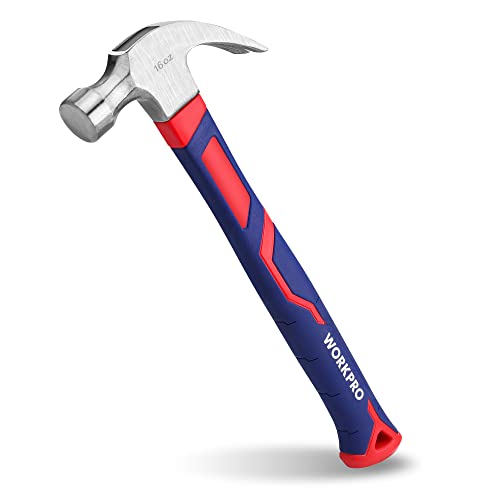
WORKPRO 16 oz Claw Hammer, Fiberglass Handle

WORKPRO 8 oz Small Claw Hammer, Fiberglass

Holdly Magnetic Roofing Hammer, Multifunctional Hatchet

Holdly 17 oz Magnetic Roofing Hatchet, Ash Handle

Holdly Magnetic Roofing Hammer, Wood Handle
The Strengths Of Each Pick
The ESTWING E3-16C has earned its spot on framing belts and roofer pouches for decades, and for good reason. The head and handle are forged from a single piece of solid steel, which means there is no joint, no epoxy, and no weak spot where the two halves meet. For shingle work, that translates into a tool that survives drops off a ladder without splitting at the collar.
At 16 ounces with a smooth face, the head delivers enough mass to sink roofing nails in one or two strikes while staying controllable overhead. Compared to the WORKPRO 16 oz Claw Hammer that follows, the ESTWING trades a cushioned fiberglass grip for an integrated shock-reduction sleeve, which feels different in the hand rather than strictly better. For most framers, that grip tradeoff is the whole conversation.
Where It Delivers
- One-piece forged steel construction removes the head-loosening failure mode that plagues cheaper hammers.
- 16 oz head strikes a practical balance for both framing nailers’ nails and the longer roofing nails used on shingles.
- Curved claw geometry provides good leverage when prying up old flashing or pulling bent nails.
- Shock-reduction grip noticeably softens wrist fatigue on long tear-off days, in our view.
- Made in the USA with a reputation that helps it hold resale value if you ever rotate tools.
Worth Noting
- Smooth face can mark finished surfaces, so keep it on framing rather than trim.
- One-piece steel transfers more vibration than a fiberglass-handled hammer, even with the shock sleeve.
- Heavier than the 8 oz options, which may tire out occasional users faster.
Key Specs
Who It Suits Best
Full-time framers, roofers, and serious DIYers who want a single hammer that survives daily abuse for years.
Where Another Pick Suits Better
Homeowners tackling occasional repairs will find the WORKPRO 16 oz Claw Hammer a friendlier and less expensive alternative.
STANLEY built the STHT0-51309 around a fiberglass core rather than solid steel, which gives the handle a flex that absorbs some of the shock before it reaches your elbow. For a roofer who is hammering all day, that flex is genuinely noticeable at the end of a hot shift. The bi-material sleeve on top of the fiberglass adds grip texture without feeling bulky.
The head is epoxy-bonded to the handle, a step down from the ESTWING’s one-piece design, but the bond is what allows STANLEY to keep weight off the handle. At 16 oz total weight, this hammer hits a sweet spot for framing duties while still being light enough for shingle work, depending on your swing style.
Strengths Worth Knowing
- Fiberglass core flexes on impact, reducing the shock that travels up the arm.
- Overstrike protection near the head helps the handle survive glancing blows that would split solid wood.
- Anti-slip bi-material grip stays secure even with sweaty hands in summer heat.
- Epoxy-bonded head holds firm under normal use, though it can loosen with hard abuse over time.
Things To Consider
- The bonded head joint, while reinforced, is still a potential failure point compared to one-piece designs.
- Lacks a magnetic nail starter, so you will hold nails by hand for shingle work.
- Not as compact as 8 oz options, so storage in a small tool bag is tighter.
Made For
Framers and DIYers who hammer frequently and want a lighter, shock-absorbing handle over the heft of a solid steel build.
Not Your Match When
Roofers installing shingles one-handed should step up to the Holdly 17 oz Magnetic Roofing Hatchet instead.
The pink WORKPRO 8 oz claw hammer is a curious tool on a roofing list, but it earns its spot for the homeowner who does light shingle touch-ups, fixes a few loose nails after a storm, and never wants to swing a 16 oz framing hammer in a tight attic. The lighter head reduces fatigue during overhead work where every ounce compounds.
The pink finish also makes the hammer easy to spot in a grass yard, a small thing that matters when you set the tool down to climb down a ladder. The rip claw geometry still gives you leverage for pulling bent nails, so it is not just a pretty face in the toolbox.
Standout Benefits
- 8 oz head swings easily and reduces arm fatigue during overhead or repetitive nailing.
- Bright pink finish improves visibility on a job site and in a cluttered garage.
- Fiberglass handle keeps overall weight low while adding flex for shock absorption.
- Compact size fits into a kitchen drawer or small tool tote without complaint.
Soft Spots
- 8 oz head lacks the mass to drive longer roofing nails in a single strike.
- Not a substitute for a full framing hammer on deck or roof tear-off work.
- Pink finish may show scuffs and wear faster than a powder-coated steel handle.
Feature Snapshot
Best Suited To
Homeowners doing light repairs, picture hanging, and small shingle patches rather than full reroof projects.
Look Elsewhere When
Anyone installing a full shingle field should pick the WORKPRO 16 oz Claw Hammer for the necessary driving power.
Mr. Pen’s 8 oz claw hammer is a smart pick for the DIYer who is just learning their way around a roof. The magnetic tip holds a nail in place long enough to set the first strike, which sounds small until you have missed a nail on a steep pitch and bent it into the shingle. That one feature alone saves a surprising amount of frustration for beginners.
The high-density carbon steel head keeps weight down while still feeling solid on smaller nails. The yellow handle is easy to spot in a tool pile, similar to the WORKPRO 8 oz Claw Hammer, but the magnetic tip is what sets this one apart for new roofers.
Notable Upsides
- Magnetic nail starter simplifies one-handed nailing on ladders and slopes.
- Anti-rust carbon steel head holds up to occasional outdoor storage without corroding quickly.
- Soft non-slip grip is comfortable for users without calloused hands.
- Compact 8 oz size suits small projects and tight workspaces.
Points To Keep In Mind
- 8 oz head will not drive long framing nails without extra effort.
- Magnet is useful for small nails but may not hold heavier roofing fasteners securely.
- Lightweight build trades the satisfying heft that some users prefer in a hammer.
Feature Card
Who Should Grab It
Beginners and DIY hobbyists who want forgiving handling and a magnetic tip for occasional roof repairs.
Another Choice May Suit
Anyone doing serious shingle volume should swap to the Holdly Magnetic Roofing Hammer for a more dedicated roofing tool.
The WORKPRO 16 oz Claw Hammer threads a needle between the heavier ESTWING and lighter 8 oz options on this list. The forged steel head provides enough mass for fence building, deck framing, and shingle patches without wearing out the user on overhead work. It feels like a generalist on purpose rather than a specialist tool.
The fiberglass handle helps absorb the sting of repeated strikes, which matters more than people expect on a long afternoon of repair work. Compared to the pink WORKPRO 8 oz model, this one trades compactness for genuine driving power, and the rip claw still pops nails without complaint.
The Value In It
- Forged steel head balances driving force with manageable swing weight.
- Fiberglass handle reduces fatigue during long repair sessions.
- Rip claw works for both nail pulling and light prying on stuck boards.
- Sensible price for the build quality makes it a strong all-around value pick.
Honest Caveats
- No magnetic nail starter, so you hold each nail by hand for shingle work.
- Bonded head construction is reliable but not as bombproof as a one-piece forged tool.
Quick Facts
Right Fit For
Homeowners handling fences, repairs, and small framing jobs who need a versatile workhorse rather than a specialist.
Swap It Out When
A roofer who values one-handed nailing should reach for the Holdly 17 oz Magnetic Roofing Hatchet instead.
The compact WORKPRO 8 oz claw hammer is built for the kind of work where a full-size framing hammer feels clumsy. Hanging a gutter bracket, tacking flashing, or replacing a few shingles on a porch roof all benefit from a tool that does not overpower the fastener. This one stays out of its own way.
The forged steel head still gives a satisfying strike, even at the lighter weight, and the rip claw pulls nails without drama. It is the kind of hammer you keep on a shelf by the back door for the small jobs that pop up between bigger projects, depending on your weekend plans.
What Helps Most
- 8 oz head provides good control for trim, flashing, and small shingle patches.
- Forged steel face holds up to repeated use without chipping.
- Fiberglass handle keeps total weight low for one-handed work overhead.
- Compact size fits inside a tool bucket or even a large kitchen drawer.
Small Caveats
- Limited reach on long nails and thick framing lumber.
- Bonded head joint can loosen with very heavy use over time.
Whose Shelf It Belongs On
DIYers who mainly do trim, small repairs, and the occasional shingle patch around the house.
Where A Sibling Pick Shines
For full roofing installs, the Holdly Magnetic Roofing Hammer is purpose-built and faster on the slope.
Holdly’s multifunctional roofing hatchet is the tool you grab when a roofing day involves more than just swinging a hammer. The strong magnet in the head holds a roofing nail or felt cap so your free hand stays safe, and the integrated shingle cutter, nail claw, and sliding gauge cover the side jobs that usually send you back down the ladder for another tool.
On a tear-off, the hatchet edge works as a shingle shovel in a pinch, which is genuinely useful when the roof has a stubborn patch of old nails. Compared to the ESTWING curved claw earlier, this is a different philosophy entirely: less of a fine finish tool, more of a do-everything roofing workhorse.
Positive Points
- Magnetic face holds nails and felt caps for one-handed nailing on steep pitches.
- Integrated shingle cutter and gauge remove the need for a second tool in many situations.
- Nail claw on the back handles quick removals during repairs.
- Sliding gauge helps space shingles consistently without a separate measuring tool.
Practical Considerations
- Multifunctional design adds weight and bulk compared to a plain curved claw hammer.
- Specialty tool is overkill for general carpentry outside roofing tasks.
- Sharp hatchet edge requires careful handling on ladders and in tool belts.
Feature Rundown
Perfect Match For
Roofers and serious DIYers handling shingle tear-offs and full installs who want fewer trips down the ladder.
Consider Something Else When
For a lighter hatchet focused purely on speed, the Holdly 17 oz Magnetic Roofing Hatchet is a cleaner pick.
Holdly’s 17 oz magnetic roofing hatchet is purpose-built for the roofer who wants speed above all else. A shielded neodymium magnet in the head picks up a nail or felt cap, and a single swing sets the fastener without fumbling. The 17 oz head is heavier than most framing hammers, which means fewer strikes per nail, assuming your arm can handle the weight.
The ash wood handle is the standout here compared to the multifunctional Holdly model reviewed earlier. Ash has natural flex that absorbs shock while staying light, so the handle does not fight your swing. On a long day, that comfort compounds.
Features That Help
- Neodymium magnet is strong enough to hold roofing nails and felt caps securely.
- Ash wood handle flexes on impact, reducing shock transfer to the wrist and elbow.
- 17 oz head drives nails with fewer strikes, which speeds up installation work.
- Wood handle is replaceable, extending the tool’s working life if it ever cracks.
Where It Is Less Suited
- 17 oz weight is heavier than typical framing hammers and tires out some users faster.
- Wood handle can dry out and splinter if stored in very dry conditions.
Built With In Mind
Roofers and remodel crews who want the fastest possible nailing rhythm on shingle installs.
Reach For A Different Pick When
Anyone wanting a do-it-all tool with shingle cutting features should grab the Holdly multifunctional roofing hammer instead.
The third Holdly entry in this roundup is the most traditional of the three, pairing a magnetic face with a solid wood handle for shingle installers who prefer the feel of real wood under their palm. The round magnet set into the striking face picks up nails and felt caps cleanly, so the workflow stays one-handed even on a steep pitch.
Compared to the 17 oz Holdly hatchet, this model leans toward a more standard roofing hammer profile rather than a hatchet shape. For roofers who already know their swing and want a familiar grip with the modern benefit of a magnetic head, the trade-off feels right.
What Pays Off
- Magnetic face holds roofing nails and felt caps for one-handed driving on ladders.
- Solid wood handle offers the classic feel many roofers prefer over fiberglass.
- Standard roofing hammer shape suits installers who already know their swing.
- Reasonable weight for high-volume shingle nailing without overtaxing the arm.
Some Limits To Know
- Wood handle can crack under extreme cold or after long-term sun exposure.
- No built-in shingle cutter like the multifunctional Holdly model offers.
Who Will Love This
Roofers who prefer the traditional wood-handle feel and want a magnetic face for fast shingle work.
Skip It When
Anyone needing cutting and gauging tools in one should pick the Holdly multifunctional roofing hammer instead.
What Matters Most Before Choosing Roofing Hammers
Picking a hammer for roof work starts with matching head weight to your body and your average day. An 8 oz head is comfortable for overhead repairs and trim, while 16 oz covers most framing and shingle patches. For high-volume shingle installation, a 17 oz hatchet trades fatigue for fewer strikes per nail.
Handle material changes the feel more than people expect. One-piece steel delivers mass and durability but transfers more shock to the wrist. Fiberglass cores flex on impact, which softens the blow during long shifts. Wood handles, like those on the Holdly hatchets, offer a traditional grip and natural shock absorption but need occasional care to prevent drying and cracking.
A magnetic nail starter is a small feature that pays off fast on a roof. Holding a nail in place with one hand on a steep pitch is awkward and unsafe, so a magnetic tip or face lets you keep both hands on the tool. For DIYers handling a few repairs, it is convenient. For full-time roofers, it is essentially required.
Finally, think about specialized features only if you do specialized work. Built-in shingle cutters, gauges, and hatchet edges turn a hammer into a multi-tool, but they add weight and bulk that get in the way for general carpentry. Match the tool to the job rather than buying every feature and hoping you need them.
Smart Choices Before You Buy
Pitfalls Shoppers Hit
A common mistake is grabbing the heaviest hammer on the shelf because it feels more powerful. On a roof, extra weight compounds across hours of swinging and turns a productive afternoon into a sore-shoulder evening. Match the head weight to the volume of nailing you actually do.
Another trap is ignoring the handle joint. Bonded and epoxy-set heads can loosen over time, while one-piece forged steel removes that failure mode entirely. If you hammer daily, the joint matters. If you hammer a few times a year, a bonded hammer is fine.
What Separates Premium From Basic
Premium roofing hammers earn their cost with features that speed up real work, not just looks. Magnetic faces, replaceable wood handles, and integrated shingle tools are the kind of upgrades that pay back on a real shingle job. The base price goes toward tighter tolerances, better balance, and materials that survive the heat of a roof deck.
The upgrade is worth it for anyone installing more than a few squares of shingles. For occasional repairs, a basic fiberglass-handled hammer is a sensible choice, and the savings can go toward other tools you will use more often.
Frequently Asked Questions
What weight hammer is best for roofing?
A 16 oz hammer is the most common starting point, while 17 oz hatchets suit high-volume shingle installation. Lighter 8 oz models work for small repairs but require more strikes per nail.
Do I need a magnetic roofing hammer?
A magnetic face is helpful on any pitched roof because it holds the nail in place while you start the swing. DIYers can manage without one, while full-time roofers usually consider it essential.
What is the difference between a roofing hammer and a regular claw hammer?
Roofing hammers often add a hatchet edge, shingle gauge, or magnetic face, while regular claw hammers focus on general framing and nail pulling. The roofing tool trades versatility for speed on a slope.
Are fiberglass handles durable?
Fiberglass handles resist cracking and weather better than wood and absorb more shock than solid steel. They are a sensible middle ground for most users, though they still rely on a bonded head joint.
How do I maintain a wood-handle hammer?
Wipe the handle down occasionally and apply a light coat of linseed oil to keep the wood from drying out. Store the hammer indoors to avoid sun and moisture damage over time.




