


Choosing a roofing nail gun shapes how every shingle goes down. Pros want speed and depth consistency on long tear-offs, while weekend warriors need something forgiving that won’t punish a learning curve. The wrong choice drags a one-day reroof into a weekend, while the right tool makes the work feel almost rhythmic. This guide covers pneumatic coil nailers, cap nailers, and a cordless option for tight spots, alongside the collated fasteners that keep the workflow moving. Each pick below earned its spot for a specific reason, and the trade-offs sit right next to the wins.
The Choices Worth Comparing

Metabo HPT NV45AB2 Pneumatic Roofing Nailer

meite 1-1/4 Inch 15 Degree Coil Roofing Nails 720PCS

meite CN45R Pneumatic 15 Degree Coil Roofing Nailer
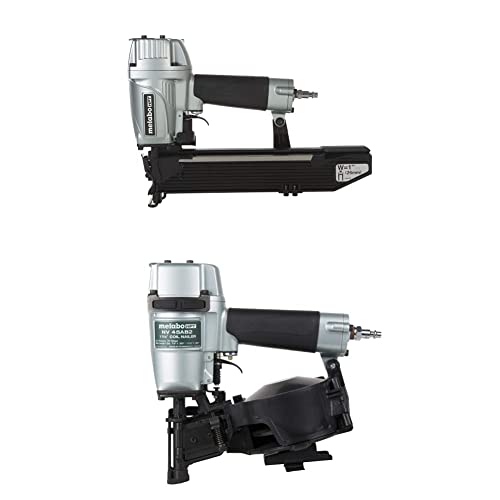
Metabo HPT N5024A2 Stapler with NV45AB2 Nailer
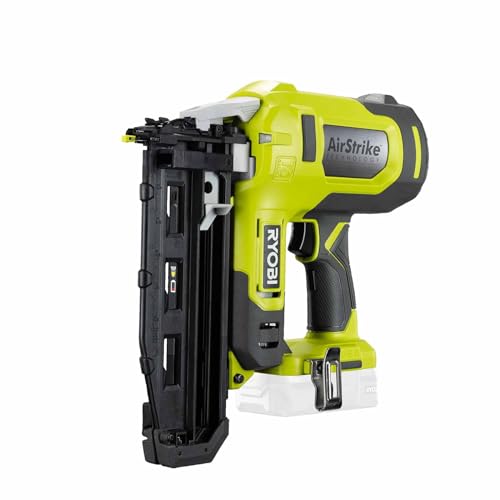
RYOBI ONE+ 18V Cordless Nailer R16GN18-0

BHTOP CN45N 15 Degree Roofing Nailer 120-pc Capacity

meite 1-3/4 Inch 15 Degree Galvanized Coil Nails 2,880 Count

STINGER CN100B Pneumatic Cap Nailer
More Details On Our Top Picks
For most asphalt shingle jobs, the Metabo HPT NV45AB2 is the gun experienced roofers reach for without much debate. It feeds 16-degree collated fasteners in a smooth, predictable rhythm, and the side-loading magazine means you reload without flipping the tool upside down over a tarp full of grit. Pneumatic means it pairs with a portable air compressor, which most contractors already own, and the firing rate keeps pace with a crew moving along the eave.
The tool-less depth adjustment is the under-appreciated detail. As shingle thickness changes from three-tab to architectural, you dial the drive depth in seconds rather than swapping out rubber bumpers. It runs between 70 and 120 PSI (pounds per square inch of air pressure), giving you a wide working window for different compressors.
Useful Strengths
- Side-loading magazine cuts reload time and keeps debris out of the feed path
- Tool-less depth of drive helps maintain consistent nail seating across shingle types
- Strong industry reputation for all-day reliability on production roof jobs
- Pneumatic power delivers repeatable firing without battery weight to manage
- Compatible with a wide range of 16-degree coil roofing nails
Things To Consider
- Requires a separate air compressor and hose, so setup takes longer at a new site
- Slightly heavier than the cordless meite CN45R, which matters on long reroofs
Who Will Love This
Contractors and serious DIYers re-shingling a full roof who already own or plan to buy a compressor and want a proven pneumatic workhorse.
Where Another Pick Suits Better
Roofers working on smaller repair jobs or tight patches may find the cordless RYOBI R16GN18-0 more convenient since it eliminates the hose entirely.
You can’t drive shingles without nails, and the meite 1-1/4 inch coil nails fill a smaller box for the kind of repair most homeowners tackle once or twice. The 720-piece count suits a few squares of shingle work, a shed re-roof, or patching after a windstorm ripped up a corner. Collated in 15-degree wire coils, they feed into most major pneumatic roofing nailers on the market.
The full round head design, meaning a circular flat top that holds shingle layers down firmly, is the spec that matters for asphalt. Compared to the bulkier meite 2,880-count galvanized box, this is the package to grab when you don’t want a 40-pound box of nails sitting in the garage for years.
Strengths Worth Knowing
- Smaller pack size makes storage and transport easier for occasional use
- 15-degree collation fits the meite CN45R, the BHTOP CN45N, and most major pneumatic coil roofing nailers
- 1-1/4 inch length suits standard three-tab and lighter architectural shingles
Worth Noting
- Not galvanized, so these are a better fit for interior or non-exposed applications than for prolonged weather exposure
- The 720-count runs out quickly on a full residential re-roof
Right Fit For
Homeowners handling small roof repairs or shed builds who need a manageable quantity of collated nails without buying contractor-scale inventory.
Consider Something Else When
For a full re-roof where you’ll burn through thousands of nails, the meite 1-3/4 Inch 15 Degree Galvanized 2,880 Count offers far better value per fastener.
Long days on a steep roof punish a heavy gun, and the meite CN45R comes in at a comfortable 5.7 pounds. That weight savings is the headline feature. Where the Metabo HPT NV45AB2 is a contractor’s daily driver, this is the pneumatic that feels friendlier on a second-story slope after lunch. The 15-degree coil magazine accepts fasteners from 7/8 inch up to 1-3/4 inch, covering asphalt, cedar shake, and insulation board work.
The trade-off shows up in the firing feel. You may find the recoil (the rearward kick with each shot) and balance slightly different from heavier pro-tier guns, but for solo operators and small crews the arm fatigue reduction is real. Compared to the BHTOP CN45N, the CN45R runs a touch lighter and feels more refined in the hand.
The Case For It
- 5.7-pound build noticeably reduces fatigue on multi-hour roof work
- Wide fastener range from 7/8 inch to 1-3/4 inch handles shingles, shakes, and underlayment
- 15-degree coil compatibility covers most collated nail options on the market
- Side-loading magazine keeps the workflow fast and tool changes simple
Small Caveats
- Lightweight construction may not absorb daily abuse as well as heavier pro tools
- Still requires a compressor and hose, unlike the cordless RYOBI R16GN18-0
Best Suited To
Solo roofers and homeowners tackling a full weekend re-roof who value a lighter gun over the heaviest pro-grade build.
Skip It When
Production crews running 30 squares a day will likely prefer the Metabo HPT NV45AB2 for its heavier-duty reputation on the long haul.
Roofing rarely involves just one fastening job, which is what makes this two-tool Metabo HPT bundle worth a look. The N5024A2 wide-crown stapler drives 16-gauge, 1-inch staples for felt underlayment and insulation board, while the NV45AB2 nailer handles the shingle layer above. Both run on the same compressor, so the bundle simplifies setup and storage.
Wide-crown staples spread their holding power over a larger surface area than narrow-crown options, which is why they work well for securing underlayment without tearing. The package also includes safety glasses, a small but appreciated touch for a job where debris flies constantly. If you’re buying a nailer and a stapler anyway, this pairing costs less than sourcing them separately.
Well-Handled Touches
- Two-tool bundle covers shingle and underlayment fastening from one purchase
- Wide-crown stapler design improves holding power on felt and insulation board
- Safety glasses included so you can start working without a separate trip to the hardware store
- Both tools share a common compressor setup and Pro Preferred lineage
Points To Note
- Buying both tools is overkill for a single small repair
- Bundles sometimes include older generation stapler variants, so check the model before checkout
Perfect Match For
Homeowners and pros starting a roofing tool kit from scratch who need both shingle nailing and underlayment fastening covered.
Not Your Match When
Cap nailer work for synthetic underlayment calls for the STINGER CN100B instead, since wide-crown staples aren’t the right fastener for that material.
The RYOBI R16GN18-0 trades compressed air for battery power, and for small jobs that swap is worth making. Without a hose dragging across the yard or a compressor roaring on the ground, a quick patch on a porch roof or a single-section shingle repair becomes a quieter, simpler project. The 18V AirStrike mechanism uses no gas cartridge, so you don’t deal with the disposal quirks of older cordless nailer systems.
Note that battery is sold separately, which is a real line item for anyone who doesn’t already own the RYOBI 18V platform. The tool drives 16-gauge fasteners from 19mm to 64mm, which suits trim and paneling work more than heavy shingle fastening. The 500 included tips and two material-protection pads help you get started on lighter tasks right out of the box.
Benefits That Matter
- No compressor or hose required, which makes setup at remote job sites faster
- Battery platform compatibility with the broader RYOBI ONE+ 18V system
- LED work light helps in shadowed eaves and low-light areas
- Tool-less jam release reduces downtime on misfires
Honest Caveats
- Battery and charger sold separately, adding to the total ownership cost
- Best suited for trim and lighter fastening rather than full asphalt shingle production
Whose Shelf It Belongs On
Existing RYOBI 18V tool owners who need a hose-free nailer for small repairs and trim work around the house.
Look Elsewhere When
For a full asphalt shingle re-roof, a pneumatic tool like the Metabo HPT NV45AB2 or meite CN45R is the better tool for the volume of work.
The BHTOP CN45N is the kind of pneumatic roofing nailer that lowers the entry barrier for first-time tool owners. It accepts 15-degree wire-collated nails from 3/4 inch to 1-3/4 inch, covering most residential shingle work, and the 120-piece magazine capacity means fewer reloads than smaller nailers in the same category. The moving-cylinder engine design (where an internal piston drives the nail rather than a rotating mechanism) keeps recoil manageable, which matters for anyone still building their roofing technique.
It also handles cedar shingles, wall sheathing, and crate assembly, so the tool isn’t strictly a one-trick roofing gun. If you want pneumatic power without contractor-tier pricing, the CN45N is a reasonable starting point. Compared to the meite CN45R, the BHTOP is a slightly heavier and less refined option, but for a weekend warrior on a single project, the difference may be hard to feel.
Points In Its Favor
- Affordable entry point into pneumatic roofing nailers
- 120-piece coil capacity extends run time between reloads
- Versatile 3/4 to 1-3/4 inch range covers shingles, sheathing, and crates
- Moving-cylinder design keeps the recoil cycle predictable
Possible Compromises
- Build quality and long-term durability trail pro-grade options
- Brand recognition is lower than Metabo HPT or meite, so parts and service vary by region
Who Should Grab It
First-time buyers and budget-conscious homeowners taking on a single reroof or outbuilding project.
A Better Fit Elsewhere
For daily professional use, the Metabo HPT NV45AB2 brings longer-term reliability that justifies its higher upfront cost.
A full residential re-roof chews through fasteners at a startling rate, and the meite 1-3/4 inch galvanized 2,880-count box is sized for exactly that workload. The galvanized coating (a zinc layer applied to the steel) helps the nails resist rust and corrosion where they penetrate the shingle and sheathing, which matters for long roof life in wet climates. Collated in 15-degree wire coils, they feed most major pneumatic roofing nailers including meite, Hitachi, Bostitch, Senco, and Max.
The 1-3/4 inch length is the sweet spot for standard architectural shingles over typical sheathing. Compared to the smaller meite 720-count box, the per-nail cost drops noticeably at this volume. The 2,880 count is a heavy box, so plan for help loading it onto the truck.
Where It Excels
- 2,880-count bulk pack reduces per-nail cost for whole-roof projects
- Galvanized finish supports long-term corrosion resistance in exposed applications
- Compatible with most major 15-degree pneumatic coil roofing nailers on the market
- 1-3/4 inch length suits standard architectural shingle installations
Less Ideal Details
- Bulk size and weight make it awkward for small patch jobs
- May not be necessary if your project only needs a few hundred fasteners
Made For
Roofing contractors and homeowners running a full re-shingle project who want to minimize reload interruptions.
Swap It Out When
A small repair only needs a few squares of shingles, and the meite 720-count box is a more manageable choice for that scale.
Cap fasteners (a plastic or metal cap attached to a nail) hold roofing underlayment better than bare nails alone, and the STINGER CN100B is built specifically for that task. Unlike the meite CN45R or Metabo HPT NV45AB2, which drive shingle nails directly, this tool fastens synthetic felt and other underlayments using pre-collated caps and nails. The 200-cap, 200-nail load capacity means you spend more time working and less time reloading.
Cap nailers solve a specific problem, and the CN100B has earned recognition in the trade for doing it well. Synthetic underlayment tears less when fastened with caps because the load spreads across a wider surface than a bare nail head. If you’re installing peel-and-stick membrane or high-temperature underlayment, this is the tool the pros reach for alongside their shingle nailer.
Where It Delivers
- 200-cap, 200-nail capacity reduces reloading frequency on long underlayment runs
- Fastening rate supports efficient synthetic felt and membrane installation
- Specialized design outperforms general-purpose nailers for cap-fastener work
- Side-loading mechanism keeps the workflow moving on a roof
Trade-Offs
- Narrowly focused on cap fasteners, so it’s a complement to a shingle nailer, not a replacement
- Requires its own dedicated cap and nail consumables, adding a separate supply line
Right Fit For
Roofers and serious DIYers installing synthetic underlayment or peel-and-stick membrane who need caps rather than bare nails.
Reach For A Different Pick When
If your project is straight asphalt shingle work without synthetic underlayment, the Metabo HPT NV45AB2 is the more relevant tool for the task.
What To Weigh Before Buying A Roofing Nail Gun
Pneumatic vs. Cordless
Pneumatic roofing nailers run on compressed air from a separate compressor and deliver consistent firing power for long production days. They require a hose, an air source, and a bit more setup time, but for full re-roofs they remain the standard. Cordless options like the RYOBI R16GN18-0 trade sustained power for portability, which makes them useful for small repairs and trim work rather than whole-roof shingle installations.
Fastener Compatibility
Most roofing nailers accept 15-degree collated coil nails, and fastener length ranges from roughly 7/8 inch to 1-3/4 inch depending on the model. Match the nail length to your shingle type: 1-1/4 inch works for standard three-tab shingles, while 1-3/4 inch is the common choice for architectural shingles. Buying a tool before confirming the fastener spec can leave you with a gun that doesn’t fit the nails you already own.
Weight And Ergonomics
A roofing gun lives in your hand for hours, often at arm’s reach on a slope. The 5.7-pound meite CN45R is genuinely lighter than most competitors, and that gap shows up as fatigue by mid-afternoon. If you already deal with shoulder or wrist soreness, prioritize weight over magazine capacity.
Specialized Tools For Specialized Tasks
Cap nailers like the STINGER CN100B exist because cap fasteners hold underlayment better than bare nails. If your project involves synthetic felt, a cap nailer is the right addition to your kit alongside a standard shingle nailer. Bundles like the Metabo HPT stapler-and-nailer pairing also solve the multi-task problem in one purchase.
Things Most Shoppers Miss When Buying Roofing Nailers
Pitfalls Shoppers Hit
The most common mistake is buying a nailer before confirming the compatible fastener size and collation angle. A 15-degree gun won’t accept 16-degree nails, and an underlayment stapler won’t drive the shingle nails you actually need. Equally common is underestimating compressor requirements. Pneumatic roofing nailers typically need 4 to 5 CFM (cubic feet per minute) of airflow at 90 PSI, and a small pancake compressor can starve the tool, slowing the firing rate and leaving nails proud of the shingle.
Another miss is skipping eye and hearing protection. Roofing nailers fire at high velocity, and a ricochet off hard wood can send a nail sideways in an instant. The Metabo HPT stapler bundle includes safety glasses for exactly this reason.
Why Top Tier Costs More
Higher-end roofing nailers earn their price through better internal components, longer warranty terms, and materials that hold up to daily job-site abuse. A pro-grade gun like the Metabo HPT NV45AB2 uses a more robust firing valve and a magazine built for thousands of reload cycles, while budget options like the BHTOP CN45N may need a rebuild or replacement after heavy use.
For a one-time homeowner project, the budget tier often makes sense. For anyone running a roofing business, the durability and parts availability of established brands pay back the higher upfront cost in fewer work stoppages over the tool’s life.
Frequently Asked Questions
What PSI does a pneumatic roofing nailer need?
Most pneumatic roofing nailers operate between 70 and 120 PSI, with 90 PSI being a common working target. The Metabo HPT NV45AB2 lists a 70-120 PSI operating range, which suits most portable compressors.
Can a roofing nailer work with regular framing nails?
No. Roofing nailers use shorter, larger-head collated nails specifically designed for shingles, and framing nails won’t fit the magazine or seat properly in a roofing application.
What’s the difference between a roofing nailer and a siding nailer?
Roofing nailers use wider, shorter nails with larger heads to hold shingles flat without tearing, while siding nailers typically use smaller-gauge fasteners driven at a different angle. Using a siding nailer for shingles leads to poor holding and potential blow-throughs.
Do I need a cap nailer if I already have a shingle nailer?
For asphalt shingle work alone, no. A cap nailer like the STINGER CN100B becomes necessary when installing synthetic underlayment or peel-and-stick membrane, where the cap spreads holding force across a wider area than a bare nail head.
How long do roofing nailers typically last?
Pro-grade pneumatic roofing nailers like the Metabo HPT NV45AB2 can last many years of daily use with basic maintenance, including oiling the air fitting and clearing debris from the magazine. Budget pneumatic tools may need replacement or major repair after a single heavy project, depending on use and care.




