A working roofer climbs, cuts, fastens, and hauls in the same hour, and the tool kit has to keep up without slowing you down. This roundup pulls together nine practical options covering shingle work, sheet metal, and fastener management, with a mix for seasoned pros and motivated homeowners. The goal here is straightforward: match each tool to the work it actually does well, so the kit on your belt feels like it belongs there.
An Overview Of The Picks

ESTWING Curved Claw Hammer 20 oz Smooth Face EO-20C

Malco MSHC C-RHEX Reversible Magnetic Hex Driver

Lizenoz 2PCS Fixed Blade Roofing Knife Set

Lizenoz 2-Pack Green Fixed Blade Roofing Knife
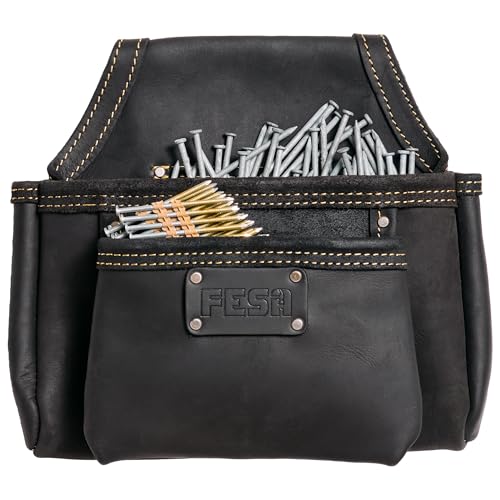
FESA 2-Pocket Leather Nail Pouch

HURRICANE 10-Inch Aviation Tin Snips CR-MO

HURRICANE Sheet Metal V Notcher 30°
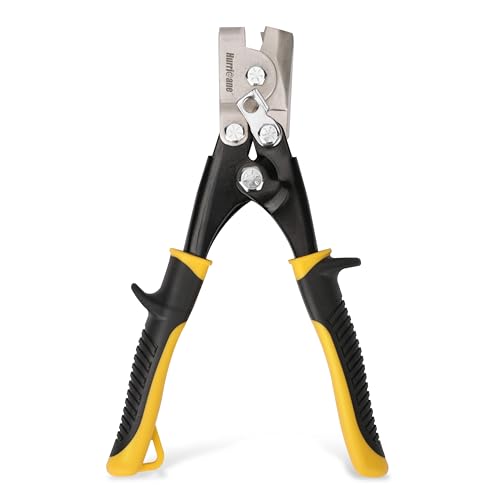
HURRICANE Snap Lock Punch Tool 3/8-Inch
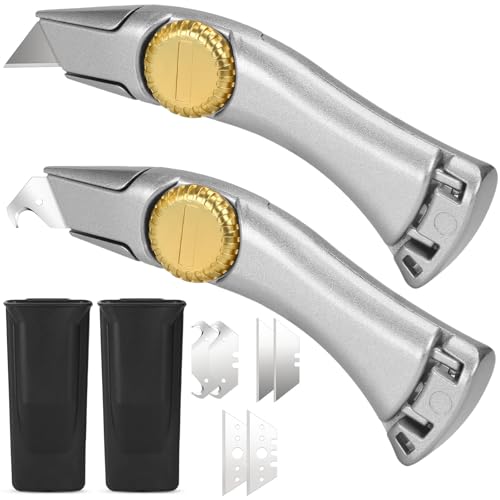
Lizenoz 2-Pack Silver Fixed Blade Roofing Knife
Why These Options Stand Out
The 20-ounce head hits a sweet spot for shingle work, heavy enough to drive nails with authority yet light enough to swing for hours. The one-piece forged construction (meaning the head and handle are shaped from a single piece of steel rather than joined together) keeps the balance centered in your hand, which matters when you’re reaching across a slope. ESTWING has built hammers this way for decades, and the smooth face leaves cleaner nail heads on architectural shingles.
The molded shock-reduction grip is where you feel the difference, especially on long tear-off days. The curved claw geometry gives you better leverage when pulling old nails than straight-claw designs, and there’s nothing mechanical to loosen or snap over time.
Positive Takeaways
- One-piece forged steel construction resists breakage at the head-handle junction, where most hammers fail.
- Shock-reduction grip noticeably dampens vibration during repetitive driving.
- Curved claw design delivers solid prying torque for tear-offs and trim work.
- Smooth face keeps shingle surfaces looking clean and unmarred.
Things To Consider
- 20 oz may feel light for framing crews used to heavier framing hammers.
- Steel handle transfers cold to bare hands in winter work.
Who It Suits Best
Reroofing crews, asphalt-shingle specialists, and DIYers tackling a full replacement who need a balanced hammer that won’t quit by lunchtime.
Where Another Pick Suits Better
If your work runs more toward sheet metal and gutters, the HURRICANE 10-Inch Aviation Tin Snips CR-MO handles that material more cleanly than any hammer can.
Hex drivers sound boring until you’ve fished a dropped fastener out of a gutter three times in one afternoon. The Malco MSHC solves that with a magnet at the business end, and it flips between 1/4″ and 5/16″ hex sizes without a second tool. For HVAC work on a roof, where you’re switching between panel screws and standing-seam fasteners constantly, that reversible design saves real time.
The cleanable magnetic socket is a small but meaningful detail. Metal shavings (an inevitable nuisance around cutting and drilling) cling to the magnet and you can wipe them off without losing magnetism. Impact-grade construction (built to absorb the high torque of an impact driver without cracking) means it survives repeated rounds in an impact driver.
Where It Excels
- Two hex sizes in one tool reduce belt clutter and tool changes.
- Cleanable magnetic retention drops fewer fasteners off the roof.
- Impact-rated body handles driver torque without splitting.
Worth Noting
- Magnet strength drops if the socket isn’t wiped down after heavy swarf (fine metal debris) exposure.
- 2-inch reach is short for recessed applications in deeper assemblies.
Made For
Roofers, HVAC techs, and metal-panel installers who run one impact driver all day and hate fumbling sockets on a slope.
Skip It When
Your work centers on asphalt shingle nailing rather than fastener driving, in which case the ESTWING Curved Claw Hammer 20 oz Smooth Face EO-20C is the more relevant choice.
Retractable utility knives feel convenient until a locking mechanism gives out mid-slice and the blade disappears into the shingle. The Lizenoz fixed-blade design sidesteps that failure mode entirely: the blade stays put, secured by a screw-lock rather than a sliding rail. For heavy cuts through asphalt felt, vinyl, and thick underlayment, the rigid blade geometry transfers force without flex.
The two-knife format means you can keep different blade profiles mounted, or hand one to a partner on a tear-off crew. The trade-off is a fixed blade is always exposed when not stored, so sheath handling matters more than with a folder.
Where It Helps
- Fixed-blade rigidity produces cleaner cuts through thick materials.
- Screw-lock fastening won’t slip mid-cut like worn retractable locks.
- Two-knife set covers a full workday or a two-person crew.
Points To Note
- Always-on blade demands disciplined sheath storage between cuts.
- Blade changes require tools rather than a finger-flip.
Best Suited To
Roofers and remodelers doing heavy demo, felt, and underlayment work where a retractable knife’s moving parts are a liability.
Not Your Match When
You mostly trim shingles on finished installs with light pressure, in which case the Lizenoz 2-Pack Green Fixed Blade Roofing Knife offers a more ergonomic grip for precision work.
The green-handled Lizenoz shares the fixed-blade stability of its black sibling but leans further into ergonomic comfort. The non-slip handle shape fits the contour of a working grip, which becomes obvious around the third hour of a shingle run when your hand starts to cramp. The retractable safety feature on this model gives you a way to cover the blade between cuts without reaching for a sheath.
For DIYers and pros who do roofing on weekends, the combination of fixed-blade control and a more forgiving handle geometry hits a useful middle ground. It also helps anyone working on ladders where losing grip on a smooth handle is a real concern.
Everyday Perks
- Ergonomic non-slip handle reduces fatigue on long cut runs.
- Retractable safety cover helps storage between cuts.
- Two-pack covers spare-knife or two-worker situations.
A Few Limitations
- Retractable mechanism adds moving parts that can wear.
- Green handle is harder to spot in grass or leaf litter on ground sites.
Whose Shelf It Belongs On
DIY homeowners and renovation contractors who want a fixed-blade knife that won’t punish their grip by the end of a project.
Reach For A Different Pick When
You work heavy commercial tear-offs where sheath-style storage and maximum rigidity matter more than comfort, in which case the Lizenoz 2PCS Fixed Blade Roofing Knife Set is the closer match.
Belt organization doesn’t get the spotlight that cutting tools do, but anyone who’s emptied a fifth pocket of mixed fasteners onto a roof deck knows the pain. The FESA pouch brings two oversized pockets to the belt, sized for nails, screws, and small hardware in useful quantities. The leather build (handcrafted with heavy-duty stitching and rivets) softens with use rather than cracking like synthetic pouches often do after a season in the sun.
It slides onto belts up to 3 inches wide, so it pairs with most framing and roofing belts on the market. The trade-off is leather requires occasional conditioning to stay supple, and the pouch is heavier than nylon alternatives before it breaks in.
What It Does Well
- Two oversized pockets keep fastener types separate on the belt.
- Handcrafted leather outlasts synthetic pouches in UV-heavy environments.
- Wide belt loop fits most standard tool belts without modification.
- Heavy-duty rivets and stitching handle full loads without pulling apart.
Practical Considerations
- Heavier than nylon pouches until the leather breaks in.
- Needs occasional conditioning to prevent drying and cracking in heat.
Key Specs
The Right Fit
Crews and serious DIYers who want a single belt pouch that holds up to daily jobsite use and improves with age.
A Better Fit Elsewhere
For someone who needs to organize drivers and bits instead of fasteners, the Malco MSHC C-RHEX Reversible Magnetic Hex Driver addresses that workflow on the tool side rather than the storage side.
Cutting sheet metal, flashing, and trim with the wrong snips turns into a fight that leaves your hand cramped and the edge ragged. The HURRICANE 10-inch aviation snips use chrome-molybdenum steel (a tough alloy that holds an edge better than standard chrome-vanadium), with micro-serrated blades that grip the metal instead of skating across it. The compound leverage (a pivot-and-link system that multiplies your hand force) does the heavy lifting so you don’t have to.
For roofers working on drip edge, valley flashing, or gutter apron, the straight-cut geometry and 18-gauge cold-rolled capacity covers most jobsite demands. The safety lock and comfort grip are practical touches on a tool you’ll set down and pick up dozens of times a day.
Reasons It Performs
- CR-MO blade steel holds an edge through heavy use.
- Micro-serrated edge prevents material slippage on slick metals.
- Compound leverage reduces hand fatigue on long cutting runs.
Things To Consider
- Straight-cut only; left- or right-curved cuts need a different snip pair.
- 10-inch size is bulkier than compact 7-inch versions for tight spots.
Feature Snapshot
Perfect Match For
Roofers, gutter installers, and HVAC techs who cut flashing, trim, and ductwork daily and need snips that stay sharp.
Swap It Out When
You need to make V-shaped relief cuts for folded corners rather than straight runs, in which case the HURRICANE Sheet Metal V Notcher 30° handles that specific cut.
Most tools do one job well. A V-notcher does one very specific job, and it does it precisely: cutting clean 30° V-shaped relief notches (small triangular cuts that let the metal bend cleanly at a corner) in sheet metal. If you fabricate HVAC duct corners, gutter returns, or roofing flashings, those notches are what let the metal fold without buckling. Free-handing them with snips is a recipe for uneven bends.
The HURRICANE model cuts up to 13/16″ deep at a fixed 30° angle, optimized for 24-gauge mild steel and 26-gauge stainless. The safety lock keeps the jaws closed in storage, and the manual operation means no compressor or power source on a ladder or in a tight attic space.
Strong Points
- Cuts uniform 30° V-notches up to 13/16″ deep for clean folded corners.
- Manual operation works in attics, on ladders, and on rooftops without power.
- Safety lock prevents accidental jaw movement in the tool bag.
Soft Spots
- Single-purpose tool with limited use outside sheet metal work.
- Not suited for gauges thicker than 24-gauge mild steel.
Quick Facts
Who Will Love This
Sheet metal workers, HVAC installers, and gutter fabricators who build corners by hand and need consistent relief notches every time.
Look Elsewhere When
Your work centers on straight cuts rather than relief notches, in which case the HURRICANE 10-Inch Aviation Tin Snips CR-MO covers that workflow with broader versatility.
Joining two pieces of sheet metal without visible fasteners is what separates a clean install from a slapped-together one. The HURRICANE snap lock punch creates 3/8-inch impressions (small lanced tabs in the metal) that lock panels together on aluminum, vinyl siding, and HVAC ductwork. You squeeze, the punch lances the metal, and the tab on one panel locks into the slot on the next.
The compound leverage design multiplies your hand force significantly, which matters because hand-crimping dozens of seams in a day will wear you out. It arrives fully assembled, no setup, no adjustments, and the build quality feels consistent with other HURRICANE tools in this list.
What Helps Most
- 3/8-inch impressions create consistent, secure panel locks.
- Compound leverage reduces hand fatigue on repetitive crimping.
- Ready to use out of the box, no assembly or calibration needed.
Where It May Fall Short
- Impression size is fixed; not adjustable for different lock profiles.
- Less effective on thicker or harder metals than 24-gauge.
Key Product Details
Built With In Mind
Siding installers, gutter fabricators, and HVAC pros who lock panels together regularly and want clean fastener-free joints.
Another Choice May Suit
For a tool that handles relief cuts before folding rather than locking after assembly, the HURRICANE Sheet Metal V Notcher 30° addresses the prior step in the same workflow.
The silver-handled Lizenoz rounds out the knife options in this roundup with the same fixed-blade stability as the other Lizenoz picks, but adds dedicated sheaths for each knife. That sheath set matters more than it might sound: a fixed blade without a sheath is a liability in a crowded tool bag, and bundled sheaths remove one excuse to leave the blade unprotected.
The set includes multiple blade profiles, giving you a backup or a partner-ready spare without buying a second order. For crews rotating through blades, that redundancy is a quiet form of productivity insurance.
Positive Points
- Bundled sheaths keep the fixed blade covered in tool bags and on belts.
- Multiple blade profiles support different cut types in one order.
- Fixed-blade design avoids retractable lock failures during heavy cuts.
Honest Caveats
- Sheaths add bulk compared to retractable knives for pocket carry.
- Silver handle finish shows scratches and wear over time.
Who Should Grab It
Roofers and remodelers who want a fixed-blade cutting set with proper carry protection out of the box.
Consider Something Else When
You mostly cut lighter materials and value a softer ergonomic grip over bundled sheaths, in which case the Lizenoz 2-Pack Green Fixed Blade Roofing Knife is the better match.
What Matters Most Before Choosing Roofing Tools
Match the Tool to the Material
Roofing spans asphalt shingles, sheet metal, underlayment, and fasteners, and the right tool depends on which material you spend the most time in. A hammer makes sense for shingle work, while aviation snips and a V-notcher earn their place on metal-heavy jobs. If your work rotates between materials, prioritize the tool that handles your most repetitive cut or fastening task.
Weight and Fatigue Add Up
A 20-ounce hammer swings lighter than a 28-ounce framing hammer, but over hundreds of swings the difference becomes real. Same goes for knife grips, snip leverage, and belt pouches. Tools that reduce fatigue over a full day pay for themselves faster than heavier tools that might feel more substantial in the hand.
Consider the Workflow Around the Tool
A great snip loses value if you spend half your time fumbling a loose fastener. The Malco magnetic hex driver and the FESA leather pouch both address that side of the workflow. When you’re choosing roofing tools, think about the support gear around the primary tool, not just the tool itself.
Durability Beats Initial Feel
Roofing tools live in the sun, on ladders, and in tool bags tossed into truck beds. Leather softens with use, forged steel holds its temper, and CR-MO blade steel holds an edge longer than standard alloys. Tools that survive a season of jobsite abuse cost less per year than replacements.
Key Considerations Across These Picks
Pitfalls Shoppers Hit
Treating all roofing knives as interchangeable is a common trap: retractable folders fail under heavy cutting, while fixed blades demand disciplined sheath storage. Buying snips based on size alone skips the question of cut direction and blade steel. The honest read is to match the tool’s specific geometry to the cuts you make most.
Where The Extra Money Goes
Higher-tier roofing tools tend to spend the premium on blade steel, forging quality, and ergonomic geometry that you feel only after hours of work. A CR-MO aviation snip lasts longer between sharpenings than a budget CR-V (chrome-vanadium) version, and a leather pouch outlasts nylon in UV-heavy environments. The upgrade pays off most for daily-use pros, less so for occasional DIYers who won’t stress the tool enough to notice the difference.
Frequently Asked Questions
What is the most important roofing tool to own first?
Start with a quality hammer and a fixed-blade roofing knife. These two tools handle shingle nailing, tear-offs, and underlayment cuts, covering the majority of asphalt roofing work before you add specialized metal tools.
Are fixed-blade roofing knives safer than retractable utility knives?
They trade one type of risk for another. Fixed blades can’t retract mid-cut, eliminating a common failure mode, but the blade stays exposed when not in a sheath, so safe storage becomes the user’s responsibility.
What gauge of sheet metal can aviation snips handle?
Most 10-inch aviation snips handle 18-gauge cold-rolled steel and 22-gauge stainless. For heavier material, you need powered shears or a different tool class entirely.
Do I need a V-notcher if I already own tin snips?
Only if you fabricate corners from flat sheet. For straight cuts, snips are enough. Relief notches are required for clean folded corners on HVAC duct, gutter returns, and similar work.
How do I maintain leather tool pouches?
Wipe them clean after wet work, condition them occasionally with leather conditioner, and let them air dry rather than leaving them in direct sun. With basic care, leather pouches last for years on the belt.