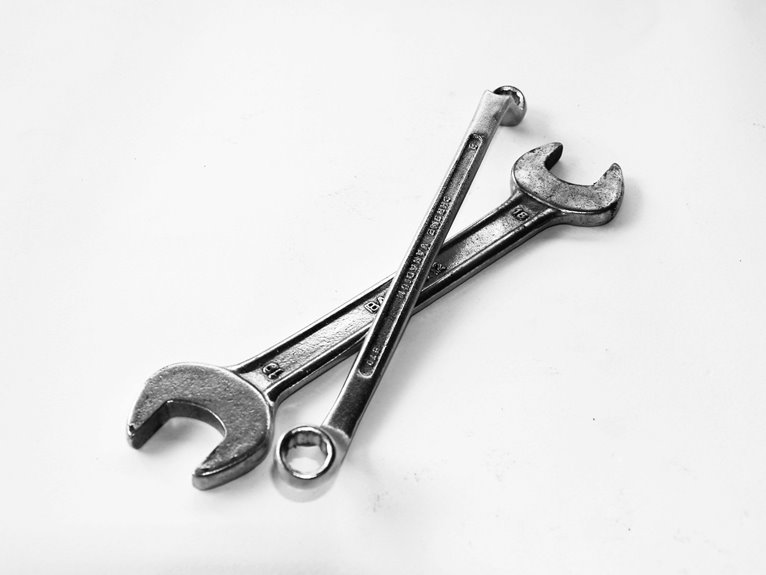
Any tool you leave in a damp shed long enough will grow a crusty orange jacket. Wrenches, pliers, socket sets, garden shears: they all fall to oxidation eventually. The good news is that a solid rust remover can take you from rusted shut to turning freely in one afternoon. This roundup covers the penetrants, soak solutions, and physical scrubs that get tools working again, with honest notes on trade-offs and use-case fit.
Your Options, Compared

Kroil Original Penetrant 1 gal Can

Kroil Aerokroil Penetrant 13 oz Aerosol

CLR Calcium, Lime & Rust Remover Free & Clear 42 oz

Heet Water Remover & Gas Line Antifreeze 12 oz 24-Pack

MOWPOG Brass, Steel & Nylon Wire Brush Set

CLR Calcium, Lime & Rust Remover with Cling 22 oz Spray
A Breakdown Of The Leading Choices
For mechanics, machinists, and anyone who keeps a real workshop, the one-gallon can of Kroil Original Penetrant is the kind of bulk supply that quietly outlasts a dozen smaller bottles. It’s a thin, low-viscosity oil engineered to wick into the tightest spaces between a bolt and its housing, then break the bond rust forms on metal threads. The 1-gallon can is also a working-shop container rather than a kitchen-shelf one, so it suits people who already understand the chemistry of freeing corroded fasteners.
Mechanics who tackle seized exhaust bolts or frozen suspension hardware often treat this as a default option. Homeowners restoring vintage hand tools in batches may also appreciate the volume, since soaking a coffee can full of rusty pliers becomes practical with that much fluid on hand.
Bright Spots
- Penetrates thread gaps and crevices on seized fasteners where aerosols can barely reach.
- Bulk one-gallon format makes batch restoration projects affordable per ounce.
- Doubles as a corrosion inhibitor after use, slowing future rust on freshly freed parts.
- Trusted in industrial and aviation maintenance settings for decades.
Things To Consider
- The strong solvent odor means you’ll want serious ventilation, ideally an open garage door or outdoor workspace.
- Pouring from a gallon can into smaller soak containers takes more care than using a spray nozzle.
- Overkill for occasional household touch-ups where a small bottle would sit in a drawer for years.
Who It Suits Best
Active home mechanics, small-shop owners, and restorers who regularly free rusted hardware and want a deep bench supply.
Where Another Pick Suits Better
Casual users tackling a single stuck hinge should consider the Kroil Aerokroil Penetrant 13 oz Aerosol for less mess and easier aim.
The Aerokroil aerosol is the can-form sibling to the gallon jug above, trading bulk for a straw nozzle that aims a thin jet of penetrating oil into the exact gap you need to free. For rusted garden latches, garage door hinges, and that one stubborn lawn mower blade bolt, that aim matters more than people expect. The 13 oz can is sized for occasional but repeated use, and it’s sold in a four-pack to keep your shop, your car, and your workbench each supplied.
Anyone who has tried to drip oil into a horizontal bolt with a tilted bottle will appreciate the propellant-driven spray. It also clings better to vertical surfaces than a pour-on oil, which keeps the chemistry working where you aimed it rather than running off into the dust.
Practical Pluses
- Straw nozzle directs penetrating oil deep into bolt threads and pivot points.
- Aerosol delivery clings to vertical and overhead surfaces without immediate runoff.
- Four-pack format distributes cans across garage, vehicle, and tool drawer.
- Compatible with the same fastener and chain use cases as the bulk can.
Honest Caveats
- Aerosol cans lose pressure over years of storage, so older cans may dribble rather than spray.
- Strong odor still calls for outdoor or well-ventilated use.
Key Product Details
Made For
DIYers and tradespeople who need precise application on seized bolts, hinges, and chains without pouring from a jug.
Look Elsewhere When
Large restoration projects involving dozens of soaked parts will burn through a four-pack quickly, and the bulk Kroil Original Penetrant 1 gal Can will be more practical.
CLR’s Free & Clear version is the household-friendly side of the brand’s classic mineral deposit cleaner. Stripping away the dyes and fragrance made it friendlier for indoor use, which matters when you’re soaking a rusty screwdriver in the kitchen sink or wiping down a pair of garden shears on the counter. The 42 oz bottle is the size most people will get through in a season of small rust touch-ups, not a refill jug.
For surface rust on hand tools that still cut and move fine, this soaks away the orange tint without the harsher petroleum smell of a garage penetrant. It works slowly, so you trade immediacy for a less aggressive working environment.
Everyday Advantages
- No added dyes or fragrance, which simplifies indoor use and storage.
- Liquid formula is easy to pour into a shallow soak tray for batch tool cleaning.
- 42 oz bottle fits standard household cleaning storage without dominating the shelf.
- Effective on the calcium and lime deposits that often accompany light rust.
Points To Note
- Not formulated for severely seized fasteners, where a dedicated penetrant like Kroil works harder.
- Requires longer soak times than chemical rust converters, sometimes several hours for visible results.
Best Suited To
Homeowners tackling light surface rust on garden tools, scissors, and small hardware in a typical kitchen or laundry room.
Consider Something Else When
A seized bolt or a heavily pitted tool needs a stronger penetrant, and the Kroil Original Penetrant 1 gal Can is the more focused choice.
Heet is a different beast on this list. It’s not a tool-restoration product in the traditional sense: it’s a fuel additive designed to pull water out of a gas tank and keep the fuel line from freezing. The reason it shows up in a rust remover roundup is that the same methanol-based formula also helps prevent rust and corrosion inside fuel systems, which is exactly the environment where small engine tools like chainsaws, leaf blowers, and snow blowers live and die.
For anyone who stores seasonal equipment through a wet winter, a 24-pack is the kind of supply you tuck into a corner of the garage and forget about until the first cold snap. It also suits small engine repair shops that run through bottle after bottle keeping customer equipment happy.
Reasons It Performs
- Safe for use in all 4-cycle engines, including modern fuel-injected setups.
- 24-bottle case keeps a multi-year supply of seasonal additive on hand.
- Prevents gas-line freeze-up and the moisture-related rust that follows it.
- Free of ethylene glycol, which simplifies handling and storage around the house.
Worth Noting
- Not a direct rust remover for hand tools; works only inside fuel systems and metal tanks.
- Not available for sale on Catalina Island due to local shipping restrictions.
Feature Snapshot
Who Should Grab It
Homeowners and small engine owners who store lawn mowers, snow blowers, and generators through cold or humid seasons.
Skip It When
Restoring rusty hand tools is the goal, and the MOWPOG Brass, Steel & Nylon Wire Brush Set or a CLR bath will serve better.
The MOWPOG wire brush set takes rust removal back to basics. No chemicals, no fumes, no waiting for a soak to do its work, just three small handheld brushes with bristles in different stiffnesses. You get two brass brushes for softer metals, two stainless steel brushes for tougher rust, and two nylon brushes for finishing work that shouldn’t scratch the base metal underneath. For someone who likes the tactile satisfaction of mechanical work, that’s a real selling point.
Restorers prepping an old hand plane or cleaning up a vintage saw will often reach for a brass brush first to remove surface rust without scarring the tool’s patina. The smaller brush size is also genuinely useful in tight spots, like the gaps inside a bench grinder or between chain links on a motorcycle chain.
Useful Touches
- Three bristle types cover rust removal from soft patinas through hardened corrosion.
- Compact size reaches into slots, grooves, and link gaps that bigger brushes skip.
- Reusable indefinitely with just a quick tap to clear rust dust from the bristles.
- No chemicals involved, which makes cleanup as simple as a dustpan and a wipe.
Soft Spots
- Requires elbow grease, so a heavily pitted or thick-rusted tool will take real time.
- Steel bristles can scratch polished surfaces, so testing on a hidden area first is wise.
Perfect Match For
Restorers and tool collectors who want chemical-free rust removal and appreciate the control of hand brushing.
Reach For A Different Pick When
Heavily rusted tools with seized mechanisms will benefit more from a penetrant like the Kroil Original Penetrant 1 gal Can to free them up first.
The Cling version of CLR is a clear step up for anyone who has tried to spray a liquid cleaner on a vertical surface and watched it slide straight off. This 22 oz spray bottle uses a thicker foam formula that sticks where it’s applied, which gives the active chemistry more contact time to break down the rust stain rather than racing gravity to the floor. For tool blades stored on a magnetic strip or a pegboard, that difference in dwell time is the whole game.
It’s also useful for the awkward rust spots that show up on cast iron tool bodies, where you want the cleaner to pool in a recess instead of dripping down the leg of a workbench. Like the Free & Clear sibling, it works best on light to moderate rust rather than deep pitting.
Features That Help
- Clinging foam stays in place on vertical and overhead surfaces during treatment.
- Spray bottle delivery makes targeted application easy without a separate tray.
- Works on calcium, lime, and rust stains in one step, useful for outdoor tool storage.
- Smaller 22 oz size is easier to handle than the larger 42 oz pour-bottle.
Practical Considerations
- Wiping off residue after dwell time adds a step that a passive soak does not.
- For soaking a tray of small parts, the Free & Clear 42 oz bottle is the more efficient format.
Built With In Mind
Detailers, restorers, and homeowners treating rust stains on cast iron tool bodies, wall-mounted blades, and other vertical surfaces.
Swap It Out When
Submerging a basket of small parts is the project, and the CLR Calcium, Lime & Rust Remover Free & Clear 42 oz is the cleaner pour-and-soak format.
What Matters Most Before Choosing Rust Removers For Tools
The right product depends entirely on the type of rust you’re fighting. Surface oxidation on a hand tool that still moves freely needs a gentler approach than a bolt that hasn’t turned in a decade. Start by matching the chemistry to the job, then weigh format, working environment, and how much cleanup you’re willing to do afterward.
Penetrant Versus Soak Versus Scrub
Penetrants like the Kroil Original Penetrant 1 gal Can and the Aerokroil aerosol are thin oils engineered to wick into thread gaps and break the bond rust forms between two mating surfaces. They shine on seized fasteners where the problem isn’t visible rust but a chemical weld of corrosion. Soak solutions like the CLR bottles work more like a bath, dissolving mineral deposits and light surface rust from anything you can submerge.
Mechanical scrubs like the MOWPOG wire brush set do the job with friction. They cost nothing to operate, last indefinitely, and give you total control over how aggressively you remove material. The honest read is that serious restorers usually keep more than one method on hand, because each one handles a different part of the problem.
Matching Format To Workspace
Strong-solvent penetrants demand ventilation, which makes an outdoor or open-garage setting much safer than a closed basement. Household cleaners like the Free & Clear CLR are friendlier indoors, especially if you have curious kids or pets. Aerosols are the most convenient format for overhead and vertical work, while gallon cans and large bottles suit batch jobs where you want to soak many parts at once.
Material And Tool Compatibility
Not every rust remover is safe on every metal. Brass brushes and nylon brushes are gentler than steel, and certain chemical formulations can stain polished surfaces or damage plating. When in doubt, test on a hidden area first, and remember that a tool’s value often depends on preserving its original finish, not just removing the orange tint.
Pitfalls Worth Dodging In The Rust Remover Aisle
Common Buying Traps To Sidestep
The most common slip-up is grabbing whatever spray can is on the shelf without checking whether it’s actually formulated for the metal you need to treat. A penetrant designed for engine blocks is overkill on a kitchen knife, and a bathroom cleaner can stain a vintage tool’s patina. Match the product to the project, not the other way around.
Storage is another easy miss. Aerosol cans and gallon jugs don’t age well in extreme heat, and a garage that swings from freezing to ninety-five degrees will shorten the shelf life of any solvent-based product. If your workspace runs hot, smaller containers you can rotate through quickly tend to outperform a bulk purchase that slowly goes stale.
When The Upgrade Earns Its Keep
Higher-tier options earn their place when the project is severe, frequent, or both. A gallon of Kroil pays for itself the first time you free a seized exhaust bolt instead of replacing a part, and a wire brush set becomes a one-time purchase that lasts for years. For seasonal equipment storage, the Heet 24-pack trades higher upfront cost for the convenience of always having a bottle ready when the temperature drops.
The honest tradeoff is that none of these products do every job well. Building a small kit, with a penetrant, a household cleaner, and a brush set, covers the vast majority of rust problems a homeowner or weekend restorer will ever face.
Frequently Asked Questions
What Is The Best Way To Remove Rust From Hand Tools?
The most reliable approach pairs a chemical soak or penetrant with light mechanical scrubbing. Soaking frees the rust from pores in the metal, and a brass or nylon wire brush lifts the loose residue without scratching the base material underneath.
Can Household Cleaners Really Remove Rust From Tools?
Light surface rust responds well to household cleaners like the CLR Free & Clear formula, especially on tools that still cut and move properly. Deep pitting and seized fasteners usually need a dedicated penetrant instead.
How Do Wire Brushes Compare To Chemical Rust Removers?
Wire brushes work through friction and need more physical effort, but they cost nothing to operate and avoid chemical exposure. Soaks and penetrants do the work passively, which suits batch restoration and tight crevices that bristles can’t reach.
Is It Safe To Use Penetrating Oils Indoors?
Most penetrating oils give off strong solvent fumes and call for solid ventilation. A garage with the door open or a covered outdoor workspace is much safer than a closed basement or utility room.
How Should I Store Rust Removal Products Long-Term?
Keep them in a cool, dry spot out of direct sunlight, and never leave aerosol cans anywhere temperatures swing through freezing. Small containers that you rotate through quickly tend to stay effective longer than bulk jugs that sit on a shelf for years.