


Restoring a rusted tool, stripping old paint from a patio chair, or refreshing the finish on a salvage-yard find all come down to one thing: getting the surface clean. A reliable sand blaster turns hours of scraping and sanding into minutes of focused work, and the right media makes the difference between a smooth result and a damaged one. The lineup below mixes needle scalers, blasting guns, and several grades of abrasive media so you can match the tool to the job, whether you’re tackling a small project in the garage or setting up a dedicated blast cabinet in the shop.
A Fast Comparison Of The Options

Ingersoll Rand 125 Standard Duty Needle Scaler

#12 Glass Beads (Extra Fine) – 10 LBS

#8 Glass Beads (Medium) – 10 LBS

#10 Glass Beads (Fine) – 10 LBS
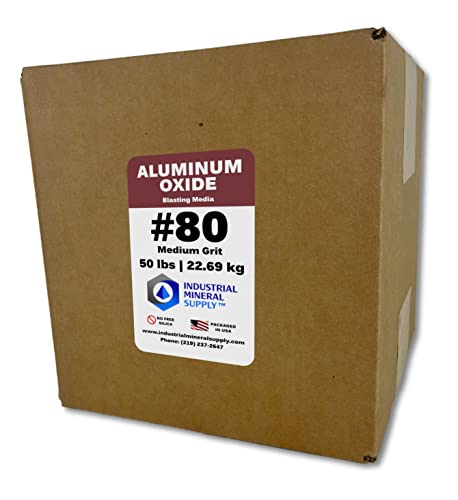
Aluminum Oxide 50 lbs – #80 Grit (Medium)

Aluminum Oxide 50 lbs – #100 (Medium)

Halfchet 7 Pcs Sand Blaster Gun Kit
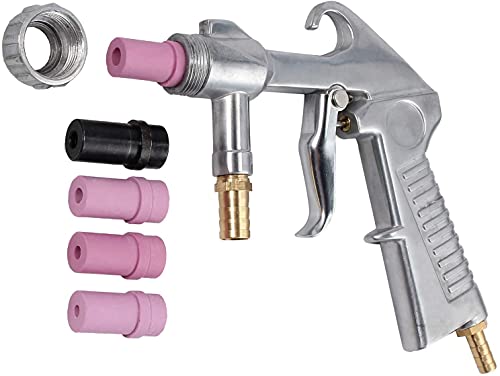
AMTOVL Sand Blasting Gun with 4 Ceramic Nozzles
What Each Pick Brings To The Table
Needle scalers work differently from a typical sand blaster, and the Ingersoll Rand 125 is a strong example of the form. Rather than spraying media, it drives a bundle of hardened needles at high speed to chip away rust, scale, and old coatings through direct impact. For a home garage tackling a frame rail or a welding table buried under mill scale, that mechanical approach can outperform loose abrasive for sheer material removal.
You’ll need a compressed air source capable of driving the tool, so it’s a step beyond plug-and-play sand blasters like the AMTOVL gun covered later. The trade-off is genuine industrial-grade cleaning power in a hand-held package that fits where a blast cabinet can’t reach.
What Helps Most
- Tool-free bayonet-style needle housing adjustment speeds up needle swaps and depth changes on the bench.
- Choice of three needle materials lets you match aggressiveness to the substrate, from soft aluminum to hard steel.
- Rubber-faced throttle valve holds positive sealing and cuts down on wasted air during long sessions.
- Heat-treated needles hold up to repeated impacts, useful when you’re cleaning a whole chassis over a weekend.
Trade Offs
- Requires a compatible air compressor with adequate CFM, which adds to the total cost of ownership.
- Needles eventually wear and need replacement; budgeting for spares is part of running this tool long-term.
Key Specs
Whose Garage It Belongs In
Owners restoring older vehicles or reclaiming rusted steel furniture who already own or can supply a capable air compressor.
Where Another Pick Suits Better
The Halfchet 7 Pcs Sand Blaster Gun Kit fits better for anyone without an air compressor who wants a simpler siphon-fed setup.
Glass bead media isn’t a sand blaster on its own, but it’s the gentle finishing side of the kit, and this extra-fine grade is the mildest in the lineup. At 140-230 US mesh, the beads are small enough to clean and polish without eating into base metal. If you’re trying to brighten a vintage carburetor or remove light discoloration from a polished aluminum panel, this is the grade that respects the surface underneath.
Compared with the coarser aluminum oxide picks covered later, glass beads round out the workflow. You can use aluminum oxide to strip years of crud, then switch to fine glass beads for the final pass. Round shape and no free silica also make this a friendlier media to handle indoors with reasonable dust control.
Notable Gains
- Round shape cleans and preps without changing part tolerances, important on threaded or precision parts.
- No free silica, reducing a common respiratory concern during indoor cabinet work.
- Recyclable many times, so a 10-pound bag can stretch across several projects before it needs replacing.
- Light peening action reduces surface tensile stress, useful on parts that see vibration or flex.
Worth Noting
- Too fine for heavy paint or rust; you’ll want coarser media like the aluminum oxide picks for stripping.
- Glass beads do break down with reuse, and finer dust collects in the cabinet filter over time.
Right Fit For
Detail-oriented hobbyists restoring instruments, trim pieces, or polished aluminum where the goal is brightness, not aggressive removal.
Reach For A Different Pick When
The Aluminum Oxide 50 lbs – #80 Grit (Medium) is a smarter grab when the surface is loaded with thick, baked-on coatings or heavy rust.
Step up from the extra-fine #12 and you land at the medium #8 grade, a 70-100 US mesh range that hits the middle of the glass bead family. It’s the bead most home blasters reach for when they want one bag that handles cleaning, light finishing, and modest peening without committing to a specific job. The slightly larger spheres clear light rust and oxidation faster than the extra-fine pick while still leaving a smoother finish than angular media.
For a one-bag starter setup, this is the safer middle-of-the-road choice. You’ll give up the mirror polish of the #12 and you won’t strip heavy coatings like the aluminum oxide picks, but you get a media that handles roughly 70% of typical home blasting tasks without drama.
Notable Upsides
- Versatile mesh range handles everything from frame rails to decorative hardware with predictable results.
- Spherical shape blends machine marks and seals pores, leaving a satin finish that takes paint or powder coat evenly.
- Reusable across many cycles, so a 10-pound bag keeps producing value over multiple weekends.
- Compatible with most home blast cabinets and siphon-fed sand blaster guns, including the AMTOVL covered later.
Honest Caveats
- Still too soft for serious paint stripping; expect to make several passes on tough coatings.
- Needs decent dust collection; glass dust at this grade is fine enough to migrate if the cabinet seals are weak.
Feature Snapshot
Built With In Mind
Shop owners who want one media grade that covers most restoration and prep jobs without buying several specialized bags.
Consider Something Else When
The #12 Glass Beads (Extra Fine) is a better match for anyone focused on cosmetic polishing rather than general cleaning.
The #10 grade sits right between the extra-fine #12 and the medium #8, occupying a sweet spot for restoring older metal parts. At 100-170 US mesh, the beads still finish smoothly, but they cut slightly faster than the #12, which matters when you’re working through decades of tarnish on a brass fitting or cleaning up cast iron without disturbing the original surface.
In practice, you’ll reach for this grade when the surface isn’t brand new but you still want a controlled, satin-to-bright result. It’s also a good follow-up to the medium #8 for knocking down a rougher profile before paint.
Everyday Wins
- 100-170 mesh handles both cleaning and finishing in fewer steps than coarser grades.
- Round shape preserves tolerances, so threaded fasteners and machined faces stay true to spec.
- Free of free silica, easing the health-and-safety load for home shops with limited ventilation.
- Reusable across many cycles, keeping the cost-per-part reasonable for repeat projects.
Points To Note
- Will not strip thick powder coat or heavy rust; expect a slow pass and consider aluminum oxide for those jobs.
- Cabinet visibility drops faster as beads break down, so plan on sifting or refreshing the bed occasionally.
Made For
Restorers of older hand tools, automotive trim, and light hardware who need a finish that’s clean but not over-polished.
Skip It When
The Aluminum Oxide 50 lbs – #100 (Medium) makes more sense for anyone etching or profiling steel in preparation for coating.
Aluminum oxide is the heavy hitter in home blasting media, and the #80 grit at 50 pounds is the workhorse grade. The angular shape of the grains cuts aggressively, which is exactly what you want when stripping decades of paint, breaking through rust, or etching a steel surface for primer. The 50-pound quantity also means you’re not refilling every other part.
Where the glass bead picks smooth and polish, this one profiles. The finish it leaves is rougher, but that’s a feature for paint adhesion. Pair it with the siphon-fed gun kits in this roundup and you’ve got a setup that handles garage-floor and driveway-scale restoration work.
Useful Touches
- High-density angular grains cut through paint, rust, and scale faster than glass bead media.
- Works on multiple substrates, including steel, glass, granite, marble, and ceramic.
- Compatible with both wet and dry blasting setups, adding flexibility for dust-sensitive environments.
- 50-pound bag covers large projects like truck frames, gates, or patio furniture in one go.
Practical Considerations
- Leaves a rougher surface profile than glass beads, which may be too aggressive for cosmetic finishing.
- Generates more visible dust, so plan for solid ventilation and a sealed cabinet or tent when working indoors.
Best Suited To
Home restorers stripping paint or rust from large steel pieces who need fast material removal and a profile that holds coating well.
A Better Fit Elsewhere
The #8 Glass Beads (Medium) works better when the goal is a smooth, clean finish on visible hardware rather than aggressive stripping.
The #100 grade aluminum oxide takes the same 50-pound bulk format but pushes the cut slightly finer than the #80. The result is a media that still strips effectively but leaves a tighter surface profile, which matters for parts that will see fine paint, powder coat, or a polished topcoat. If you want aggressive removal without the deepest etch, this is the in-between pick.
For most home shop workflows, the difference between #80 and #100 comes down to the next step in your process. Thicker coatings and heavier rust call for the #80; thinner coatings, final prep, and any work where you don’t want to over-profile point toward the #100.
What Stands Out
- Slightly finer than #80, producing a profile that holds paint without over-roughening the substrate.
- Same 50-pound bulk format, so you can plan around a single refill for large restoration projects.
- Works wet or dry, useful for shops that prefer dust suppression in enclosed cabinets.
- Virgin fused brown aluminum oxide stays sharp through multiple cycles, holding cutting speed longer.
Less-Strong Areas
- Still an angular abrasive, so it isn’t the right choice for soft or polished finishes.
- Heavier than glass bead media at the same volume, so smaller cabinets and lightweight guns can feel the load.
Feature Card
Who Should Grab It
Home fabricators and restorers prepping steel for paint or powder coat who want solid cutting power with a slightly cleaner finish than the #80.
Not Your Match When
The AMTOVL Sand Blasting Gun with 4 Ceramic Nozzles is a better fit for lighter jobs where abrasive weight slows the gun or where finer media like glass beads is the priority.
For someone setting up blasting for the first time, a bare gun and a bag of media is more puzzle than progress. The Halfchet kit closes that gap with a siphon-fed sand blaster gun plus a working set of accessories: two steel nozzles, two ceramic nozzles, a sand suction pipe, an American-style connector, and a pair of rubber blasting gloves. It also includes a sand suction pipe, which is the kind of detail that often gets overlooked in budget kits.
Like the AMTOVL covered later, this is a siphon-fed design, meaning it pulls media up from a container rather than pushing it under pressure. That keeps the cost and complexity low but limits you to lighter media and gentler jobs. For patio furniture, garden tools, and small automotive pieces, it’s a sensible first step.
The Case For It
- All-in-one package removes the need to source nozzles, gloves, and connectors separately.
- Steel and ceramic nozzle options let you trade durability for cost, useful when you’re still learning what wears out fastest.
- Rubber gloves included, so the basic safety kit is there from the first session.
- Accessible price point for a one-time DIY project, especially if you’re unsure how often you’ll reach for it.
Where It Is Less Suited
- Siphon-fed design limits you to lighter media and slower work, with heavy media prone to clogging.
- Build quality sits below pro-grade gear, so heavy use may show wear on seals and threads sooner than expected.
Who It Suits Best
First-time DIYers who want a complete starter package without sorting out compatibility between separate components.
Look Elsewhere When
The Ingersoll Rand 125 Standard Duty Needle Scaler makes more sense for serious rust and mill-scale removal on a regular basis.
The AMTOVL sand blaster keeps the setup minimal: a single siphon-fed gun, four ceramic nozzles, and the air connector needed to attach to a standard compressor line. Ceramic nozzles hold up better than basic steel against abrasive wear, and having four in the box means you can keep blasting when one wears out instead of stopping the project. CFM (cubic feet per minute, the volume of air your compressor delivers) requirements sit at 6 CFM at 80 PSI, which is within reach of a mid-sized home compressor.
It doubles as a surface prep gun and a marble engraving tool, which is a fun bonus if you dabble in stone work. For most home users, though, the real draw is the price. You get a workable siphon gun and spare nozzles without committing to a full kit.
Where It Delivers
- Four ceramic nozzles included, so you have spares ready when the working nozzle wears.
- Works for surface sandblasting and marble engraving, giving you two use cases in one tool.
- 6 CFM at 80 PSI air requirement fits a typical home shop compressor without major upgrades.
- Multi-purpose design handles blasting and high-pressure cleaning of parts and surfaces.
Room For Improvement
- Siphon-fed design means heavier media like the #80 aluminum oxide can clog without a pressurized pot.
- Ceramic nozzles are tougher than steel but can chip if dropped, so handle with reasonable care.
Who Will Love This
Hobbyists on a budget who want a functional sand blaster gun for occasional rust, paint, and stone work without the kit overhead.
Swap It Out When
The Halfchet 7 Pcs Sand Blaster Gun Kit is the better match when you also need gloves, a suction pipe, and a full set of accessories on day one.
Factors To Weigh Before Choosing Sand Blasters For Home Use
Match The Tool To The Compressor You Have
Every air-powered blaster in this roundup has a minimum CFM and PSI (pounds per square inch, the pressure of the air leaving your compressor) requirement, and the gap between a budget 6-gallon pancake compressor and a 60-gallon two-stage unit is enormous. Before picking a gun, check the label or manual for CFM at 90 PSI and compare it to the highest-demand tool you plan to run. Falling short of the rating means weak blast pressure, clogged media, and a frustrating session.
Pick The Media Before The Method
Sand blasting is really two decisions: how you deliver the media (gun, needle scaler, or cabinet) and what you put through it. Aluminum oxide strips and profiles, glass beads clean and polish, and needle scalers don’t use media at all. For a typical home shop, a siphon-fed gun plus a 50-pound bag of aluminum oxide covers the messy jobs, while a 10-pound bag of glass beads handles the finishing pass.
Plan For Containment And Ventilation
Dry blasting throws fine dust into the air fast, and even silica-free media produces particulates you don’t want to breathe. A sealed blast cabinet with gloves, a good dust collector, and an N95 or better respirator is the responsible home setup. Working outdoors with a tarp and wind protection is the bare minimum for one-off jobs on patio furniture or steel gates.
Decide How Often You Will Actually Use It
A needle scaler or pressurized pot makes sense for a regular restorer running weekly projects. A budget siphon gun kit makes sense for a once-a-year patio chair or a single tool restoration. Buying above your real usage adds cost in maintenance and storage, while buying below it usually leads to renting or buying again. Be honest about the project list, not the imagined one.
What Sets These Picks Apart At A Glance
Traps First Timers Fall Into
New blasters often reach for the most aggressive media first, then wonder why the surface looks like sandpaper afterward. The honest read is to start with finer media and step up only when the job demands it. A second common slip is buying a siphon gun for heavy aluminum oxide; the gun wasn’t designed to lift dense media, and you’ll spend more time unclogging than blasting.
When Paying More Pays Off
Spending up typically buys three things: a pressurized pot that pushes heavy media reliably, ceramic or boron carbide nozzles that outlast steel, and a sealed cabinet that contains dust. For someone running monthly restoration work, those upgrades pay back in saved time and cleaner results. For an annual patio chair, the budget siphon guns in this roundup do the job without the extra outlay.
Frequently Asked Questions
What Is The Easiest Sand Blaster For A Beginner To Use?
A siphon-fed sand blaster gun paired with a cabinet is the friendliest starting point. The kit handles rust, paint, and small hardware without a steep learning curve, and a cabinet keeps dust contained during the learning phase.
Can I Use Regular Play Sand In A Sand Blaster?
Play sand is too fine, too inconsistent, and typically contains silica that becomes airborne during blasting. Purpose-made abrasive media like glass beads or aluminum oxide performs better and is safer for the lungs and lungs of anyone nearby.
What Air Compressor Size Do I Need For Home Sand Blasting?
Most siphon-fed sand blaster guns need at least 6 CFM at 80 PSI to perform well, and bigger tools ask for more. A 30-gallon compressor with a 6 CFM or higher rating is a sensible minimum for casual home use.
Is Glass Bead Or Aluminum Oxide Better For Home Use?
Aluminum oxide cuts faster and profiles the surface, which is what you want for stripping paint and rust. Glass beads clean and polish without changing dimensions, making them a better choice for cosmetic finishing on hardware and trim.
How Do I Keep Dust Under Control When Sand Blasting At Home?
A sealed blast cabinet with gloves and a dust collector is the most reliable option. For outdoor work, work on calm days, lay a tarp underneath, and wear a properly fitted respirator rated for fine particulates.




