


Restoring a rusty tool chest, stripping paint from a vintage chair frame, or refreshing metal patio furniture all hit the same wall: a wire brush only does so much. A small abrasive setup turns weekend restoration jobs into satisfying, visible progress. The picks below cover handheld scalers, siphon-feed guns, full cabinets, and the abrasive media that ties any of them together, so you can match a tool to the surface in front of you.
A Closer Look At The Lineup

Ingersoll Rand 125 Standard Duty Needle Scaler

#12 Glass Beads Blasting Abrasive Media (Extra Fine)

#8 Glass Beads Blasting Abrasive Media (Medium)

#10 Glass Beads Blasting Abrasive Media (Fine)
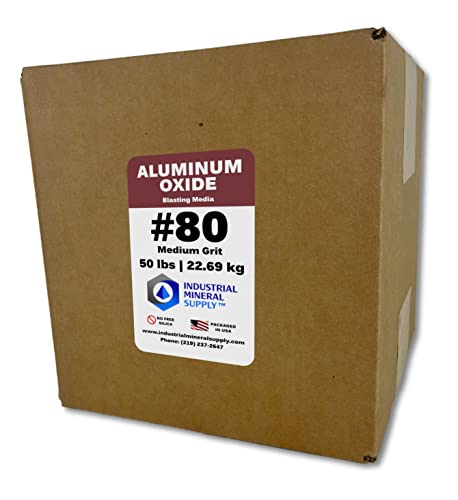
Aluminum Oxide Sand Blasting Media #80 Grit

Aluminum Oxide Sand Blasting Media #100 Grit

Halfchet 7-Piece Sand Blaster Gun Kit
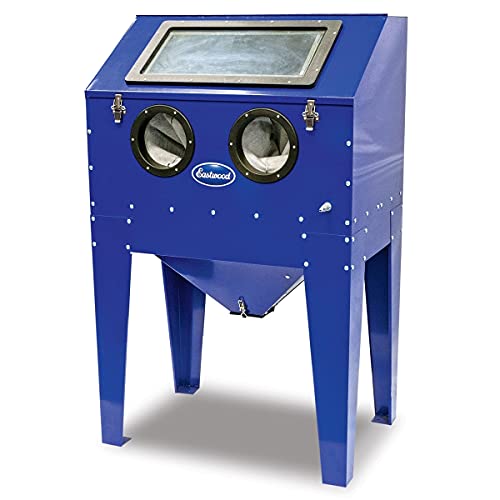
Eastwood B60 Sand Blasting Cabinet
More Details On Our Top Picks
A needle scaler works differently from a typical blaster: instead of spraying media, it drives a bundle of steel rods at high speed, chipping away rust, slag, and old paint on contact. The Ingersoll Rand 125 sits in that category and brings real workshop credibility.
You connect it to a compatible air compressor, and the pneumatic action does the heavy lifting. It shines on flat steel panels, weld seams, and tight corners where media would ricochet. For homeowners tackling a frame-off car project or restoring cast iron, the tool earns its keep quickly.
Key Advantages
- Bayonet-style needle housing adjusts without specialty tools
- Three needle material options let you match aggression to the surface
- Rubber-sealed throttle valve helps prevent air leaks during long sessions
- Heat-treated needles extend service life under repeated impact
- Pneumatic power means no batteries to charge mid-job
Points To Keep In Mind
- Requires a compressor with adequate CFM, which adds to setup cost
- Limited to surfaces that can handle direct impact; not ideal for thin sheet metal
- Noise and vibration make hearing protection and gloves necessary
At A Glance
Built With In Mind
Owners with an existing air compressor setup who need serious coating removal on heavy steel surfaces.
Reach For A Different Pick When
You want a closed, media-based setup for smaller parts; the Eastwood B60 cabinet handles that scenario with far less mess.
Glass bead media works by impact rather than cutting, so it cleans and polishes without digging into the base material. The #12 extra-fine grade, sized between 140 and 230 mesh (a measurement of particle size, where higher numbers mean finer granules), sits at the gentle end of the spectrum.
It suits aluminum, brass, and stainless components where you want to remove light oxidation or cosmetic staining without leaving an aggressive profile. For home users with a blast cabinet, this grade rewards patience with a near-satin finish that highlights the metal underneath.
A Strong Showing
- Round bead shape cleans without embedding or warping tolerances
- Free of crystalline silica (a respiratory hazard common in older sand media), making it safer to handle
- Reusable across many cycles, lowering long-term media costs
- Ten-pound bag fits neatly beside a small blast cabinet
Honest Caveats
- Too fine for heavy rust or thick paint layers
- Works best inside a cabinet; open-air use scatters beads widely
Right Fit For
Restorers working on aluminum trim, vintage hardware, and decorative metal where a polished look matters more than raw speed.
Consider Something Else When
You need to strip stubborn coatings fast; the #8 medium beads or aluminum oxide handle that workload with more bite.
Step up one grit size and the #8 medium beads become the everyday workhorse of the glass bead family. The 70 to 100 mesh range removes oxidation faster while still preserving a smoother finish than angular abrasives.
Homeowners restoring motorcycle parts, tool boxes, and steel furniture find this grade lands in a practical middle ground. It cleans efficiently, blends surface scratches, and leaves a peened texture (a uniform dimpled finish that strengthens the surface) that holds paint well.
What Stands Out
- Balanced aggression for general-purpose cleaning and finishing
- Safe on most non-ferrous metals when used carefully
- Reusable many times with proper dust collection
- Compatible with siphon guns and pressure cabinet setups
Things To Consider
- Not aggressive enough for heavy weld scale
- Generates fine dust, so cabinet filtration matters
Quick Facts
Who It Suits Best
DIYers who want one media grade for routine metal cleaning and surface blending inside a home blast cabinet.
Look Elsewhere When
You primarily work on aluminum soft metals; the extra-fine #12 beads reduce the risk of warping.
The #10 fine glass beads slot between the extra-fine and medium grades, giving you a versatile option for restoration work. The 100 to 170 mesh particle range hits a sweet spot for removing light rust and tarnish while leaving a clean, uniform finish.
For peening applications, where the impact of the media actually compresses the surface to reduce stress cracks, this grade does the job without overworking thinner parts. Home users blending welds, refreshing hardware, or prepping gifts and decorative pieces reach for this size often.
Good Reasons To Consider
- Versatile grade suited to cleaning, finishing, and light peening
- Leaves a smooth, satin-like surface on most metals
- Free of free silica, so handling risk drops noticeably
- Recycles through multiple cabinet sessions before breaking down
Trade Offs
- Slower on thick rust compared to aluminum oxide
- Bag weight means frequent refills for larger jobs
Made For
Restorers and hobbyists balancing cleaning power with surface refinement on auto trim, instruments, and small castings.
Skip It When
You need maximum cutting speed for industrial-scale prep; the #80 aluminum oxide covers that ground better.
Aluminum oxide is the angular workhorse of blasting media. The #80 grit grade, with its sharp fractured shape, chews through thick paint, heavy rust, and stubborn mill scale in a fraction of the time glass beads require.
Fifty pounds covers a lot of territory, so homeowners restoring a car frame or prepping a steel door for repaint get real value from a single bag. The media works on glass, stone, ceramic, and steel alike, making it a flexible choice for varied projects around the property.
Bright Spots
- Sharp angular profile cuts fast on tough coatings
- 50-pound bag supports large restoration projects
- Works on multiple surface types from steel to stone
- Can be used in wet or dry blasting setups
- Reusable, though it breaks down faster than glass beads
Points To Note
- Aggressive enough to remove base material if held too long in one spot
- Breaks down faster than glass media, raising long-term media costs
- Dust collection becomes critical for safety and visibility
Feature Snapshot
Best Suited To
Homeowners tackling heavy paint removal, rust conversion, or frame restoration who want fast material removal without renting a pro setup.
Swap It Out When
You want a smooth cosmetic finish on visible trim; the #8 medium glass beads deliver that without scoring the surface.
The #100 grit aluminum oxide sits one step finer than the #80, trading a touch of raw speed for a tighter surface profile (the microscopic texture left on metal that helps paint bond). That makes it the right call when you want paint to grip without leaving deep scoring marks.
You can run it on glass, granite, ceramic, and steel, so the same bag services patio table refinishing, tile etching, and metal prep. For homeowners who want one media that handles both prep and finish-adjacent tasks, this grade earns its shelf space.
Where It Delivers
- Finishes slightly smoother than #80 while staying aggressive
- Multi-surface compatibility reduces the need to stock multiple media types
- 50-pound quantity supports ongoing project work
- Works with siphon guns, pressure blasters, and cabinet systems
Less Ideal Details
- Still leaves a profile that may need smoothing for cosmetic finishes
- Finer dust requires robust cabinet filtration
Technical Highlights
Who Should Grab It
DIYers prepping surfaces for coating who want a finer profile than coarse grits but more bite than glass beads provide.
A Better Fit Elsewhere
You mostly work on soft metals and decorative pieces; the #10 fine glass beads treat those surfaces more kindly.
A siphon-feed sandblaster pulls media up through a suction tube using the venturi effect (a pressure differential created by airflow that draws media into the stream) rather than pressurizing the entire tank. The Halfchet kit arrives with everything a first-timer needs to test that approach without buying parts piecemeal.
You get the gun, steel and ceramic nozzles for swapping as wear sets in, a suction tube, an American-standard connector, and a pair of rubber gloves. The bundle suits homeowners clearing rust off a trailer, a fence gate, or patio furniture where open-air blasting remains practical.
Practical Pluses
- Complete kit removes the guesswork of sourcing compatible fittings
- Spare nozzles in steel and ceramic extend the gun’s working life
- Rubber gloves protect hands during open-air sessions
- Siphon design works with a basic garage compressor
Some Limits To Know
- Open-air blasting creates significant dust and media scatter
- Siphon feed runs slower than pressurized pot systems on heavy jobs
Perfect Match For
First-time blaster owners testing the craft on outdoor projects before investing in a full cabinet or pressure setup.
Where A Sibling Pick Shines
You mostly work indoors on small parts; the Eastwood B60 cabinet contains the mess and protects surrounding surfaces.
A blast cabinet trades portability for control. The Eastwood B60 encloses the work area, contains the dust, and lets you see what you are doing through a side window with replaceable liners.
Its wide top opening lets you place the cabinet flush against a wall in a workshop, and it accepts up to 120 pounds of media. Glove-textured hand ports give you a confident grip on small parts, so refinishing brackets, carburetor components, and decorative hardware becomes a contained, repeatable process.
Why It Works Well
- Wide top opening simplifies loading larger or awkward parts
- Holds up to 120 lbs of abrasive for extended sessions
- Replaceable window liners keep visibility clear through the work
- Textured gloves offer a firm hold on smooth metal pieces
Worth Noting
- Footprint requires a permanent spot in the shop or garage
- Not designed for oversized objects that exceed the cabinet interior
Whose Shelf It Belongs On
Workshop owners restoring small-to-medium metal parts who want clean, contained blasting without a permanent open-air mess.
Not Your Match When
You mostly tackle large outdoor items like fencing or vehicle frames; the Halfchet siphon gun handles those jobs with more flexibility.
What To Weigh Before Picking Sandblasters For Home Use
Matching a tool to the job starts with the surface in front of you. Coatings, rust, and bare metal each respond differently to media type, grit, and delivery method, so the right combo depends on the project and the space available.
Air Supply And Workspace Setup
Most home blasters run on compressed air, and the size of your compressor dictates what works. Siphon-feed guns like the Halfchet sip air, while needle scalers and pressure cabinets demand higher CFM (cubic feet per minute) ratings. Workshop space matters too: a cabinet like the Eastwood B60 needs a permanent corner, while a siphon gun travels outside for fence and patio work.
Media Type And Grit Selection
Glass beads clean and polish without removing much base material, which suits delicate trim and aluminum. Aluminum oxide cuts faster, profiles the surface for paint, and handles heavy rust on steel. Within either family, finer grits leave smoother finishes while coarser grits speed up stubborn coating removal.
Containment Versus Portability
Open-air blasting with a siphon gun is fast to set up but scatters media widely, so outdoor spaces suit it best. Cabinets contain the dust, protect indoor air quality, and allow closer work on small parts. Choosing between the two comes down to what you are blasting and where.
Key Considerations Across These Picks
Pitfalls Shoppers Hit
A common trap is buying a siphon gun without confirming compressor CFM, which leaves you under-powered and frustrated. Another is picking a media grit by feel rather than task: coarse grits on aluminum can erode the part faster than expected, and fine glass beads on thick rust waste hours. Match the media to the metal, and verify airflow before you commit.
Where The Extra Money Goes
Stepping up to a sealed cabinet or a higher-grade needle scaler buys containment, control, and durability. Powder-coated steel cabinets outlast thin-walled imports, and heat-treated needle bundles hold up under repeated shop use. The premium tier makes sense once the projects become frequent enough that dust cleanup, fatigue, and inconsistent finishes start costing you time.
Frequently Asked Questions
What air compressor size works for home sandblasting?
Most siphon-feed guns run comfortably on compressors in the 4 to 6 CFM range at 90 PSI. Needle scalers and pressure cabinets typically want 7 CFM or more, so check the tool’s CFM rating before pairing it with your compressor.
Can glass beads remove rust effectively?
Glass beads handle light to moderate surface rust well, especially on metal parts where you want to preserve tolerances and finish. For heavy, flaky rust, aluminum oxide cuts faster and reaches deeper into pitted steel.
Is wet or dry blasting better indoors?
Dry blasting inside a sealed cabinet works well for most home shop setups. Wet blasting suppresses dust and reduces airborne contaminants, but it requires moisture-tolerant media and adds drying time to your workflow.
How long does a 10-pound bag of glass beads last?
A 10-pound bag covers many small to medium parts in a cabinet, often dozens of cleaning cycles, since the beads recycle until they fracture. Expect heavier consumption on large flat panels and frequent media changes when blasting rusty steel.
Do I need a blast cabinet for home projects?
A cabinet becomes valuable once you start blasting small parts indoors, working with fine media, or wanting to contain dust in a shared garage. For outdoor work on large pieces, a siphon gun without a cabinet remains the more practical path.




