


A weathered deck is one of those projects that looks simple until you start. Old stain gums up cheap sandpaper, softwood splinters faster than you can vacuum, and a regular finishing sander can stall on cupped boards. The right orbital or detail sander turns a weekend of frustration into a smooth, ready-to-finish surface, and the wrong one leaves swirl marks, hot spots, and tired hands. This list focuses on tools that handle deck planks, railings, balusters, and the awkward spots in between, so the next refinishing job goes faster with fewer passes.
An Overview Of The Picks

DEWALT DWE6423 Variable Speed Random Orbit Sander
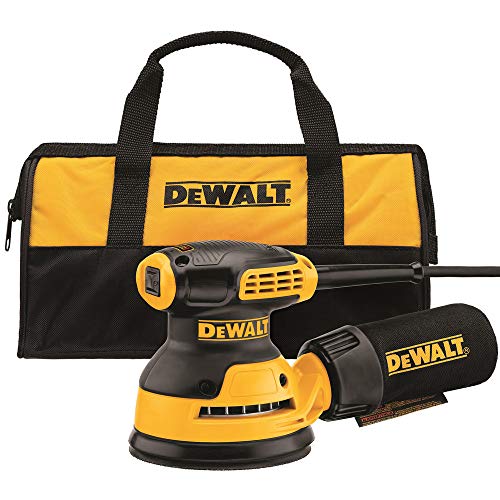
DEWALT DWE6421K 5-Inch Random Orbit Sander Kit

DEWALT DWE6421 5-Inch Palm Sander

DEWALT DWE6423K 5-Inch Variable Speed Sander Kit

DEWALT DCW210D1 20V MAX Cordless Orbital Sander

Makita BO5041K 5-Inch Random Orbit Sander

Windspeed 2+70 Pcs Mini Detail Sander Set

Keystone Sanding Mouse Mini Finger Sander

RKBUDOL Brushless Detail Sander for Milwaukee 18V
A Breakdown Of The Leading Choices
Old cedar and pressure-treated pine both sand very differently, and that is where the DEWALT DWE6423 earns its keep. A 3-amp motor drives the 5-inch pad between 8,000 and 12,000 OPM (orbits per minute, meaning how many times the pad circles per minute), so you can drop speed on soft, gummy boards and push it back up on stubborn stain. The low-profile body gets you close to deck planks, and the rubber overmold grip keeps your palm from going numb during a long afternoon of stripping.
Compared to the DWE6421 covered later, this one trades a simpler control layout for a real speed dial, which matters more on a deck than on a furniture piece. The hook-and-loop pad makes sheet changes fast, and the dust port accepts a vacuum hose so you are not sweeping gritty dust off patio furniture afterward.
The Practical Payoff
- Variable speed matches density of softwood versus aged hardwood decking.
- 3-amp motor holds pace on heavy stain removal without bogging down.
- Low-profile housing reaches inside deck corners and tight rail notches.
- Rubberized grip reduces fatigue across multi-hour refinishing jobs.
Worth Noting
- Corded design limits how far you can roam from an outdoor outlet.
- The dust bag fills quickly on big decks, so a vacuum hookup is recommended.
Feature Snapshot
Who It Suits Best
Homeowners refinishing a full deck surface on a regular outlet.
Where Another Pick Suits Better
Anyone working far from a power source should look at the DEWALT DCW210D1 cordless sander instead.
The DWE6421K is the kind of tool a first-time deck refinisher can unbox and start using without a learning curve. It comes in a hard case with the sanding pad, dust bag, and a few starter discs, so you skip the accessory run to the hardware store. The 3-amp motor runs at a steady 12,000 OPM, which is a strong single speed for stripping old deck stain and feathering new boards before sealing.
You give up the variable speed dial of the DWE6423, but the trade brings a lower price and a simpler body that fits smaller hands well. The hook-and-loop pad and counterweight design help keep vibration tame on long, repetitive passes along deck planks.
Advantages To Know
- Kit packaging includes a carrying case for clean storage between deck seasons.
- Single fixed speed removes guesswork for homeowners new to random orbit work.
- Counterweight balance keeps the pad tracking flat on wide deck boards.
- Short body profile improves control on stairs and stepped deck sections.
Trade Offs
- No speed adjustment can leave softwoods scratched if you press too hard.
- Corded-only, so routing an extension cord around railings is required.
Right Fit For
DIYers tackling a one-time deck refinish who want a complete starter package.
Not Your Match When
Frequent users on mixed softwood and hardwood decking should pick the DEWALT DWE6423 for its variable speed.
The DWE6421 is essentially the DWE6421K without the carrying case and accessories, and that is the whole point. You get the same 3-amp, 12,000 OPM random orbit action that deck owners rely on for stripping stain and smoothing weathered boards, but at a noticeably lower entry point. For a homeowner with a small back deck or a few Adirondack chairs to refinish, it does the job without the extras.
The shorter housing and rubber overmold grip still translate to good control on stair treads and rail caps, though the lack of variable speed means you have to lean on grit changes and lighter pressure to avoid swirl marks on softer cedar.
Positive Takeaways
- Lower cost makes a one-off deck refinish more approachable.
- Counterweight design reduces vibration on extended palm work.
- Hook-and-loop pad accepts common 5-inch discs from any hardware aisle.
Points To Note
- No case means you will need a drawer or shelf to keep sandpaper organized.
- Single speed is less forgiving on delicate deck trim and softwood rails.
- Cord length requires a heavy-duty outdoor extension for most yards.
Perfect Match For
Homeowners with a small deck or a single weekend refinishing project on a budget.
Look Elsewhere When
Anyone planning multiple deck jobs should look at the Makita BO5041K for its wider speed range and included case.
The DWE6423K takes the variable speed body of the bare DWE6423 and bundles it in a hard kit case. That matters more than it sounds on a deck job, because a random orbit sander lives a tough life in a garage next to fertilizer bags and lawn gear. A solid case keeps the dust port and switches from getting caked with sawdust and grime between refinishing seasons.
You still get the 8,000 to 12,000 OPM range, which lets you walk speed down on soft cedar rail caps and crank it back up on grimy floorboards near a grill. The trade-off versus the cordless DCW210D1 is the cord, but corded tools never run out of battery halfway through stripping the far side of the deck.
Noteworthy Benefits
- Variable speed dial gives nuanced control across deck wood species.
- Kit case keeps dust and yard debris out of the motor housing.
- 3-amp motor maintains orbit speed under load on stubborn finishes.
- Hook-and-loop pad swaps discs fast between grits during a refinish.
Honest Caveats
- Heavier than the single-speed DWE6421 due to extra speed control hardware.
- Corded operation demands extension cord planning around a backyard.
Made For
Homeowners who plan to refinish a deck now and again in future seasons and want a protected kit.
Skip It When
Anyone with limited outdoor outlets should look at the DEWALT DCW210D1 cordless sander instead.
Pulling an extension cord around a back deck while stepping over flower beds and patio furniture gets old fast. The DCW210D1 solves that with a 20V MAX battery platform and a brushless motor (a brushless motor uses electronic switching instead of carbon brushes, which tends to last longer and run cooler). It ships with a 2.0Ah battery, charger, and storage bag, so you can start on a detached deck or pergola without dragging out cords at all.
The 8,000 to 12,000 OPM dial behaves like the corded DWE6423, and the dust port still hooks to a vacuum. The honest read is that runtime depends heavily on battery amp-hours, so a full deck may need a spare battery. For most people with a standard 300-square-foot deck, one charge handles a full sanding pass with grit changes.
Key Advantages
- Cordless design reaches detached structures and far corners of large yards.
- Brushless motor extends tool life and runs cooler under deck work.
- Variable speed dial mirrors the corded DWE6423 for familiar control.
- Included bag keeps battery, charger, and discs together in the garage.
Less Ideal Details
- Battery adds weight, which matters on overhead rail sanding.
- 2.0Ah pack may run low on larger decks, so a backup battery helps.
Feature Snapshot
Best Suited To
Homeowners with detached decks, sheds, or large yards who already run DEWALT 20V tools.
Another Choice May Suit
Anyone shopping on a tighter budget should look at the DEWALT DWE6421 corded sander instead.
The Makita BO5041K is the only sander in this roundup that pushes a 3.0-amp motor with a variable speed dial running from 4,000 to 12,000 OPM. That bottom-end speed is genuinely useful on deck work, because you can slow the orbit enough to polish a slick handrail or a worn stair nosing without burning the surface. The top end still strips stain with confidence on floorboards.
Ergonomically, it splits the difference between a palm grip and a barrel grip, which gives you two-hand control on long passes. Compared to the DEWALT DWE6423, the Makita feels a touch heavier but more balanced in two hands, and the included case holds a few accessories for organized deck storage.
What Helps Most
- Extra-wide speed range handles delicate rails and rough floorboards.
- 3.0-amp motor sustains performance during heavy deck refinishing.
- Two-hand grip layout reduces wrist strain on extended outdoor work.
- Kit case protects the tool between seasonal deck projects.
Room For Improvement
- Heavier than single-grip sanders, which may tire some users on overhead work.
- Higher cost reflects premium positioning over basic palm sanders.
Who Will Love This
DIYers refinishing large decks or multiple wood projects who want long-term comfort and control.
A Better Fit Elsewhere
Anyone doing light, occasional touch-ups on a small deck may find the DEWALT DWE6421 more than enough.
No 5-inch random orbit sander reaches the gaps between deck balusters, which is exactly where the Windspeed set earns its place. The package includes both a long-handle and short-handle finger sander, so you can poke into the space between spindles or settle in for detail work on post caps and decorative railing cuts. You also get 70 sheets of sandpaper in grits from 40 up to 400, which covers everything from heavy paint removal to final smoothing before sealing.
The trade-off is speed, because a finger sander works on patience rather than power. Treat it as a complement to a primary deck sander, not a replacement, and the job flows well: orbit sander on the planks, finger sander on the joints.
Features That Help
- Two handle lengths suit different deck detail scenarios.
- Includes 70 sandpaper sheets across seven grit levels.
- Tiny sanding heads reach between balusters and rail slats.
Possible Compromises
- Manual-style finger sander is slow on large flat deck surfaces.
- Sandpaper assortment may include grits less relevant to deck stain removal.
Whose Shelf It Belongs On
Homeowners with decorative railings, balusters, or trim-heavy deck designs.
Reach For A Different Pick When
Anyone with broad deck planks and minimal trim should grab the DEWALT DWE6423 as a primary sander first.
The Keystone Sanding Mouse is small, about 2.5 inches long and 1 inch wide, which lets it reach the kind of places that make a 5-inch sander feel clumsy. On a deck, that means the tight spots between vertical balusters, the inside corners of built-in bench seating, and the angles where a stair stringer meets a tread. It comes with 50 pre-cut hook-and-loop strips across five grits from 80 to 400.
You will not be stripping a full deck with this, and the design depends on hook-and-loop sandpaper rather than standard sheets, so refills are a touch more specific. For the gaps where every other sander on this list gives up, it quietly handles the work.
Well-Handled Touches
- Compact profile fits between balusters and rail slats.
- Hook-and-loop strips swap quickly for fast grit changes.
- 50 starter sheets in mixed grits cover most detail jobs.
Soft Spots
- Not designed for large deck plank sanding.
- Hook-and-loop refills are less common than standard sandpaper sheets.
Right Fit For
Homeowners with intricate deck railings, lattice work, or built-in bench detail.
Swap It Out When
Anyone tackling wide-open deck planks should choose the DEWALT DWE6423K variable speed sander for the main work.
The RKBUDOL detail sander is built for people already invested in the Milwaukee 18V battery system. It accepts common Milwaukee 18V packs (the battery and charger are not included, so factor that in), and the brushless motor delivers longer runtime per charge than brushed units. The triangular tip and small sanding footprint are tuned for corners, baseboards, and yes, the tight angles on deck railings and post trim.
You will not use it to flatten a deck floor, and that is the honest read. It belongs in the hands of someone whose main deck sander is already on the shelf, and who wants cordless detail work that shares batteries with the rest of their Milwaukee tool kit.
What Stands Out
- Brushless motor stretches battery life on long detail sessions.
- Compatible with multiple Milwaukee 18V battery models.
- Cordless detail head handles rail corners and post trim well.
Things To Consider
- Battery and charger are not included, so first-time cost is higher.
- Detail-only footprint is too small for full deck plank work.
Built With In Mind
Milwaukee 18V tool owners adding detail sanding to their existing kit.
Consider Something Else When
Anyone without Milwaukee batteries should pick the DEWALT DCW210D1 for a complete cordless package.
Choosing Deck Sanders That Actually Finish The Job
Match The Tool To The Wood, Not The Other Way Around
Softwoods like cedar and pressure-treated pine sand easily but scratch fast, so a sander with a lower minimum speed or a lighter touch wins. Hardwoods like ipe or older oak deck boards resist sanding and demand higher orbit speeds and steady pressure. Pick a model whose OPM range overlaps both ends, and you avoid swapping tools mid-project.
Pad Size And Shape Determine Where You Can Reach
A 5-inch round pad covers deck planks quickly, but it cannot reach between balusters or into railing corners. Pairing a round random orbit sander with a finger or detail sander covers the full surface, which is why the roundup includes both types. For open decks with minimal trim, a single 5-inch sander may be all you need.
Corded Versus Cordless Comes Down To Yard Layout
A corded sander delivers consistent power and never runs out mid-job, but you need an outdoor outlet and a heavy-duty extension cord. A cordless sander frees you from that, at the cost of battery runtime. Homes with detached decks, sheds, or pergolas far from outlets benefit from a battery platform they can share with other tools.
Dust Control Protects More Than Your Lungs
Random orbit sanders throw a lot of fine dust, and on a deck that dust blows into landscaping, furniture, and the house. Models with a one-handed dust bag and a vacuum port keep the workspace cleaner and the finish smoother. Emptying the bag between sections also keeps suction strong.
Smart Habits Before You Commit
Mistakes Worth Dodging
Skipping a test pass is a common slip-up, because the same sander behaves differently on a new deck board versus a 15-year-old stained one. Take a few practice passes on a hidden corner of the deck before committing to a full sweep. Pushing too hard is another trap, because the random orbit action does the work, and extra pressure just creates swirl marks that show up under stain. Let the pad glide and the grit do the cutting.
When Paying More Pays Off
Higher-tier sanders in this roundup earn their premium through brushless motors, wider speed ranges, and included carrying cases. For a one-time deck refinish, the value tier handles the job well. For homeowners who refinish every few years, the longer motor life and broader speed control of premium models reduce the chance of burning soft rail caps or leaving swirls on floorboards. The upgrade pays off across multiple seasons.




