


Metal sanding looks simple until you load the wrong abrasive. Too coarse and you gouge the panel, too fine and you spend an hour achieving nothing. The right sanding papers for metal make the difference between a quick afternoon cleanup and a weekend of frustration. This roundup covers eight solid options for auto body work, rust removal, polishing, and general metal prep, from PSA discs that stick to a random orbital sander to wet/dry sheets that chase mirror finishes.
The Shortlist At A Glance

S SATC 100 PCS PSA Sanding Discs 6 Inch 120 Grit

SenmaiTools Emery Cloth Roll, 6 Grits, 1 Inch x 19.7 ft
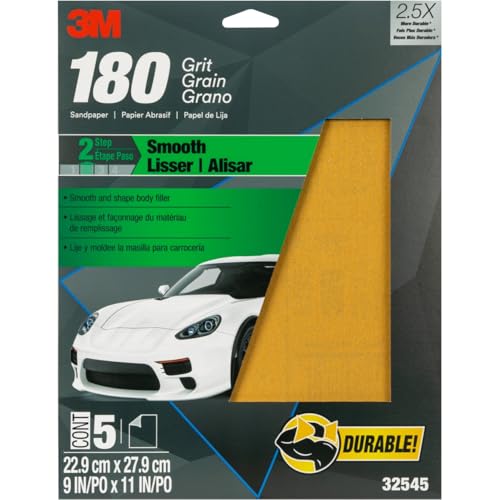
3M Sandpaper 180 Grit Sheets, 9 in x 11 in

SenmaiTools High Grit Sandpaper Assortment, Ultra Fine Wet Dry
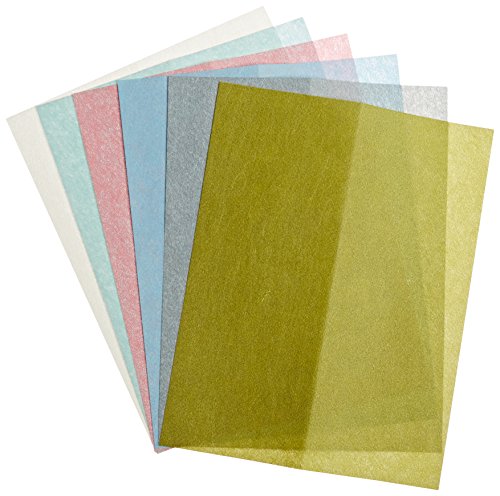
Zona 37-948 3M Wet/Dry Polishing Paper, 8-1/2″ x 11″

S SATC Premium PSA Sanding Discs 6 Inch, 10 Grits

S SATC PSA Adhesive Sanding Discs and Belts 12-Pack

Makita 5 Abrasive Disc (742108-1)
Meet The Standout Selections
A hundred discs at 120 grit sounds excessive until you start stripping paint off a truck fender. The PSA (pressure-sensitive adhesive) backing sticks to a drill attachment or backing pad, peels off cleanly when worn, and the aluminum oxide abrasive cuts through rust and body filler at a steady pace. Compared to the loose sheets in older kits, sticky-back discs save the fumbling and the constant re-taping.
For weekend mechanics clearing corrosion off brackets or sanding welds flush, the 6-inch diameter covers enough surface to finish a hood in reasonable time. The single-grit pack keeps things simple if you already know you live at 120.
Positive Takeaways
- Adhesive backing holds firm under pressure and peels without leaving residue on the pad
- Aluminum oxide abrasive handles rust, primer, and body filler without glazing quickly
- Six-inch discs balance coverage and control for curved panels and flat sheet metal
- Bulk count of 100 means you rarely run out mid-project
Things To Consider
- Single grit limits you; you will need a separate pack for finer finishing
- PSA adhesive loses grip on dirty backing pads, so a quick wipe before each swap helps
Who It Suits Best
DIYers restoring a single vehicle or hobbyist metalworkers handling one project at a time benefit most from the focused 120-grit range and bulk count.
Consider Something Else When
Shoppers chasing a full rough-to-fine lineup in one box should look at the S SATC Premium 10-grit assortment further down the list.
Emery cloth is the old-school workhorse of metal sanding, and this roll wraps six grits (80, 120, 240, 320, 400, 600) into one compact dispenser box. You tear off a strip, fold it around a file, and get into spots where a 6-inch disc cannot reach. Restoration shops still keep rolls like this for chassis rails, hand tools, and plumbing fittings.
The wet/dry rating means you can chase a finer finish on steel by adding a drop of water to reduce heat and dust. Compared to the PSA discs above, this is slower work, but the precision on tight curves and threads is hard to match.
Useful Highlights
- Six-grit range covers rust removal through final smoothing in one roll
- Flexible cloth backing conforms to round stock, pipes, and hand tools
- Dispenser box keeps the roll clean and lets you tear exact lengths
- Wet/dry construction extends abrasive life during polishing stages
Worth Noting
- Hand sanding is slower than machine work on large flat panels
- One-inch width means more strips per job, so count your tear-offs
Right Fit For
Plumbers, machinists, and restorers who work small parts and curved metal benefit most from the tear-and-fold convenience.
Skip It When
Body shops clearing full panels should reach for the 3M sheets reviewed next, which cover more area per stroke.
3M’s 180-grit sheets sit in the middle of the auto body system for a reason: coarse enough to knock down body filler, fine enough to leave a surface ready for primer. The 9-by-11-inch size tears into quarters for hand blocks or feeds into a sheet sander for larger passes. The bonded aluminum oxide construction resists clogging longer than budget abrasives, which matters when you are working wet glaze and putty.
Where the SenmaiTools emery roll is about hand control, this is about flat-panel efficiency. Auto body technicians often keep a stack of these on hand alongside heavier grits.
The Practical Payoff
- Aluminum oxide abrasive stays sharp through extended filler work
- Bonded construction resists clogging when sanding glazing and spot putty
- 9-by-11 sheets tear into strips, blocks, or full sheets for a power sander
- 180 grit lands at the sweet spot between shaping and pre-prime finishing
Minor Gripes
- Five-sheet count is small; serious jobs will need backup packs
- Single grit means buying again for each stage of the body repair system
Built With In Mind
Auto body technicians and serious restoration hobbyists shaping filler and glaze get the most from 3M’s proven abrasive construction.
A Better Fit Elsewhere
Casual DIYers who only sand metal occasionally may find the S SATC PSA disc kit more economical for one-off projects.
Once the heavy shaping is done, fine-grit wet/dry sheets take over. This 33-piece assortment runs from 400 grit all the way up to 20,000, which sounds absurd until you are polishing a knife blade or a guitar fret. Grit numbers are printed on the back, so you are not squinting to find the right sheet mid-job. A microfiber cloth comes along for wiping residue between passes.
For metal, the 400 to 2000 range does the real work; the higher numbers are for clearcoat and resin work. If you finish jewelry, blades, or aluminum parts, this is the kind of pack that replaces five separate sheet purchases.
A Few Strong Suits
- Thirteen grits cover everything from scratch removal to mirror polish
- Wet/dry construction lets you add water for cooler, dust-free finishing
- Printed grit numbers on the back speed up sheet selection
- 9-by-3.6-inch sheets fit standard hand blocks and detail work
Room For Improvement
- Fine grits clog easily on bare metal without a lubricant or backing block
- 33 sheets spread across 13 grits means a few uses per grade
Perfect Match For
Hobbyist polishers, knife makers, and detail-oriented metalworkers chasing a scratch-free finish benefit most from the ultra-fine range.
Reach For A Different Pick When
You need to remove heavy rust or weld scale first; the SenmaiTools emery roll at 80 grit handles that prep work better.
Polishing paper measured in microns rather than grit feels like a different category, and it is. The Zona 37-948 ships one sheet each at 30, 15, 9, 3, 2, and 1 micron, which is roughly 400 to 8000 grit in old money. The non-woven backing flexes around contoured surfaces, so it works on aluminum, acrylic, and precious metals where a stiffer sheet would gouge the curve.
This is the pick for jewelry makers and hobbyists who already know the difference between a 9-micron and a 15-micron scratch pattern. Everyone else can skip to a standard grit pack.
Bright Spots
- Flexible non-woven backing follows curved and contoured surfaces
- Wet/dry use cuts dust during fine polishing on acrylic and soft metals
- Step-down micron range (1 to 30) creates a true progression to mirror finish
- 8.5-by-11 sheets cut into strips for small tools and detail work
Softer Spots
- One sheet per grit means replacing the set once you wear through any grade
- Micron grading assumes prior finishing knowledge, not a beginner starting point
Best Suited To
Jewelers, silversmiths, and crafters polishing soft metals and acrylics gain the most from the micron-graded progression.
Swap It Out When
General metalwork calls for grits, not microns; the SenmaiTools high-grit assortment is a friendlier starting point.
The single-grit S SATC pack covers one job; this premium version covers ten. You get 10 discs each at 60, 80, 120, 180, 240, 320, 400, 600, 800, and 1000 grit, so a full auto body project from weld cleanup to final pre-paint sanding stays inside one box. The aluminum oxide abrasive on self-stick backing fits random orbital sanders, drill attachments, and belt disc sanders, depending on the pad you already own.
Compared to the 3M 180-grit sheets earlier, this is a wider investment. You trade the 3M’s brand consistency for grit variety and bulk.
A Strong Showing
- Ten grit grades handle rough shaping through pre-paint prep in one kit
- PSA adhesive works on random orbital sanders and drill pads
- Aluminum oxide abrasive cuts steel, aluminum, and body filler
- 100-disc count supports full project runs without reordering mid-job
Honest Caveats
- Owners commonly report the adhesive weakens in hot garages, so a quick pad wipe helps
- Larger grit spread means some discs sit unused if you do not need every stage
Who Should Grab It
Shops and serious DIYers running multiple metalworking projects at once benefit from the all-in-one grit range and bulk count.
Where Another Pick Suits Better
If you only sand by hand, the 3M 180-grit sheets remain easier to fold and grip on a sanding block.
Most kits pick a lane: discs or belts. This 12-piece set mixes 6-inch PSA discs with 4-by-36-inch belts across the same grits, so you can run a disc sander for flat passes and a belt sander for aggressive material removal without buying two separate packs. The aluminum oxide abrasive sits on C-weight paper with an anti-static coating, which helps dust extraction on machines with vacuum ports.
For hobbyists who own both tool types, the combined kit simplifies stocking.
Useful Strengths
- Discs and belts in one pack suit mixed-tool workshops
- Anti-static coating reduces dust load on vacuum-equipped sanders
- Self-stick PSA backing speeds up grit changes mid-project
- Aluminum oxide abrasive handles steel, aluminum, and wood equally well
Points To Note
- Twelve total pieces means lighter per-grit coverage than bulk packs
- No-hole discs may not match sanders expecting dust extraction patterns
Made For
Small shop owners running both a disc sander and a belt sander get efficient stocking from the combined grit range.
Not Your Match When
You only use one sander type; the S SATC 100-pack of discs makes more sense for disc-only workflows.
Makita’s 742108-1 abrasive disc is a fiber-backed consumable designed for angle grinders, the heavy hitters of metal shaping. The fiber backing is thicker than paper-backed PSA discs, so it tolerates the side loads a grinder throws at it. Five discs per pack sounds small, but grinders eat discs quickly, and this size is meant to be replaced often rather than nursed along.
If you already run a Makita grinder for cutting and beveling, keeping a spare set of these on the shelf avoids a mid-project trip to the hardware store.
Everyday Wins
- Fiber backing handles grinder side loads without tearing
- Designed specifically for Makita grinder compatibility
- Aggressive cut rate suits weld cleanup and heavy stock removal
A Few Limitations
- Five-disc count fills a single grinder session for big jobs
- Grinder-only use case limits versatility compared to orbital sander discs
Whose Shelf It Belongs On
Tradespeople and fabricators using Makita angle grinders for weld prep and metal shaping get the most from the dedicated fit.
Look Elsewhere When
You do not own a compatible grinder; the S SATC orbital sander discs above cover finer detail work without the side-load risk.
Picking Sanding Papers That Match Your Metalwork
Grit Range Decides Most Of The Outcome
Choosing sanding papers for metal starts with grit selection, the particle size of the abrasive. Lower numbers (60 to 120) cut fast and leave visible scratches, so they suit rust, weld scale, and shaping filler. Mid-range grits (180 to 400) refine the surface for primer or paint. Anything above 600 polishes rather than sands, chasing mirror finishes on aluminum or stainless. For most metal repair jobs, you need at least three grits in sequence; buying a multi-grit pack like the S SATC 10-grit set covers that progression in one box.
Format Follows The Tool You Already Own
The abrasive matters, but the format decides whether you can use it. PSA (pressure-sensitive adhesive) discs stick to random orbital sanders and drill pads for machine work. Sheet goods tear into blocks for hand sanding. Rolls and emery cloth fit files and tight curves where discs cannot reach. Fiber-backed discs survive the side loads of an angle grinder, while wet/dry sheets handle water-assisted polishing for heat-sensitive finishes. Match the format to your tool before you match the grit to the job.
Substrate And Application Drive Material Choice
Aluminum oxide, the abrasive in most sheets on this list, handles steel, aluminum, and body filler at a fair price. For harder stainless or high-alloy work, ceramic or zirconia grains last longer but cost more. Wet/dry construction extends life when you add water or lubricant during polishing. For general DIY and auto body use, aluminum oxide with PSA or sheet backing is the practical balance.
What To Weigh Before You Add To Cart
Common Shopping Slip Ups
The most frequent mistake is buying a single-grit pack and realizing mid-project that you need finer or coarser paper. Multi-stage metalwork almost always needs a progression. Another trap is matching the wrong format to your sander; PSA discs without holes will not extract dust on vacuum-equipped machines, and fiber discs belong on grinders, not orbital sanders. Skipping backing-pad cleanliness also kills PSA discs early, since adhesive grabs dust before it grabs the pad.
Where The Extra Money Goes
Higher-tier sanding papers cost more because they use tougher grain bonds, heavier backings, and anti-clog coatings. For a one-hour rust job, mid-range aluminum oxide is plenty. For a full auto body refinish or production work, premium discs resist glazing longer and cut more square feet per disc, which saves time even if the per-piece price climbs. The honest read is that premium abrasive pays off when you measure labor, not just materials.
Frequently Asked Questions
What Grit Sandpaper Should I Use On Metal?
Start with 80 or 120 grit for rust removal and weld cleanup, move to 180 or 220 for shaping body filler, and finish with 320 to 600 for pre-paint surfaces. Anything above 1000 grit is polishing, not sanding.
Can I Use Regular Sandpaper On Metal?
Standard woodworking sandpaper works on soft metals like aluminum for light scuffing, but aluminum oxide or silicon carbide papers last far longer on steel and resist tearing. For any real metal work, abrasive rated for metal is the better pick.
What Is The Difference Between Wet And Dry Sandpaper?
Wet/dry paper uses a waterproof backing and resin bond that holds up when water or lubricant is added. Water reduces heat, carries away debris, and extends the abrasive life during fine polishing. Dry-only paper disintegrates when wet and should stay on dry applications.
How Long Do Sanding Discs Last On Metal?
Lifespan depends on grit, pressure, and material. Coarse aluminum oxide discs on heavy rust may last 15 to 30 minutes of active sanding. Finer grits on clean steel can stretch to several hours. Anti-clog coatings and lighter pressure extend life noticeably.
Is Aluminum Oxide Or Silicon Carbide Better For Metal?
Aluminum oxide is the more common choice for steel, iron, and auto body work because it is tough and affordable. Silicon carbide cuts sharper and works well on harder metals, plastics, and wet polishing, but wears faster on heavy stock removal.




