


Stripping old paint from a vintage dresser, a tired deck railing, or a car panel can feel like running a marathon with sandpaper. You push through coats of color, primer, and years of build-up, and the wrong abrasive turns a weekend project into a week of frustration. The right disc or sheet cuts faster, resists clogging, and leaves a clean surface for whatever comes next.
This roundup focuses on the grits, backing styles, and abrasive types that actually hold up on real paint-removal jobs. You will find options for random-orbit sanders, drill attachments, hand sanding, and detail work on models, plus a few mix-and-match kits that cover an entire project from first pass to final prep. Each pick below solves a slightly different problem, so the right choice depends on the tool you already own and the surface you are attacking.
The Shortlist At A Glance

S SATC 100 PCS PSA Sanding Discs 6 Inch 120 Grit
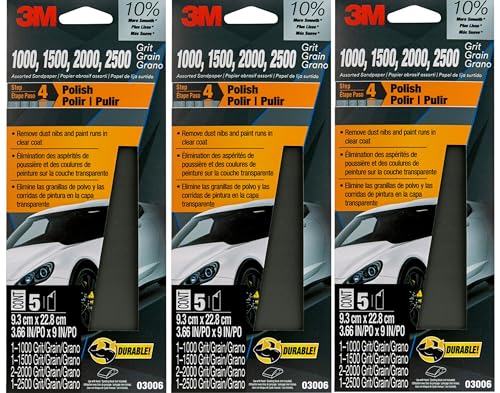
3M Wetordry Sandpaper Assorted 3-Pack

S SATC Premium PSA Sanding Discs 6 Inch 100 PCS

PSA 6 Inch Adhesive Sanding Disc and Belt Set 12PCS
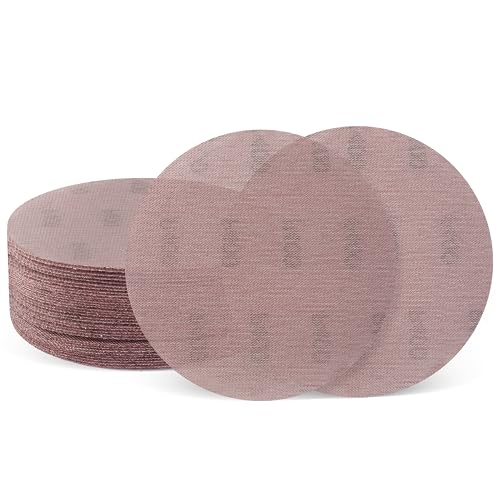
S SATC 6 Inch Hook and Loop Mesh Sanding Discs 400 Grit

stedi Hobby Model Tools Adhesive Sandpaper 400/600/800

S SATC 100 PCS PSA Sanding Discs 6 Inch 80 Grit

S SATC 100 PCS PSA Sanding Discs 6 Inch 180 Grit
What Each Pick Brings To The Table
The S SATC 120-grit pack lands right in the middle of the paint-stripping conversation, and that is exactly the point. A 120-grit disc is coarse enough to chew through old enamel on a car fender or a weathered picnic table, but fine enough that you are not leaving gouges that show through your primer.
These are PSA discs, which means pressure-sensitive adhesive, the same peel-and-stick system you find on factory backing pads. You press one on, sand until it dulls, peel it off, and move on. For drill attachments, the sticky back grips well on standard hook-compatible pads. A hundred discs gives you enough runway to finish a full vehicle panel set or a large piece of patio furniture without rationing your abrasive.
Standout Benefits
- Aluminum oxide abrasive, the industry standard for paint, primer, and bare wood, holds its edge through extended sessions.
- Six-inch diameter covers broad panels quickly, so you spend less time per square inch on a hood or door.
- PSA backing means fast swaps with no extra discs rolling around the shop floor.
- The hundred-pack count keeps you stocked through multi-stage projects without mid-run reorders.
- Compatible with most random orbital sanders and drill pad attachments, which adds tool flexibility.
Things To Consider
- Single-grit pack means you will need separate discs for finish sanding at 220 or 320.
- PSA adhesive loses tack after several heat cycles, so pads on hot summer jobs may need replacing sooner than expected.
Who Should Grab It
Drill-based DIYers working on auto panels, outdoor furniture, or shutters, where a single mid-grit abrasive covers the bulk of paint removal.
Consider Something Else When
The S SATC Premium PSA Sanding Discs 6 Inch 100 PCS kit makes more sense for anyone who needs the full grit progression in one purchase.
Wet-or-dry sandpaper changes the rules of paint removal because water acts as a lubricant and dust suppressant at the same time. The 3M Wetordry sheets use silicon carbide grit, a sharper and harder abrasive than aluminum oxide, which makes them excellent for knocking down clear coat, blending body filler edges, and refining automotive paint between coats.
These come as a three-pack of 3-2/3 inch by 9 inch sheets, the standard sizing for hand-sanding blocks and body work. The waterproof backing lets you dunk them in a bucket of soapy water, sand a fender, rinse the swarf away, and keep cutting. For detail work around trim, emblems, and tight contours, that flexibility is hard to beat. You can also run them dry on filler or primer without a big drop in performance.
A Few Highlights
- Silicon carbide abrasive stays sharp through clear coat and enamel, where aluminum oxide tends to wear faster.
- Waterproof paper backing means wet sanding without the sheet falling apart mid-pass.
- Sheet format adapts to hand blocks, fingertip sanding, or cut pieces for detail tools.
- Compatible with machine sanding for higher-volume body shop work.
Worth Noting
- Sheet format is slower on large flat panels than the six-inch discs from earlier picks.
- You will likely need to buy multiple packs for a full respray prep, since the included count is small.
- Wet sanding creates slurry that needs to be wiped and cleaned before primer goes on.
Made For
Auto body technicians and refinishers tackling spot repairs, blend work, and final pre-paint prep on cars or motorcycles.
Where Another Pick Suits Better
The S SATC 100 PCS PSA Sanding Discs 6 Inch 120 Grit is a stronger match when the priority is broad-surface paint removal rather than spot refinishing.
The Premium kit is essentially ten single-grit packs rolled into one, and that matters more than it sounds. A full paint-stripping project moves from coarse stock removal to fine pre-paint prep, and running out of any one grit mid-job means a supply run that breaks your rhythm. With ten discs each of 60, 80, 120, 180, 240, 320, 400, 600, 800, and 1000, you can work a piece from raw paint to clear-ready surface without changing brands.
The aluminum oxide abrasive cuts wood, metal, filler, and fiberglass, and the PSA backing holds up on random orbital sanders and belt disc sanders alike. The progression mirrors what professional auto body and refinishing workflows actually use, so home DIYers get the same sequence the pros follow.
What Makes Sense
- Full grit ladder in a single purchase removes the guesswork of matching different packs.
- Ten discs per grit means realistic coverage for an entire panel or piece of furniture.
- Aluminum oxide construction handles wood, metal, body filler, and paint with the same disc type.
- PSA backing fits both random orbital sanders and belt disc sanders, which is rare in a single kit.
Trade Offs
- Ten grits split across 100 discs means fewer discs per grit than the single-grit packs offer.
- The ultra-fine 800 and 1000 grits go unused on most pure paint-stripping jobs.
Key Advantages
The Right Fit
Workshop owners and serious DIYers who want one kit to handle a car respray, a refinished cabinet, or a multi-step furniture restoration.
Swap It Out When
The S SATC 100 PCS PSA Sanding Discs 6 Inch 80 Grit is a better buy for anyone focused purely on heavy paint and rust removal, where the finer grits in this kit would sit unused.
Most sandpaper kits stick to one format, but this one pairs six-inch PSA discs with 4×36 inch sanding belts, the two sizes you actually use when working metal, body filler, and bare wood. A belt sander chews through old paint on flat panels fast, while an orbital disc handles the curves and corners the belt cannot reach.
The set ships with two pieces each of 60, 80, 120, 150, 240, and 400 grit, covering aggressive stock removal through pre-paint smoothing. The aluminum oxide abrasive sits on C-weight paper with an anti-static treatment, which helps the discs resist clogging when the paint is gummy and the weather is warm.
Bright Spots
- Disc plus belt pairing means you do not need a separate abrasive purchase for a different sander type.
- Anti-static C-weight paper backing extends disc life on soft, gummy paints.
- Six-grit coverage hits the key body-work steps without wasted inventory.
- No-hole disc design avoids alignment headaches on non-vacuum backup pads.
Small Caveats
- Only two discs per grit means larger projects will burn through the supply quickly.
- The 4×36 inch belt size is standard for many combo sanders but will not fit every benchtop model.
Who Will Love This
Hobby machinists and small-shop restorers running both a belt sander and a disc sander on the same paint-removal job.
A Better Fit Elsewhere
The S SATC Premium PSA Sanding Discs 6 Inch 100 PCS makes more sense when disc-only workflows are the priority, since you get ten times the inventory for similar tasks.
Mesh sanding discs solve a problem that regular discs cannot: dust loading. Traditional paper discs clog fast when sanding soft paint, primer, or filler, and once the grit is packed with debris, the disc just rubs and heats up. The mesh design pulls dust through the entire surface, so debris is evacuated into the sander’s vacuum port rather than trapped on the abrasive.
At 400 grit, this is a finishing-stage disc, the right tool for smoothing primer, scuffing between coats, and prepping a surface for paint. The hook-and-loop backing swaps discs in seconds without the sticky residue of PSA adhesive. For wood furniture restoration after paint stripping, this is the step that separates an OK job from a glass-smooth one.
Where It Excels
- Open mesh structure dramatically reduces clogging on soft coatings.
- Hook-and-loop attachment is faster and cleaner than peel-and-stick for repeated changes.
- 400 grit is the right pre-paint smoothness for most clear coat and enamel systems.
- Mesh construction resists tearing even under heavy orbital pressure.
Areas To Watch
- 400 grit is too fine for the heavy paint and rust removal this roundup is built around.
- Single-grit pack means a separate purchase for the coarser stages of the same project.
Useful Highlights
Best Suited To
Refinishers and woodworkers handling the final smoothing pass after the bulk of paint has already been removed with coarser discs.
Reach For A Different Pick When
The S SATC 100 PCS PSA Sanding Discs 6 Inch 80 Grit is a better first step when the project is still in the heavy paint removal stage.
Plastic model kits, miniature figures, and small RC bodies are a different sanding challenge. The pieces are tiny, the paint is often enamel or lacquer, and you need control more than aggression. The stedi Adhesive Sandpaper sheets come in 400, 600, and 800 grit, the right range for stripping a model without chewing through fine details.
The ceramic abrasive is harder than aluminum oxide, which means it stays sharper through multiple small parts. The washable and reusable backing is unusual for a sheet product; you rinse the swarf out and the grit keeps cutting. For someone building scale models, painting Warhammer figures, or restoring toy vehicles, the precision is the feature that matters most.
Useful Touches
- Ceramic grit holds its edge through extended detail work better than standard aluminum oxide.
- 400, 600, and 800 grit cover the realistic range for model paint removal and prep.
- Washable backing extends sheet life and reduces waste on long modeling sessions.
- Sheet format cuts easily to the size of small parts and contours.
Some Limits To Know
- Fine grits are too delicate for the heavy paint layers found on furniture or car panels.
- Sheet format means manual hand sanding, no power tool compatibility.
Whose Shelf It Belongs On
Scale modelers, miniature painters, and hobbyists who strip and repaint small parts regularly and need precision over power.
Skip It When
The S SATC 100 PCS PSA Sanding Discs 6 Inch 120 Grit is the better fit for full-size automotive and furniture projects, where power tool sanding dominates the workflow.
When the paint is thick, layered, and stubborn, you want a coarse grit that cuts fast, and 80 grit is the sweet spot for that role. It is aggressive enough to remove multiple layers of old enamel or latex paint in a single pass, but not so rough that you are left with a finish that takes forever to recover.
Pairing that grit with a 100-disc pack makes sense for large projects: exterior siding, a full picket fence, or a vintage boat hull. The PSA backing sticks firmly to drill pads and orbital sanders, and the aluminum oxide abrasive holds up under the pressure needed to push through decades of buildup.
Everyday Wins
- 80 grit cuts through thick, multi-layer paint faster than finer mid-grit discs.
- Aluminum oxide abrasive stays sharp under the heavy pressure of paint removal.
- Hundred-disc count supports large projects without mid-run reorders.
- Six-inch size covers broad exterior surfaces efficiently.
Points To Keep In Mind
- 80 grit leaves visible scratch patterns that require follow-up sanding with 180 or 220 grit.
- Single-grit pack means a second purchase is needed for finish work on the same project.
- Aggressive cutting generates heat, so prolonged pressure on one spot can burn through paint and into the substrate.
What The Numbers Say
Who It Suits Best
Restoration specialists and homeowners stripping thick, old paint from wood siding, fences, and outdoor furniture where speed matters more than finish.
Not Your Match When
The 3M Wetordry Sandpaper Assorted 3-Pack is the right call for anyone focused on automotive refinishing and clear coat work rather than heavy structural paint removal.
The 180-grit disc is the step most people forget, and the step that decides whether the final paint job looks professional or DIY. After the heavy lifting of 60 or 80 grit removes the bulk of the old paint, 180 grit evens out the deep scratches those coarser discs leave behind. Skipping it is the most common reason primer peels or fish-eyes on the new topcoat.
As a standalone, this 180-grit pack works well when the paint you are removing is not thick to begin with. A single layer of latex on a recent project, light oxidation on a car hood, or surface preparation on bare wood are all reasonable applications. The aluminum oxide abrasive and PSA backing match the rest of the S SATC lineup, so you can mix and match grits without changing brands.
Real-World Strengths
- 180 grit bridges the gap between coarse stock removal and fine finish prep.
- Aluminum oxide abrasive cuts consistently on wood, primer, and bare metal.
- PSA backing sticks reliably on drill pads and random orbital sanders.
- Hundred-disc count suits large smoothing passes across multiple panels or boards.
Potential Drawbacks
- Not aggressive enough to remove thick, multi-layer paint on its own.
- You will still need a finer disc (320 or 400) before the final primer coat for high-gloss paint systems.
Practical Highlights
Made For
Homeowners and refinishers working through the middle stage of a paint project, smoothing the surface after the bulk of old paint is gone and before primer goes on.
Look Elsewhere When
The S SATC Premium PSA Sanding Discs 6 Inch 100 PCS kit covers this grit plus every other stage in one purchase, which makes more sense if you are starting from scratch.
Matching Abrasive To The Job At Hand
A few core decisions shape which sandpaper actually works on a paint-stripping project. The right call depends on the tool you own, the surface you are attacking, and how much paint needs to come off.
Grit Range And The Stages Of Paint Removal
Paint stripping is a multi-stage task, and the grit ladder is the roadmap. Coarse grits in the 60 to 80 range remove thick layers, built-up enamels, and rust, but they leave deep scratches that show through any glossy topcoat. Mid-grits around 120 to 180 even out the surface, and fine grits from 240 upward prepare the surface for primer and paint. A common mistake is starting too fine, which forces the disc to work harder, generates heat, and burns through the abrasive without actually removing the paint.
Abrasive Material: Aluminum Oxide vs Silicon Carbide vs Ceramic
Aluminum oxide is the workhorse of the category. It handles wood, metal, and most paint systems, and it costs less than harder abrasives. Silicon carbide, the grit in wet-or-dry sheets, is sharper and harder, which makes it the right call for clear coat, automotive refinishing, and wet sanding. Ceramic abrasives stay sharp longest, but they cost more and shine in detail work and high-pressure industrial applications rather than weekend DIY.
Backing Type And Tool Compatibility
PSA (pressure-sensitive adhesive) discs stick to a backup pad with a peel-and-stick surface. They hold firmly but lose tack with heat and repeated use. Hook-and-loop discs attach with a velcro-style fabric, swap faster, and resist heat better, but require a compatible backup pad. Sheet sandpaper fits hand blocks, and works for detail work and wet sanding where power tools would be overkill. The sander or drill you already own usually determines the backing you need to buy.
Project Profile And Disc Quantity
A small step stool might need ten discs. A full car respray or a deck restoration can burn through a hundred. Buying the smallest pack to save a few dollars often means a frustrating mid-project reorder, so most home workshops benefit from a 50 to 100 disc count for the grits they use most.
Key Considerations Across These Picks
Pitfalls Shoppers Hit
A common trap is buying the finest grit available, assuming smoother is always better. For paint stripping, fine grits clog almost immediately on soft coatings, so the disc ends up rubbing rather than cutting. Match the grit to the stage of the job: coarse for bulk removal, fine for finishing, mid for bridging the two.
Another frequent miss is ignoring the backing system. PSA discs and hook-and-loop discs do not interchange on the same backup pad, and the wrong match means either the disc flies off mid-spin or the pad never grips. Check the sander manual before ordering.
What The Higher Tier Buys
Premium abrasive kits justify the extra cost in three places: abrasive uniformity, backing strength, and grit retention. Higher-tier aluminum oxide cuts down more slowly because every particle is the same size and shape, which leaves a more even scratch pattern. Backing paper resists tearing under heat and pressure, so fewer discs shred mid-pass. And the adhesive holds longer through heat cycles, so each disc stays on the pad until you are ready to swap it.
For a one-off furniture refinish, mid-tier abrasives deliver most of the value. For an ongoing auto body or restoration business, the upgrade pays for itself in time saved and rework avoided.
Frequently Asked Questions
What grit sandpaper is best for removing paint?
For most paint-stripping jobs, 60 to 80 grit handles thick layers, 120 to 180 grit evens the surface afterward, and 220 to 400 grit preps for primer. The right starting grit depends on paint thickness and the substrate underneath.
Can you use regular sandpaper for stripping paint?
Yes, but the wrong abrasive type or grit makes the job slow. Aluminum oxide discs cover most home paint removal, while silicon carbide sheets work better for automotive clear coat and wet sanding applications.
What is the difference between PSA and hook-and-loop sanding discs?
PSA (pressure-sensitive adhesive) discs use a sticky backing that bonds to a compatible pad, while hook-and-loop discs use a velcro-style fabric that grips matching hooks on the backup pad. Hook-and-loop swaps faster and resists heat, but requires a specific pad type.
How long do sanding discs last when stripping paint?
Disc life depends on the paint type, grit, pressure, and whether the coating is wet or dry. Coarse grits on thick enamel can wear out in a few minutes of heavy use, while finer grits on soft primer may last through an entire small project. Heat and clogging shorten life more than raw material does.
Is wet or dry sanding better for paint removal?
Dry sanding is faster for bulk paint removal and works with most random orbital sanders. Wet sanding reduces dust and keeps the abrasive cool, which extends disc life and produces finer finishes, especially on automotive clear coat. The best approach often combines both: dry for the heavy work, wet for the final stages.




