


Rust shows up on garden tools, trailer hitches, fence posts, and workshop projects long before you expect it. Picking the right abrasive media turns a tedious weekend chore into a clean, predictable prep job before primer or paint. The seven options below cover the most common rust scenarios, from aggressive stripping on thick steel to gentle refinishing on thinner panels.
An Overview Of The Picks

Blastline USA Garnet #100/120 Fine Grade Abrasive Media

Tribos Glass Bead Media for Sandblasting 8LB Non-Silica #13(200~240Mesh)

Aluminum Oxide 10 LBS #120 GRIT Sand Blasting Abrasive Media
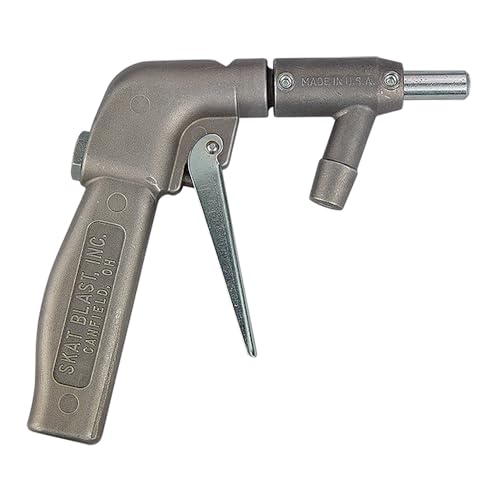
Skat Blast S-35-M Medium Trigger-Operated Power Gun, Made in USA

HDURCIR Aluminum Oxide 8 LBS 100 GRIT Blasting Abrasive Media
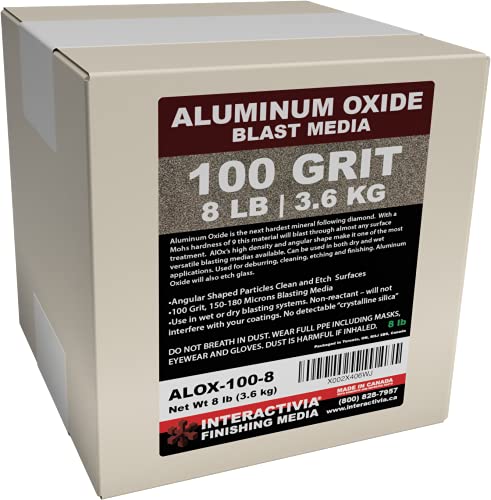
INTERACTIVIA #100 Aluminum Oxide 8 LBS Medium Blasting Abrasive Media

Aluminum Oxide 10 LBS #80 GRIT Sand Blasting Abrasive Media
Why These Options Stand Out
Fifty pounds of fine-grade garnet in one bag is the kind of supply that disappears faster than expected once a real rust project starts. The 100/120 grit lands in the sweet spot for stripping mill scale (the thin flaky layer left after hot rolling or forging steel) and prepping stainless, aluminum, and titanium for coating without driving the profile too deep. For most home shops, that means a single purchase covers a season of frame repairs, fence panels, and old tool restoration.
Compared to the glass bead media lower on this list, garnet cuts harder and faster. Where glass beads polish, garnet profiles, which is exactly what you want before primer or powder coat. The 250 to 125 micron range produces a surface profile of about 1.0 to 2.0 mil (a “mil” is one-thousandth of an inch, the standard measurement for paint-prep texture), which is widely considered the ideal tooth for most coatings.
Well-Handled Touches
- Almandine garnet is a natural mineral that produces noticeably less dust than slags, helping visibility and cleanup on long sessions.
- Coverage rates up to roughly 330 square feet per hour keep big projects moving without constant refills.
- The angular grain shape cuts through rust and old coatings on stainless, aluminum, and titanium with predictable results.
- Bulk 50-pound format suits small fabrication shops and serious hobbyists who burn through media weekly.
Things To Consider
- Single-use media, so the dust and spent garnet need a contained disposal plan in a typical garage.
- 50 pounds is a lot to store and to lift into a small hopper, which may be a hassle for casual hobby users.
Feature Snapshot
Who It Suits Best
Shops and serious restorers stripping stainless, aluminum, or heavy steel who can justify buying in bulk and want predictable profiles before coating.
Where Another Pick Suits Better
The Tribos glass bead media is the better fit for thinner sheet-metal panels and decorative pieces where deep profiling is overkill.
Glass bead media works in a different lane from the garnet abrasive above. The spherical particles peen (impact-blast) the surface rather than carve it, removing light rust while leaving a smooth, satin finish on stainless, aluminum, and glass. The 200 to 240 mesh range here is the finer end of the spectrum, best for finish work and delicate parts.
For most hobbyists, the appeal is twofold. The media is reusable, you sieve out the dust and recycle the working grit, which stretches an 8-pound bag across many small jobs. It is also non-silica, which sidesteps the respiratory concerns that come with traditional sand. The trade-off is that heavy, flaky rust on raw structural steel will take far longer to clear than with garnet or aluminum oxide.
Bright Spots
- Non-silica formulation reduces the health and dust load associated with traditional sandblasting media.
- Reusable through simple sieving, which makes the 8-pound size go further than single-use abrasives in many setups.
- Fine 200 to 240 mesh leaves a uniform satin finish that is ready for clear coat or light polishing.
- Gentle on softer metals like aluminum and brass where deep profiling is undesirable.
Trade Offs
- Slow going on heavy rust scale, so thick structural steel projects may need a coarser first pass with a different media.
- Spherical beads lose diameter over time, so periodic replacement is part of the workflow.
Whose Shelf It Belongs On
Restorers cleaning up vintage hardware, motorcycle parts, and thin sheet metal who care as much about the final finish as the rust removal.
Swap It Out When
The Blastline USA garnet media is the better match when stripping thick mill scale or prepping structural steel that needs a deeper profile for coating.
Aluminum oxide sits second only to diamond on the Mohs hardness scale (a 1-to-10 ranking of mineral scratch resistance, where diamond is 10), and that hardness shows up in how 120-grit aluminum oxide handles light surface rust on steel, stainless, and even glass. The angular particle shape cuts cleanly without the rounded peening action of the Tribos glass bead media, so you get a textured surface rather than a polished one.
For most users, this is the everyday rust-removal workhorse. It works in wet or dry setups, fits comfortably in small hoppers, and the 10-pound quantity is enough for a couple of medium restoration projects without going stale in storage. The fine 120 grit keeps the profile shallow, which matters on thinner panels where deeper abrasion might warp the metal.
Real Benefits
- Hard enough to cut rust, paint, and scale in fewer passes than softer mineral abrasives.
- Works in both wet and dry cabinets, which adds flexibility for shop setups with different preferences.
- Angular grains create a clean, consistent surface profile that coatings bond to reliably.
- Reusable through several cycles with proper sieving, stretching the 10-pound bag across multiple jobs.
Honest Caveats
- Harder media means faster wear on inexpensive nozzles, so a ceramic or boron carbide nozzle is a smart add-on.
- Single-use feel if you skip the sieving step, and dust load is higher than the Tribos glass bead option.
Quick Facts
Best Suited To
Home restorers and small-shop users cleaning up brackets, panels, and tools who want one media that handles both rust and old paint.
Look Elsewhere When
Switch to the Skat Blast S-35-M gun if the cabinet itself is the weak link and your existing gun cannot keep up with the abrasive feed rate.
The S-35-M is a gun, not a media, which makes it a different kind of pick on this list. Anyone running a Skat Blast cabinet knows the gun is the heart of the system, and the S-35 series is the brand’s higher-velocity trigger-operated design (siphon blasting draws media up from a reservoir below by air suction, rather than pressurizing the whole tank). For most cabinet owners, swapping an aging gun is a more meaningful upgrade than another bag of media.
The build is straightforward and Made in USA, with a focus on larger internal air passages that keep media moving when cheaper guns stall out. It is also a drop-in upgrade for older S-25 Skat Blast guns and other siphon-fed trigger cabinets. The catch is that this only matters if you already own or are buying a compatible cabinet, and you still need media like the aluminum oxide options above to actually strip rust.
Real-World Strengths
- Larger direct air passages help sustain media flow at higher pressure, which keeps production rates steady.
- Trigger-operated design gives finer on/off control than constantly pressurized siphon setups.
- Made in USA build quality aimed at long-term shop use, not disposable hobby-tier parts.
- Compatible with older S-25 guns and similar cabinets, making it a sensible retrofit for many shops.
Worth Noting
- Useless without a compatible cabinet and air supply, so it is a niche pick, not a starting point.
- Made for siphon blasting, not pressure systems, so confirm your cabinet type before ordering.
Who Will Love This
Existing Skat Blast cabinet owners with worn or underperforming guns who want to restore their original production speed.
Consider Something Else When
First-time cabinet shoppers should focus on a media pick like the Blastline USA garnet and a complete cabinet package before upgrading individual components.
100-grit aluminum oxide hits a useful middle ground between aggressive stripping and fine finishing. Compared to the finer 120-grit aluminum oxide above, this one cuts a touch faster on heavier rust while still keeping a profile shallow enough for most paint systems. The 8-pound pack is also a sensible size for first-time buyers testing out a new cabinet.
For most garage users, the format is the draw. Eight pounds fits on a shelf, pours cleanly into a small hopper, and matches the typical capacity of benchtop cabinets without constant refills. The media works wet or dry, which matters in shops that have already settled on one style of blasting and do not want to switch setups between projects.
A Favorable Mix
- Mid-range 100 grit handles both rust removal and light paint stripping without changing media.
- Compatible with wet and dry blasting setups for flexible shop configurations.
- 8-pound size is approachable for first-time cabinet owners without a long-term storage commitment.
- Hard enough to reuse through several cycles when properly screened.
Points To Keep In Mind
- Packaged in a plastic container that owners commonly report arrives with loose media, so plan for a sealed storage bucket.
- Eight pounds runs out fast on a full trailer frame, so larger jobs may need a backup supply.
Right Fit For
Beginners and weekend warriors tackling garden tools, brackets, and small panels who want one grit that does most jobs well.
Reach For A Different Pick When
The Aluminum Oxide #80 grit option is the better fit for heavy-scale stripping where a more aggressive cut saves hours per project.
Functionally similar to the HDURCIR media above, the INTERACTIVIA 100-grit aluminum oxide offers the same hard, angular cutting action in an 8-pound pack. The difference shows up in consistency of supply and how the product is described for cabinet and gun use. For most users, this is the kind of media that quietly disappears into a workshop routine without much fuss.
100 grit is genuinely the workhorse range for general rust and paint. It is coarse enough to clear pitted rust in a couple of passes, fine enough to leave a profile that primers can grip, and durable enough to reuse through several cycles if you take the time to sieve out the fines. The trade-off is the same as with any aluminum oxide: it eats nozzles faster than softer media, and a ceramic or boron carbide nozzle is worth budgeting for if you blast regularly.
Good Reasons To Consider
- Reliable 100-grit aluminum oxide that fits most cabinet and gun setups without modification.
- Harder than glass bead and softer than silicon carbide, hitting a practical middle of the hardness spectrum.
- Eight-pound pack size is a sensible starting point for a new cabinet user.
Small Caveats
- Hardness accelerates nozzle wear, so plan a replacement nozzle into your setup budget.
- Dust load is heavier than glass bead media, so ventilation and dust collection matter.
Made For
Repeatable shop use on steel parts where a 100-grit profile is the everyday target before primer or paint.
A Better Fit Elsewhere
Pick the Tribos glass bead media for softer metals and finishing work where aluminum oxide would profile too aggressively.
When the job is heavy rust, thick paint, or caked-on undercoating, 80-grit aluminum oxide is the right side of the spectrum. Compared to the 100-grit and 120-grit options above, the coarser particles clear material faster and handle pitted steel that finer grits would just polish around. The trade-off is a deeper surface profile, which can be too aggressive on thin sheet metal.
For most users, 80 grit is the heavy-rotation pick for restoring old trailers, farm equipment, and structural steel, where blasting speed matters more than finish smoothness. It still works in wet or dry setups and in the same cabinets as the finer aluminum oxide media, so swapping between grits is a one-bag change rather than a full reconfiguration of the shop.
Everyday Perks
- Coarse 80 grit clears heavy rust, thick paint, and stubborn coatings in fewer passes.
- Same aluminum oxide family as the 100 and 120 options, so cabinet and nozzle setups stay compatible.
- Wet or dry compatibility for shops that already run a preferred blasting style.
- Ten-pound pack is enough for a couple of full-size equipment projects before resupply.
Points To Note
- Aggressive profile can show through thin coatings and is overkill for fine finish work.
- Consumes nozzles faster than finer grits, and dust volume goes up noticeably on each pass.
Who Should Grab It
Owners restoring heavy equipment, trailers, and structural steel who want a coarse media that chews through rust fast.
Not Your Match When
Switch to the HDURCIR 100-grit media for thinner panels and bodywork where the deeper 80-grit profile would telegraph through the paint.
What Matters Most Before Choosing Sands For Sandblasting Rust
Match the Grit to the Rust and the Substrate
Grit size is the first decision, and it sets the pace of the whole project. Coarse 60 to 80 grit media tears through heavy scale and thick paint, but leaves a profile that shows through thin coatings. Fine 100 to 120 grit handles everyday surface rust on tools, brackets, and panels with a profile most primers will hide. Anything finer, like the 200 to 240 mesh glass bead, moves into finishing territory, where you are cleaning more than cutting. For most home users restoring mixed projects, a medium 100-grit aluminum oxide covers the widest range of rust scenarios.
Understand the Abrasive Material
Each mineral behaves differently. Garnet is hard, angular, and produces less dust, which is why it dominates in waterjet and prep shops. Aluminum oxide is even harder, more aggressive, and reuses well through sieving. Glass bead is round, gentle, and reusable but slow on heavy rust. Silicon carbide cuts fastest of all but is harsh on equipment. For most home shops, aluminum oxide at 80 to 120 grit is the practical sweet spot, with garnet for higher-volume work and glass bead for finishing.
Think About Cabinet Compatibility and Consumption Rate
Not every media works in every cabinet. Siphon-fed systems (which draw media up by air suction) can struggle with very fine or very coarse particles, while pressure systems handle a wider range but cost more. Consumption rate, usually expressed as pounds per square foot, affects how often you refill and how much media you keep on hand. Heavy users go through 50-pound bags fast, while weekend warriors can stretch an 8-pound bag across a season of small projects.
Consider Health, Dust, and Cleanup
Older silica sand is cheap but comes with serious respiratory risks, and it is increasingly restricted in many areas. Modern alternatives like garnet, aluminum oxide, and glass bead reduce dust load and remove the silica hazard. For most home shops, the cleanup story matters as much as the cutting speed. Media that reuses well saves money and keeps the dust down. Abrasives that shatter into fine dust are harder on the vacuum, the cabinet window, and the lungs.
Key Considerations Across These Picks
Where Shoppers Go Wrong
The most common mistake is buying the cheapest silica sand available, then discovering it is restricted in many regions and rough on lungs. Another trap is picking a grit that is too fine for the rust on hand, which turns a one-hour job into a full afternoon. For most home projects, medium 100-grit aluminum oxide covers more scenarios than a fine 220-mesh bead. A final slip-up is ignoring nozzle wear. Harder abrasives chew through cheap nozzles in a single project, so a ceramic or boron carbide nozzle is worth budgeting for alongside the media.
When Paying More Pays Off
Higher-tier picks earn their keep in three places. Faster coverage rates on large projects, longer media life through reusability, and cleaner dust profiles that protect both your lungs and your cabinet window. For most home users restoring a single trailer or tool set, a 10-pound bag of 100-grit aluminum oxide is the right entry point. For shops running multiple projects a month, jumping to garnet or a coarser aluminum oxide in 50-pound format saves time and reduces media swaps. The upgrade pays off when the job is volume, not novelty.
Frequently Asked Questions
What grit sandblast media works best for removing rust?
For most home rust removal on tools, brackets, and panels, 80 to 120 grit aluminum oxide is the practical range. Coarser 60 to 80 grit handles heavy scale, while 100 to 120 grit leaves a profile most primers can cover without telegraphing.
Can you reuse sandblasting media for rust removal?
It depends on the material. Aluminum oxide, garnet, and glass bead can all be reused through several cycles when you sieve out the dust and broken fines. Cheaper silica sand breaks down quickly and is usually a single-use media.
Is garnet or aluminum oxide better for sandblasting rust?
Garnet produces less dust and cuts cleanly on stainless and aluminum, while aluminum oxide is harder, reuses more cycles, and handles heavy steel rust. For most home users, aluminum oxide is the more flexible pick, while garnet wins in volume-driven shops.
What is the safest sandblasting media for rust?
Glass bead and garnet are both non-silica options that reduce respiratory risk compared to traditional silica sand. Aluminum oxide is also commonly used in well-ventilated setups. None of these remove the need for proper respiratory protection and a ventilated cabinet.
Can you sandblast rust off without a full cabinet setup?
You can, using a portable siphon or pressure blaster with proper containment, but expect significant dust and overspray. A sealed cabinet keeps the mess contained, protects surrounding surfaces, and makes the media last longer through reuse.




