


The wrong blade chews up a workpiece, burns out a motor, or sends dust everywhere at the worst moment. The right one disappears into the cut, leaving edges clean enough to skip the sander and finishes tight enough to make a second pass feel like cheating. This roundup covers seven saw blades built for very different jobs, from fine cross-cuts on veneered plywood to demolition work where nails hide inside the wood. You will see carbide-tipped circular blades, a diamond masonry blade, and a fleet of bi-metal reciprocating options for the kind of rough work that ruins ordinary teeth.
The Shortlist At A Glance

Tenryu SL-305100 12″ 100-Tooth Carbide Blade

ORIXTREME 12″ Diamond Concrete Saw Blade
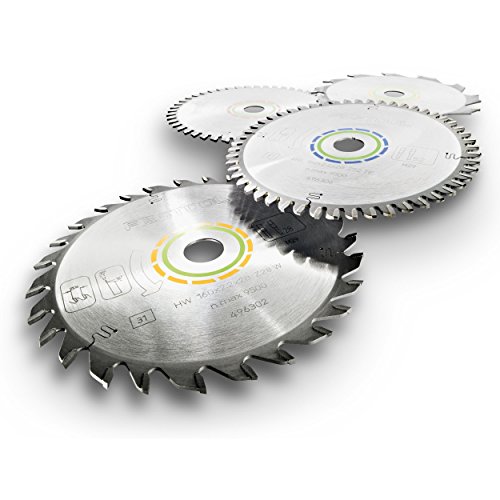
Festool 495377 48-Tooth Fine Cross-Cut Blade

ALEXEX 25-Pack 9″ 4/6 TPI Bi-Metal Blades

ALEXEX 25-Pack 12″ 4/6 TPI Bi-Metal Blades

ALEXEX 25-Pack 6″ 4/6 TPI Bi-Metal Blades
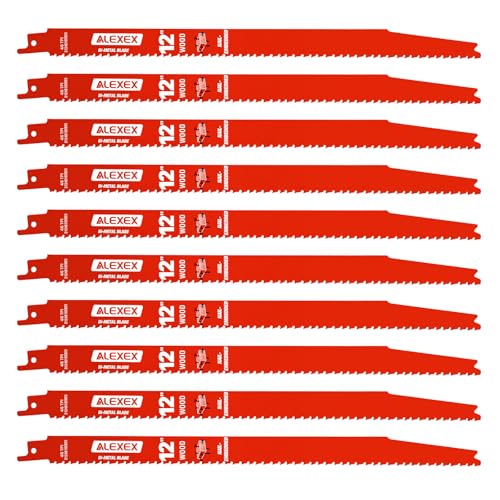
ALEXEX 10-Pack 12″ 4/6 TPI Bi-Metal Blades
Meet The Standout Selections
Sliding compound miter saws punish blades that flex and chatter, and the Tenryu Silencer SL-305100 is built specifically to quiet that down. The plate uses laser-cut expansion slots filled with a resin compound, a design meant to absorb vibration and hush the cut on long horizontal pulls. The 100-tooth ATAF grind (Alternate Top Alternate Face with a steeper bevel) leaves a near-finish edge on hardwoods and trim, and a PTFE coating on the plate helps pitch and resin slide off instead of baking on. For trim carpenters, cabinet installers, and anyone cutting dados or picture-frame miters all day, this blade tends to stay sharper across more cuts than a basic carbide job.
Inside the list, it sits in a different weight class from the Festool 495377 covered later. That one is a thin-kerf track-saw blade optimized for sheet goods, while the Tenryu is a full-kerf miter saw blade built for volume and polish. The trade-off shows up in motor load: a thin-kerf blade saves watts, and a full-kerf blade like this one rewards you with cleaner edges and longer life on hardwoods and dense trim. You will want a saw with real horsepower behind it.
A Few Strong Suits
- Resin-filled expansion slots reduce vibration and noise on sliding pulls.
- 100-tooth ATAF grind produces a clean, near-finish edge on hardwoods and trim.
- PTFE-coated plate helps reduce pitch build-up and lowers cutting resistance.
- Built for high-end sliding compound miter saws, where a rigid body pays off.
- Full 12-inch diameter handles wide stock and thick moldings in one pass.
Things To Consider
- Premium pricing puts it out of reach for casual or one-job shoppers.
- Full-kerf design demands a saw with enough amperage to drive it.
- Overkill for rough framing and general construction cutting.
Feature Snapshot
Right Fit For
Finish carpenters, trim installers, and serious woodworkers running a 12-inch sliding miter saw who want crisp edges without a sanding pass.
Skip It When
You mostly cut sheet goods on a track saw, in which case the Festool 495377 covered below will feel lighter and faster for that workflow.
Masonry blades live a hard life. The ORIXTREME general-purpose diamond blade leans into that reality with 10mm tall segments, which is meaningfully higher than the 7mm segments you find on bargain-bin masonry wheels, and the extra height gives the diamonds more working life before the segment is gone. Segment vents help clear dust and cool the rim during longer cuts, which is the difference between a blade that runs all afternoon and one that glazes over after a few passes. The 1-inch main arbor with a 20mm reducing bushing covers most handheld cutoff saws and lightweight walk-behind saws on job sites.
Compared to the wood-cutting blades earlier in this list, this one belongs to a different universe of tooling. The Tenryu SL-305100 and the Festool 495377 chase clean edges, while this diamond blade chases throughput on concrete, brick, block, and pavers. You will not get a polished finish out of the cut, but you will get a wheel that survives abrasive materials without falling apart.
Why It Works Well
- 10mm segment height extends blade life over standard 7mm masonry wheels.
- Segment vents keep the rim cooler for longer run times on tough material.
- Handles concrete, brick, block, and pavers without swapping tools.
- Includes a 20mm reducing bushing for common handheld saw arbors.
- Rated for high-speed handheld saws and lightweight walk-behind saws.
Worth Noting
- Dry-cutting only, so dust control matters on indoor jobs.
- Cuts run hot on dense aggregate, so steady water or rest periods help.
- Edge finish is rough compared with a wet tile or specialty diamond blade.
Made For
Landscapers, masons, and DIYers cutting pavers, brick, and block who need one wheel that handles the usual suspects on a property.
Consider Something Else When
You are cutting wood, plywood, or trim, in which case the Tenryu SL-305100 covered above will give you a far cleaner edge on those materials.
Track saws demand blades that cut clean, stay flat, and waste as little material as possible. The Festool 495377 fits that brief with a thin 2.2mm kerf (the width of material removed with each pass, thinner than a full kerf) that lets the TS 55 glide through veneered plywood, melamine, and sheet goods with less resistance and less tear-out. The 48-tooth ATB (Alternate Top Bevel) configuration gives you the kind of edge that often eliminates the need for edge banding prep, and the 20mm oversized arbor means the blade locks solidly to the saw for a noticeable drop in runout (wobble that shows up as wandering cuts). Laser-cut expansion slots manage heat and tension so the plate stays true over time.
In this list, the Festool is the clean-cut specialist, while the Tenryu SL-305100 is the heavy miter saw finisher. On a job site, that means a smart setup uses both: the Festool for breaking down sheet goods and the Tenryu for final trim and molding cuts. For shop owners running cabinet or furniture builds, this blade tends to age well as long as you respect its material list.
Strong Points
- Thin 2.2mm kerf reduces motor load and material waste on every cut.
- 48-tooth ATB grind leaves a clean edge on veneered plywood and melamine.
- Oversized 20mm arbor tightens blade-to-saw contact for less vibration.
- Designed specifically for the Festool TS 55 plunge saw, where fit matters.
Trade Offs
- Pricing lands at the high end of the circular blade market.
- Optimized for the TS 55, so it is not a general-purpose cross-cut blade.
- Thin kerf flexes more if forced through dense hardwoods at heavy feed rates.
Quick Facts
Who It Suits Best
Cabinet builders, furniture makers, and finish carpenters who already run a Festool TS 55 and want one blade that handles most of their sheet-good work.
Look Elsewhere When
You are cutting masonry or metal, where the ORIXTREME 12″ diamond blade or a bi-metal reciprocating pack will serve you far better.
Reciprocating saw blades take a beating that wood-only blades cannot survive. ALEXEX’s 9-inch 4/6 TPI (teeth per inch, where 4 teeth per inch means aggressive cutting and 6 TPI means a slightly finer cut) bi-metal pack uses 8% cobalt in the tooth matrix, which is a meaningful upgrade from the carbon-steel blades that ship with most saw kits. The alternating tooth pattern, where 4 TPI sections handle fast material removal and 6 TPI sections clean up the cut, lets one blade handle wood, nail-embedded wood, and PVC without constantly swapping tools. The non-stick coating keeps sap and pitch from loading up the gullets, which is the usual failure mode on a long demo day.
Inside this list, the 9-inch size is the daily-driver length. The 12-inch options below reach further for deep rough-in work, and the 6-inch pack handles tight spots. For most framers, remodelers, and property owners doing recurring demo, this 25-pack tends to outlast a comparable set of generic blades in real working conditions.
Advantages To Know
- 8% cobalt bi-metal construction resists wear on nail-embedded wood.
- Alternating 4/6 TPI balances fast cutting with a cleaner finish.
- Non-stick coating reduces pitch build-up during long cutting sessions.
- 25-pack lowers the per-blade cost for high-volume work sites.
Points To Note
- 9-inch length limits reach inside deep wall cavities.
- Bi-metal teeth are tougher to resharpen than carbon steel.
- Designed for wood and nail-embedded wood, not masonry or thick metal.
Whose Shelf It Belongs On
Remodelers, framers, and homeowners tackling demo work who want a dependable pack that handles surprise nails without snapping mid-cut.
Where Another Pick Suits Better
You need longer reach for deep rough-in cuts, in which case the ALEXEX 25-Pack 12″ blades covered below give you the extra length to keep cutting.
Long reciprocating saw blades are not about cutting speed. They are about reach, and a 12-inch blade gives you the extra three inches to cut through doubled-up top plates, deep window openings, and thick subfloor assemblies in a single stroke. The ALEXEX 12-inch pack uses the same 8% cobalt bi-metal recipe as the 9-inch version covered above, with the same 4/6 TPI alternating tooth pattern that keeps the cut moving on nail-embedded lumber. The non-stick coating still helps the blade shed sap and pitch when the day runs long.
The honest read is that 12-inch blades whip more than shorter ones, and that whip shows up as control loss in tight framing. For plumbers and electricians roughing in drain lines and conduit through stacked plates, the extra reach usually wins. For trim remodelers, the 9-inch pack earlier in the list will be easier to keep on line.
Positive Takeaways
- 12-inch length handles deep rough-in cuts in one pass.
- 8% cobalt blend extends tooth life on abrasive demo material.
- Alternating 4/6 TPI works for both wood and nail-embedded wood.
- Non-stick coating keeps the gullets clear during long cutting runs.
Honest Caveats
- Increased blade whip makes precise cuts harder than with shorter blades.
- Bulk pack of 25 suits frequent users more than occasional remodelers.
- Not suited for fine finish work or thin materials.
Feature Card
Best Suited To
Plumbers, electricians, and demolition crews who regularly cut through thick, nail-heavy assemblies and need a blade that reaches without snapping.
Not Your Match When
You mostly cut in tight spots or need controlled, precise cuts, in which case the ALEXEX 25-Pack 6″ blades covered below keep things nimble.
Short reciprocating blades earn their place in places a longer blade cannot follow. The ALEXEX 6-inch pack keeps the same 8% cobalt bi-metal recipe and 4/6 TPI alternating pattern as the longer versions, so you are not giving up tooth durability for the smaller size. What you do get is far less blade whip, which means a 6-inch blade actually tracks where you point it. For cutting out rotted subfloor patches, trimming door jambs, and slicing through tight plumbing penetrations, the short length pays off in control.
Stack this against the 12-inch pack earlier in the list. The 12-inch wins on reach through thick assemblies, and the 6-inch wins on control inside tight cavities. Most trade pros end up with both sizes on the truck because the use cases barely overlap.
Standout Benefits
- 6-inch length reduces blade whip for more controlled cuts.
- 8% cobalt blend matches the durability of the longer ALEXEX packs.
- Reaches into tight cavities and short openings that longer blades cannot.
- 25-pack supports job-site use without constant reordering.
Small Caveats
- 6-inch length cannot reach through deep wall or floor assemblies.
- Not a substitute for a fine-tooth finish blade on visible cuts.
Tech Sheet
Who Should Grab It
Remodelers and plumbers who routinely cut in tight cavities and need a controlled, short-reach blade for patch work and trim-outs.
A Better Fit Elsewhere
You cut through thick walls and need long reach, in which case the ALEXEX 25-Pack 12″ covered above is the better match for deep rough-in work.
Not everyone burns through 25 blades a month. ALEXEX also offers this 12-inch 4/6 TPI bi-metal pack in a 10-count, which keeps the same 8% cobalt tooth blend and non-stick coating as the larger pack covered above. For occasional remodelers, property maintenance teams, and homeowners who occasionally tackle demo without running a constant flow of work, the 10-pack avoids the storage bulk of a 25-pack while keeping a fresh blade within reach when a project does come up.
Compared to the 25-pack 12-inch version earlier in the list, this is the same blade in a smaller box. If a property owner only needs a few deep-reach blades for the year, the 10-pack tends to be a more honest fit than a 25-pack that will sit in a drawer and age out before getting used.
Benefits That Matter
- 10-pack size suits occasional use without overbuying.
- 12-inch reach covers deep rough-in cuts in residential work.
- 8% cobalt bi-metal construction supports nail-embedded wood cutting.
- Non-stick coating reduces build-up during intermittent use.
Where It Is Less Suited
- Smaller pack raises the per-blade cost compared to the 25-count.
- Long blade length still whips in tight framing situations.
- Not optimized for fine finish cuts on visible trim.
Product Snapshot
Built With In Mind
Homeowners, property maintenance staff, and part-time remodelers who need a few long-reach blades on hand without committing to a 25-pack.
Reach For A Different Pick When
You are a working contractor who burns through blades weekly, where the ALEXEX 25-Pack 9″ covered above delivers better per-blade value.
Choosing The Right Saw Blade For The Job Ahead
Match The Blade Geometry To The Cut Type
A blade’s tooth count and grind shape the finish more than any other spec. High tooth counts (60 and up) give you a cleaner edge and slower feed, which suits trim and finish cuts on hardwoods and sheet goods. Low tooth counts rip through material fast but leave a rougher edge, so they make sense for framing and rough demo. The grind pattern, ATB for cross-cuts, FTG (flat top grind) for ripping, TCG (triple chip grind) for laminates and non-ferrous metals, drives how each tooth engages the workpiece. Picking the wrong grind is the fastest way to burn a workpiece or a motor.
Material Dictates Blade Construction
Carbide-tipped blades like the Tenryu SL-305100 and Festool 495377 stay sharp through hundreds of cuts in wood and plywood, which is why they dominate finish work. Diamond segments, like those on the ORIXTREME wheel, are the only realistic option for masonry, concrete, and stone. Bi-metal reciprocating blades balance toughness and flexibility, which is why cobalt-blended packs from ALEXEX keep showing up in demo bags. Wood-only carbon steel reciprocating blades still exist, but they snap quickly when they meet a hidden nail.
Size And Reach Fit The Saw And The Workpiece
A 12-inch miter saw blade handles wide crown molding and thick stock in a single pass, while a thin-kerf track saw blade saves motor load on sheet goods. Reciprocating saw blades run the same logic in reverse: a 12-inch blade reaches through deep wall assemblies, and a 6-inch blade tracks more accurately in tight cavities. Buying the wrong length means either losing reach or fighting blade whip, so size the blade to the actual cuts you make rather than the largest possible job.
Coatings And Body Treatments Extend Working Life
PTFE and non-stick coatings help blades shed pitch, sap, and resin, which is the most common cause of overheating and tooth dulling. Laser-cut expansion slots manage heat and tension so the plate stays flat through long cuts. Resin-filled vibration slots on blades like the Tenryu SL-305100 also lower noise on sliding pulls. These features cost more up front, but they tend to extend working life enough to matter for anyone who cuts daily.
Key Considerations Across These Picks
Pitfalls Shoppers Hit
A common move is grabbing a general-purpose carbide blade and expecting it to behave like a finish blade. The result is tear-out on veneered plywood, burn marks on melamine, and a rough edge that needs sanding. The honest fix is matching tooth count to the cut: pick a high-tooth-count blade like the Festool 495377 for sheet goods and a lower-tooth-count blade for framing. Another frequent misstep is buying a wood-only reciprocating blade for demo work, where hidden nails snap teeth within minutes. Bi-metal cobalt blades like the ALEXEX packs cost more per blade, but they survive the demo environment long enough to actually save money.
When Paying More Pays Off
Higher-tier saw blades cost more because of plate treatments, tooth geometry, and material quality that show up as longer life and cleaner cuts. A blade like the Tenryu SL-305100 makes sense if you are running a sliding miter saw daily and the cost of a single ruined workpiece exceeds the price difference between it and a budget blade. The same logic applies to the Festool 495377 for anyone breaking down sheet goods for cabinetry, where a clean edge eliminates a separate edge-prep step. For occasional weekend cuts, the upgrade rarely pays back. For daily use, the upgrade usually pays back within a few projects.
Frequently Asked Questions
How Do I Know Which Saw Blade Size I Need?
Check the arbor size and maximum blade diameter listed for your saw before buying. Most 12-inch miter saws use a 1-inch arbor, while track saws and smaller circular saws use 20mm or 5/8-inch arbors. Choosing a blade with the wrong arbor means it simply will not mount, and choosing one with the wrong diameter means it will not fit under the saw’s guard.
Can One Saw Blade Handle Multiple Materials?
Multi-material blades exist, but they tend to be compromises. Carbide-tipped wood blades will chatter and wear quickly on masonry, and diamond masonry wheels cannot cut wood at all. Reciprocating saw blades cover more ground because bi-metal designs handle wood, plastic, and light metal, but a dedicated blade for each material will always outlast a generalist.
How Often Should I Replace A Saw Blade?
Replace a blade when the cuts start requiring more force, the edge roughs up visibly, or you notice burn marks on the workpiece. A finish blade used daily on clean plywood might last several months, while a demolition blade can be destroyed in a single rough job. Cleaning pitch and resin off a blade after use extends its working life noticeably.
What Does Tooth Count Really Change?
Higher tooth counts produce cleaner, slower cuts, which is what you want for finish work and sheet goods. Lower tooth counts rip through material faster with a rougher edge, which is appropriate for framing and rough demo. A 100-tooth finish blade on a 2×4 is wasted, and a 24-tooth framing blade on veneered plywood ruins the face.
Are Coated Saw Blades Worth The Extra Cost?
Coatings like PTFE and non-stick finishes help blades shed pitch and resin, which is the most common cause of overheating and premature dulling. For anyone who cuts frequently, the coating pays for itself in longer blade life and cleaner cuts. For occasional use, the upgrade is less impactful but rarely harmful.




