Crown molding has a way of turning a simple room refresh into a geometry puzzle. Most DIYers hit the same wall: a miter box works for square ends, but inside corners, scarf joints, and sprung profiles punish the wrong blade. Picking the right saw for molding means matching tooth geometry, blade flexibility, and stroke type to the profile you’re shaping, not just grabbing whatever sits in the toolbox. Trim carpenters, weekend remodelers, and hobby builders all need different things from the same tool, so the list below pulls from drywall saws, fine Japanese pullsaws, full-size circulars, and precision mini table saws to cover every common molding scenario.
A Closer Look At The Lineup

SUIZAN Ryoba Double Edge Saw 9.5″ Japanese Pullsaw

Klein Tools 31737 Folding Jab Saw with Lockback
DEWALT DWE575SB 7-1/4″ Circular Saw
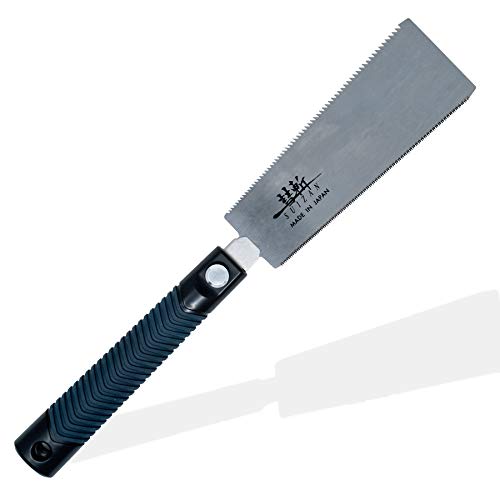
SUIZAN Ryoba Double Edge Saw 7″ Japanese Pullsaw
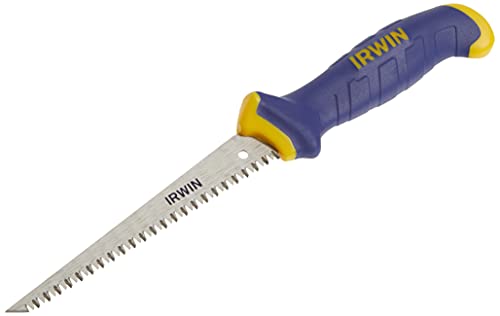
IRWIN ProTouch Drywall/Jab Saw 2014100

Goldblatt Folding Drywall Saw 5-Inch Jab Saw

Zericuf Super Mini Table Saw for Crafts 7 Speeds

Zericuf Mini Table Saw Dual 795 Motors 200W

Zericuf Mini Table Saw 200W 12,000RPM Dual Motor
Inside Each Recommended Option
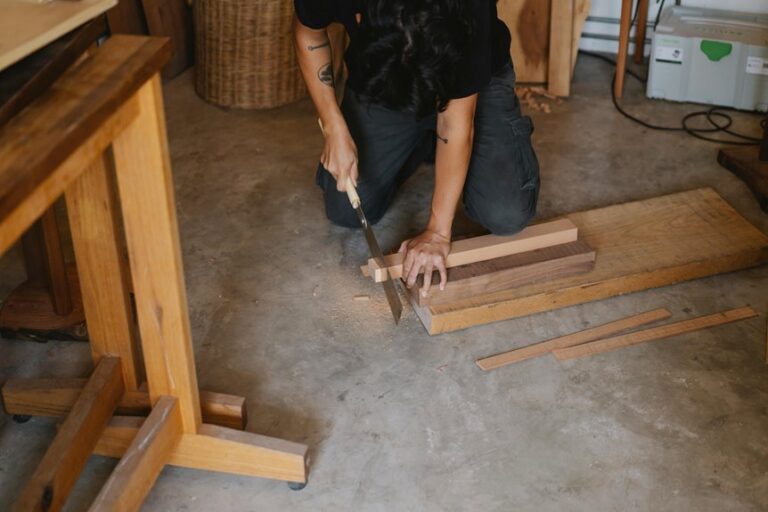
The 9.5-inch SUIZAN Ryoba flips the usual saw dynamic on its head. Instead of pushing the blade through the wood, the teeth slice on the pull stroke, which means the thin blade stays under control and the cut stays on your scribe line. That dual-edge layout gives you a fine crosscut side and a coarser rip-cut side on the same blade, so a single tool handles both directions of grain when you are fitting molding around a window or scribing a baseboard to a wavy wall.
For trim carpenters and serious woodworkers, the 240mm blade length is long enough to reach through 8/4 stock and tall base profiles without forcing a re-grip. The replaceable blade geometry also means the saw grows with you rather than ending up in a drawer after a few projects. The honest read is that the learning curve is real: a pullsaw rewards a light touch, and beginners sometimes fight it before they trust it.
Practical Advantages
- Pull stroke leaves a cleaner edge on finished trim than most push saws
- Dual-edge design handles both crosscuts and rip cuts without swapping tools
- Lightweight build reduces forearm fatigue during long crown runs
- 9.5-inch reach handles tall baseboard and casing profiles in one pass
- Replaceable blade extends the working life of the handle investment
Things To Consider
- Pull-stroke technique takes practice if you are coming from Western saws
- Not designed for heavy framing lumber or demolition cuts
Feature Snapshot
Who It Suits Best
Trim carpenters, furniture makers, and detail-obsessed DIYers who want spotless cuts on hardwood molding and don’t mind slowing down to learn a different stroke.
Consider Something Else When
Reach for the IRWIN ProTouch Drywall/Jab Saw instead when you are opening up wall cavities or roughing in electrical boxes rather than finishing a profile.
The Klein Tools 31737 solves a problem most jab saws ignore: storage. The blade folds into a comfort-grip handle, so the teeth stop chewing through tool bags and the saw stops snagging on the way up a ladder. A lockback holds the blade at a flat 180 degrees for full strokes and at 125 degrees for awkward cuts inside boxes or tight ceiling corners.
Trades people who already wear a Klein setup will appreciate the tethered lanyard hole for working at height. The carbon steel blade feels as solid as a fixed jab saw once locked, and the folding action adds almost no flex during the cut. Most owners find the lockback a touch stiff out of the box until it wears in, which is worth knowing before you judge the saw on day one.
The Case For It
- Folding design protects the teeth and your tool bag during transport
- Lockback at 180 and 125 degrees adapts to standard and tight cuts
- Tether hole supports safety harness work on ladders and lifts
- Comfort-grip handle reduces hand fatigue on repetitive plunge cuts
Worth Noting
- Lockback stiffness usually requires a short break-in period
- Blade is shorter than full-size jab saws, so deep cuts take more strokes
Right Fit For
Electricians, plumbers, and remodelers who need a folding jab saw that meets jobsite safety rules and tucks away cleanly at the end of the day.
A Better Fit Elsewhere
Pick the DEWALT DWE575SB 7-1/4″ Circular Saw instead when you are running long, straight cuts across wide trim boards rather than punching openings.
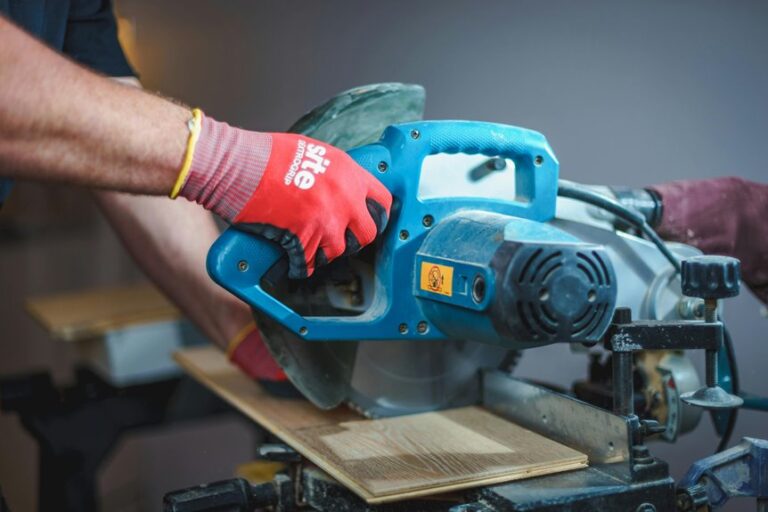
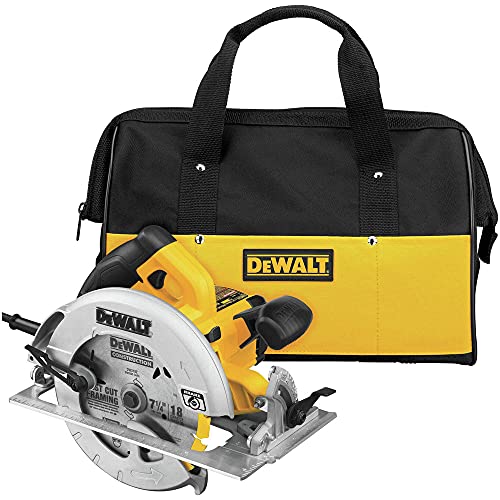
The DWE575SB is the circular saw most trim carpenters reach for when the molding job turns into a lumber job. The 15-amp motor chews through stacked baseboard, and at roughly 8.8 pounds it stays manageable overhead during ceiling work. The 57-degree bevel gives you enough range to handle most compound miter scenarios without a second tool.
For whole-room crown installations or replacing rotted casing on a whole house, a corded circular saw paired with a straight edge is faster than any handsaw. The electric brake stops the blade quickly when you release the trigger, which matters when you are working close to a finished wall. Be aware that the cord can drag across fresh cuts, so plan your outlet layout before you start ripping.
A Favorable Mix
- Lightweight 8.8 lb design reduces arm strain on overhead cuts
- 57-degree bevel covers most compound trim angles
- 15-amp motor handles dense hardwoods and thick stock
- Electric brake improves safety near finished surfaces
Trade Offs
- Corded design limits mobility and needs outlet planning
- Coarse framing-style teeth can splinter delicate trim profiles if rushed
- Requires a steady straight edge guide for clean, splinter-free trim work
Made For
Remodelers and trim installers running long, repetitive cuts across full rooms who want corded reliability over battery convenience.
Skip It When
The SUIZAN Ryoba Double Edge Saw 9.5″ Japanese Pullsaw is a better match when fine finish cuts and tear-out-free profiles matter more than raw speed.
The 7-inch SUIZAN Ryoba is the same dual-edge pullsaw idea as the 9.5-inch version, just trimmed down for smaller hands and tighter work. In a molding context, that shorter reach becomes an advantage when you are working inside a window stool, scribing a return, or cutting a small piece of cove without a miter box in sight.
For hobbyist woodworkers and detail-focused trim carpenters, the compact size is easier to control for short, precise cuts. The same Japanese steel and replaceable blade concept apply, so the saw scales down without feeling like a toy. You do give up some reach, so long runs across wide baseboard feel slower than with its bigger sibling.
Where It Helps
- Compact 7-inch size fits into tight window and door reveals
- Pull stroke gives clean edges on small profile cuts
- Replaceable blade keeps the handle useful for years
- Lightweight build suits extended detail sessions
Points To Keep In Mind
- Shorter blade means more strokes for wide stock
- Not the right tool for heavy trim or framing lumber
Best Suited To
Hobbyist woodworkers and trim carpenters handling detail cuts, return scribing, and small profile work where control beats reach.
Look Elsewhere When
Switch to the DEWALT DWE575SB 7-1/4″ Circular Saw for full-room baseboard runs where straight-edge speed matters more than finish quality.
The IRWIN 2014100 is the classic jab saw that shows up on almost every framer’s hip. A thick-body blade gives the cut real rigidity, and tri-ground teeth bite fast through drywall, plywood, and ceiling tile. The ProTouch rubberized grip absorbs just enough shock to keep your hand comfortable during a long rough-in day.
When you are cutting out HVAC openings, plumbing penetrations, or electrical boxes before the trim goes up, this saw earns its place. The aggressive teeth cut on the push stroke, which feels familiar to most Western-trained users. The trade-off shows up if you try to use it for fine trim: the teeth are designed for speed, not for leaving a paint-ready edge on crown molding.
Strong Points
- Thick-body blade resists flex for controlled plunge cuts
- Tri-ground teeth drive through drywall and plywood quickly
- ProTouch grip reduces slippage during repetitive cuts
Honest Caveats
- Aggressive teeth leave rough edges on finished trim profiles
- Fixed blade design means it always takes up pouch space
- Not suited for fine finish or visible molding work
Who Will Love This
Framers, electricians, and remodelers doing rough-in cuts in drywall and paneling where speed and rigidity matter more than finish quality.
Reach For A Different Pick When
The SUIZAN Ryoba Double Edge Saw 9.5″ Japanese Pullsaw handles finish-grade cuts on visible trim where a clean edge matters more than plunge speed.
The Goldblatt folding jab saw is built for tool belts and small pouches. The 5.2-inch bi-metal blade folds into a 6.75-inch handle, so the whole saw fits where a fixed jab saw simply cannot. Triple-ground teeth cut in both directions, and the 8 TPI (teeth per inch) tooth count balances speed with enough control for clean drywall openings.
For solo remodelers and apartment dwellers, the compact footprint is the headline feature. You can carry it on a belt without the teeth catching on every ladder rung. The bi-metal blade also handles PVC and plywood, which makes it handy for trim backers and small plumbing repairs. You give up some blade depth, so thicker walls and ceilings mean more work per opening.
Features That Help
- Folding design fits in a small pouch or tool belt
- Triple-ground teeth cut in both push and pull directions
- Bi-metal blade handles drywall, plywood, and PVC
- Reinforced blade-to-handle connection improves safety under load
Some Limits To Know
- Short blade requires more strokes for thick walls
- 8 TPI tooth count favors speed over finish edges
Perfect Match For
Solo DIYers, apartment remodelers, and service techs who need a compact jab saw that disappears into a small tool kit when not in use.
Not Your Match When
The DEWALT DWE575SB 7-1/4″ Circular Saw makes more sense for cutting long trim boards where a folding jab saw simply cannot keep up.
The Zericuf Super Mini Table Saw is a different kind of molding tool: a benchtop precision saw aimed at craft-scale cuts. The 7-speed motor, dual-switch safety system, and included accessory kit let you cut, engrave, polish, and drill thin trim pieces for model making and miniature molding profiles. For someone building dollhouse cornices or jewelry-box trim, that flexibility is the whole point.
It is not a tool for trimming a room. The small footprint and modest power suit hobby work, not framing or rough carpentry. You can expect clean results on balsa, basswood, and thin hardwood strips, but pushing the saw past its scale usually means disappointing cuts.
Standout Benefits
- 7-speed control matches speed to material and task
- Dual-switch design prevents accidental simultaneous functions
- 122-piece accessory kit covers cutting, polishing, and drilling
Worth Bearing In Mind
- Compact size limits it to hobby and craft-scale molding work
- Not designed to replace full-size saws for room-scale trim installation
Quick Facts
Who Should Grab It
Model makers, miniature builders, and hobbyists shaping small-scale trim and decorative profiles with a bench footprint they can fit on a shelf.
Another Choice May Suit
The Klein Tools 31737 Folding Jab Saw with Lockback fits better for opening walls during a remodel than a hobby benchtop saw.
The dual 795-motor version of the Zericuf mini table saw pushes the craft-scale idea a little further. The 24-tooth transmission system transfers motor power more efficiently than a direct-drive setup, and the 26mm adjustable table height lets you set the blade depth for fine scoring cuts on small trim pieces. For crafters building picture frames, jewelry boxes, or detailed architectural miniatures, the extra control is meaningful.
The 12,000 RPM top speed handles thin hardwoods cleanly when paired with the right blade. The accessory kit covers a wide range of small-scale work, so most hobbyists won’t need to shop for extras. As with the other mini saws in this list, scaling it up to full-size trim is where the design meets its limits.
What Stands Out
- 24-tooth transmission improves power transfer to the blade
- 26mm adjustable height supports precise scoring and depth cuts
- Dual 795 motors deliver smoother operation under load
- Wide accessory kit covers most craft and hobby tasks
Potential Drawbacks
- Compact design restricts it to hobby and craft-scale projects
- Learning curve for setting up depth and feed rate on small stock
Built With In Mind
Detail-oriented hobbyists making miniature molding, frames, and small decorative trim where adjustable depth and smooth operation matter.
Swap It Out When
The SUIZAN Ryoba Double Edge Saw 7″ Japanese Pullsaw is the right tool when working with full-size trim profiles by hand without a benchtop setup.
The third Zericuf entry in the lineup rounds out the craft-scale options. Same 200W maximum output, same 12,000 RPM top speed, and the same dual-switch safety system that keeps cutting and polishing motors from activating at the same time. The 26mm adjustable height gives small-project builders the same depth control as the previous model, and the broad accessory kit supports a wider range of handmade gift and DIY craft work.
For gifting purposes, the multi-function kit makes this a friendly pick for a hobbyist who wants to try several disciplines without buying separate tools. The honest read is that all three Zericuf entries overlap heavily, so your choice comes down to which color and accessory mix speaks to you. None of them will replace a real workshop saw for whole-room trim jobs.
What Works In Its Favor
- Dual-switch safety design separates cutting and polishing functions
- 12,000 RPM top speed handles thin hardwoods cleanly
- 26mm adjustable height supports depth-controlled cuts
- Broad accessory kit suits a range of DIY and gift projects
Practical Considerations
- Designed for craft and hobby use, not full-size trim installation
- Closely overlaps in capability with the other Zericuf mini saws
Whose Shelf It Belongs On
Gift-givers and casual hobbyists who want a versatile bench tool for small craft projects and handmade gifts rather than room-scale trim work.
Where A Sibling Pick Shines
For pure hobby precision, the Zericuf Mini Table Saw Dual 795 Motors 200W offers a similar feature set in a slightly different package.
Choosing The Right Saw For Your Molding Project
Match The Saw To The Cut, Not The Other Way Around
The first decision is the simplest one most shoppers skip: what kind of cut are you actually making? Miter box work, coping inside corners, rough opening cuts, and full-length baseboard runs each want a different tool. A Japanese pullsaw shines on fine profile cuts, while a corded circular saw wins on speed across long boards. Picking a saw that fights your cut is the fastest way to waste a Saturday on tear-out and recuts.
Understand Tooth Geometry And Stroke Direction
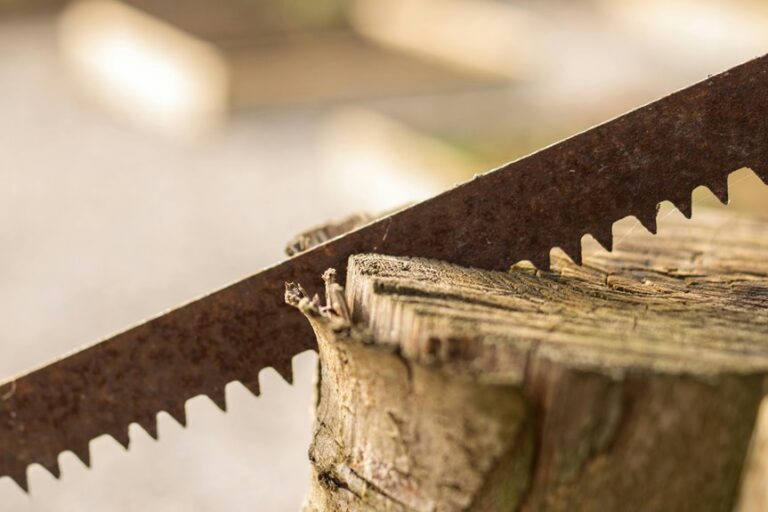
TPI (teeth per inch) and stroke direction do most of the work in a molding cut. Higher TPI blades leave smoother edges but cut slower, while lower TPI blades move quickly at the cost of finish quality. Pull saws (Japanese style) cut on the draw stroke, which keeps the thin blade from bending off your line. Push saws (Western style) feel more familiar but flex more on fine cuts. Define your priorities: speed, finish, or a balance of both.
Plan For Power, Weight, And Storage
A 15-amp corded circular saw handles heavy stock but demands an outlet and a straight edge. Cordless tools trade runtime for mobility, and folding jab saws trade depth for portability. Consider how far you carry the tool, how often you set it down, and whether the saw needs to fit in a small pouch or a full tool chest. Molding work often happens on ladders and in awkward positions, so weight and balance matter as much as raw cutting ability.
Match The Tool To Your Skill Level
Beginners usually get more value from a forgiving tool than a precision tool. A corded circular saw with a good guide rail setup is hard to ruin, while a Japanese pullsaw rewards technique that takes time to develop. Hobbyists building miniature trim need a benchtop tool with adjustable depth, not a framing saw. Match the saw to your current skill, then upgrade as your comfort grows.
Key Considerations Across These Picks
Where Shoppers Go Wrong
The most common trap in this category is choosing a saw by motor size alone. A 200W mini table saw sounds underpowered until you remember you are cutting thin craft trim, not 2×4 framing. The opposite mistake happens with framing-grade circular saws, which chew through delicate profiles and leave tear-out that costs more to fix than a better-matched tool would have cost in the first place. Match the saw to the workpiece, not to the spec sheet.
When Paying More Pays Off
Higher-tier molding saws earn their keep through tooth quality, blade tracking, and replaceable parts. A premium Japanese pullsaw gives you a thinner kerf (the width of material removed by the blade), better edge retention, and replacement blades that extend the tool’s working life. Corded circular saws at the top of their class add electric brakes, better dust handling, and longer warranty support. The upgrade is worth it when you use the tool often enough to feel the difference, not just once a year for a single project.
Frequently Asked Questions
What is the best saw type for cutting crown molding?
A fine-tooth handsaw or Japanese pullsaw gives the cleanest cuts on visible crown molding because the thin blade tracks your line without flexing. For long runs across multiple rooms, a corded circular saw with a fine-finish blade and a straight edge is faster.
Can a jab saw be used for molding cuts?
A jab saw works for rough opening cuts in drywall before the trim goes up, but the aggressive teeth leave rough edges on finished molding profiles. Use a pullsaw or fine-finish circular saw blade for visible trim work instead.
What TPI is best for trim and molding?
A TPI between 10 and 20 gives the best balance of speed and finish on most trim. Lower TPI cuts faster but leaves rougher edges, while higher TPI gives cleaner results at the cost of speed.
Are mini table saws good for molding?
Mini table saws work well for small-scale and craft molding, such as dollhouse trim, picture frame profiles, and jewelry box edges. They are not designed for full-size baseboard or crown installation.
How do I avoid splintering when cutting molding?
Support the workpiece on both sides of the cut, use a fine-tooth blade, score the cut line with a utility knife before sawing, and cut with the finished face up on a circular saw or finished face down on a pullsaw.