Cutting rock isn’t like slicing lumber or trimming drywall. You need a tool that can handle abrasive mineral content, repeated friction, and the kind of stress that chews through ordinary steel. The right saw depends on whether you’re trimming a small slab for jewelry work, slicing agate for display pieces, or shaping stone for a landscaping project. Some shoppers need a compact trim saw for a hobby bench, while others want a full-size circular saw for cutting stone tile or masonry on a job site.
This roundup covers nine different options across a wide range of use cases, from folding jab saws that handle light rock-bearing materials to dedicated lapidary saws built specifically for rock and mineral work. You’ll see hand tools, cordless circular saws, and wet-cutting specialty saws side by side, with honest notes on what each one does well and where it falls short. By the end, you should have a clear sense of which saw matches the kind of rock cutting you actually do.
Your Options, Compared


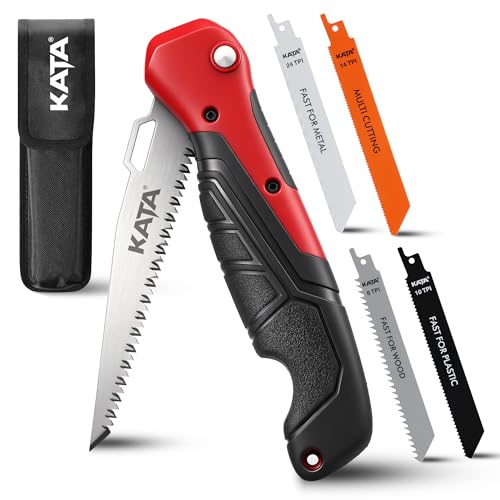
KATA 5-in-1 Folding Hand Saw
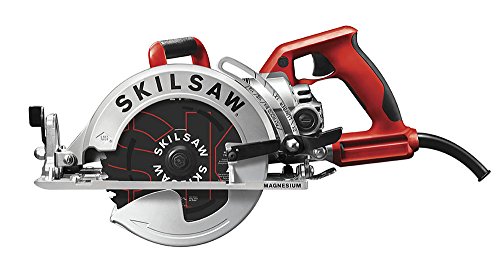
SKILSAW SPT77WML-01 Worm Drive Saw
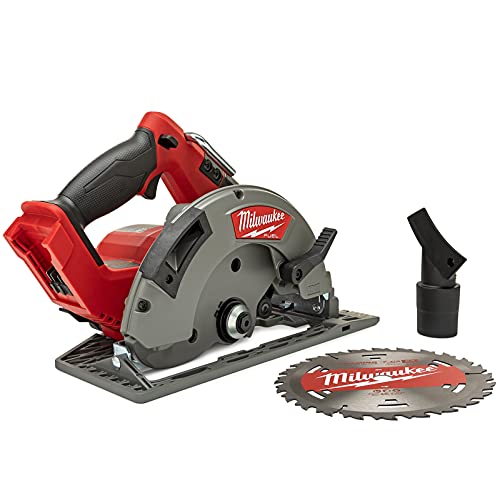
Milwaukee 2732-20 M18 FUEL Circular Saw

Hi-Tech Diamond 6″ Lapidary Trim Saw

Makita XDS01Z 18V Cordless Cut-Out Saw

Hi-Tech Diamond 10″ Lapidary Slab Saw

Hi-Tech Diamond 6″ Portable Trim Saw
The Strengths Of Each Pick
The KATA Folding Drywall Jab Saw is built around a 65Mn steel blade with 7 TPI (teeth per inch) triple-tooth geometry, which is a specification that describes how many cutting teeth sit along each inch of blade. The pointed tip helps you plunge directly into thin materials without drilling a starter hole, and the folding design means the blade tucks safely into the handle when you’re done.
This is really a tool for light repair work rather than heavy stone cutting. You won’t be slicing granite or quartzite with it, but for shaping thin backer board, trimming soft stone tile, or scoring cement board during a backsplash install, it handles itself well. The soft-grip handle keeps things comfortable during repetitive cuts, and the folding frame makes it easy to toss into a kitchen drawer or tool apron.
Well-Handled Touches
- Pointed tip design lets you start cuts in sheet goods without pre-drilling.
- Folding frame reduces exposed blade when stored in a crowded tool bag.
- 65Mn steel construction holds up to repeated flex without snapping.
- Soft-grip handle reduces hand fatigue during longer scoring sessions.
Trade Offs
- Aggressive 7 TPI tooth spacing is too coarse for clean finish cuts in stone veneer.
- Folding hinge adds a small maintenance concern over years of heavy use.
- Blade length limits the reach for cutting large-format stone panels in one pass.
Who It Suits Best
DIYers handling weekend repair projects or homeowners doing occasional tile and backer board work will find this a handy, low-fuss tool to keep in a drawer.
Where Another Pick Suits Better
For actual rock and mineral trimming on a hobby bench, the Hi-Tech Diamond 6″ Lapidary Trim Saw for Rocks & Minerals serves a very different purpose and is the better match for that specific job.
The KATA 6 Inch Drywall Saw features an 8 TPI SK5 steel blade with a triple-ground tooth pattern, giving you a sharp point and aggressive bite. SK5 is a high-carbon tool steel known for holding an edge well under stress, which matters when you’re cutting through tough, fibrous material or carving dense pumpkins in October.
Compared to the folding KATA above, this one is a fixed-blade design that prioritizes cutting control over compact storage. It’s marketed toward pumpkin carving and DIY tasks, but the same geometry that makes it cut through thick pumpkin rinds translates reasonably well to scoring soft stone, trimming slate coasters, or shaping small craft pieces from mineral-based materials.
Everyday Advantages
- SK5 steel blade holds sharpness through multiple heavy cutting sessions.
- Pointed tip starts cuts cleanly in sheet material and dense rinds alike.
- Triple-ground teeth reduce the effort needed to push through tough material.
- Compact 6-inch size gives better control for detail and curve work.
Worth Noting
- Fixed blade design means the saw needs a sheath or dedicated drawer space.
- Tooth pattern is on the aggressive side for fine finish work in tile or stone.
Right Fit For
Seasonal carvers and crafters who want a reliable hand saw for soft materials, light tile scoring, and DIY projects around the house.
Skip It When
You’re working with dense rock like quartz or agate on a regular basis; the Hi-Tech Diamond 10″ Lapidary Slab Saw handles that workload with a proper diamond blade and water cooling.
The KATA 5-in-1 Folding Hand Saw comes with an installed 8 TPI aggressive blade and four interchangeable replacements: 6 TPI for fast wood cuts, 10 TPI for plastic, 14 TPI multi-cutting, and 24 TPI for light metal. The whole kit rolls into a canvas bag that fits in a truck seat or garage shelf.
For anyone bouncing between different materials on a property, this kind of versatility matters. You can swap from a coarse wood blade to a finer 14 TPI option without hunting for a second tool. While the included 24 TPI blade can handle thin metal stock, it isn’t a substitute for a real lapidary saw when it comes to cutting actual rock. Think of this as a flexible hand tool for mixed-material projects that occasionally involve stone-adjacent work like trimming backer board or cutting stone-look composite panels.
A Few Strong Suits
- Four blade options cover wood, plastic, and light metal in one kit.
- Canvas bag keeps every blade organized and easy to transport.
- Folding frame protects the teeth during storage in a tool drawer.
- Quick blade swap saves time when changing between material types mid-project.
Room For Improvement
- None of the included blades are designed for actual mineral or stone cutting.
- Canvas bag offers limited protection if you toss it into a rougher toolbox.
Quick Facts
Who Should Grab It
Property owners and hobby renovators who handle mixed-material projects and want one folding saw that adapts to different tasks without buying multiple tools.
Reach For A Different Pick When
Your focus is purely on cutting rock and mineral specimens, where the Hi-Tech Diamond 6″ Portable Trim Saw delivers a purpose-built diamond blade and water cooling system instead.
The SKILSAW SPT77WML-01 is a 15-amp worm drive circular saw, meaning the motor drives the blade through a gear set that runs at a right angle to the motor shaft, which produces higher torque at lower blade speeds. That extra torque matters when you’re pushing a diamond blade through stacked stone, concrete pavers, or masonry tile. The magnesium housing keeps the weight down while dissipating heat, and the 7-1/4-inch blade capacity is the standard size for most masonry and stone-cutting blades you’ll find at a tool retailer.
Where the lighter jab saws in this list are built for precision hand cuts, the SKILSAW is a workhorse for larger stone-cutting jobs like slicing patio pavers, trimming stone veneer, or cutting through cast stone trim. It pairs well with a continuous-rim diamond blade for cleaner cuts in tile and stone, though you’ll want a wet-cutting setup for dust control on longer jobs.
What Helps Most
- Worm drive gearing delivers high torque for pushing through dense stone.
- Magnesium housing keeps weight manageable during overhead cuts.
- Standard 7-1/4-inch arbor fits a wide range of masonry blades.
- 15-amp motor handles extended cutting sessions without bogging down.
Honest Caveats
- Corded design limits mobility compared to the Milwaukee battery model below.
- Dry-cutting masonry produces significant dust without a separate water feed.
- Heavier than a standard sidewinder circular saw, which can wear you out on long days.
Feature Snapshot
Made For
Contractors and serious DIYers who regularly cut stone, masonry, or concrete tile and need a circular saw that won’t stall under load.
Look Elsewhere When
You’re cutting at a remote site without power access, where the Milwaukee 2732-20 M18 FUEL 7-1/4 in. Circular Saw trades corded power for genuine cordless freedom.
The Milwaukee 2732-20 M18 FUEL runs on the M18 battery platform and uses a brushless motor, which is a motor design without physical brushes that tends to run cooler and last longer than brushed equivalents. The magnesium shoe and guards keep weight down, and the integrated rafter hook gives you a place to hang the saw between cuts when you’re up on a ladder.
Tool only means no battery or charger in the box, so factor that into the value calculation if you don’t already own M18 batteries. Where this saw separates from the SKILSAW above is pure mobility. You can cut stacked stone, pavers, or stone tile anywhere on a property without dragging an extension cord, and the electric brake stops the blade quickly when you release the trigger, which is a real safety plus on busy job sites.
Practical Pluses
- Brushless motor delivers strong cutting performance with extended tool life.
- Cordless freedom opens up remote stone work and rooftop installations.
- Magnesium shoe keeps the saw light without sacrificing rigidity.
- Integrated LED light improves visibility in dim work areas.
- Electric brake stops the blade fast for safer mid-cut releases.
Practical Considerations
- Battery and charger sold separately, which adds to the total cost.
- Battery runtime drops noticeably when pushing through dense masonry.
Spec Overview
Who Will Love This
Tradespeople already invested in the Milwaukee M18 platform who need a cordless circular saw for stone and masonry work on sites without reliable power.
A Better Fit Elsewhere
For pure lapidary work on rocks and minerals, the Hi-Tech Diamond 6″ Lapidary Trim Saw for Rocks & Minerals is purpose-built for that craft, with variable speed and water cooling.
The Hi-Tech Diamond 6″ Lapidary Trim Saw is built specifically for rock and mineral work, not general construction. A 1/4 HP direct-drive motor spins a diamond blade at variable speeds from 800 to 3,400 RPM (revolutions per minute), and the included vise holds specimens steady while you trim them. The wet-cutting design uses water to cool the blade and control dust, which is critical when working with minerals that chip or fracture from heat.
This saw ships as a complete kit with two diamond blades, a saw vise attachment, spray shield, Allen wrench, waterproof apron, and instructions. That’s a meaningful difference from the other lapidary saws in this list, which often require separate accessory purchases. For someone starting out in rock tumbling, cabochon cutting, or specimen preparation, having everything in the box removes a lot of guesswork.
Advantages To Know
- Variable speed motor lets you match RPM to different mineral hardness levels.
- Wet-cutting system extends blade life and keeps dust down.
- Complete kit includes vise, blades, apron, and adjustment tools.
- Compact tabletop footprint fits on a hobby bench or garage workbench.
Points To Keep In Mind
- 6-inch blade limits the size of specimens you can trim in one pass.
- Requires a water supply or reservoir refills between cutting sessions.
- Smaller motor means slower cuts through dense material like jasper.
Technical Sheet
Perfect Match For
Lapidary beginners and hobbyists cutting smaller rocks, agates, and mineral specimens on a workbench who want a complete starter kit.
Swap It Out When
You need to slice larger slabs or want a more portable option, where the Hi-Tech Diamond 6″ Portable Trim Saw or the 10-inch Slab Saw step in for bigger projects.
The Makita XDS01Z is an 18V LXT cordless cut-out saw, and tool only means the battery and charger are sold separately. It’s designed for cutting openings in installed board materials like drywall and plywood, and the compact form factor helps in tight spaces where a full-size circular saw can’t reach.
For stone cutting specifically, this saw works in a narrow lane: cutting openings in cement backer board, trimming stone-look composite panels, or shaping tile backer for plumbing and electrical rough-ins. It’s not a lapidary saw and won’t slice through rock specimens, but for renovation work that involves stone-adjacent materials, the cordless LXT platform and one-handed control make detailed cuts much easier than wrestling a full-size circular saw.
Why It Works Well
- Compact size reaches into corners where a 7-1/4-inch saw can’t fit.
- 18V LXT battery compatibility for shops already running Makita tools.
- Lightweight design reduces fatigue during overhead cut-out work.
- Tool only pricing is reasonable if you own LXT batteries already.
Worth Bearing In Mind
- Not designed for cutting actual mineral specimens or thick stone slabs.
- Battery and charger not included, which adds to entry cost.
- Smaller blade means more passes for any cut deeper than an inch.
Whose Shelf It Belongs On
Renovation-focused DIYers and trim carpenters who already use Makita LXT tools and need a compact saw for backer board and stone-look panel work.
Where A Sibling Pick Shines
If your real goal is cutting rock and mineral specimens, the Hi-Tech Diamond 6″ Lapidary Trim Saw for Rocks & Minerals offers a true diamond blade and wet-cutting system instead.
The Hi-Tech Diamond 10″ Lapidary Slab Saw is a step up from the 6-inch trim saws in this list, designed for larger slabbing projects where you need to slice rocks into book-matched pairs or reduce rough specimens to workable size. The 1/3 HP motor runs at 1,725 RPM, and the integrated water reservoir holds up to 2-1/2 quarts to support continuous wet cutting without constant refills.
Where the 6-inch Hi-Tech trims and shapes smaller pieces, this 10-inch model handles rocks that simply won’t fit in a trim saw vise. The arbor accepts any standard 10-inch blade with a 5/8-inch center hole, which gives you flexibility to swap in different diamond grits depending on the hardness of what you’re cutting. It’s a meaningful investment compared to the 6-inch version, and for a hobbyist who only trims small pieces, it may be more machine than necessary.
What Makes Sense
- 10-inch blade capacity handles larger rocks and full slabbing projects.
- Larger 2-1/2 quart water reservoir extends cutting sessions between refills.
- Standard 5/8-inch arbor fits widely available 10-inch diamond blades.
- Splash guard helps contain water spray during horizontal cuts.
Potential Compromises
- Larger footprint requires a dedicated bench or sturdy work surface.
- Heavier than the portable 6-inch trim saw, so moving it around is harder.
- Higher price tier may not suit someone only doing small trimming tasks.
Core Details
Best Suited To
Serious lapidary hobbyists and small studio operators who regularly slice larger rocks into slabs for cabbing, display, or book-matched projects.
Not Your Match When
You’re only cutting small specimens and want something you can move easily; the Hi-Tech Diamond 6″ Portable Trim Saw weighs about 15 pounds and travels to a worksite more readily.
The Hi-Tech Diamond 6″ Portable Trim Saw shares the same 1/4 HP direct-drive motor and 800 to 3,400 RPM variable speed range as the larger kit version above, but it drops the included vise and accessories to focus on portability. At roughly 15 pounds with a rustproof cross-link polyethylene housing, you can carry it to a club meetup, a friend’s garage, or a weekend rock-hunting cabin without much hassle.
Compared to the Hi-Tech Diamond 6″ kit saw, this one assumes you already own a vise or don’t need one for the kind of trimming you do. The variable speed remains the real highlight, since matching RPM to material hardness is what separates clean cuts from cracked specimens. For trimming facet rough, slabbing small nodules, or processing crystals, that control matters more than bundled accessories.
Standout Benefits
- Lightweight 15-pound design travels easily between work locations.
- Variable speed motor handles everything from fragile crystals to harder agate.
- Rustproof housing holds up to regular water exposure in a hobby studio.
- Compact tabletop footprint fits on small benches and shared work surfaces.
Where It May Fall Short
- Vise and apron sold separately if you need them.
- 6-inch blade limits the maximum specimen size.
Built With In Mind
Rockhounds and lapidary hobbyists who want a saw they can transport to shows, field workshops, or a secondary workspace without giving up variable speed control.
Consider Something Else When
You want everything in one box to start cutting immediately; the Hi-Tech Diamond 6″ Lapidary Trim Saw for Rocks & Minerals ships with the vise, blades, and apron already included.
What Matters Most Before Choosing Saws For Cutting Rocks
Match the saw type to your material
Rock cutting breaks into two broad categories. Construction saws like the SKILSAW worm drive and the Milwaukee cordless circular saw handle stone tile, pavers, and masonry in a workshop or job site context. Lapidary saws from Hi-Tech Diamond are built for trimming rock and mineral specimens using diamond blades and water cooling. Picking the wrong category usually means frustration: a wood-oriented jab saw will skate across hard stone, and a wet lapidary saw isn’t built for slicing 24-inch patio pavers.
Understand blade material and tooth geometry
For lapidary work, a diamond blade is essentially required, because diamond is one of the few materials hard enough to grind through quartz, agate, and jasper without immediate destruction. For construction cutting, look for continuous-rim diamond blades for cleaner cuts in tile and segmented blades for faster cuts in concrete. TPI matters on hand saws: lower TPI cuts faster but leaves a rougher edge, while higher TPI gives cleaner finish work in softer materials.
Consider power source and mobility
Corded saws deliver consistent power for long sessions, while cordless options like the Milwaukee M18 saw trade some runtime for genuine freedom to work anywhere. Lapidary saws are almost always tabletop tools that need a nearby water supply or reservoir refills. Weigh how often you’ll be moving the saw versus leaving it on a dedicated bench.
Plan for dust, water, and ventilation
Dry-cutting stone creates silica dust, which is a recognized respiratory hazard, so a dust collection plan matters for any construction saw. Wet-cutting lapidary saws contain the mess but require splash protection and water management. For most home workshops, a garage or covered patio with good airflow and a shop vac setup handles dry cutting reasonably well.
Key Considerations Across These Picks
Where Shoppers Go Wrong
A common trap is buying a wood-cutting circular saw and expecting it to handle stone. Standard wood blades dull almost instantly on rock, and pushing a stalled blade through masonry can overheat the motor. Another mistake is choosing a dry-cutting lapidary saw to avoid water management, but diamond blades last dramatically longer with wet cutting, and dry-cutting rock produces hazardous dust. Always match the blade type to the material, and budget for the diamond blade or specialty accessory the job actually requires.
Where The Extra Money Goes
Higher-tier lapidary saws offer variable speed motors, larger blade capacity, and complete accessory kits that reduce the need for separate purchases. In the construction category, magnesium housings, brushless motors, and worm drive gearing all add cost but extend tool life and improve cutting performance under load. For anyone cutting rock regularly, paying more upfront usually means longer blade life, less motor fatigue, and fewer replacement saws over time.
Frequently Asked Questions
What type of saw is best for cutting rocks?
For trimming and slicing rock and mineral specimens, a lapidary saw with a diamond blade and water cooling gives the cleanest results. For construction projects involving stone tile, pavers, or masonry, a circular saw fitted with a continuous-rim diamond blade is the standard choice. Hand saws with aggressive teeth can handle softer stone-look materials but aren’t suitable for true mineral cutting.
Can a regular circular saw cut through rock?
A standard circular saw can cut through softer stone materials like limestone or slate when fitted with a diamond blade rated for masonry. For harder rocks like granite or quartzite, you need a wet-cutting setup to manage heat and dust. A worm drive saw with high torque handles dense stone better than a standard sidewinder motor.
What is a lapidary saw used for?
A lapidary saw is a specialized wet-cutting tool designed for trimming rocks, minerals, gemstones, and glass into shapes suitable for jewelry, display, and further lapidary work. It uses a diamond blade cooled by water to make precise cuts without fracturing the specimen. Hobbyists use them to prepare cabochon rough, slice agate bookends, and trim facet material.
How important is water cooling when cutting rock?
Water cooling extends diamond blade life significantly by reducing friction heat and washing away slurry, and it also controls hazardous silica dust. For most lapidary and stone cutting work, wet cutting is the standard approach. Dry cutting is possible with specialized blades but produces more dust and shortens blade life.
What safety gear is needed for cutting rock?
Eye protection, hearing protection, and a dust mask or respirator are essential for dry-cutting stone. For wet lapidary work, a waterproof apron, gloves, and splash protection help manage water and slurry. Cutting in a well-ventilated area and using a GFCI-protected outlet (a safety device that cuts power if it detects a ground fault) for any wet electric setup adds another layer of protection.