


A plywood subfloor only holds up the entire house if the fasteners underneath actually grip, resist shear, and don’t corrode when moisture creeps in. The wrong screw pops, squeaks, or worse, loosens as the joists flex under daily foot traffic. Picking a purpose-built screw for subfloor work saves rework later, whether you’re tackling a full replacement or just adding a new room.
The Shortlist At A Glance

Wensilon #10 x 3″ Black Deck Screws (137 pcs)
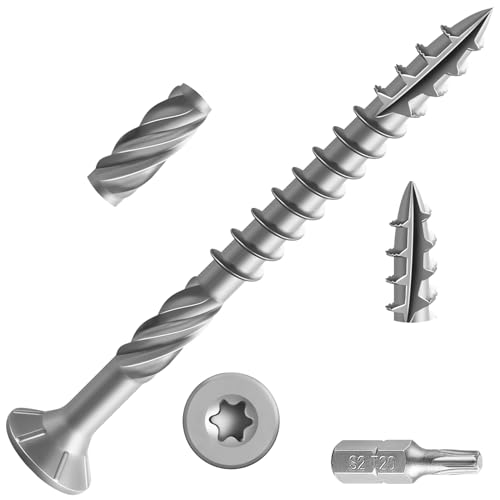
Wensilon #10 x 3″ 304 Stainless Steel Deck Screws (151 pcs)

Wensilon #10 x 3″ Deck Screws (137 pcs)

Deck Plus Wood Screws #10 x 3in (310 pcs)
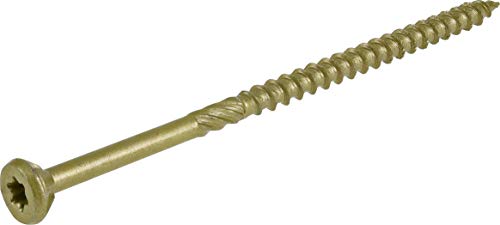
Power Pro #10 x 4″ Exterior Wood Screws (57 pcs)

Wensilon #8 x 3/4″ 410 Stainless Truss Head Screws (300 pcs)

Wensilon #8 x 3/4″ Black 410 Stainless Truss Head Screws (300 pcs)

Wensilon #8 x 3/4″ Hex Washer Head Self-Drilling TEK Screws (300 pcs)
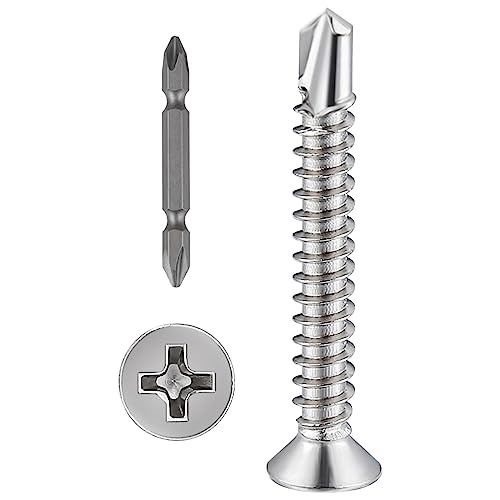
Wensilon #8 x 1-1/4″ 410 Stainless Flat Head Screws (250 pcs)
What Each Pick Brings To The Table
Subfloor work is rarely glamorous, and this Wensilon pack quietly handles the unglamorous side: fastening plywood sheets to joists in a basement or ground-floor renovation. The 3-inch #10 sizing sinks deep enough to bite framing lumber without poking through the finished floor above. A bronze epoxy coating helps the screw shrug off the moisture that creeps up from crawl spaces and concrete.
Compared with the deck-focused options later in this list, this one leans toward general framing duty rather than coastal exposure. You get a T25 star drive, which keeps the bit seated and reduces cam-out when you run hundreds of screws in a session.
Where It Helps
- Epoxy bronze coating that resists humidity in basement and crawl-space builds
- T25 star drive that holds the bit under high torque
- 3-inch length bites into standard 2x joists with room to spare
- 137-count pack covers roughly one sheet of plywood per pass
Points To Keep In Mind
- Not actual stainless, so coastal or wet-room jobs may need a stronger option
- Coating can nick if you drop the bit at high speed
At A Glance
Who It Suits Best
Remodelers fastening subfloor sheets in basements, bathrooms, or kitchens where moisture is a real concern but not extreme.
Look Elsewhere When
Coastal builds or anywhere standing water touches the framing call for the Wensilon #10 x 3″ 304 Stainless Steel Deck Screws instead.
If your subfloor sits over a damp basement or a slab that sweats seasonally, plain coated screws tend to give up first. This pack swaps the steel core for 304 stainless, the same alloy used in most kitchen sinks, which shrugs off rust far longer than epoxy alone. You still get the T25 star drive and bronze epoxy topcoat for a cleaner install.
The trade-off shows up in the price per screw, which runs higher than the standard coated version. For a single powder room, that bump may not matter; for a full gut-rehab, you’ll feel it across a few hundred fasteners.
The Good Stuff
- 304 stainless core resists rust in chronically damp framing
- Bronze epoxy adds a second layer of moisture protection
- T25 drive reduces the wobble that snaps cheaper bits
Trade-Offs To Consider
- Higher cost per screw than the standard coated version
- Stainless can be slightly softer, so predrilling near edges helps
Made For
Homeowners and pros fastening subfloor panels where seasonal moisture, plumbing leaks, or slab condensation are a real concern.
Skip It When
Dry interior remodels on a tight budget are better served by the Wensilon #10 x 3″ Deck Screws, the non-stainless sibling in the Wensilon family.
The serrated thread design on this Wensilon pack is the small detail that helps on long subfloor runs. Tiny teeth under the head bite into the plywood surface and keep the panel from creeping up the shank as you drive, which means fewer raised heads to sand down later. A four-layer anti-corrosion coating wraps heat-treated steel for a balance of hardness and weather resistance.
You trade some raw corrosion resistance versus the stainless option above, but gain a thread that grips tighter into soft plywood. For most interior subfloor layouts, that’s the better ratio.
A Favorable Mix
- Serrated threads under the head reduce panel lift during driving
- Four-layer coating improves outdoor and treated-lumber life
- Heat-treated steel core resists snapping under impact
- Star drive with included bit cuts setup time
Small Caveats
- Not stainless, so very wet locations need a different alloy
- Smaller pack than the bulk 5-lb Deck Plus option
Best Suited To
Anyone laying down subfloor sheets over many joists and wanting fewer popped screws and squeaks down the road.
Not Your Match When
You need a giant contractor box for a whole-house re-floor; reach for the Deck Plus Wood Screws #10 x 3in 5lb Box instead.
Whole-house subfloor replacements burn through fasteners faster than you’d think, so buying a 5-pound box of Deck Plus screws cuts the per-piece cost noticeably. The self-drilling point, paired with coarse threads, lets the screw punch through plywood without a separate pilot hole, which speeds up a day of install work. A four-layer epoxy coating handles pressure-treated lumber without bleeding stain onto the wood.
The tan finish blends with most subfloor panels and disappears underlayment-side. You’ll want a beefy 18-volt impact driver, since the larger pack invites a marathon of fastening.
Features That Help
- Self-drilling tip removes the need for a pilot in most plywood
- Four-layer epoxy coating tolerates pressure-treated lumber contact
- 310-count box covers multiple rooms without restocking
- Tan head color disappears under most underlayment
Practical Considerations
- Bulk box is heavy to haul up a ladder
- Coating wears where the bit rubs during high-torque driving
Feature Snapshot
Whose Shelf It Belongs On
Contractors and serious DIYers replacing a full subfloor, where a 5-pound box of fasteners is cheaper per screw than smaller packs.
Swap It Out When
You need a longer screw for thicker assemblies; the Power Pro #10 x 4″ Exterior Wood Screws reach deeper into the framing.
When the subfloor needs to reach into thick framing, a 3-inch screw sometimes stops short. The 4-inch Power Pro fastener solves that, sinking through 3/4-inch plywood, gypcrete, and another structural layer without bottoming out. An epoxy coating handles outdoor exposure, so this screw doubles for deck ledger work where the fastener bridges two different materials.
For a single interior sheet, a 4-inch screw is overkill and may poke through the bottom of the joist. Treat this as the upgrade pick for stacked assemblies, not everyday work.
Bright Spots
- 4-inch length passes through subfloor plus structural underlayer
- Epoxy coating handles pressure-treated and outdoor ledger zones
- T25 star bit included in the box
- Bronze finish blends with pressure-treated lumber
Things To Weigh
- Overkill for standard 3/4-inch subfloor over single joists
- Smaller piece count than 3-inch options in the same brand family
Perfect Match For
Pros fastening subfloor-plus-board assemblies, stair landings, or ledger boards where extra bite depth prevents squeaks.
Where Another Pick Suits Better
Standard 3/4-inch plywood over single joists is faster and cleaner with the Wensilon #10 x 3″ Deck Screws.
Some subfloor repairs involve thin patches or transitions between subfloor and underlayment where a 3-inch deck screw is too long. This 3/4-inch truss head screw, made of 410 stainless, fills that gap. The wide head spreads clamping force across thin plywood so the sheet doesn’t dimple, and the short shank stops well before reaching any plumbing or wiring below.
You lose the deep joist bite of a full-length screw, so treat this as a patch and trim companion, not a primary subfloor fastener.
A Few Strong Suits
- Truss head spreads load across thin plywood without crushing
- 410 stainless resists corrosion in patch and repair work
- Short 3/4-inch length protects wires and pipes below
Less Ideal Details
- Too short to anchor a full subfloor panel into a joist
- Not the right choice for structural load-bearing fastening
Who Should Grab It
Anyone patching thin subfloor areas, fastening transition strips, or repairing squeaky spots where a long screw would over-penetrate.
Where A Sibling Pick Shines
Full subfloor replacement needs the bite of Wensilon #10 x 3″ Black Deck Screws rather than a 3/4-inch trim screw.
The black finish on this Wensilon pack is the main draw for finished spaces where a bronze or silver screw head would stand out under racking or trim. Same 410 stainless body and 3/4-inch length as the silver sibling, so the corrosion and strength story carries over, just with a darker look. It’s a small touch that matters in basement apartments or finished lofts where the subfloor edge peeks out near trim.
The color comes from a coating, so be careful not to scratch it during install, since raw 410 stainless underneath can patina differently in moist conditions.
Points In Its Favor
- Black coating blends with dark framing and trim
- 410 stainless core for corrosion resistance
- Truss head prevents dimpling in thin plywood
Honest Caveats
- Coating can scratch if the bit slips at high RPM
- Short length limits structural applications
Right Fit For
Finish carpenters and remodelers who want fasteners that disappear visually on dark-stained or painted subfloor edges.
Another Choice May Suit
Open framing where the head won’t be seen favors the Wensilon #8 x 3/4″ 410 Stainless Truss Head Screws in silver finish instead.
A TEK screw has a drill-bit tip that cuts its own pilot hole, which makes this Wensilon pack a time-saver when fastening thin metal clips, strapping, or subfloor edge brackets. The 410 stainless body holds up in garage and shop environments where condensation forms overnight. A hex washer head seats firmly against the work surface for a clean, no-slip drive.
These are not your primary subfloor-to-joist fastener. They’re best thought of as a specialty companion for hybrid subfloor systems with metal connectors or track.
Where It Delivers
- Self-drilling TEK tip removes the need for a separate pilot bit
- 410 stainless holds up in workshop humidity
- Hex washer head resists cam-out under impact drivers
Worth Bearing In Mind
- Not suited to thick plywood-to-joist fastening
- Specialty fastener with narrower use case than deck screws
Built With In Mind
Pros working on subfloor systems that combine plywood with metal strapping, hangers, or thin steel track components.
Consider Something Else When
You’re fastening plywood to wood joists, where a deck screw like the Wensilon #10 x 3″ Black Deck Screws is the better tool.
The flat head profile on this 1-1/4-inch screw lets it sit flush with the surface, which is handy when subfloor patches meet a finished floor transition. The 410 stainless body gives you the same moisture resistance as the truss head versions, and the longer shank than the 3/4-inch option reaches into underlayment and thin subfloor combinations without bottoming out.
For primary joist fastening, you’d want a longer deck screw. Treat this as a finishing screw for the seam work where flush matters.
What Makes Sense
- Flat head seats flush for transition and seam work
- 410 stainless resists corrosion in interior moisture zones
- 1-1/4-inch length bridges underlayment plus subfloor layers
Points To Note
- Short of the length needed for full joist fastening
- Requires a countersink for the cleanest flush finish
Who Will Love This
Floor installers and finish carpenters transitioning between subfloor patches, underlayment, and finished flooring where a flush fastener matters.
Reach For A Different Pick When
You need primary joist-to-subfloor fastening, where the Wensilon #10 x 3″ Deck Screws carry the structural load.
Choosing The Right Fastener For A Plywood Subfloor
Match The Screw Length To The Stack
The right screw length is whatever passes through the plywood and bites at least an inch into the framing below. For 3/4-inch subfloor panels over standard joists, a 3-inch screw is the everyday workhorse. Shorter 3/4-inch to 1-1/4-inch fasteners handle patch and transition work, while 4-inch screws are reserved for assemblies where the subfloor sits over an extra structural layer. A screw that bottoms out in the joist or pokes through the bottom of the framing adds nothing and may squeak over time.
Pick The Coating For The Moisture Level
Bronze epoxy over steel handles most interior subfloor jobs in dry climates, basements with decent dehumidification, and rooms with plumbing that won’t see standing water. 304 stainless is the upgrade for damp basements, bathrooms, and slab-on-grade builds where humidity wicks up through the concrete. 410 stainless sits in between, resisting corrosion for trim and patch work without the price jump of full 304.
Choose The Head For The Job
Star or Torx drives transfer torque cleanly and resist cam-out during long fastening sessions, which matters when you sink hundreds of screws in a day. Truss heads spread clamping force across thin plywood to prevent dimpling. Flat heads sit flush for seams and transitions where a proud screw would interfere with finished flooring. A Phillips drive still works for one-off repairs, but it tends to chew up under high-torque impact drivers.
Think About Quantity And Drive Compatibility
A single sheet of plywood eats roughly 60 to 80 screws, depending on joist spacing. A whole-room subfloor needs several hundred, so the difference between a 137-piece and a 310-piece box adds up fast in cost per fastener. Match the bit drive to your impact driver as well; running a T25 screw without a T25 bit will round off the head and slow the job to a crawl.
Smart Buying Notes For Subfloor Fasteners
Common Pitfalls When Picking Subfloor Screws
Treating all exterior-rated screws as interchangeable is a frequent mistake, since epoxy-coated steel and 304 stainless behave very differently once moisture finds them. Another trap is under-buying for a full subfloor, which leads to mid-project runs to the store and mismatched fastener batches. Always confirm the drive style matches your bit and your impact driver before opening the box.
When Paying More For Subfloor Screws Pays Off
The premium tier earns its keep in chronically damp basements, slab-on-grade builds, and any subfloor over a crawl space that sees seasonal humidity. Stainless and longer screws also save labor time by reducing snapped heads, stripped bits, and callbacks for popped fasteners. For a single dry-room patch, the upgrade rarely justifies itself, so save the spend for jobs that genuinely demand it.
Frequently Asked Questions
What Size Screw Should You Use For A Plywood Subfloor?
For 3/4-inch plywood over standard joists, a #10 x 3-inch screw is the everyday choice that bites at least an inch into the framing. Thicker assemblies or multi-layer builds may need a 4-inch screw, while thin patches and transitions use 1-inch or shorter screws for flush seating.
Can You Use Deck Screws For A Plywood Subfloor?
Deck screws with a star drive, coarse threads, and corrosion-resistant coating work well for subfloor fastening because the same mechanical needs apply. The main requirement is matching the length to the plywood-plus-joist stack so the screw bites framing without poking through the bottom.
Do Subfloor Screws Need To Be Galvanized Or Stainless?
Interior dry-area subfloors usually perform fine with epoxy-coated steel screws. Basements, bathrooms, and slab-on-grade builds benefit from stainless or heavy epoxy coatings because moisture wicking up through concrete corrodes unprotected steel over time.
How Far Apart Should Subfloor Screws Be Placed?
Most building guidelines call for screws every 6 to 8 inches along panel edges and every 8 to 12 inches along intermediate joists, with panels gapped slightly to allow for expansion. Adhesive plus screws together reduce squeaks compared with screws alone.
What Is The Best Drive Type For Subfloor Screws?
Star or Torx drives are widely preferred because they transfer torque without cam-out, especially under high-RPM impact drivers. Phillips drives still work for light repairs but tend to strip during marathon fastening sessions, slowing the job considerably.




