


Picking the right screw for a stud, a metal plate, or a concrete wall feels simple until you’re staring at a wall of listings. The wrong thread can strip halfway in, snap under load, or rust out in a season outdoors. The picks below cover the common jobs you’d actually tackle at home, from hanging a heavy frame into drywall to fastening metal brackets to thin steel studs. Each one earns its place for a specific scenario, and the trade-offs are spelled out honestly so you can match the screw to the job instead of guessing.
The Picks In Brief

Wensilon #8×3/4″ 410 Stainless Steel Truss Head Self-Tapping Screws (300 pcs)

Wensilon #8×3/4″ 410 Black Stainless Steel Truss Head Screws (300 pcs)

Wensilon #8×1″ Black Truss Head Wood Screws (250 pcs)
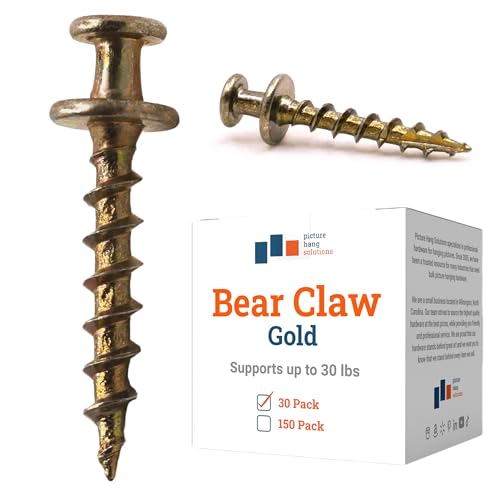
PHS Gold Bear Claw Hanger Screws, 30 lb, 30 Pack

Wensilon #8×3/4″ 410 Stainless Hex Washer Head TEK Screws (300 pcs)

Wensilon #8×3/4″ 410 Black Hex Washer Head TEK Screws (300 pcs)

Wensilon 3/16″ × 1-1/4″ Slotted Hex Concrete Screws (30 pcs)
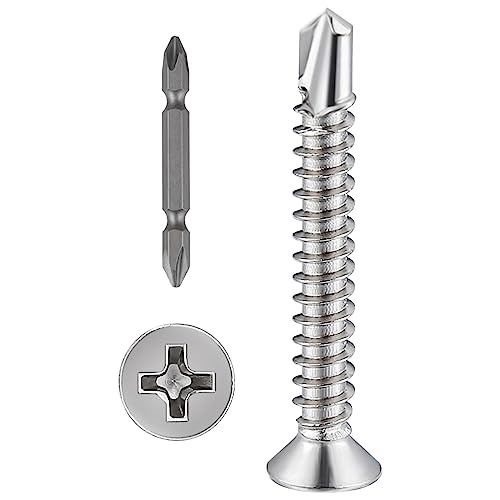
Wensilon #8×1-1/4″ 410 Stainless Flat Head Self-Tapping Screws (250 pcs)

Wensilon #8×1-1/4″ 410 Black Stainless Flat Head Self-Tapping Screws (250 pcs)
A Breakdown Of The Leading Choices
This Wensilon pack lands first because it covers the most common shop task: fastening thin sheet metal, ductwork, or light-gauge steel framing to wooden studs. The 410 stainless build resists rust in a garage or basement where humidity swings, and the magnetic quality of 410 steel means stray screws on a workbench actually clean up with a magnet sweep.
The truss head spreads load across a wider surface, which helps when fastening soft material like plywood panels or plastic junction box covers. For most weekend projects and HVAC-style work, the 300-piece count also outlasts smaller contractor packs at a similar unit cost.
Where It Helps
- Corrosion-resistant 410 stainless steel holds up to humid shop environments
- Truss head design distributes clamp load across soft or thin stock
- 300-count pack keeps a small shop stocked through multiple projects
- Magnetic steel sweeps up quickly with a pickup magnet on a busy bench
Worth Noting
- 410 stainless can develop surface rust in salt-air coastal settings over time
- 3/4″ length is too short for thicker 2x lumber where deeper bite is required
Right Fit For
DIYers running a small home workshop who need a reliable go-to screw for sheet metal, HVAC, and light steel fastening.
Look Elsewhere When
You’re fastening only into wood and want a flatter, countersink-friendly look, in which case the Wensilon #8×1-1/4″ 410 Stainless Flat Head is the better match.
The black-coated version of the previous pick earns its slot for a simple, often-overlooked reason: the dark finish disappears against dark cabinetry, speaker enclosures, or black powder-coated brackets. Where a bright zinc screw would catch the eye every time you look at the wall, this one stays out of the way.
Mechanically, you’re getting the same 410 stainless build and truss head geometry as Pick 1, so the corrosion resistance and load-spreading behavior carry over. The difference is purely cosmetic, but for finished carpentry and visible fixture work, that difference is the whole point.
The Upside
- Black finish hides well on dark fixtures and visible cabinetry
- Same corrosion-resistant 410 stainless core as the silver version
- Truss head keeps the seated profile low and snag-free
- 300-count bulk pack suits a full room of cabinet or speaker installs
Some Limits To Know
- Black coating can scratch under high-torque installs, exposing silver steel beneath
- Color match is approximate, not painted-to-match, so it won’t blend with every finish
Made For
Finish-focused woodworkers and AV installers who care as much about how the screw looks as how it holds.
Swap It Out When
You’re working strictly in utility spaces like a basement workshop, where the silver Wensilon #8×3/4″ 410 Stainless Truss Head pack does the same job for less.
This pack is the wood-focused cousin of the metal screws above. The black phosphate coating over carbon steel is the classic finish used on general-purpose wood screws, because the slightly rough surface texture gives the bit extra grip during drive-in. For new DIYers still learning how much pressure to apply, that extra bit traction is genuinely useful.
The truss head profile keeps the screw from sinking too deep into softer woods like pine or MDF, which is exactly what you want when building a bookshelf, a cabinet box, or simple garage shelving. At 1″ length, it gets solid bite into standard 3/4″ plywood without poking through the back face.
Useful Strengths
- Phosphate coating improves bit grip for cleaner, less cam-out drives
- 1″ length bites fully into 3/4″ plywood without back-face blowthrough
- Carbon steel core delivers high shear strength for furniture-style joints
- Truss head reduces the chance of overdriving into soft MDF or pine
Trade-Offs
- Carbon steel with phosphate coating is for interior use; moisture will eventually pit it
- Not suited to metal studs or sheet metal, despite the “self-tapping” labeling
Who It Suits Best
First-time builders and weekend DIYers assembling indoor furniture, cabinets, or basic storage projects from sheet goods.
Reach For A Different Pick When
Your project involves metal framing or anything exposed to the weather, where the Wensilon #8×3/4″ 410 Black Hex Washer Head TEK Screws handle both demands.
The Picture Hang Solutions bear claw screws step outside the construction category and into a very different job: hanging framed art and mirrors in drywall or plaster. The “bear claw” point geometry and 30 lb load rating make them a real step up from the cheap picture hangers that come in a kit with the frame.
What matters here is the compatible hardware list. These screws accept D-rings, sawtooth hangers, hanging wire, and keyhole hangers, which covers the way the vast majority of store-bought frames are designed to be mounted. For a hallway gallery or a living-room gallery wall, the 30-pack is sized just right.
Noteworthy Benefits
- 30 lb load rating supports heavier mirrors and oversized frames
- Works with the four most common frame hardware styles out of the box
- Single-screw install keeps the wall repair simple if you ever rearrange
- Brass-tone finish blends with traditional frame hardware
Honest Caveats
- Not rated for metal studs, brick, or concrete, so you may need a different anchor for masonry walls
- Creates a visible wall hole, so a future patch is more involved than with a nail-in hook
Best Suited To
Apartment dwellers and homeowners building a gallery wall who need a secure, traditional frame-mount solution in standard drywall.
Not Your Match When
You’re hanging into masonry or concrete, where the Wensilon 3/16″ × 1-1/4″ Slotted Hex Concrete Screws are the right tool.
TEK screws are the step up when you need to drill through steel without pilot holes. The integrated drill-bit tip on the Wensilon hex washer head version bores its own pilot through light-gauge metal, then the threads tap into the substrate behind it. For fastening HVAC duct to studs, securing metal brackets to steel framing, or attaching electrical boxes to metal studs, this saves an entire step.
The hex washer head holds a nut driver firmly, which is important because the higher torque needed to punch through metal will spin out a Phillips head instantly. Pairing a magnetic nut driver with this pack turns what used to be a two-tool job into a one-tool operation.
Why It Works Well
- Integrated drill tip eliminates the need for a separate pilot hole in light-gauge steel
- Hex washer head resists cam-out under the high torque of metal fastening
- 410 stainless body suits humid or mildly corrosive environments
Potential Drawbacks
- Hardened tip snaps more easily if you over-torque on very thick or hardened steel
- 3/4″ reach is too short for fastening through thick stacked materials
Feature Snapshot
Whose Shelf It Belongs On
Tradespeople and serious DIYers handling HVAC, electrical boxes on metal studs, or thin sheet metal assemblies regularly.
A Better Fit Elsewhere
For pure wood fastening with no metal contact, the Wensilon #8×1″ Black Truss Head Wood Screws do the job without the unnecessary TEK tip.
The black-coated TEK version of Pick 5 brings the same self-drilling convenience to outdoor projects. The dark finish helps the screw visually disappear against weathered metal roofing, fence rails, and dark-painted brackets, which matters more than people expect once a project is finished and the sun is on it.
For a backyard pergola with metal cross-braces, an exterior electrical box on a metal-sided shed, or a chain-link gate hinge, this is the screw that does the job without leaving a shiny silver dot on every fastening point.
The Practical Payoff
- Dark finish blends into weathered metal and dark-painted hardware
- Self-drilling tip handles light-gauge steel without pre-drilling
- Hex washer head grips firmly under impact drivers and nut drivers
Soft Spots
- Black coating can nick under high-torque driving, exposing silver steel
- 410 stainless, not 316, so coastal environments will eventually show surface rust
Right Fit For
Homeowners building exterior metal-to-wood or metal-to-metal projects where the screw heads will be visible and cosmetic.
Consider Something Else When
You’re fastening into masonry or concrete substrates, where the Wensilon 3/16″ × 1-1/4″ Slotted Hex Concrete Screws are purpose-built for the job.
Masonry work is a completely different fastening problem, and Wensilon’s slotted hex concrete screws are built for it. The blue rust finish over hardened carbon steel is the classic surface treatment for concrete screws, designed to take the abuse of being driven into a pre-drilled hole in brick, block, or poured concrete.
The hex head pairs with a standard nut driver for high-torque installation, which is the only practical way to sink a screw into masonry without stripping the drive. Thirty pieces is a sensible count for a few small projects like mounting a hose reel, fastening a railing bracket, or anchoring a mailbox post to a brick pier.
Benefits That Matter
- Hardened steel body cuts clean threads into pre-drilled masonry holes
- Blue rust finish provides reliable corrosion protection on exterior masonry
- Hex head accepts a standard nut driver for high-torque installs
Things To Weigh
- Requires a pre-drilled pilot hole sized to the screw diameter, so plan for a hammer drill
- 30-piece count is modest for whole-house masonry projects, so bigger jobs may need multiple packs
Spec Overview
Made For
Homeowners mounting exterior fixtures, railing brackets, or hardware to brick, block, or poured concrete walls.
Skip It When
Your project is interior framing in wood or metal studs, where the Wensilon #8×1″ Black Truss Head Wood Screws will save time and cost.
Flat head screws are the right answer whenever you want the head to sit flush with or below the surface. This Wensilon pack, at 1-1/4″ length, gives you the depth to fasten cabinet backs, drawer fronts, or thicker trim without the screw bottoming out or sticking out the back side.
The 410 stainless build keeps it consistent with the earlier metal-screw picks in this list, so the corrosion resistance and magnetic-sweep behavior are familiar territory. For shop furniture, utility cabinets, and metal-on-wood applications where the finished look needs to be flush, the flat head profile earns its place.
A Few Strong Suits
- Flat head seats flush for clean finished surfaces on cabinet and trim work
- 1-1/4″ length bites into thicker 1″ stock without punch-through
- 410 stainless body holds up to shop humidity and seasonal swings
Some Limits To Know
- Requires a countersink pilot for a truly flush finish, adding a step on hardwoods
- Not self-drilling for steel, so metal substrates need a pilot hole
Technical Reference
Who Should Grab It
Cabinetmakers, trim carpenters, and serious DIYers building indoor shop furniture who want clean, flush screw lines.
Where Another Pick Suits Better
For visible outdoor work, the Wensilon #8×1-1/4″ 410 Black Stainless Flat Head version matches the flush look while blending into dark finishes.
Closing the list with a refined variant, the black-coated flat head combines the flush profile of Pick 8 with the cosmetic benefit of Pick 2’s dark finish. The result is a screw that disappears cleanly into dark-stained wood, painted black cabinetry, or powder-coated metal trim, which is exactly the look people chase on finished AV shelving, walnut record cabinets, or modern hardware installs.
It’s the most “designer” screw in this roundup, and the 1-1/4″ length gives the depth needed for proper bite in cabinet backs and thicker trim. The trade-off is the same as with the other black-coated options: a small risk of nicking the coating under high-torque driving.
Reasons It Performs
- Black finish blends into dark wood, paint, and powder-coated metal
- Flat head seats flush for clean lines on visible cabinet work
- Longer 1-1/4″ reach handles thicker stock and stacked materials
Points To Keep In Mind
- Coating is decorative, not structural, so aggressive driving can expose bare steel
- Color match varies by lighting and finish, so test on scrap before committing
Quick Technical Notes
Perfect Match For
Finish-focused DIYers and AV builders working with dark woods, painted cabinetry, or modern black hardware where the screw should fade into the design.
Another Choice May Suit
For utility-grade work where the screw is hidden inside a closet or behind a panel, the silver Wensilon #8×1-1/4″ 410 Stainless Flat Head pack does the same job at a lower aesthetic priority.
What To Match Before Buying Screws For Studs
The substrate is the single biggest decision driver. Wood studs accept traditional wood screws and coarse-thread fasteners with no special preparation. Metal studs, on the other hand, demand either a fine-thread screw designed for sheet metal or a self-drilling TEK screw that bores its own pilot. Masonry, including brick, block, and concrete, requires pre-drilled pilot holes and a hardened concrete screw like the slotted hex style. Choosing by substrate first eliminates most of the wrong-fit problems.
Length and head style come next, and they answer different questions. Length controls how deeply the screw bites and whether it will punch through the back face of your stock. Head style controls how the screw finishes: flat for a flush look, truss for low-profile load spreading, hex washer for high-torque driving. Pick the head style for the finished appearance, then verify the length leaves enough thread in the substrate for the load you actually plan to hang.
Corrosion And Environment
Indoor projects in climate-controlled space can get away with carbon steel and a basic phosphate coating. Garages, basements, bathrooms, and any outdoor project deserve a corrosion-resistant screw, and 410 stainless handles indoor humidity and most outdoor exposure well. For coastal or high-salt environments, a higher-grade stainless is a smarter investment even if it costs more per piece, because the labor of replacing rusted fasteners is what really stings.
Head Drive And Tooling
Phillips drives are the historical default, but they cam out under high torque. Hex washer heads and star drives are the modern answer for metal and masonry work, where the extra torque needed to drill or tap the substrate will spin a Phillips head before the job is done. Match the head drive to the tool you actually own, or be ready to buy a new bit.
Pack Size And Project Scope
A 30-piece pack is sized for one small masonry project, while a 250- to 300-piece pack makes sense for a weekend of shop builds or a whole-room cabinet installation. Buy one or two sizes larger than you think you need; misdrilled holes, stripped heads, and dropped screws eat into the count faster than expected.
Where Shoppers Slip And What The Upgrade Buys
Where Shoppers Go Wrong
The most common mistake is matching the screw to the wrong substrate, like using a wood screw on metal studs or driving a self-tapping screw into masonry without a pilot. The screw “works” for the first few fasteners, then the heads strip or the threads fail, and the project comes apart. The second common slip is ignoring length: too short and the screw pulls out under load, too long and it punches through the back face of the material into a wire, a pipe, or a finished surface behind it.
When Paying More Pays Off
A higher-tier screw usually buys one of three things: better corrosion resistance, a more reliable drive type, or a longer-lasting head finish. In a coastal garage, the upgrade from carbon steel to a higher-grade stainless pays back the moment you skip a rust repair. For visible cabinet or AV work, a black-coated finish on a more durable head is the upgrade that actually shows every day. Where you don’t need the upgrade is in a closed utility space where the screw will be hidden and the environment is stable; spending more there is just spending more.
Frequently Asked Questions
What size screw works best for standard wood studs?
For most wood stud framing tasks, a #8 diameter screw in the 1″ to 1-1/4″ length range hits the sweet spot of holding power without punching through. Thinner materials like 1/2″ drywall call for shorter screws, while stacked assemblies benefit from the extra reach.
Can you use self-tapping screws in metal studs?
Yes, and in most cases you should. Self-drilling TEK screws are designed to bore through light-gauge steel framing and tap their own threads without a pilot hole. The hex washer head style grips firmly under the high torque required for metal fastening.
Do you need to pre-drill for concrete screws?
Pre-drilling is required, not optional. Use a hammer drill with a masonry bit sized to the screw’s specified diameter, clear the dust from the hole, then drive the screw with a nut driver. Skipping the pilot will snap the screw or fail to seat at all.
Are stainless steel screws stronger than zinc-coated ones?
Stainless and zinc-coated screws are not directly comparable on strength alone, because the steel grade and screw geometry matter more than the finish. The real difference is corrosion resistance, where stainless generally outlasts zinc plating in damp or outdoor environments.
How many screws typically come in a contractor pack?
Bulk packs in this category range from 30 pieces for a small masonry project to 300 pieces for a shop-scale run. For most single-room renovations, a 250-piece pack is the practical sweet spot that covers misdrives and a second project without leaving you overstocked.




