


Picking the right fastener for a trailer floor or deck is one of those small decisions that decides whether a rig holds up for years or starts squeaking and splitting after a single wet season. You want screws that bite deep, resist corrosion under foot traffic and road spray, and stay seated when the wood swells and contracts. This roundup walks through nine solid options across different drive types, coatings, and pack sizes, so you can match a screw to your trailer’s frame material, the lumber you’re laying down, and the weather you actually haul in.
The Lineup, Simplified

Wensilon #12 x 2 Black Hex Exterior Lag Screws 5.5x50mm

Wensilon #12 x 2 Yellow Hex Exterior Lag Screws 5.5x50mm

FMhotu #14 x 2-3/4 Self-Tapping Trailer Deck Screws

Deck Plus Wood Screws #10 x 3in Tan 5lb Box

Wensilon #10 x 3 Deck Screws Bronze T25 Star Bit

Wensilon #10 x 3 Black Deck Screws T25 Star Bit
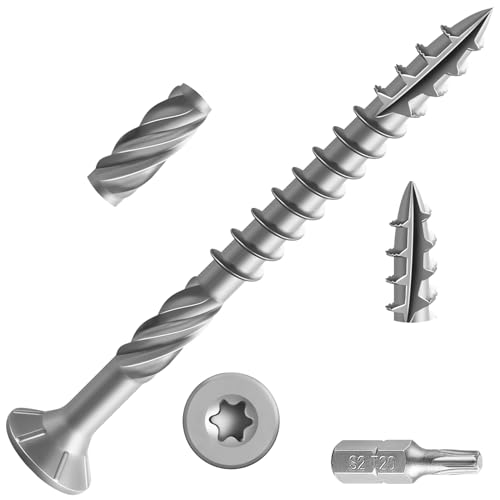
Wensilon #10 x 3 304 Stainless Steel Deck Screws

Grip-Rite PrimeGuard Plus Premium Deck Screws White
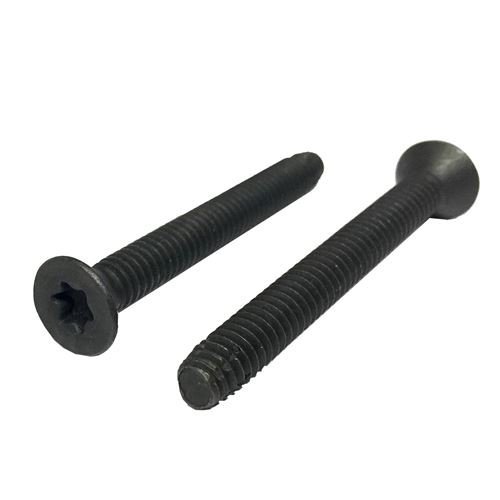
FASTENAL 5/16-18×2-1/2 Flat Head Trailer Deck Screws T40
More Details On Our Top Picks
Wensilon’s black hex lag opens the list with the kind of bite you want when you’re pulling a utility trailer over rough gravel roads every weekend. The 5.5x50mm size lands in that sweet spot for 2x lumber over steel crossmembers, and the deep thread profile means the screw keeps pulling tight long after the first winter’s worth of swelling and shrinking.
The hex head design is the real convenience play here. Unlike a Phillips or slotted drive, a hex bit transfers torque cleanly without cam-out, so you can sink a full row of screws without stripping a single one. If you’re tired of drivers skating across the head mid-drive, that detail alone is worth a second look.
A Strong Showing
- Self-tapping tip cuts its own path into dense wood, skipping the pilot hole step on most boards.
- Hex head holds the bit firmly under load, reducing strip-outs during long drives.
- Carbon steel core with rust-resistant coating holds up in damp and coastal conditions.
- Washer-style head spreads clamping pressure, which keeps boards from dimpling.
Things To Consider
- Black coating can show wear if you drag heavy equipment across the deck repeatedly.
- 43-piece count runs small for full re-deck projects, so plan to grab multiple boxes.
Key Product Details
Best Suited To
Home mechanics and weekend haulers working on a single utility trailer with pressure-treated deck boards.
Where Another Pick Suits Better
For marine or saltwater use, the Wensilon #10 x 3 304 Stainless Steel Deck Screws handle corrosion far better.
The yellow-coated sibling to the first pick is essentially the same screw in a bigger jar, and that bigger jar is the whole point. At 98 pieces per 2-pound box, you’re set up for a full trailer re-deck or two smaller ones without running out halfway through the second board.
The yellow finish is a useful detail in low light. Drop a screw in the grass at dusk and you can actually find it again without crawling around with a flashlight. The structural spec is identical to the black version, so you’re trading the dark look for a higher-visibility finish and more screws in the box.
Notable Upsides
- Larger 98-piece count covers full re-deck jobs without a second order.
- Yellow coating makes lost screws easy to spot on grass or gravel.
- Self-tapping tip and hex head carry over from the proven #12 design.
- Same carbon steel body and rust-resistant layer as the black version.
Worth Noting
- Yellow color won’t blend with most stained or painted deck boards.
- Same 2-inch length can be short for very thick lumber or doubled-up framing.
Made For
Shops and small fleets re-decking multiple trailers per season and wanting one bulk box to cover the workload.
Not Your Match When
For a single cosmetic re-deck on dark-stained boards, the Wensilon #10 x 3 Black Deck Screws blend in better.
FMhotu’s #14 x 2-3/4 is the kind of screw that lives at the intersection of wood and metal, where most trailer rebuilds actually happen. A self-tapping tip in this size range is meant to bite through a wood plank and into a steel crossmember in a single pass, saving you the time of predrilling each crossmember hole on a long floor.
Compared to the Wensilon #12 lag screws earlier in this list, this one trades the hex head for a T25 star drive. Star drives handle high torque without the bit walking out of the head, which matters when you’re pushing through sheet steel under load. You also get 181 pieces in the box, so a complete 8×16 trailer floor is within reach.
Noteworthy Benefits
- Self-tapping tip handles wood-to-metal fastening without a separate pilot step.
- T25 star drive grips the bit firmly even under heavy torque.
- Anti-corrosion surface coating extends life on road-treated frames.
- 181-piece count supports a full-size trailer re-deck in one box.
Trade Offs
- 2-3/4 inch length is overkill for thin decking, and the working thread depth depends on steel thickness.
- Star drive bits wear out faster than hex on high-volume jobs, so keep a spare T25 nearby.
Right Fit For
Rebuilders re-flooring steel-framed utility trailers who need one box to cover a complete deck.
A Better Fit Elsewhere
For wood-only deck builds without steel underneath, the Deck Plus Wood Screws #10 x 3in are easier to drive.
Deck Plus brings the bulk box energy that big deck projects demand. A 5-pound box at 310 pieces means you’re rarely running out mid-row, and the tan coating disappears into pressure-treated lumber and most cedar tones without a second thought.
Where this screw differs from the hex lag picks above is in the drive and tip style. It uses a Torx (star) drive paired with a self-drilling point, which removes the need for a separate pilot hole in softwoods. For most trailer decks built from standard 2x PT lumber, that’s a real workflow win.
A Few Strong Suits
- 310-piece box covers large decks and saves a mid-project reorder.
- Self-drilling point skips pilot holes in softwood and pressure-treated lumber.
- Multi-layer epoxy coating guards against rust in wet and treated-wood environments.
- Tan color blends with most natural wood tones after a season of weathering.
Points To Note
- Not designed for steel crossmembers, so wood-to-metal jobs need a different screw.
- Torx bit wear shows up fast on dense hardwoods like oak decking.
Quick Facts
Who Will Love This
Contractors and serious DIYers running multiple re-deck jobs per year on wood-framed trailers.
Look Elsewhere When
For steel-framed trailers, the FMhotu #14 x 2-3/4 Self-Tapping Trailer Deck Screws are purpose-built for that job.
The bronze Wensilon lands in the middle of the brand’s deck-screw lineup and tends to be the one most folks reach for without overthinking. The bronze tone is the classic “wood deck” color, so it visually disappears into cedar, pine, and pressure-treated boards, and the four-layer epoxy coating is a step up from basic zinc-plated hardware in wet conditions.
Heat-treated steel is the real backbone here. A heat-treated core resists shearing under the kind of repeated flex you get when a loaded trailer bounces down a driveway. Combined with the serrated thread pattern under the head, the screw helps pull two boards tight and keeps them from squeaking later.
Well-Handled Touches
- Four-layer epoxy coating handles pressure-treated lumber without staining the wood.
- Heat-treated steel core adds shear strength for loaded hauls.
- Serrated threads under the head reduce board separation on install.
- T25 star drive gives a strong bit-to-head connection during long drives.
Honest Caveats
- 137-piece pack is moderate, so large jobs may need a second box.
- Bronze finish can read warm against very dark or painted surfaces.
Whose Shelf It Belongs On
Anyone running a standard utility or equipment trailer who wants a workhorse screw for everyday re-decking.
Swap It Out When
For trailer floors near salt water, the Wensilon #10 x 3 304 Stainless Steel Deck Screws are the safer long-term call.
The black Wensilon is the same screw as the bronze version, just dressed in a darker head. For trailer builds where you’ve stained the boards dark walnut, painted them black, or just want the screw heads to vanish into the surface, that color swap makes a meaningful visual difference once the deck is down.
Underneath the finish, you’re still getting the heat-treated steel body, four-layer epoxy coating, and T25 star drive that make the bronze version such a reliable everyday option. For most owners, the choice between the two comes down to color, not performance.
What Earns Its Place
- Black finish blends with dark stains and painted deck boards.
- Same four-layer epoxy protection as the bronze sibling.
- Heat-treated core handles the flex of a loaded trailer floor.
- Serrated threads keep boards seated without backing out over time.
Softer Spots
- Black coating can chalk or scuff if abrasive loads are dragged across the deck.
- Color match matters more here, so it looks off on light-colored lumber.
Feature Snapshot
Perfect Match For
Builders who want a clean, dark look on stained or black-painted trailer deck boards.
Another Choice May Suit
For natural wood or pressure-treated boards, the bronze Wensilon #10 x 3 Deck Screws blend more naturally.
This is the screw you reach for when corrosion is the main concern. The 304 stainless steel body (a marine-grade alloy known for resisting rust in chloride-rich environments) replaces the standard heat-treated steel of the bronze and black versions, which means salt spray, fertilizer residue, and road treatment chemicals stop being a long-term worry.
The trade is real, though. Stainless costs more per box than coated steel, and the soft head of stainless can deform under very high torque, so a steady, moderate driving speed matters. For a boat trailer, a farm trailer hauling fertilizer, or any rig parked near the coast, the upgrade pays for itself the first time you avoid pulling rusted screws out of a soft deck.
What Stands Out
- 304 stainless body resists rust in marine and fertilizer-heavy environments.
- Bronze epoxy coating adds a second layer of defense against staining.
- T25 star drive is consistent with the rest of the Wensilon line.
- Same 3-inch length as the bronze and black versions, so it’s a direct swap.
Potential Drawbacks
- Higher per-box cost than coated steel screws, so budgets feel the upgrade.
- Soft stainless heads can round out under aggressive driving, so ease off the trigger.
Who Should Grab It
Boat owners, coastal residents, and farmers needing screws that hold up to salt and chemical exposure.
Where A Sibling Pick Shines
For dry, inland trailer work, the Wensilon #10 x 3 Bronze Deck Screws deliver similar performance for less money.
Grip-Rite’s PrimeGuard Plus is the answer for white-painted or light-colored trailer decks where a bronze or black screw would stick out like a sore thumb. The white head is the obvious draw, but the bugle head profile is what makes the install clean. Bugle heads are designed to countersink themselves into softwood without leaving a raised bump or splitting the surface.
At a 9 x 2-1/2 inch sizing and a 40-piece count, this is more of a small repair pack than a full re-deck supply. If you’re patching a couple of damaged boards on a painted trailer, the box size and color match are exactly right.
A Few Highlights
- White head disappears on painted or pale deck surfaces.
- Bugle head self-countersinks for a flush finish without pre-countersinking.
- Coarse thread pattern grips softwood and pressure-treated lumber firmly.
- T-25 star drive supports high-torque driving without bit slippage.
Factors To Consider
- 40-piece count is small, so this fits repairs more than full re-deck jobs.
- White coating can discolor over years of UV exposure without repainting.
Built With In Mind
Owners maintaining painted trailer decks who only need to replace a handful of screws at a time.
Reach For A Different Pick When
For a complete trailer re-deck, the Deck Plus Wood Screws #10 x 3in 5lb Box offers more pieces per box.
FASTENAL closes the list with a commercial-grade flat head that borrows directly from industrial fastener catalogs. The 5/16-18 thread is significantly beefier than anything earlier in the roundup, and case-hardened steel is engineered to take repeated impact loading without snapping at the neck.
The T40 Torx drive is also a step up in size from the T25 used by most deck screws. That bigger drive gives you more torque transfer for sinking a 2-1/2 inch screw through thick oak flooring, which is a common combo on heavy utility and flatbed trailers. The plain oil finish is a maintenance trade, though, so you may want to add a corrosion-inhibiting paint on top.
What It Does Well
- Case-hardened steel core handles high-stress commercial loading.
- 5/16-18 thread size drives through thick hardwood flooring reliably.
- T40 Torx drive supports serious torque without bit cam-out.
- 200-piece box covers a full-size heavy trailer floor.
Where It Is Less Suited
- Plain oil finish offers limited corrosion protection compared to epoxy-coated screws.
- Smaller-diameter softer wood can split under the 5/16 shank without a pilot hole.
At A Glance
Right Fit For
Fleet operators and heavy-haul trailer owners running dense hardwood floors on commercial rigs.
Consider Something Else When
For typical DIY trailer work with pressure-treated lumber, the Wensilon #10 x 3 Bronze Deck Screws are easier to drive.
What Separates A Good Trailer Deck Screw From A Frustrating One
Material matters more than most people expect. A screw that holds a porch rail might not last one winter on a trailer floor, where road spray, fertilizer, and road salt attack the metal from every angle. Carbon steel with a quality epoxy coating handles most inland work, while 304 stainless earns its keep in coastal or chemical-heavy environments.
Thread and tip style decide how the install feels. Self-tapping tips with serrated threads bite into dense lumber and self-drilling points handle steel crossmembers, so choosing the right combo saves a drill battery and a lot of wrist fatigue.
Drive type is a daily-use consideration. Hex and Torx drives transfer more torque than Phillips without cam-out, which matters on a 200-screw project. T25 is the most common size across residential deck screws, while T40 shows up on heavy commercial fasteners.
Length and head profile affect fit and finish. A 2 to 3-inch screw covers most 2x lumber applications, and bugle or washer heads help the screw sit flush without splitting the board.
Key Considerations Across These Picks
Where Shoppers Go Wrong
A common mistake is choosing indoor wood screws for a trailer project. Standard interior screws have thin zinc coatings that rust through within months when exposed to road moisture. Another frequent error is skipping the pilot hole on hardwood, which leads to split boards and broken screw heads before the trailer ever leaves the driveway.
What The Higher Tier Buys
Premium trailer screws invest in thicker epoxy or stainless steel bodies, sharper cutting tips, and reinforced drive recesses. The added cost reflects materials that survive years of wet, salty, and abrasive conditions. For weekend hobby use, a mid-tier coated screw may be all you need, but for daily-driven trailers near the coast, the upgrade typically pays for itself the first time you avoid a full re-deck.




