A good table saw changes how you build. You stop wrestling with straightedges and start focusing on the cut, the joinery, the finish. The trouble is that the category is crowded: jobsite saws, compact benchtop units, hobby mini-saws, and a stack of accessories that quietly decide whether your shop feels calm or chaotic. This roundup sorts nine real picks into a shape you can actually use, from a full-size rolling stand to a tiny benchtop saw for crafts and model work.
The Essentials At A Glance
The Essentials At A Glance
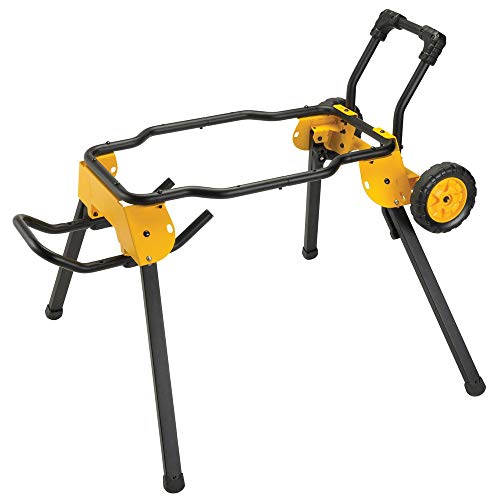
DEWALT DWE74911 Rolling Table Saw Stand

DEWALT DWE7485WS Portable Table Saw with Stand

DEWALT DWE7485 Compact Jobsite Table Saw

Rockler Table Saw Crosscut Sled with Telescoping Fence

Rockler Dust Right FlexiPort Expandable Hose Kit 3–12 ft
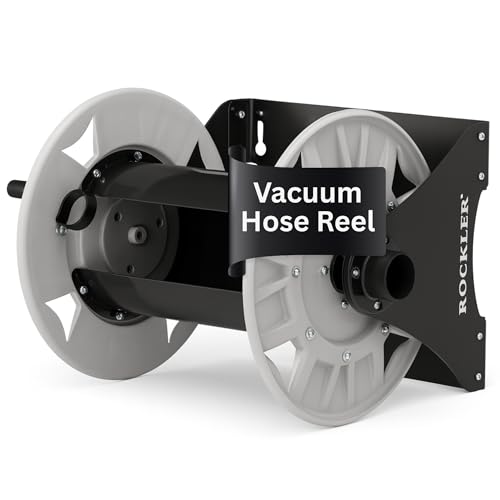
Rockler Wall Mount Vacuum Hose Reel for 40 ft Hose

Zericuf Super Mini Table Saw for Crafts and Hobbyists

Zericuf Mini Table Saw for Crafts with Dual 795 Motors

Zericuf Mini Table Saw for DIY Crafts and Hobbies
Why These Options Stand Out
Stands rarely get top billing, yet the DEWALT DWE74911 quietly decides whether a jobsite saw feels like a tool or a chore. The rolling frame carries your saw between rooms, driveways, and truck beds, and the wide stance keeps a full-size jobsite saw planted while you feed plywood through it.
For trades who already own a DEWALT corded table saw, this stand acts as a serious upgrade over the flimsy folding legs that ship in the box. The catch is fit: it pairs with specific DEWALT models, so verify your saw is on the compatibility list before adding it to your setup.
Points In Its Favor
- Steel frame gives a planted feel under heavy sheet goods.
- Large rolling wheels handle shop floors and rough jobsite gravel.
- Quick setup means less time wrestling hardware, more time cutting.
- Wide stance supports full-size rip cuts without tipping.
Trade Offs
- Compatibility is limited to certain DEWALT saw models.
- Bulk makes it awkward in tight residential hallways.
Built With In Mind
Contractors and remodelers moving a DEWALT jobsite saw between sites each week.
Look Elsewhere When
The DEWALT DWE7485WS is the better starting point for shoppers who still need a saw to put on the stand.
Full sheet goods have a way of humbling compact saws, and the DEWALT DWE7485WS is built to skip that fight. With 24.5 inches of rip capacity, it pushes a 4×8 sheet of plywood or OSB through without clever workarounds. The 8-1/4 inch blade and 15 amp motor handle common framing lumber and trim with the same calm.
The rack and pinion fence is the detail that quietly saves you time. Adjustments track parallel, lock down firmly, and don’t drift mid-cut. A power-loss reset also keeps the saw from re-spinning after an outage, which matters on a busy job where the breaker trips at the worst moment.
Strengths Worth Knowing
- 24.5 inch rip capacity handles 4×8 sheet goods cleanly.
- Rack and pinion fence holds parallel adjustments without drift.
- Power-loss reset prevents surprise restarts after outages.
- On-board storage keeps wrenches and guards within reach.
- Compact body still fits a work van or small shop corner.
Soft Spots
- Stand height feels low for tall users working long days.
- Heavier than the bare DWE7485, so loading solo takes effort.
- 8-1/4 inch blade limits maximum depth over a 10 inch unit.
Key Specs
Made For
Working contractors and remodelers who rip full sheets on a daily basis.
A Better Fit Elsewhere
The DEWALT DWE7485 is the more portable sibling for trades who don’t need the full 24.5 inch capacity.
The DWE7485 is the saw that lives in the back of the truck and never complains. It drops onto a workbench or folding stand, runs off a standard 15 amp circuit, and the same rack and pinion fence from its larger siblings travels with it. Compact size matters more than specs suggest, because it decides which job sites a saw can actually reach.
For trim carpenters, finish carpenters, and remodelers, the 8-1/4 inch blade covers most daily cuts. The catch is rip capacity, which is shorter than the DWE7485WS, so full sheets require flipping rather than a single pass.
Where It Helps
- Compact body slides into tight vans and crowded shops.
- Rack and pinion fence makes quick setup changes simple.
- 15 amp motor handles trim and framing cuts without strain.
- Light enough for one person to carry down a basement stair.
Honest Caveats
- Rip capacity is tighter than the DWE7485WS, so sheet goods need flipping.
- No included rolling stand, which adds to total cost.
Whose Shelf It Belongs On
Trades without a fixed shop who need a saw they can carry, store, and set up quickly.
Swap It Out When
For shoppers wanting sheet-good capacity, the DEWALT DWE7485WS delivers wider rip in a similar footprint.
A crosscut sled is the upgrade that turns a table saw from a lumber chopper into a precision tool. The Rockler sled pairs a 1/2 inch phenolic base with a telescoping fence and a flip stop, and the phenolics stays flat through humidity swings where plywood sleds cup. The result is the same square cut, repeated cleanly, all afternoon.
Cabinet makers and hobby woodworkers get the most from this kind of accessory. Compared to the DWE7485, which rips sheet goods, this sled handles the small parts, miters, and joinery cuts where accuracy compounds across an entire project.
A Few Strong Suits
- Phenolic base resists warping under shop humidity.
- Telescoping fence handles wide stock without a stop block.
- Flip stop saves time on repeatable cut lists.
- Glides smoothly in standard miter slots.
Less-Strong Areas
- Builds onto the cost of any saw you already own.
- Takes up shop space when stored on the saw between uses.
Feature Snapshot
Right Fit For
Cabinet makers and hobby woodworkers chasing repeatable, square crosscuts on small parts.
Skip It When
For shoppers who only need a stand for a portable saw, the DEWALT DWE74911 is the more practical first add.
Dust collection is the unglamorous half of any table saw setup, and an expandable hose changes how often you actually hook it up. The Rockler FlexiPort stretches from 3 to 12 feet, so it reaches the saw, the miter saw, and the sander without dragging a stiff hose behind. The click-connect ends swap between tools in seconds.
Four included FlexiPorts in different sizes adapt to most handheld power tool dust ports. For small shops without a dedicated dust collector, this is the kind of upgrade that pays back in clearer air, less cleanup, and a longer life for the saw’s motor and bearings.
Standout Benefits
- Expands from 3 to 12 feet for flexible reach.
- Click-connect system swaps tools without fuss.
- Multiple FlexiPort sizes cover most common dust ports.
- Collapses small for storage in a drawer or bin.
A Few Limitations
- Expandable design can sag on long horizontal runs.
- Best paired with a shop vac sized for the dust load.
Perfect Match For
Small shop owners looking to keep a single hose moving between multiple power tools.
Reach For A Different Pick When
For a fixed shop vacuum setup, the Rockler Wall Mount Hose Reel stores a longer hose more tidily.
A 40 foot vacuum hose takes over a shop if you let it. The Rockler wall mount reel pulls that hose off the floor, off the bench, and out of the way, and the auto-retracting style saves you the slow, annoying job of coiling it by hand. Pull out as much as you need, give a tug, and it stores itself.
For shops running a central dust collector or a long hose to a remote vacuum, the reel is the difference between a tool that’s always available and a tool that lives tangled in a corner. The steel frame mounts to wall studs and the lightweight feel keeps the reel itself easy to handle.
Features That Help
- Stores up to 40 feet of 1-1/2 inch hose cleanly.
- Wall mount clears floor space in tight shops.
- Pull-and-retract action saves manual coiling.
- Steel frame holds up under daily shop use.
Worth Noting
- Requires solid mounting to wall studs for safe use.
- Best with a dedicated vacuum or central dust system.
Best Suited To
Home shop owners running a long hose to a single dust collector or shop vacuum.
Another Choice May Suit
For portable multi-tool setups, the Rockler FlexiPort Expandable Hose Kit is a more flexible match.
Hobby table saws live or die on versatility, and the Zericuf Super Mini leans into that. Seven speed settings, dual motors, and 122+ accessories put cutting, engraving, polishing, and drilling in reach of a single benchtop unit. The dual-switch setup keeps cutting and polishing from running at the same time, which is the kind of detail that prevents unfortunate surprises.
For model makers and crafters working with small wood, plastic, and soft metal parts, the 200W peak output covers the work most projects demand. It won’t replace the DWE7485 for ripping plywood, and it isn’t trying to.
Useful Strengths
- 7 speed settings for varied materials and finishes.
- 122+ accessories cover cutting, polishing, and engraving.
- Dual-switch safety prevents simultaneous operation.
- Compact footprint fits a craft table or small apartment bench.
Practical Considerations
- 200W peak is fine for hobby work, light on heavier jobs.
- Small table limits workpiece size, so plan cuts accordingly.
- Many accessories mean more time organizing than cutting at first.
Who Should Grab It
Model makers, hobbyists, and crafters who want one small benchtop unit for varied materials.
Where Another Pick Suits Better
For anyone cutting full-size lumber, the DEWALT DWE7485 belongs on the bench instead.
The second Zericuf saw in this list trims back the accessory count and leans into raw cutting control. The 26mm adjustable table height lets you match blade exposure to your workpiece, and the dual 795 motors deliver up to 12,000 RPM for clean cuts in wood, plastic, and soft metal. For someone building handmade gifts, the saw feels more like a precision tool than a toy.
Compared to the Super Mini, this one focuses on cutting rather than the full cut-polish-engrave range. The trade-off is a more disciplined tool for shoppers who mostly want to slice small parts cleanly.
What Makes Sense
- Adjustable 26mm table height improves cut control.
- Dual 795 motors push 12,000 RPM for clean slicing.
- Compact body fits a small craft bench or apartment table.
- Includes accessories ready for first cuts out of the box.
Points To Keep In Mind
- Smaller than the DWE7485, so not for full lumber projects.
- Fewer accessories than the Super Mini version in this list.
Who It Suits Best
Crafters making handmade gifts who want precise small cuts over broad versatility.
Not Your Match When
For shoppers wanting more speed options and a fuller accessory kit, the Zericuf Super Mini is the more flexible pick.
The third Zericuf in this list targets the hobbyist who wants a smaller, simpler saw for everyday craft projects. It shares the dual 795 motor layout and 26mm adjustable table height with the previous Zericuf, so the cutting experience feels familiar. The framing is practical: a focused tool rather than a fully loaded kit.
For a beginner setting up a first craft station, this model lands in a useful spot. The 200W peak output and 12,000 RPM are honest numbers for soft wood, balsa, and thin plastic. Where the DWE7485 anchors a working shop, this one anchors a hobby desk.
The Upside
- Adjustable table height gives control over blade exposure.
- Dual 795 motor layout keeps operation steady at 12,000 RPM.
- Compact frame suits small-space craft stations.
- Includes starter accessories for first projects.
Possible Compromises
- Accessory count is lighter than the Super Mini option.
- Limited capacity compared to a full-size jobsite saw.
Feature Rundown
Right Fit For
First-time crafters building a small hobby station on a desk or side table.
Where A Sibling Pick Shines
For shoppers wanting 7 speeds and a fuller accessory kit, the Zericuf Super Mini offers more versatility.
How To Pick The Right Shop Table Saw For Your Work
Match The Saw To The Cut You Actually Make
A 10 inch blade handles thicker stock, while an 8-1/4 inch saw keeps the body light. Rip capacity (how far the blade sits from the fence) decides whether you cross a 4×8 sheet in one pass or flip it twice. Full-size jobsite work leans toward the DEWALT DWE7485WS. Trim and remodel work often fits the DWE7485 without the wider stance. Define the largest workpiece you realistically cut, then size the saw around it.
Prioritize Fence Quality Over Raw Power
The fence is the part of the saw you touch every cut. Rack and pinion fences track parallel to the blade without loosening, which is why DEWALT uses them across the 8-1/4 inch line. A cheaper fence drifts mid-cut, and drift shows up as crooked glue joints and bad miters. A good fence also speeds up repetitive work because you stop re-measuring.
Think About Mobility Before Motor Specs
Trades hauling a saw daily care more about weight and folded size than peak RPM. The DEWALT DWE74911 stand turns a heavy saw into a roll-it-in, roll-it-out setup. For stationary shops, weight matters less, and you can invest in a precision crosscut sled like the Rockler instead.
Accessories Decide How Much You Enjoy The Saw
Dust collection, a sturdy stand, and a crosscut sled change the daily experience. The Rockler FlexiPort hose or the wall mount reel clears the air and the floor. The Rockler sled turns short parts and miters into something you can trust. Add accessories in the order you’ll actually feel them, not all at once.
Smart Notes Before You Choose
Pitfalls Shoppers Hit
The most common trap is buying for the largest project you might do instead of the work you actually do. A full cabinet saw in a one-car garage wastes space; a compact jobsite saw in a production shop wastes time. Cross-check rip capacity and table size against the stock in your scrap bin before you commit. The second trap is skipping dust planning. A saw that throws sawdust into every corner of a basement quickly stops being used.
When Paying More Pays Off
The higher tier earns its keep in two places: fence precision and rip capacity. A rack and pinion fence and 24+ inches of rip handle sheet goods and fine trim work without workarounds, which is where hobbyists and contractors spend real time. For craft-scale work, the extra spend matters less, and a focused mini saw with the right accessories is the honest value play.
Frequently Asked Questions
What is rip capacity on a table saw?
Rip capacity is the maximum distance between the blade and the fence. A larger number means you can cut wider boards, and 24+ inches is what lets you cross a 4-foot panel in a single pass. Smaller capacities force you to flip the workpiece, which adds time and a small chance of error.
Are portable table saws accurate enough for fine work?
Yes, with the right fence and blade. A rack and pinion fence on an 8-1/4 inch portable saw tracks parallel and stays put, which is enough for trim, cabinets, and most hobby builds. For the tightest joinery, adding a crosscut sled closes the remaining gap.
Do I need a stand for a portable table saw?
A stand makes the saw safer and easier to use, especially for sheet goods. Rolling stands add mobility, while stationary stands lower cost. Skipping the stand works for occasional cuts, but a stand earns its price back quickly on any regular work.
How do I manage dust from a table saw?
A shop vac paired with a flexible hose or wall-mounted reel captures most fines at the source. Sleds and outfeed supports should be planned with dust in mind, because dust builds up in the same places cuts happen. Treating dust as part of the saw purchase, not an afterthought, keeps the shop healthier.
What is a crosscut sled used for?
A crosscut sled rides in the miter slots and holds the workpiece at 90 degrees to the blade, so cuts stay square even on small parts. Telescoping fences extend the reach, and flip stops speed up repeatable cuts. It’s the accessory that turns a general-purpose saw into a precision tool.