


A tired suction hose can quietly sabotage a workshop. Clogs, kinks, and crushed sections make every cleanup longer than it needs to be, and the wrong diameter means fine dust slips past the filter while chips pile up at the source. Whether you run a Bosch extractor on a job site, a small shop vac in the garage, or a full dust collector in a woodworking space, the right hose changes the entire experience. The picks below cover OEM replacement hoses, multi-brand adapter kits, cyclonic separators, and clear PVC lines built for everything from handheld cleanup to permanent shop plumbing.
The Shortlist At A Glance

Bosch 2608000565 Hose for GAS 35/55 (5000mm)

Cen-Tec Systems 94709 Quick Click 16 Ft. Hose

Cen-Tec Systems Quick Click Dust Collection Separator
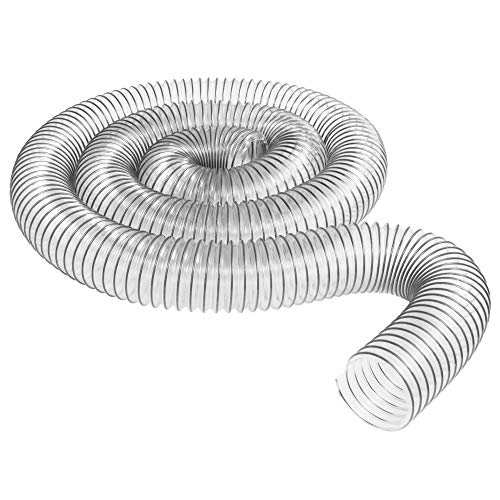
Fulton 4″ x 10′ Ultra Flex Clear-Vue PVC Hose

Fulton 2-1/2″ x 20′ PVC Dust Collection Hose

Fulton 4″ x 10′ PVC Dust Collection Hose

Elecoman 4″ x 50′ Heavy PVC Dust Collection Hose

Peachtree 2-1/2″ x 10′ PVC Dust Collection Hose

Cen-Tec Systems 30 Ft. Premium Shop Vacuum Extension Hose
The Details Behind The Selections
The Bosch 2608000565 is built specifically for the GAS 35 and GAS 55 dust extractors, two of the most common pro-grade vacuums on European and North American job sites. At 5 meters long with a 35mm internal diameter, it matches the original spec of the hose that ships with those units, so it clicks in without adapters and restores factory airflow.
For tradespeople running a Bosch extractor day in, day out, a replacement that just fits avoids downtime. A bayonet lock secures the cuff to the vacuum, and the package includes a power tool adapter so the hose doubles as a dust collection line for handheld grinders and rotary hammers.
Bright Spots
- Direct OEM fit for Bosch GAS 35 and GAS 55 extractors
- Includes a power tool adapter for dust collection at the source
- 5000mm length matches the original hose spec
- Bayonet lock keeps the cuff from loosening mid-use
Worth Noting
- Specific to Bosch GAS 35/55 models, so it will not fit other vacuums
- Distributed through the Amazon Global Store, which can affect warranty handling for some shoppers
Who It Suits Best
Tradespeople and finish carpenters already running a Bosch GAS 35 or GAS 55 who need a direct replacement or a backup hose on the truck.
Skip It When
You run a different brand of shop vac; the Cen-Tec Systems 94709 is a more flexible multi-brand option for mixed tool fleets.
The Cen-Tec 94709 turns a standard shop vac into a multi-brand dust collection hub. Sixteen feet of hose gives you enough reach to follow a miter saw across a workbench, and the Quick Click coupling at the tool end accepts a wide spread of stepped adapters.
For DIYers and small-shop owners running a mix of brands, the included adapter set eliminates the usual trial-and-error at the hardware store. You can swap between a sander, a router, and a circular saw without re-hosing the vacuum each time.
What Pays Off
- Sixteen-foot reach covers most garage and basement layouts
- Expanded multi-brand adapter set covers the major power tool brands
- Quick Click coupling speeds up tool changes
- Pulls double duty as a regular shop vac hose when dust collection is not needed
Trade Offs
- Sixteen feet can kink if you route it around tight corners, so plan your path
- Adapter storage is the user’s responsibility; the kit does not include a case
Quick Facts
Made For
DIYers and hobbyists who run a mixed-brand tool fleet and want one hose setup to cover all of them.
Consider Something Else When
You need a 30-foot reach for cleaning a basement or two-car garage; the Cen-Tec Systems 30 Ft. Premium Shop Vacuum Extension Hose stretches further without adapters getting in the way.
The Quick Click Dust Collection Separator is a cyclone-style pre-filter that sits between a shop vac and a power tool, catching the bulk of chips and fines before they ever reach the vacuum’s filter. It uses cyclonic action to spin debris into a recovery bin while clean air continues to the vacuum.
For shop owners who hate how often they swap a clogged filter, this accessory pays for itself in saved filters alone. The Quick Click connection pairs cleanly with the Cen-Tec 94709 hose and most standard shop vac intakes, so it drops into an existing setup.
Why It Works Well
- Captures both bulky debris and fine dust before it reaches the vacuum
- Reduces how often you replace the main vacuum filter
- Cyclonic separation extends the working life of the vacuum itself
- Quick Click design integrates with existing Cen-Tec hose setups
Points To Keep In Mind
- Adds height to the setup, so plan for clearance under benches
- The recovery bin still needs emptying between heavy sessions, which adds a step to cleanup
Right Fit For
Shop owners running a vacuum hard on sanding and routing dust who want fewer filter swaps and longer vacuum life.
Look Elsewhere When
You only need a hose and do not generate enough fine dust to justify a separator; the Fulton 4″ x 10′ Ultra Flex is a simpler dust line for basic chip collection.
The Fulton Ultra Flex Clear-Vue is a 4-inch PVC hose with a steel wire helix reinforcement, which keeps the wall from collapsing under suction while still bending around machinery. At 10 feet, it bridges the gap between a stationary dust collector and a free-standing planer or jointer without forcing you to drag the collector across the floor.
The clear PVC wall shows exactly when sawdust starts to build up, so you can catch a clog before it kills suction. Made in the USA, it also tends to run cleaner than imported PVC that can off-gas in a warm shop.
Notable Gains
- Steel wire helix prevents collapse during sustained suction
- Clear wall makes clogs visible at a glance
- 4-inch diameter matches the standard main-line size for most dust collectors
- Made in USA from domestic PVC for consistent quality
Some Limits To Know
- Ten feet is short for a large shop; you may need a second hose to reach distant tools
- PVC can stiffen in cold garages, so storage above freezing is wise
Spec Overview
Best Suited To
Woodworkers running a single-machine setup who want a flexible drop from a 4-inch main line to a planer, jointer, or wide-belt sander.
Not Your Match When
You need a 50-foot run between a collector and a far wall of tools; the Elecoman 4″ x 50′ Heavy PVC Dust Collection Hose is built for that span.
At 2-1/2 inches and 20 feet, this Fulton hose is sized for smaller dust ports on benchtop tools: router tables, drum sanders, and small planers. The clear PVC and four included thumbscrew clamps mean you can install a complete run without a separate trip to the hardware store.
For a small shop where every tool sits on its own 2-1/2″ port, this length covers almost any layout. Compared to the 4-inch Ultra Flex above, the smaller diameter trades airflow volume for tighter routing through a crowded bench area.
The Practical Payoff
- 20 feet reaches across most one-car garage shops
- Four thumbscrew clamps included for a complete install
- Clear wall shows dust buildup before suction drops
- Made in USA PVC for consistent wall thickness
Less Ideal Details
- 2-1/2″ diameter is too narrow for a full-size planer or wide-belt sander
- Long unsupported runs can sag between hangers, so plan your supports
Who Will Love This
Hobbyist woodworkers with a benchtop tool fleet that needs flexible 2-1/2″ connections from a single dust port.
A Better Fit Elsewhere
You need a 4-inch main line for larger machines; the Fulton 4″ x 10′ PVC Dust Collection Hose handles that standard port size.
This Fulton 4-inch hose is the workhorse of fixed dust collection runs. Ten feet of clear PVC with four thumbscrew clamps lets you connect a major machine to a 4-inch main line or branch duct without sourcing parts separately.
For shops running a permanent dust system, the 4-inch diameter preserves the CFM (cubic feet per minute, a measure of airflow volume) you need to keep a planer or tablesaw happy. The clear wall makes any future clog obvious, which matters once the hose disappears behind a stack of lumber.
A Favorable Mix
- Standard 4″ diameter fits most full-size dust ports
- Clamps included for immediate install
- Clear PVC simplifies troubleshooting down the road
- Ten-foot length works for a single-machine drop
Worth Bearing In Mind
- Less flexible than the Ultra Flex version, so tight bends are harder to negotiate
- Ten feet may be short for a shop with a remote dust collector
Perfect Match For
Shops with a permanent 4-inch dust main that need a short, rigid drop to a single stationary machine.
Swap It Out When
You want more flexibility around awkward tool placement; the Fulton 4″ x 10′ Ultra Flex Clear-Vue bends more easily without kinking.
The Elecoman 4-inch hose runs a full 50 feet, which lets a central dust collector reach the far corners of a two-car garage shop or a basement workspace. Heavy-gauge clear PVC holds up to sharp chips, and stainless steel clamps come in the box to terminate both ends.
For a shop with a stationary collector at one end and machines spread along two walls, 50 feet of reach is a real problem-solver. The trade-off is straight-line suction loss: long runs always reduce CFM at the tool end, so you may notice weaker pickup on the far side.
The Good Stuff
- 50-foot length covers large shops without a second hose
- Thickened PVC resists punctures from sharp chips and screws
- Stainless steel clamps included, which outlast standard steel in a damp shop
- Clear wall keeps clogs visible along the whole run
Practical Considerations
- Long hose runs reduce suction at the far end, especially with small diameter collectors
- 50 feet of coiled hose is bulky to store when not in use
Built With In Mind
Shop owners with a central dust collector feeding tools on opposite walls who need a single-span solution.
Another Choice May Suit
You only need to bridge one or two machines; the Fulton 4″ x 10′ PVC Dust Collection Hose keeps things short and rigid for a tighter run.
Peachtree’s 2-1/2 inch by 10-foot hose is a tidy drop for benchtop tools. The shorter length keeps the run close to the dust port, which preserves airflow on smaller collectors that struggle with long hose runs. Two turnkey clamps come in the box to lock the hose to the tool and the port.
For someone setting up a first dust collection system on a router table or spindle sander, the kit is a complete solution. Compared to the longer Fulton 2-1/2″ line, this one trades reach for a cleaner connection right at the bench.
Useful Strengths
- Short 10-foot run keeps airflow strong on small collectors
- Includes two turnkey clamps for immediate install
- 2-1/2″ diameter fits standard benchtop tool ports
- Compact size stores easily on a hook between sessions
Possible Compromises
- Ten feet is too short for any tool set away from the dust port
- Clear PVC shows clogs but offers no reinforcement against heavy chip impact
Who Should Grab It
First-time dust collection users with a single benchtop tool who want a clean, no-fuss install right out of the box.
Where Another Pick Suits Better
You need a longer reach to a stationary tool across the shop; the Fulton 2-1/2″ x 20′ PVC Dust Collection Hose doubles the working distance.
The Cen-Tec 30-foot extension hose is built for shop vac cleanup, not dust collection. A 1.25-inch internal diameter with a curved end fits standard wet/dry vac wands, and a crushproof construction keeps the line open when you roll a workbench over it.
For homeowners and garage tinkerers who keep tripping over a short hose, 30 feet of reach changes the cleanup rhythm. You can vacuum the whole basement without unplugging mid-job, and the included tank adapters cover Shop-Vac, Vacmaster, Ridgid, Craftsman, Dewalt, John Deere, Workshop, Fein, Stanley, and Porter-Cable models.
A Few Strong Suits
- Thirty feet of reach covers full garages and basements
- Crushproof construction survives being run over and stepped on
- Two tank adapters cover a wide range of major shop vac brands
- 1.25″ curved end fits standard vacuum wands and tools
Honest Caveats
- Designed as an extension hose, not a primary dust collection line, so suction at 30 feet is weaker than a shorter setup
- The smooth interior helps airflow, but long runs still cost you CFM at the nozzle
Feature Snapshot
Whose Shelf It Belongs On
Homeowners and weekend tinkerers who want a long-reach shop vac hose for whole-room cleanup without dragging the vacuum around.
Reach For A Different Pick When
You need dust collection at the tool, not just floor cleanup; the Cen-Tec Systems 94709 Quick Click hose is purpose-built for power tool dust extraction.
Choosing The Right Shop Vac Hose Setup
Hoses look interchangeable until you start a job and the wrong one wastes an hour. The first thing to settle is the job itself: dust collection at the tool, or general shop vac cleanup. Tool-side dust collection wants a smaller diameter (1.25″ to 2.5″) with a power-tool adapter or a stepped cuff, while shop vac cleanup runs on the wet/dry vac’s standard 1.25″ or 2.5″ cuff.
Diameter matters more than length once you move past ten feet. A 4-inch line moves far more CFM than a 2-1/2″ line, which is why planers and wide-belt sanders always feed off a 4″ main. A 1.25″ hose handles the chips and crumbs of a miter saw, but it will starve a dust collector that expects 4″ of inlet.
Length is a real-world trade-off, not just a number. Every extra foot of hose drops suction at the tool end, especially on smaller collectors. Measure the run from the collector to the farthest tool, add a foot for routing slack, and stop there. A 50-foot hose sounds generous until you wonder why your planer is leaving a trail of chips.
Material shapes ownership. Clear PVC shows clogs the moment they form, which is a real time-saver on a hidden run. Reinforced PVC with a steel wire helix keeps the wall from collapsing under sustained suction. Crushed hoses look fine on the outside and silently kill your CFM, so crushproof construction is worth a small premium on any hose you actually walk on.
What To Watch Before You Click Buy
Where Shoppers Go Wrong
The most common mistake is matching the hose to the vacuum, not the tool. A shop vac hose that fits the tank may be useless at the tool end without the right adapter. Before ordering, confirm the diameter at both ends, the cuff style on the tool, and whether the tool has a dust port or expects a shroud. Skipping that step is how people end up with a hose that attaches to the vacuum and nothing else.
A second trap is overestimating length. A 50-foot hose is not always better than a 20-foot hose. Longer runs drop suction, kink more easily, and cost more. For a single-tool setup, the shortest hose that comfortably reaches is the right answer.
When Paying More Pays Off
Higher-tier hoses earn their keep in three places: crushproof construction, reinforced walls, and OEM fit. A genuine Bosch hose costs more than a generic replacement, but it clicks onto a Bosch extractor without adapters and holds up to daily job site abuse. Clear reinforced PVC costs more than opaque imported hose, yet the ability to spot a clog before it kills suction saves a lot of frustration.
For most DIYers, mid-range clear PVC with the right diameter and length is the smart play. For tradespeople running a vacuum every day, the OEM or crushproof upgrade is worth the small premium because downtime is the real cost.
Frequently Asked Questions
What diameter shop vac hose do most people need?
A 1.25-inch hose covers most shop vac cleanup and light power tool dust collection, while 2-1/2 inch hoses suit benchtop tools and small dust ports. Planers, jointers, and wide-belt sanders usually need a 4-inch main line.
Can one shop vac hose work with multiple power tool brands?
Yes, kits like the Cen-Tec 94709 include stepped adapters that fit a wide range of major brands. The Quick Click coupling at the tool end is the key feature, since it accepts different adapter sleeves without re-hosing.
How long should a shop vac hose be?
For a single-tool setup, the shortest hose that comfortably reaches is the right choice, since long runs reduce suction. A 16 to 30-foot extension hose is enough for most home and shop cleanup, and longer runs above 30 feet are best for fixed dust collection systems.
Do clear PVC hoses really help spot clogs?
Yes, the transparent wall makes it easy to see when sawdust starts to back up. That early warning lets you clear a clog before suction drops, which protects the vacuum and the tool.
Are OEM replacement hoses worth the extra cost?
For tools you use every day, OEM hoses tend to fit perfectly and last longer than generic replacements. For occasional use, a quality aftermarket hose with the right diameter and adapters usually gets the job done.




