


Construction cleanup eats ordinary vacuums alive. Dust from drywall, sharp offcuts of wood, wet slurry from core drilling, and metal shavings from angle grinders all hit a job site on the same morning, and they clog, scratch, or fry the wrong machine in minutes. You need a wet/dry shop vac built for the abuse, with enough tank volume to keep you from dumping it every ten minutes, sealed switches for the inevitable splash, and casters that actually roll over subfloor and gravel. This roundup walks through nine solid candidates worth a look, ranging from compact cordless models you can grab with one hand to 16-gallon tanks built for renovation-scale debris.
The Essentials At A Glance
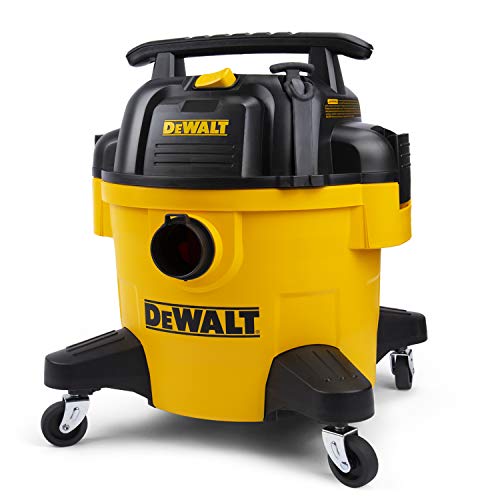
DEWALT Shop Vacuum 6 Gal 4 HP Poly Wet/Dry Vacuum
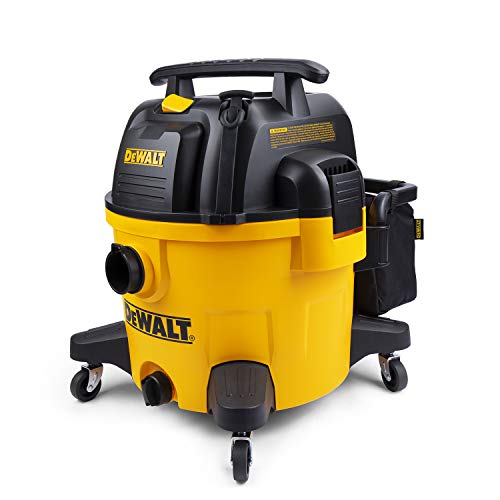
DEWALT 9 Gallon Poly Wet/Dry Vac 5 HP
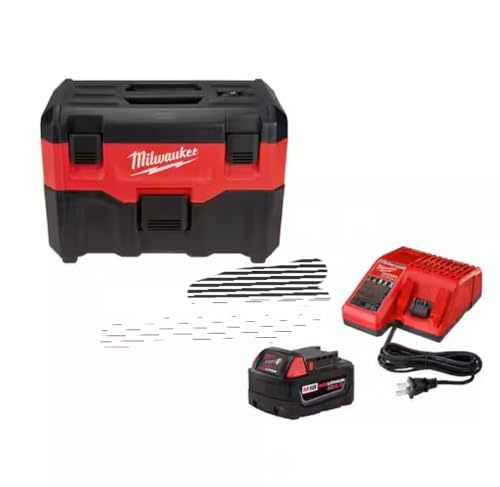
Milwaukee 0880-20P M18 Wet/Dry Vacuum Kit

Shop-Vac 5801411 14-Gallon 5.5 Peak HP Wet/Dry Vac

Ridgid WD4070 4 Gallon Portable Vacuum

CRAFTSMAN 16 Gallon 6.5 Peak HP Wet/Dry Vac

Milwaukee 0880-20 18-Volt Cordless Wet/Dry Vacuum
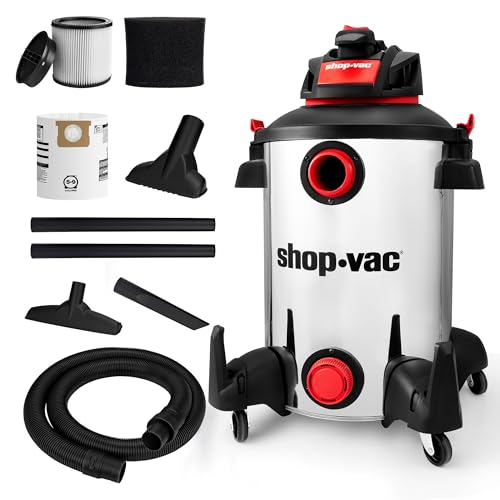
Shop-Vac 5761311 12-Gallon 6 Peak HP Wet/Dry Vac

Shop-Vac 5761011 10 Gallon 4.5 Peak HP Wet/Dry Vac
Meet The Standout Selections
The DEWALT 6-gallon wet/dry vac hits a sweet spot for finish carpenters, trim installers, and remodelers who need real suction without hauling a full-size tank across a job. Its 4 HP motor pulls drywall dust, sawdust, and small wet spills with confidence, and the rear blower port doubles the machine as a leaf and debris clearer around the trailer.
Rubberized casters make the difference on rough subfloor, rolling smoothly over seams and shim piles instead of catching like hard plastic wheels tend to. Poly tank construction keeps the weight manageable at this size, so lugging it up a stair tower does not feel like a workout. The filter swaps in seconds without tools, which matters when wet and dry pickups alternate.
Strengths Worth Knowing
- 4 HP motor delivers enough suction for drywall dust, small wet spills, and post-cut debris in one pass.
- Rear blower port turns the vac into a clearing tool for sawdust piles and sidewalk grit.
- Rubberized casters roll over rough subfloor, extension cords, and shim stacks without snagging.
- Poly tank keeps overall weight low enough for one-person carry between floors.
- Compact 6-gallon footprint fits in tight work vans and behind door frames on active sites.
Things To Consider
- 6-gallon capacity fills up quickly during large demolition phases, so expect frequent dumps.
- Owners commonly note the hose diameter is on the smaller side, which can clog with chunky debris.
At A Glance
Best Suited To
Finish carpenters, remodelers, and serious DIYers who need a manageable wet/dry shop vac for trim-out and small-scale renovation tasks.
Look Elsewhere When
Full-day demolition work calls for the DEWALT 9 Gallon Poly Wet/Dry Vac, which offers a larger tank and longer runtime between dumps.
The DEWALT 9-gallon wet/dry vac steps up the capacity and the motor from the 6-gallon sibling, giving job crews more runtime between empties and stronger pull on stubborn debris. The 5 HP motor chews through drywall compound, sawdust, and small chunks of broken tile without bogging down mid-task.
Large rear wheels and a sturdy top handle make the difference on rough terrain, rolling across gravel driveways, plywood walkways, and threshold lips that would stop smaller casters. The water-resistant on/off switch stays functional after a splash, a small detail that pays off on wet-cut tile or plumbing rough-in days. A built-in 20-foot cord and accessory bag keep attachments organized on a busy site.
What Helps Most
- 5 HP motor outmuscles smaller vacs on heavy drywall dust and chunky debris.
- 9-gallon tank extends runtime during multi-hour cleanup phases.
- Water-resistant on/off switch holds up to splashes and damp hands.
- Built-in 20-foot power cord reaches across large rooms without an extension.
- Accessory bag keeps nozzles and wands together at the back of the truck.
Honest Caveats
- Poly tank resists dents but can scratch visibly after a season of jobsite abuse.
- 9-gallon size gains weight fast when full, so plan a drain path before wet pickups.
- Filter maintenance is the same chore as any shop vac, check it before each major session.
Who Should Grab It
Job site carpenters, renovation crews, and serious DIY remodelers running all-day cleanup on medium to large residential projects.
Skip It When
Quick finish trim work fits the DEWALT 6 Gal 4 HP model better, since the smaller footprint is easier to haul up a stair tower.
The Milwaukee 0880-20P M18 cordless wet/dry vac is the right answer when reaching for an outlet kills productivity. Running on any M18 slide-on battery, it cleans up sawdust, small spills, and drywall dust anywhere a crew works: attic eaves, finished basements, occupied homes where cords are trip hazards.
The stackable toolbox design earns real space in the truck, locking onto Packout-style stacks or sitting flat on a shelf. Onboard storage keeps the hose, utility nozzle, and crevice tool together, so nothing rolls under the seat. Run time depends on the battery you pair, with longer sessions possible on the larger amp-hour packs.
Standout Benefits
- Cordless operation means no extension cord, no tripping hazard on finished floors.
- Works with any Milwaukee M18 slide-on battery already in your kit.
- Stackable toolbox footprint integrates with existing Milwaukee storage systems.
- Onboard hose and nozzle storage keeps attachments from getting lost in the truck.
Worth Noting
- Suction and tank size cannot match corded shop vacs, so this is a spot-cleanup tool, not a whole-room workhorse.
- Battery and charger sold separately add to total cost if you do not own the M18 platform.
Quick Facts
Made For
Cordless tool users, finish contractors, and remodelers working in finished spaces where tripping hazards and outlet scarcity matter.
Consider Something Else When
All-day demolition calls for the CRAFTSMAN 16 Gallon 6.5 Peak HP vac, which offers the tank volume and airflow for sustained heavy cleanup.
The Shop-Vac 14-gallon wet/dry vac brings real capacity to flood restoration, basement cleanouts, and post-demolition phases where you need to keep going without stopping to empty the drum. SVX2 motor technology is the headline here, promising more power and longer motor life than older Shop-Vac designs.
The rear blower port is a genuine three-in-one tool, switching the unit from vacuum to blower to drain mode without swapping parts. Compare that to the smaller DEWALT 6-gallon, which handles light finishes, this one targets the heavier end of residential work. Large rear wheels and a front caster keep it stable on debris-strewn floors.
The Upside
- 14-gallon tank handles large wet pickups, basement floods, and post-demolition debris without constant emptying.
- SVX2 motor technology extends motor life under heavy use.
- Three-function design: vacuum, blower, and drain mode in one unit.
- Rear blower port clears sawdust piles and yard debris without extra equipment.
Trade Offs
- 14-gallon size demands significant floor space and weighs more when full.
- Larger footprint is harder to maneuver in tight cabinetry or stair landings.
Right Fit For
Restoration contractors, basement remodelers, and homeowners tackling flood cleanup or large-scale post-demolition debris removal.
A Better Fit Elsewhere
Single-room renovation work suits the Shop-Vac 5761011 10-gallon model, which offers similar capability in a more manageable package.
The Ridgid WD4070 earns its place in this roundup because, at around 12 pounds, it is the vac you actually carry up the ladder instead of leaving at the truck. A 4-gallon tank sounds small next to the 16-gallon CRAFTSMAN further down this list, but for trim work, punch-list cleaning, and small wet pickups, that size is a feature, not a limitation.
The large carry handle and rear wheels plus casters make it easy to drag across carpet, thresholds, and rough subfloor without the hose yanking it off balance. A locking Tug-A-Long hose stays put while you reposition the unit, which is the kind of detail that saves real frustration during repeated pickups.
Practical Advantages
- Around 12 pounds makes this one of the lightest wet/dry shop vacs in the category.
- Large carry handle supports one-handed transport up ladders and stairs.
- Locking Tug-A-Long hose stays connected while you reposition the unit.
- Rear wheels plus casters roll across carpet, thresholds, and rough subfloor.
Room For Improvement
- 4-gallon capacity fills up fast on drywall dust or wet slurry.
- Not built for sustained all-day use on large renovation phases.
Key Product Details
Whose Shelf It Belongs On
Trades who climb ladders all day, punch-list cleaners, and homeowners who want a grab-and-go shop vac without the bulk.
Reach For A Different Pick When
The DEWALT 9-gallon 5 HP vac suits crews tackling all-day demolition, where the larger tank and stronger motor earn their keep.
The CRAFTSMAN 16-gallon wet/dry vac is the heavy-hitter of this list, a 6.5 peak HP motor paired with a 16-gallon tank built for the worst day on the site. Large-scale renovations, gut-rehab rooms, garage rebuilds, and post-flood cleanup all fit this machine’s profile. It eats debris that would choke smaller vacs.
The 2-1/2-inch hose diameter is a step up from the typical 1-1/4-inch shop vac hose, allowing chunky debris, broken tile, and wood scraps to pass through without clogging. Car, utility, and wet nozzles come in the box, so it is ready to switch between tasks without buying extras. The drain port on this size tank is not optional; you will use it.
Where It Helps
- 6.5 peak HP motor handles the heaviest residential debris without bogging down.
- 16-gallon tank extends cleanup sessions between dumps during large projects.
- 2-1/2-inch hose diameter clears chunky debris that clogs smaller hoses.
- Multiple nozzles included for car interiors, utility work, and wet pickups.
Factors To Consider
- 16-gallon size is heavy even empty, so plan placement before starting cleanup.
- Bulkier footprint demands dedicated storage space in the shop or trailer.
- Larger tank means longer drain and rinse cycles during wet pickups.
Feature Snapshot
Who Will Love This
Contractors running full-room renovations, garage rebuilds, and post-flood restoration work where tank capacity and motor power define the day.
Swap It Out When
Quick punch-list work fits the Ridgid WD4070 4-gallon better, since hauling a 16-gallon vac up a ladder is rarely worth the effort.
The Milwaukee 0880-20 cordless wet/dry vac runs on any Milwaukee 18V slide-on battery, including older NiCd packs and current Li-ion, which makes it friendly to long-time Milwaukee owners. It is the go-to when an outlet is across the room and a 50-foot cord is not worth the trip.
The toolbox design keeps it organized in the truck, with on-board accessory and hose storage so you are not digging behind the seat for a crevice tool at 7 a.m. A built-in blower port and reusable wet/dry filter add genuine versatility, and the included components cover common jobs without a trip to the store.
Notable Gains
- Works on any Milwaukee 18V slide-on battery, including older NiCd packs already in the shop.
- Toolbox design simplifies transport in and out of the truck.
- Built-in blower port clears sawdust and small debris piles without extra equipment.
- Reusable wet/dry filter cuts down on consumable replacement costs.
Small Caveats
- Smaller tank and lower airflow compared to full-size corded shop vacs.
- Runtime depends on the battery you pair, so larger amp-hour packs are worth the upgrade for extended jobs.
Built With In Mind
Milwaukee tool owners, finish trim crews, and remodelers working in finished spaces who already carry 18V batteries to every site.
Not Your Match When
Sustained heavy debris removal calls for the CRAFTSMAN 16-gallon 6.5 peak HP vac, where corded power and tank volume win the day.
The Shop-Vac 12-gallon wet/dry vac sits in the comfortable middle of the category: large enough for garage and workshop use, light enough to roll out for the occasional car interior. Its 6 peak HP motor with 100 CFM airflow puts it in stronger territory than the smaller Shop-Vac models without jumping to the bulk of the 14-gallon.
Positive lid latches and a tank drain are the practical touches that show up after a season of use, when lesser latches crack and you end up with a wet floor and a swear jar. Onboard cord and accessory storage keep the rear of the truck tidy, and 1-1/2-inch accessories are the standard size, so replacements and upgrades are easy to find.
A Few Strong Suits
- 12-gallon tank balances capacity and maneuverability for garage and shop use.
- 6 peak HP motor with 100 CFM airflow handles both wet and dry pickups confidently.
- Positive lid latches hold securely through heavy transport and rough handling.
- Tank drain simplifies wet-pickup cleanup without lifting a full drum.
- 1-1/2-inch accessory size means easy replacements and broad compatibility.
Less-Strong Areas
- Not as compact as 6- or 9-gallon options for ladder work.
- Filter maintenance is the same routine as any shop vac, plan on regular checks.
Perfect Match For
Garage workshops, home shop owners, and remodeling DIYers who want a versatile all-rounder with enough capacity for real projects.
Where A Sibling Pick Shines
The Shop-Vac 5761011 10-gallon model fits homeowners with lighter cleanup demands, where the smaller size is easier to store.
The Shop-Vac 5761011 10-gallon wet/dry vac rounds out the list as a versatile, mid-size option for DIYers and home workshop users. The 4.5 peak HP motor with 90 CFM airflow drives a three-in-one function: wet pickup, dry pickup, and blower. That versatility makes it a sensible shop center of gravity for basements, garages, and vehicles.
The 7-foot Lock-On hose is a useful detail, staying attached during positioning so you can move the unit without losing suction mid-task. Compare that to the cordless Milwaukee 0880-20 above, which trades tank capacity for portability, this one targets a different shopper entirely: the one who parks it in a corner and rolls it out for everything.
The Good Stuff
- 4.5 peak HP motor with 90 CFM airflow handles typical home and shop cleanup.
- Three-in-one design: wet pickup, dry pickup, and rear blower port.
- 7-foot Lock-On hose stays attached during repositioning.
- 10-gallon tank balances capacity and storage footprint for home workshops.
Practical Considerations
- Not built for sustained all-day professional cleanup, so it suits lighter use better.
- Filter swaps and tank cleaning follow the same shop vac maintenance routine as the rest of the list.
The Right Fit
Home DIYers, garage tinkerers, and homeowners who want a single shop vac for occasional renovation tasks, vehicle cleanup, and shop messes.
Another Choice May Suit
Daily professional use calls for the CRAFTSMAN 16-gallon 6.5 peak HP vac, where motor power and tank volume are non-negotiable.
Choosing The Right Shop Vac For Your Construction Work
Construction cleanup varies wildly by trade and project size, so the right shop vac depends on what you actually haul to the site. A trim carpenter needs a different tool than a demolition crew, and matching the machine to the work saves both time and money over the life of the tool.
Tank Size And Capacity
Tank size affects how often you stop to empty the drum. A 4- to 6-gallon model works for finish work and small spills, but the dump cycle becomes annoying fast during active demolition. Larger 12- to 16-gallon tanks extend runtime on heavy cleanup days and let you work a full room before emptying.
A practical guideline: 4 to 6 gallons for trim and punch lists, 9 to 12 gallons for general remodel work, and 14 gallons or more for full-room demolition and restoration. Cordless models sit at 2 gallons because battery weight limits capacity, and that tradeoff is worth understanding before you commit.
Suction Power And Hose Diameter
Peak HP ratings tell part of the story, but airflow (measured in CFM, or cubic feet per minute) and hose diameter matter more for real-world pickup. A 2-1/2-inch hose passes chunky debris that chokes a 1-1/4-inch hose, which is the difference between finishing drywall cleanup and stopping every minute to clear a clog.
For construction, you generally want at least 4 peak HP, and CFM ratings above 80 are a strong signal that the motor can sustain airflow through a long hose run. Without that, suction drops off at the nozzle and you end up repositioning the unit too often.
Mobility, Wheels, And Storage
Construction sites punish equipment, so caster material and wheel size change how the vac behaves over time. Rubberized casters roll smoother over subfloor seams and cords, while hard plastic wheels tend to catch and tip. Rear wheels paired with front casters give the best balance for tanks over 9 gallons.
Storage footprint matters too: cordless models stack on existing modular tool systems, mid-size vacs fit on a shelf, and 16-gallon units need a dedicated spot in the shop or trailer. Buyers who already own a battery platform should weigh that against raw specs, since the cordless Milwaukee 0880-20 or M18 kit integrate without adding a charger to the bench.
Key Considerations Across These Picks
Where Shoppers Go Wrong
The most common mistake is buying a small shop vac for a big job and expecting it to keep up. A 4-gallon tank on a demolition site means constant trips to the dump, which kills productivity and morale fast. Conversely, a 16-gallon unit is a burden on a ladder or in a tight powder room.
Another trap is ignoring hose diameter. A high-HP motor with a narrow 1-1/4-inch hose still clogs on tile chunks and wood scraps, and that frustration gets blamed on the motor instead of the hose. Match the hose to the debris you expect, and the rest of the system performs as designed.
When Paying More Pays Off
The higher-tier models in this list earn their price through motor longevity, larger sealed switches, and thicker tank walls. The CRAFTSMAN 16-gallon 6.5 peak HP vac, for instance, uses a beefier motor and a 2-1/2-inch hose that a budget model cannot match, and that translates to years of daily use rather than seasons.
A premium shop vac also tends to handle wet and dry pickups with less filter clogging, since better motors maintain airflow as the filter loads. The honest read is that if you vacuum on a job site more than a few times a month, the upgrade from a budget unit to a mid-tier or top-tier model pays back in saved time and fewer replacement parts.
Frequently Asked Questions
What size shop vac do I need for construction work?
For finish and trim work, a 4- to 6-gallon model is plenty. General remodelers should target 9 to 12 gallons, while full-room demolition and restoration work call for 14 gallons or more to avoid constant trips to empty the drum.
Can a shop vac handle wet and dry pickup?
Yes, that is the defining feature of a wet/dry shop vac. Most models in this list switch between wet and dry modes with a filter change, and the rear blower port on several picks adds a third function for clearing debris piles without a separate tool.
How important is peak HP versus airflow?
Peak HP tells you about the motor, but airflow in CFM determines how well the vac sustains suction at the nozzle. Look for at least 4 peak HP and 80 CFM or higher for construction debris, and prioritize larger hose diameters for chunky material.
Are cordless shop vacs powerful enough for construction?
Cordless models like the Milwaukee 0880-20P M18 handle spot cleanup, small wet spills, and quick pickups very well. They are not a substitute for a 12- or 16-gallon corded vac on heavy demolition, but they are the right tool for trim work, punch lists, and finished spaces where a cord is a tripping hazard.
How do I maintain a construction shop vac?
Empty the tank after every session, tap or rinse the filter before it visibly clogs, and check the hose for blockages if airflow drops. Wet pickups benefit from a quick rinse of the tank to keep residue from hardening on the interior walls, and rubber gaskets last longer if you dry the lid before latching.




