


Detailing a car is a different job than cleaning a garage. You wrestle with fine dust in seat tracks, crumbs under pedals, sand embedded in carpet, and the occasional wet spill from a drink or a door seal. A household vacuum bogs down fast, and a contractor-grade shop vac can feel like overkill when you just want clean upholstery. The right wet/dry shop vac sits in the middle: enough suction for embedded grit, a tank you can empty in a driveway, and attachments that actually reach into crevices and across tight footwells. This roundup looks at nine wet/dry vacs that handle detailing work without dragging along bulk you will not use. Tank size, hose diameter, motor strength, and the included nozzle set all factor in, and so does the practical stuff like cord length, caster behavior on a smooth garage floor, and how loud it gets while you work.
The Leading Options At A Glance

DEWALT DXV04T Portable 4 Gallon Wet/Dry Vac (Yellow)
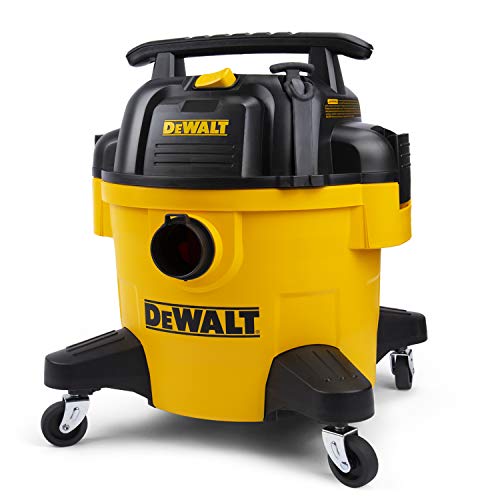
DEWALT DXV06P 6 Gallon 4 HP Poly Wet/Dry Vacuum
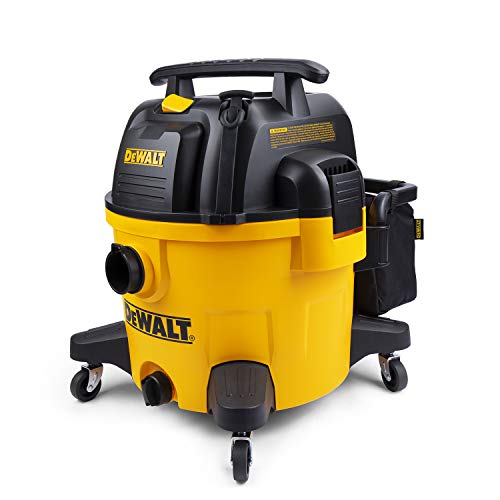
DEWALT DXV09P 9 Gallon 5 HP Wet/Dry Vac (3-in-1)
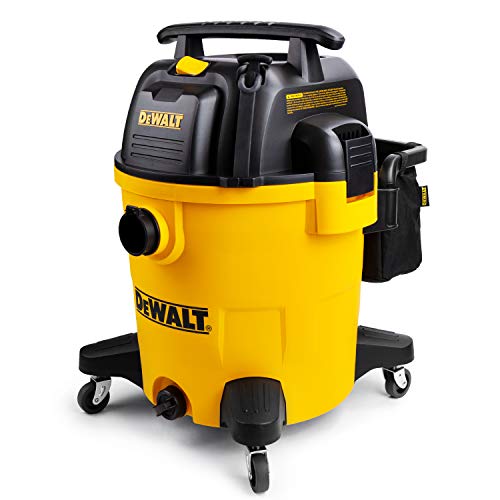
DEWALT DXV12P 12 Gallon 5.5 HP Wet/Dry Vac

DEWALT DXV10P 10 Gallon 5.5 HP Wet/Dry Vac

CRAFTSMAN CMXEVBE17250 2.5 Gallon 2.5 Peak HP Vac

Ridgid WD4070 4 Gallon Portable Vacuum

CRAFTSMAN CMXEVBE17595 16 Gallon 6.5 Peak HP Vac

Koblenz WD-9 L212 9 Gallon 5.0 PHP Wet/Dry Vac
A Closer Look At Each Pick
The DXV04T is shaped like a toolbox, which is not a marketing trick: it sits flat on a garage shelf, fits behind a workbench, and travels in a trunk without rolling around. A 4-gallon tank keeps it light enough to carry with one hand, and the carry handle is molded into the top so it never feels like an afterthought. For detailing, that matters: you can pull it out, knock out a quick vacuum of the footwells, and put it away before it becomes a project.
The 5 peak horsepower motor is a meaningful step up from a household upright, and the dust cartridge filter handles dry debris like sand and pet hair without choking. Owners commonly use the included brush attachment to lift dust off of dashboards and door panels before any wipe-down.
What Makes Sense
- Toolbox shape stores flat and fits in tight garage corners or trunks.
- Onboard accessory storage keeps the wand and nozzles from getting lost between uses.
- 5 peak HP motor pulls embedded grit out of carpet without bogging down.
- Bundled Workshop brush attachment lifts dust as it cleans, useful for dashboards.
- 4-gallon tank is enough for a full interior without mid-job emptying.
Things To Consider
- The cartridge filter is fine for dry pickup; wet messes may need a separate filter swap.
- Smaller tank means more frequent trips to the trash on a multi-car weekend.
Who It Suits Best
Solo detailers and weekend hobbyists who want a grab-and-go vac for one car at a time, without dedicating floor space to a stationary unit.
Consider Something Else When
The CRAFTSMAN CMXEVBE17250 is a better fit if you only need a quick-clean companion and want an even smaller, lighter tank for trunk storage.
Step up from the DXV04T and you land on the DXV06P, a 6-gallon poly tank that splits the difference between portable and full-size. The 4 horsepower motor pulls enough air to lift damp leaves and spilled coffee from floor mats, and the poly body shrugs off the kind of dings that come with rolling around a garage on concrete. It is a true wet/dry unit: you can pull up water without ruining the filter, then go back to dry pickup after a quick swap.
The blower function is the part that earns its keep on detailing days. After vacuuming the seats, you can flip the hose to the exhaust port and blow dust out of crevices, around pedals, and along weatherstripping before you wipe. The rubberized casters roll smoothly on a sealed garage floor and lock down when you want the unit to stay put.
The Value In It
- True wet/dry pickup with a poly tank that resists dents and chemicals.
- Built-in blower port clears dust from weatherstripping and seat rails before wiping.
- Rubberized casters swivel smoothly and stay put on smooth garage floors.
- 6-gallon tank balances capacity and footprint for one-car or two-car sessions.
Trade Offs
- Heavier than the 4-gallon DXV04T when full, so you will want to roll it rather than lift.
- Noise is in line with most 4 HP shop vacs: earplugs are not required, but a podcast may be hard to follow.
Feature Snapshot
Made For
DIY detailers working through one or two vehicles on a Saturday, who want a vacuum and a blower in a single unit.
Look Elsewhere When
The DEWALT DXV10P is a better match for enclosed garages where the two-stage motor’s quieter operation makes long sessions easier on the ears.
The DXV09P is the size most enthusiasts end up settling on, and there is a reason for that. A 9-gallon tank covers a full interior detail on a sedan or SUV without forcing you to stop and dump, and the 5 peak horsepower motor has the headroom to keep pulling air through a clogged hose when you hit a mat full of pet hair. The 3-in-1 framing is not gimmicky: it vacuums, handles wet pickup, and converts to a blower.
Around the car, that blower mode is the underrated feature. After vacuuming the carpet, you can use the exhaust to chase dust out of the HVAC vents, around the shifter boot, and along the door tracks before you pull out a brush. The large rear wheels and top handle make it manageable to roll from the garage out to a driveway setup.
Well-Handled Touches
- 9-gallon tank covers a full interior detail without mid-job emptying.
- 5 peak HP motor maintains suction through partially clogged filters or hoses.
- Water-resistant on/off switch stays reliable around damp mats and accidental splashes.
- Large rear wheels roll over thresholds and driveway cracks without catching.
- Built-in 20-foot cord reaches across most two-car garages without an extension.
Minor Gripes
- Bulkier than the 6-gallon DXV06P, so storage planning matters in a tight garage.
- Stock filter is adequate for dry debris; fine dust may benefit from an optional HEPA-style upgrade.
Best Suited To
Home detailers who work on their own car regularly and want one vac that handles a full interior, wet spills, and blowing out crevices.
A Better Fit Elsewhere
The Koblenz WD-9 L212 fits a similar capacity profile and is worth a look if you prefer a different brand ecosystem in the garage.
Once you start detailing more than one car in a session, or vacuuming out a truck bed before hauling mulch, a 12-gallon tank stops being overkill and starts being practical. The DXV12P steps up to 5.5 peak horsepower, which is the kind of headroom that matters when you are pulling wet leaves out of a trunk or chasing heavy debris out of a work boot. The poly tank resists the dings and chemical splashes that come with regular shop use.
For pure car detailing, the 20-foot built-in cord is a quiet win. You can reach around most vehicles without unplugging and replugging, and the large rear wheels and front casters let you pivot around a car without dragging the hose across the paint. The water-resistant switch is a small detail that pays off the first time you clean up a spilled cooler.
Reasons It Performs
- 12-gallon tank handles multiple vehicles before emptying.
- 5.5 peak HP motor sustains airflow through heavy debris loads.
- 20-foot built-in cord reaches around full-size vehicles without an extension.
- Poly body shrugs off garage-floor impacts and chemical contact.
Room For Improvement
- Bulk and weight make it a stationary tool, not a grab-and-go option.
- Higher noise floor than the 10-gallon DXV10P during long sessions.
Feature Snapshot
Right Fit For
Multi-car households and small detailing operations that need capacity and reach more than they need portability.
Skip It When
The DEWALT DXV04T makes more sense for solo sessions where you only ever clean one interior at a time.
Shop vacs are loud. That is the trade-off you accept for the suction. The DXV10P pushes back on that with a two-stage motor that the manufacturer rates at roughly half the noise of a single-stage unit at comparable airflow. For detailing, that is meaningful: a quieter motor means longer sessions, easier conversations with a passenger, and less stress on the ears during a Saturday deep clean in an attached garage.
The 90 CFM airflow figure translates to real pickup on carpeted floors and cloth seats, and the 5.5 horsepower rating keeps the motor from bogging down when the filter loads up. A 20-foot cord, large rear wheels, and a top-mounted accessory bag round out a thoughtful package for home use.
Features That Help
- Two-stage motor runs noticeably quieter than single-stage competitors.
- 90 CFM airflow lifts embedded debris from carpet and cloth seats.
- 20-foot built-in cord reaches across most garages without an extension.
- Accessory bag keeps nozzles and wands together between uses.
Soft Spots
- Quieter operation still does not match a household vacuum; hearing protection is a smart call.
- 10-gallon tank is a step down from the 12-gallon DXV12P for multi-car work.
Who Should Grab It
Detailing enthusiasts with attached or enclosed garages who want the most usable motor sound without giving up real shop-vac suction.
Another Choice May Suit
The DEWALT DXV06P is the right call if you do most of your work in an open driveway and care more about portability than noise.
Sometimes you do not need a 9-gallon tank. You need something small enough to live in a trunk, light enough to grab with one hand, and strong enough to clear sand out of a footwell after a beach day. The CRAFTSMAN CMXEVBE17250 is built for exactly that scale. The 2.5-gallon poly tank is genuinely portable, and the 2.5 peak horsepower motor punches above what the size suggests on light debris.
It also functions as a blower, which makes it handy for dusting off a porch or chasing leaves off a patio. The crevice tool reaches down the sides of seats and along the center console, and the utility nozzle handles broader carpet areas. Owners commonly note that the small footprint is the main reason they reach for it: it stores in a closet, on a shelf, or behind a seat.
A Favorable Mix
- 2.5-gallon tank is genuinely portable, easy to store and carry.
- Blower function adds versatility beyond vacuuming.
- Crevice tool reaches tight spots along seat rails and consoles.
- Lower price point than larger units in the lineup.
Worth Noting
- Smaller tank means more frequent emptying on a full interior.
- 2.5 peak HP is enough for routine cleanup but not for heavy, caked-in debris.
- Stock filter can clog quickly with fine dust; plan on tapping it out between uses.
Perfect Match For
Casual drivers and apartment dwellers who want a compact vac for spot cleans and quick interior refreshes without dedicating garage space.
Reach For A Different Pick When
The Ridgid WD4070 is a stronger fit if you want a 4-gallon tank that still rolls easily and offers a locking hose for longer runs.
The Ridgid WD4070 has been a shop staple for years, and the design shows it. At roughly 12 pounds, it is light enough to grab and carry to a vehicle without dragging out a cart, and the 4-gallon tank covers a typical interior detail in a single fill. The Tug-A-Long locking hose is a detail that earns its keep: the hose stays connected when you pull, so you are not constantly reattaching it mid-job.
Large rear wheels and front casters help it roll across carpeted shop floors, garage thresholds, and rough concrete without tipping. That mobility matters when you are moving between a workbench, a driveway, and a car bay. The included accessories cover the basics for car interior work, and the build quality is the kind that holds up to being knocked around in a busy shop.
Points In Its Favor
- Locking hose stays connected during long pulls across a vehicle.
- 12-pound carry weight is manageable for one person.
- Rear wheels and casters handle thresholds and rough shop floors.
- Proven durable design that holds up to regular shop use.
Practical Considerations
- Smaller tank means more frequent emptying on larger vehicles.
- Older design lacks some of the modern convenience features found on newer DEWALT models.
Feature Snapshot
Whose Shelf It Belongs On
Shops and shared workspaces where a durable, no-frills shop vac needs to survive regular use by more than one person.
Swap It Out When
The DEWALT DXV04T is a sensible alternative if you prefer onboard accessory storage and a slightly more modern hose and wand setup.
The CRAFTSMAN CMXEVBE17595 sits at the heavy-duty end of the line, and you feel the difference the moment you plug it in. The 6.5 peak horsepower motor moves serious air, the 2.5-inch diameter hose is wider than the standard 1.25-inch shop vac hose, and the 16-gallon tank swallows full interior details, small renovation debris, and workshop cleanup without breaking a sweat. The included car nozzle, utility nozzle, and wet nozzle cover the most common detailing tasks without needing a separate adapter.
For a home detailer with a serious hobby or a side business, this is the kind of tool that replaces a closet full of lesser vacuums. The 2.5-inch hose also means less clogging when pulling up pet hair, sand, and the kind of debris that chokes a standard shop vac hose. Just plan for the size: a 16-gallon tank is a stationary tool in most home garages.
Useful Touches
- 6.5 peak HP motor handles heavy debris and wet pickup without slowing.
- 2.5-inch diameter hose resists clogging on pet hair and sand.
- 16-gallon tank covers large cleanups and multi-vehicle sessions.
- Car, utility, and wet nozzles included for detailing work.
Honest Caveats
- Size and weight make it a stationary tool, not a portable one.
- Higher price point than smaller units, justified mainly by capacity and hose size.
- Stock filter media is general-purpose; fine dust work may need an upgraded filter.
Feature Snapshot
Who Will Love This
Serious detailing hobbyists and small-shop operators who want a single heavy-duty vac that handles interiors, wet messes, and workshop debris.
Not Your Match When
The DEWALT DXV06P is a better fit if you do not need the wide hose and want something you can still lift into a vehicle.
The Koblenz WD-9 L212 is a 9-gallon polypropylene wet/dry vac that competes on the same turf as the DEWALT DXV09P, with a focus on sustained suction through a long hose run. The 5.0 peak horsepower motor pulls well through the included hose, and the poly tank shrugs off the chemical splashes and physical bumps that come with regular garage use. Wet, dry, and blower modes cover the main detailing scenarios without needing a second tool.
For driveway detailing, the long reach matters. You can park a car, leave the vac near the garage door, and still reach the front seats, the rear cargo area, and the floor mats without dragging the unit across the driveway. The caster setup rolls smoothly on concrete, and the top handle makes it manageable to reposition between sessions.
Standout Benefits
- 9-gallon poly tank handles wet and dry pickup without corrosion.
- 5.0 peak HP motor sustains airflow through longer hose runs.
- Blower mode clears debris from crevices and weatherstripping.
- Long reach supports driveway and garage detailing setups.
Points To Note
- Stock filter is general-purpose; fine dust may need a secondary filter.
- Brand ecosystem is smaller than DEWALT or CRAFTSMAN if you already own attachments.
Feature Snapshot
Built With In Mind
Driveway detailers who want a 9-gallon workhorse with wet/dry/blower coverage and a long reach from a stationary spot.
Where A Sibling Pick Shines
The DEWALT DXV09P is a sensible alternative if you already own DEWALT accessories and want the matching brand ecosystem in your garage.
Picking The Right Wet/Dry Vac For Car Detailing
Detailing a vehicle puts a wet/dry vac through a different kind of work than a job site or a workshop. The motor needs enough airflow to pull grit out of carpet loops without choking on a half-loaded filter. The tank needs to hold a full interior’s worth of debris without forcing a mid-job dump. The hose needs to reach from a parked car to wherever the vac lives, often through a garage doorway or across a driveway. The attachments matter too: a wide utility nozzle covers carpeted areas quickly, a crevice tool slips between seats, and a soft brush keeps plastic trim from getting scratched.
For solo home detailers, a 4 to 9 gallon tank usually covers a full interior without feeling like overkill. Blower mode is the underrated feature: it pushes dust out of seat rails, HVAC vents, and door tracks before you wipe, which cuts down on smearing. Poly tanks resist the chemicals in interior cleaners and the dents from being rolled across a concrete floor, which matters over years of use. Cord length is the other quiet win: a 20-foot cord reaches around most vehicles without forcing you to unplug and replug, and a long hose extends your reach when the unit stays near the garage door. Match those attributes to the size of the vehicles you detail and the space you have to work in, and the right vac usually becomes obvious.
Suction And Motor Power
Peak horsepower gets quoted on every box, but the number that actually changes how a vac performs is airflow, usually measured in CFM (cubic feet per minute). Higher CFM means the motor can sustain pull through a long hose, a partially loaded filter, or a wet mess. For embedded carpet grit, 80 to 90 CFM is a comfortable range; anything below that starts to feel like a household vacuum.
Tank Size And Footprint
A 4-gallon tank covers a quick interior refresh. A 6 to 9 gallon tank covers a full detail on a sedan or SUV without mid-job emptying. A 12 to 16 gallon tank is built for multi-vehicle sessions or workshops that double as detailing bays. The trade-off is storage: a larger tank takes up floor space, and a full tank is heavy to lift. For most home use, 6 to 9 gallons is the practical middle.
Attachments And Hose Diameter
Standard 1.25-inch shop vac hoses are fine for general cleanup but clog more easily on pet hair and sand. A 2.5-inch hose moves more air and resists clogging, which matters when you are pulling debris out of car mats and cloth seats. Look for a kit that includes a crevice tool, a utility nozzle, and a soft brush; those three cover the majority of detailing work.
Key Considerations Across These Picks
Common Shopping Slip Ups
The most frequent mistake is buying a tank that is too large for the space you have. A 16-gallon vac is impressive on paper, but it becomes a permanent floor obstacle in a single-car garage. The flip side is also true: a 2.5-gallon tank that seemed “cute” in the store ends up needing three empties during a full interior. Match the tank to the work.
Another trap is overlooking the hose diameter. Standard 1.25-inch hoses work for most jobs, but pet owners and beachgoers will fight constant clogs. A 2.5-inch hose is a meaningful upgrade for those use cases.
Where The Extra Money Goes
The price jump from a 4-gallon to a 9-gallon vac is mostly tank size, motor power, and cord length. The price jump from a 9-gallon to a 12 or 16 gallon vac adds capacity but also bulk, weight, and noise. The price jump to a two-stage motor (like the DXV10P) buys quieter operation and a longer motor life, which is worth it for enclosed garages.
For most home detailers, the meaningful upgrades are wet/dry capability, blower mode, and a long cord. Poly tanks over steel are worth the modest upcharge for chemical and dent resistance. HEPA-grade filters are a niche upgrade for fine dust work; most home detailers do not need them.
Frequently Asked Questions
What size shop vac is best for car detailing?
For most home detailers, a 6 to 9 gallon tank covers a full interior detail in a single session without forcing a mid-job dump. A 4-gallon tank works for quick touch-ups, and a 12 to 16 gallon tank is built for multi-vehicle or small-shop use.
Can a wet/dry vac pick up water from a car interior?
Yes, as long as the filter is rated for wet pickup or you swap to a foam or wet-use filter. Always check the tank capacity and empty before reaching the fill line; most shop vacs have a float shutoff that protects the motor.
Is blower mode useful for car detailing?
It is one of the most useful features. After vacuuming, you can use the exhaust to chase dust out of seat rails, HVAC vents, and door tracks before wiping. That cuts down on smearing and speeds up the overall detail.
How important is hose diameter?
It matters more than most people expect. A standard 1.25-inch hose works for general cleanup, but a 2.5-inch hose moves more air and resists clogging on pet hair, sand, and the kind of debris that collects in car mats.
Do I need a HEPA filter for car detailing?
Not for routine work. A standard cartridge filter handles sand, crumbs, and pet hair without issue. HEPA filters are worth the upgrade for fine dust and allergy-sensitive environments, but most home detailers will not notice the difference.




