


A crisp edge along a driveway or flower bed is the difference between a yard that looks cared for and one that just exists. Most folks grab whatever flat-bladed spade leans against the shed wall, then wonder why the cut wobbles or why their lower back is angry by lunchtime. The right tool changes that, pairing a narrow profile with leverage and a tip that actually bites into compacted soil. This list rounds up eight edgers built around that idea, from heavy root-slayers to compact trenching options.
A Closer Look At The Lineup

Root Slayer 22011 Garden Shovel (Red)

HANTOP Sharp Blade Flat Spade Shovel

HANTOP Mini Round Digging Shovel (28″)

HANTOP 4-in Trench Shovel 57″ Fiberglass

HANTOP Sawtooth Blade Round Garden Shovel
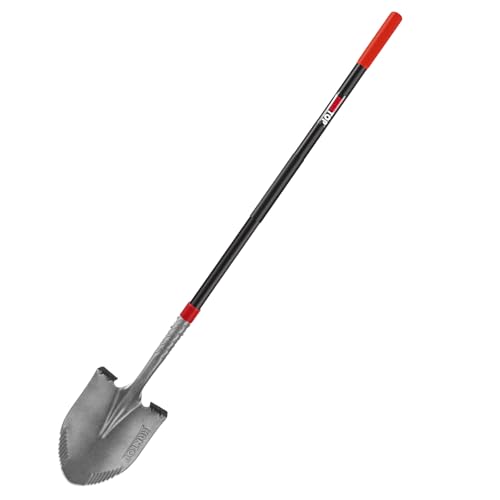
HANTOP Round Digging Shovel 58″

HANTOP Drain Spade Shovel 44″ Fiberglass

HANTOP All-Metal Serrated Root Saw Spade
A Closer Look At Each Pick
The Root Slayer 22011 is the kind of tool that earns its name in the first five minutes of use. Its inverted V-shaped cutting tip acts almost like a hatchet, slicing through roots that would deflect a flat spade and turning stubborn ground into workable soil. For edging along a tree line or a shrub border, that cutting action matters: you get a defined trench instead of a ragged tear.
The ergonomic shaft is shaped to keep your wrist in a neutral position, which becomes a genuine benefit during a long session of working through clay or compacted topsoil. Owners commonly report less hand fatigue compared to a straight-handled spade, and the serrated edges do most of the work for you. For a one-tool approach in a yard full of roots, this is a confident starting place.
Real-World Strengths
- Inverted V cutting tip slices through roots up to a couple of inches across without switching tools.
- Serrated edges along the blade keep cutting as the blade wears, extending useful life.
- Ergonomic handle geometry reduces wrist strain during long edging sessions.
- Doubles as a digging and transplanting tool around the rest of the garden.
Things To Consider
- Heavier than a plain flat spade, so shorter sessions keep fatigue manageable.
- Specialized tip shape takes a little practice to control in shallow decorative cuts.
Who It Suits Best
Homeowners edging along mature tree roots or working in compacted, root-heavy soil who want one tool that cuts instead of just pushing dirt aside.
Skip It When
The HANTOP Mini Round Digging Shovel (28″) is a smarter match for gardeners edging tight raised beds where reach matters more than root-cutting power.
The HANTOP flat spade is built for the kind of clean, straight cut that defines a good lawn edge. The blade is forged from 1050MN steel, a mid-carbon grade chosen for toughness, and paired with a fiberglass shaft that shrugs off weather without the splinters or rot you get from untreated wood. At 43 inches overall, it lands in the comfortable middle for most adult users.
What separates this from a generic flat spade is the sawtooth leading edge and the widened foot steps. The teeth give the blade something to grab when the soil is dry or root-bound, while the larger platform lets you push down with full body weight without the blade folding under your boot. For longer driveway borders, the geometry pays off in fewer re-cuts and a tidier line.
Where It Excels
- Sawtooth edge bites into hard or dry soil where a plain blade skates across the surface.
- Fiberglass handle stays stable in cold and wet conditions without splitting or rusting.
- Widened foot platforms let you apply more force with less foot fatigue.
- Flat profile produces the straight, vertical wall that defines a crisp edge.
Points To Note
- At 4.5 pounds, it is moderately heavy, so pacing matters on a long border.
- PP grip can feel slick with wet gloves; a textured work glove helps.
Made For
Homeowners laying down a clean edge along a long driveway, sidewalk, or path who value a straight, defined cut over root demolition.
Consider Something Else When
The HANTOP 4-in Trench Shovel 57″ Fiberglass is a better pick if you need a narrower cut for irrigation runs or shallow cable trenches.
Compact and surprisingly capable, the 28-inch HANTOP mini round shovel is the right scale for working close to the ground. The shorter shaft keeps the blade under your direct line of sight, which makes it easier to follow a curved edge between flagstones or around the base of a mailbox post. At 2 pounds, it disappears in the hand and stores easily in a small shed or car trunk.
Underneath that small footprint sits a 1050MN steel head with a custom sawtooth edge, the same steel spec as the larger HANTOP siblings. The round profile, meaning the blade curves inward to cradle soil, helps when you need to lift sod or work a small plug of earth without disturbing nearby plantings. For tight bed perimeters or container-adjacent cleanup, the scale is the whole point.
Everyday Wins
- Light 2-pound weight is approachable for smaller-framed users and quick touch-ups.
- Short shaft gives direct sight lines for precise curved cuts.
- Stows in a closet, car, or small garden tote.
- Round profile scoops cleanly when lifting sod plugs or transplanting small plants.
Trade Offs
- Bending posture over a long border will fatigue most adult backs.
- Smaller blade means more passes on bigger jobs.
Best Suited To
Gardeners edging tight bed perimeters, working at ground level, or wanting a portable backup for small jobs around the yard.
A Better Fit Elsewhere
The HANTOP Round Digging Shovel 58″ makes more sense for tall users who need a full-length handle for a long, straight border.
At 57 inches, the HANTOP trench shovel is built to keep you standing upright while the narrow 4-inch V-shaped blade does the cutting. The fiberglass shaft, meaning a glass-fiber-reinforced composite that resists weathering, runs the full length so you can drive the blade into hard ground using your legs instead of your back. The 4.7-pound weight is balanced toward the head, which helps the blade sink on its own once started.
The V-blade geometry is the real story. A narrow profile lets you cut close to established plants without slicing lateral roots, and the angled tip breaks soil in a way a flat spade cannot. For irrigation line installation, French drain work, or any task where you want a clean narrow channel, the trench shape earns its place. Compared to the wider HANTOP flat spade covered earlier, this is the more surgical tool.
Benefits That Matter
- Long 57-inch handle reduces bending and back strain over extended work.
- 4-inch V-blade cuts a clean channel without disturbing adjacent plants.
- Fiberglass construction requires no sealing or sanding over time.
- Pointed tip starts a cut in compacted ground where a flat spade would skate.
Worth Noting
- Narrow blade removes less material per stroke, so wider edging jobs take longer.
- Long handle can feel unwieldy for shorter users working in tight corners.
Feature Snapshot
Right Fit For
Gardeners installing irrigation lines, digging shallow drainage, or edging where preserving nearby plant roots is the priority.
Reach For A Different Pick When
The HANTOP Sawtooth Blade Round Garden Shovel handles wider borders and softer ground with fewer strokes.
The sawtooth round shovel takes the digging head from the larger HANTOP line and applies it to a more traditional round-point profile. The 1050MN steel head measures roughly 9 by 3.5 inches and weighs in at 4.7 pounds overall with the fiberglass handle attached. The teeth on the leading edge do something a plain round point cannot: they start a cut in soil that has gone hard or root-bound.
The D-shaped hand grip is a small but practical touch, giving you a defined hand position for prying and lifting without the handle twisting in your grip. The round profile scoops as it cuts, so you can clear a trench in the same pass instead of cutting then bailing with a second tool. For a lawn border where grass and feeder roots have crept in, that combination tends to save real time.
A Strong Showing
- Round-point profile scoops and clears in a single motion.
- Sawtooth edge breaks through rooty or hardened lawn edges without a separate pick.
- D-handle grip provides leverage and keeps the shaft from twisting during prying.
- 1050MN steel head matches the heavier-duty picks in the HANTOP range.
Honest Caveats
- Round shape is less efficient than a flat spade for purely vertical decorative cuts.
- Mid-range length is comfortable but not optimized for very tall users.
Key Specs
Who Should Grab It
Gardeners dealing with established lawn borders where grass rhizomes and surface roots have crept into the edge over time.
Where Another Pick Suits Better
The HANTOP All-Metal Serrated Root Saw Spade is a stronger choice when the project demands cutting through thick woody roots, not just grass rhizomes.
Extra length is the headline feature on the 58-inch HANTOP round digging shovel. The added shaft height means taller users can work from a more upright posture, with less forward bending and noticeably less lower-back strain over a long session. The 4.9-pound weight is centered through the fiberglass handle so the tool feels planted rather than tip-heavy.
The head is built from 1050 manganese steel, a formulation known for impact resistance, with a non-slip PP grip fitted at the top. The round profile suits general digging and scooping rather than purely vertical decorative cuts. For edging along a long property line or a deep garden bed, the reach and posture advantage of the longer handle tends to outweigh the trade-off in tighter curves.
The Practical Payoff
- 58-inch length keeps taller users working upright with reduced back strain.
- Manganese steel head holds up to repeated impact in clay or rocky soil.
- Non-slip PP grip stays secure in damp conditions.
- Long reach helps maintain a straight line on extended borders.
Minor Gripes
- Long shaft can be awkward in tight corners between shrubs.
- Heads up the weight class at 4.9 pounds, which some users feel late in a session.
Built With In Mind
Users above average height who want a long, comfortable handle for extended edging along property lines or deep garden beds.
Not Your Match When
The HANTOP Mini Round Digging Shovel (28″) is a better fit for gardeners working raised beds or close to the ground.
The drain spade is the narrow specialist in this lineup. At 7 inches wide and 44 inches long overall, the HANTOP drain spade is sized for tasks where a regular spade is simply too wide: transplanting perennials, cleaning out established narrow borders, or digging a starter trench for a small drainage line. The 4.4-pound head is light enough to keep control in close quarters.
The 1050MN steel head carries a sharp, narrow profile that holds an edge well in loam and soft clay. The PP grip sits at a comfortable height for most adults and stays secure when hands are wet. Compared to the trench shovel covered earlier, this one trades depth for a slightly more compact working length, which is a real advantage when you are working around existing plantings rather than starting from bare ground.
What Pays Off
- Narrow 7-inch blade slips between established plants without damaging roots.
- Light 4.4-pound total weight keeps hand and arm fatigue down.
- Steel head sharpens easily and holds an edge through a season of use.
- Mid-length 44-inch shaft fits a wide range of user heights comfortably.
Small Caveats
- Less reach than a full-length shovel, so deep trenches mean more lifting.
- Narrow profile slows you down on wide lawn-edge jobs.
Quick Facts
Whose Shelf It Belongs On
Gardeners who transplant perennials regularly or maintain narrow established borders where a wider spade would damage adjacent plantings.
Look Elsewhere When
The HANTOP Sharp Blade Flat Spade Shovel is a faster tool for laying down a fresh long edge along a driveway or sidewalk.
The HANTOP all-metal root saw spade is the most aggressive tool in this lineup. Where the other HANTOP models use a fiberglass handle for vibration damping, this one runs an oval steel handle from grip to socket. The result is a tool that takes more effort to swing but transfers force directly into the cut, which matters when the soil throws back roots instead of breaking apart. At 4.5 pounds with a 47-inch overall length, it is balanced for two-handed leverage.
The manganese steel head carries a narrow, serrated profile that doubles as a saw when you need to clear a thick root rather than slice it. The PP grip section is the only non-metal component and serves to keep the tool planted in your hand during heavy strokes. For edging where the line keeps running into established tree roots, this is the tool that finishes the job the others start.
The Value In It
- All-metal construction transfers force directly into the cut for tough root work.
- Serrated profile functions as a saw for roots too thick to chop.
- Oval steel handle resists twisting under heavy lateral load.
- Manganese steel head holds up to prying leverage in rocky ground.
Factors To Consider
- Steel-on-soil contact transmits more vibration than a fiberglass handle, so gloves help.
- Heavier feel than the fiberglass-handled HANTOP siblings, which can wear on wrists during long sessions.
Core Details
Who Will Love This
Experienced gardeners and property owners who routinely cut through established roots and want a tool built for force rather than finesse.
Swap It Out When
The Root Slayer 22011 Garden Shovel is a more comfortable everyday option for lighter edging work without constant heavy root encounters.
Picking The Right Edger For Your Yard
A flat spade gives you a clean vertical cut, a round point scoops as it cuts, and a narrow drain spade threads between existing plants. For most residential lawns, a flat or slightly rounded blade in the 43 to 58 inch range is the comfortable middle. If you are edging along trees or shrubs with feeder roots, the V-tipped sawtooth or root-saw designs save real time and frustration.
Shaft material is the other big decision. Fiberglass stays stable through weather cycles without the sealing or sanding a wood handle demands, and it dampens some vibration. A steel handle, like the one on the all-metal root saw spade, transfers more force but also more shock into your hands. Handle length should track your height: a 58-inch shaft helps taller users stay upright, while shorter gardeners often find 43 to 44 inches more controllable.
Match the blade width to the job. A 4-inch trench blade is right for narrow irrigation channels but slow on a long lawn border. A 7 to 9 inch round or flat head is the generalist sweet spot. For pure decorative cuts along a sidewalk, a flat spade produces the tidiest vertical wall.
Mistakes Worth Dodging
Buying a wide round shovel for a tight bed perimeter is the most common slip. A blade that is too wide slows you down and disturbs plants you wanted to leave alone. A narrow profile like the HANTOP drain spade moves through that space with less collateral damage.
A second trap is choosing handle length by guess. A shaft that is too long pushes the blade away from your sight line, while a shaft that is too short bends your back into the work. Test the grip height against your own torso before committing, especially if multiple household members will share the tool.
Where The Extra Money Goes
A higher tier in this category usually means upgraded steel in the head, sharper factory edges, and a longer fiberglass or composite handle. Those upgrades show up in longevity: a manganese or 1050MN steel head holds an edge through seasons of rocky soil rather than folding after a few projects.
The premium tier also tends to add a serrated or V-shaped cutting tip, which is the difference between a tool that pushes dirt and a tool that actually cuts roots. For a yard with mature trees, that cutting geometry can save hours per season and justify the step up. For a small lawn with no root pressure, a basic flat spade handles the job without the extra cost.
Frequently Asked Questions
What blade shape works best for edging a lawn?
A flat spade produces the straightest vertical cut, while a round point scoops as it cuts and works better in loose soil. For most lawn borders, a flat or slightly rounded blade gives the tidiest finished line.
How deep should an edging cut be?
A typical decorative edge runs 3 to 4 inches deep, which is enough to discourage grass from creeping into the bed. Deeper cuts are useful for irrigation lines or root barriers but require more cleanup.
Does a fiberglass handle really outlast wood?
Fiberglass resists rot, splinters, and weather cycling without sealing. In a shed that sees temperature swings, a fiberglass handle typically outlasts an untreated wood shaft by several seasons.
Can one shovel handle both edging and digging?
A flat or round spade in the 43 to 48 inch range covers most edging and general digging tasks. For heavy root work or narrow trenches, a specialized blade pays off, but a mid-length spade is a strong generalist.
How do I keep the blade sharp?
A flat file run along the original bevel every few projects keeps the edge cutting cleanly. Serrated blades need less maintenance but benefit from an occasional wire brush to clear packed soil from the teeth.




