


Spreading mulch sounds simple until you hit the third wheelbarrow and your back starts filing complaints. The right shovel turns a long Saturday into a manageable one, while the wrong blade makes every scoop feel like a workout. The picks below cover the main jobs mulch work demands: scooping from a pile, sliding under bark in a wheelbarrow, edging beds cleanly, and digging out the occasional root or transplant along the way. Each one is matched to a real scenario so you can stop comparing and start moving mulch.
A Snapshot Of The Selections


Sharp Blade Spade Shovel for Gardening

Sharp Blade Mini Round Digging Shovel 28-Inch

4-in Trench Shovel with Fiberglass Handle

Sharp Sawtooth Round Garden Shovel
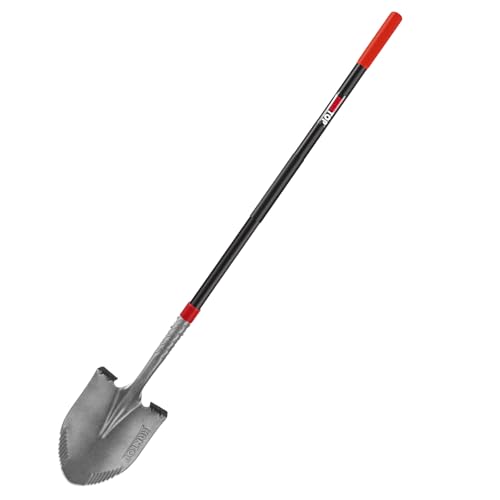
Round Digging Shovel 58-Inch Long Handle

Drain Spade Garden Shovel 44-Inch

All Metal Serrated Root Saw Spade
The Details Behind The Selections
The Root Slayer earns its name the first time it meets a stubborn root crown beneath a layer of bark mulch. Its sharpened inverted V tip slices into compacted ground and root networks that would deflect a flat spade, which matters when you’re pulling out an old shrub before re-mulching a bed. The ergonomic shape is built to reduce strain on hands and wrists during sustained digging, so a long day prepping a border feels less punishing than it would with a standard round-point shovel.
Where it fits is the gardener who treats mulch work as part of a larger bed renovation. You aren’t just scooping; you’re edging, lifting root balls, and cutting through old growth at the same time. Compared with the HANTOP flat spade below, the Root Slayer trades clean edging for serious root aggression.
Standout Benefits
- V-shaped serrated tip chews through roots that stop ordinary spades cold
- Ergonomic geometry keeps wrist fatigue manageable on multi-hour sessions
- Doubles as a saw, hatchet, and shovel in tough soil
- Reduces the muscle strain of levering out established plants
Things To Consider
- Heavier than a basic round-point, so quick mulch scooping from a pile may feel like overkill
- Aggressive tip is more than needed for purely soft, freshly turned beds
Who It Suits Best
Gardeners tackling root-heavy beds and seasonal renovations who want one blade that can dig, cut, and pry in compacted ground.
Skip It When
You mostly move bark from a pile to a bed, in which case the HANTOP round digging shovel or sawtooth spade will be faster and lighter.
The HANTOP flat spade is purpose-built for crisp bed edges and slicing through compacted soil or sod. The sawtooth leading edge penetrates hard ground that a smooth flat spade would skate across, and the widened foot steps give you a stable platform to drive it home without crushing the blade. At 43 inches long and roughly 4.5 pounds, it sits in a comfortable middle ground, long enough for decent leverage yet short enough to keep under control around established plants.
This is the kind of shovel that pairs naturally with the Root Slayer above: use the Slayers to rip out old growth, then switch to this flat blade to redefine a clean mulch edge before you spread new bark. The fiberglass handle shrugs off weather that would swell a wooden one, which matters if yours lives outside in a lean-to shed.
A Few Highlights
- Sawtooth head breaks through hardened soil and root mat
- Wide foot platforms protect boots and deliver force straight down
- 1050MN steel head resists bending in clay-heavy ground
- Fiberglass handle stays stable through wet-dry cycles
Points To Note
- Flat profile isn’t ideal for lifting loose mulch from a pile
- Shorter length than the 58-inch HANTOP option, so taller users may hunch slightly
Made For
Anyone defining clean bed lines and slicing through packed soil before laying fresh mulch, especially in mid-sized yards where edging matters.
Look Elsewhere When
Most of your work is scooping bark from a wheelbarrow, where the HANTOP sawtooth round spade will move material faster.
At 28 inches long and just 2 pounds, this mini round shovel is the lightest in the roundup, which makes it the one to grab for kneeling, ground-level, or reach-in work. Think spreading mulch under a low shrub, transplanting a perennial, or scraping out a tight corner where a full-size spade won’t fit. The 1050MN steel head still offers the same family cutting geometry as its larger HANTOP siblings, just in a more compact package.
It’s also the shovel that travels. Toss it in the trunk for a community garden plot or a trip to the cabin, and you’ll have a real digging tool rather than a folding camp toy. The trade-off is leverage: for a full cubic yard of mulch you’ll want a longer-handled option.
Advantages To Know
- Lightweight 2-pound build reduces fatigue during kneeling work
- 28-inch length fits in tight beds and travel kits
- Custom sawtooth edge handles compacted ground and small roots
- Fiberglass handle holds up to weather and rough storage
Worth Noting
- Short handle forces you to bend or kneel on big jobs
- Smaller head means more trips to move a wheelbarrow of mulch
Right Fit For
Detail-oriented gardeners who spread mulch under established plantings, work in raised beds, or want a portable spare for community plots and weekend trips.
Consider Something Else When
You’re moving bulk mulch across a large yard, where the HANTOP 58-inch round digging shovel will save your back over a full afternoon.
The 4-inch trenching shovel is a specialist, and that’s the point. Its narrow V-shaped blade cuts clean, deep channels without uprooting everything around it, which makes it the right tool for installing drip irrigation under mulch, edging a formal border, or digging a narrow transplant hole between established perennials. The 57-inch fiberglass handle means you stay mostly upright while trenching, which protects your lower back during repetitive cuts.
This isn’t a primary mulch-mover; it’s the prep tool you reach for before the bark goes down. Where the Root Slayer tears through roots aggressively, this blade makes precise, surgical cuts. For most yards, it lives alongside a general-purpose spade rather than replacing one.
Where It Delivers
- Narrow 4-inch profile works in tight rows without disturbing nearby plants
- V-shaped head drives deep into varied soil types
- Long 57-inch handle reduces bending during extended trenching
- Fiberglass construction stays dimensionally stable in damp sheds
Trade Offs
- Specialized shape moves very little mulch per scoop
- At 4.7 pounds, it leans toward serious work rather than quick touch-ups
Key Specs
Best Suited To
Homeowners installing irrigation or edging deep, narrow lines who need precision rather than bulk scooping power.
Not Your Match When
Your main goal is moving mulch from a pile to a bed; the HANTOP sawtooth round shovel will move more bark per minute.
This is the HANTOP sawtooth round-point spade, and it sits at the practical center of the list. The 9-inch head scoops a generous load of mulch or soil per lift, the sawtooth edge cuts through tough root mat, and the 43-inch length keeps it controllable for most average-height gardeners. Owners commonly report that the D-shaped grip makes lifting and pivoting less awkward than a straight shaft.
For most backyards, this is the one that ends up doing 80% of the mulch work. It splits the difference between the precision flat spade and the longer 58-inch version, and the weight lands in a comfortable middle range for mixed users. Pair it with the mini shovel for detail spots and you’ve got a versatile kit.
Where It Excels
- 9-inch round head moves generous loads from pile to bed
- Sawtooth edge handles compacted ground and stringy roots
- D-handle grip supports controlled lifting and pivoting
- 1050MN steel head holds an edge through repeated use
Minor Gripes
- 43-inch length may feel short for users above six feet
- Steel head can scratch painted surfaces if stored carelessly
Perfect Match For
Homeowners with average-sized beds who want one tool that can scoop, dig, and cut through routine root obstacles without specialization.
A Better Fit Elsewhere
Taller gardeners spending long hours in the yard will appreciate the HANTOP 58-inch round digging shovel for the extra leverage.
The 58-inch HANTOP round digging shovel is built for full-day mulch sessions. The extra length keeps the angle between your back and the handle far less acute, which translates directly into less lower-back strain over hours of scooping and spreading. At 4.9 pounds it carries a bit more heft than its shorter siblings, but that mass also helps it drive into dense ground with less effort on your part.
It carries the same 1050 manganese steel head and fiberglass handle construction as the rest of the HANTOP line, so durability and weather resistance are consistent. The non-slip grip is a small but real comfort upgrade during sweaty summer mulching.
Real-World Strengths
- 58-inch length reduces the bend angle for taller users and long sessions
- 9-inch round head moves generous loads per scoop
- Manganese steel head handles heavy soil without flex
- Non-slip grip stays secure during warm-weather work
Room For Improvement
- Long handle can be unwieldy in tight bed corners
- Heads-up for shorter users: the extra length may feel awkward at first
Feature Snapshot
Who Will Love This
Anyone with chronic back sensitivity or a large property to maintain who wants to spread mulch without paying for it the next morning.
Reach For A Different Pick When
You’re working raised beds or tight urban plots, where the HANTOP 28-inch mini shovel will be far more maneuverable.
The drain spade is a narrow, slightly curved blade designed for clean, deep work in confined areas. The 7-inch by 2-inch head slips between perennial roots where a full-size spade would do collateral damage, and the gentle curve helps lift soil or transplants out in one piece. At 44 inches and 4.4 pounds, it sits between the mini and full-size HANTOP options in both reach and heft.
For mulch work, it’s the tool that handles the in-between jobs: digging out a struggling shrub before re-mulching, working compost into a tight bed, or cleaning out a drainage line that runs beneath bark. The PP grip and fiberglass handle construction match the rest of the line.
The Upside
- Narrow curved blade works around roots without major damage
- 44-inch length balances reach and control for most users
- 1050MN steel head holds up to repeated transplant work
- Light enough for sustained detail work without fatigue
Honest Caveats
- Smaller head means slower bulk-mulch moving
- Specialized shape has a learning curve if you’ve only used round spades
Quick Facts
Who Should Grab It
Gardeners who frequently transplant, divide perennials, or maintain drainage under mulch beds and want precision without buying a full specialty set.
Swap It Out When
You’re doing a fresh install on a brand-new bed with no established plants to protect, in which case the wider HANTOP sawtooth round shovel will move more material faster.
The all-metal root saw spade swaps the fiberglass handle for an ergonomic oval steel shaft, which adds weight but removes the flex point that can wear out over years of heavy leverage. The serrated narrow head is built to saw through dense root networks and tough clay, and the manganese steel construction is the same heavy-duty alloy found in the rest of the HANTOP line. At 47.2 inches and 4.5 pounds, it lands in the middle of the roundup for reach and heft.
This is the tool for gardeners who push their equipment hard: neglected beds, old tree roots, or heavy clay that defeats lighter spades. The honest trade-off is weight and vibration transfer into your hands during sustained work. For occasional light mulching it’s overkill; for serious bed renovation it’s a workhorse.
What Earns Its Place
- All-metal construction eliminates handle flex and breakage points
- Manganese steel head saws through roots and dense clay
- Oval shaft shape fits the hand more naturally than round tubing
- Ser-rated leading edge cuts on both the push and pull stroke
Points To Weigh
- Heavier than fiberglass options, so fatigue builds faster on long jobs
- Steel handle transmits more vibration into hands and wrists
- May feel cold to grip in early-morning spring work
Technical Reference
Built With In Mind
Experienced gardeners tackling tough renovation work, heavy clay, or mature root systems who value long-term durability over lightweight handling.
Another Choice May Suit
You’re maintaining a typical suburban bed with annual mulch refreshes; the lighter HANTOP sawtooth round shovel will be easier to live with day to day.
What Matters Most Before Choosing Shovels For Mulch
Match The Blade To The Job
Mulch work looks like one task, but it actually splits into a few different motions. Scooping from a pile or wheelbarrow wants a round-point head with a wide belly, because the curve cradles loose bark and lifts cleanly. Edging a bed before you spread wants a flat spade with a sharp leading edge, because it slices a clean line rather than tearing it. Prepping the soil beneath the mulch, especially where roots or compacted ground hide, wants a serrated or sawtooth edge that bites rather than skips. Picking the wrong head shape for the dominant motion in your yard is the most common reason mulch day feels harder than it should.
Get The Length Right For Your Body
Shovel length is really about back geometry. A handle that is too short forces you to bend deeply with every scoop, which is where the next-morning soreness comes from. A handle that is too long makes precise work clumsy and pulls your shoulders out of alignment. As a general guide, a 43 to 44 inch handle suits gardeners in the 5’4″ to 5’10” range, while anyone over six feet usually benefits from a 57 to 58 inch model. The 28-inch mini is a deliberate exception, meant for kneeling work rather than standing scooping.
Look At Handle Material Honestly
Fiberglass handles are the common middle ground: weather-resistant, dimensionally stable, and lighter than steel. They can crack under extreme leverage, though, especially in cold weather. Wood feels great but swells and shrinks with humidity and eventually splinters. Steel handles, like the one on the all-metal root saw, are the most durable but transfer vibration and cold into your hands. There isn’t a single right answer; pick the trade-off that matches how hard you push the tool.
Think About Storage And Maintenance
A few minutes of habit saves a lot of replacement cost. Wipe the head dry before storage to slow surface rust, and a light coat of oil on steel heads once a season extends life noticeably. Fiberglass handles can be hosed off, but check the connection point where the head meets the shaft, because that joint is the most common failure origin across all the picks here. Store the tool off the ground, ideally hanging, to keep the handle from sitting in standing water after rain.
Key Considerations Across These Picks
Common Shopping Slip Ups
The most frequent mistake is buying a long-handled round spade for edging work and wondering why your bed lines look ragged. Edging wants a flat or slightly curved blade, not a round scoop. The flip side is picking a small, detail-oriented drain spade as your only tool, then discovering that moving a yard of mulch with a 2-inch-wide head is a study in patience. Match the dominant task in your yard to the dominant blade shape, and only branch into specialty tools after that primary need is covered.
Where The Extra Money Goes
Stepping up to a heavier-gauge steel head, a fiberglass handle, or a fully metal construction buys three things: longer service life under hard use, more consistent performance in tough soil, and fewer surprises at the joint where head meets shaft. For a one-season rental property, that upgrade rarely pays back. For a home you plan to maintain for a decade, a serrated edge that stays sharp and a handle that doesn’t crack in year three usually justify the difference. The middle of the HANTOP line is where most people land, and it is a sensible place to be.
Frequently Asked Questions
What type of shovel is best for spreading mulch?
A round-point shovel with a wide, curved head is the most efficient for scooping and spreading loose mulch, because the curved profile holds bark and compost without spilling. Flat spades and narrow drain spades are better for edging or transplanting, not bulk mulch moving.
Can I use a shovel with a fiberglass handle in cold weather?
Yes, fiberglass handles handle cold better than wood, since they don’t absorb moisture that can freeze and crack the grain. The one caveat is that extreme cold makes fiberglass slightly more brittle, so avoid swinging a fiberglass-handled tool at full force into frozen ground.
How long should a garden shovel last?
A well-maintained garden shovel with a steel head and either fiberglass or wood handle typically lasts 5 to 10 years of regular homeowner use. Heavier commercial use shortens that, and storing the tool wet or leaving it in standing water shortens it further.
Do serrated shovel blades really help with roots?
Serrated and sawtooth edges grip and slice root fibers that a smooth blade would skate across, which makes them noticeably faster in root-heavy soil. The trade-off is that serrations are more work to sharpen if they ever dull.
Is a longer shovel handle always better?
Not necessarily. Longer handles improve leverage and reduce bending, which helps taller users and long sessions. In tight beds, around low branches, or for users who prefer more control, a shorter handle is often easier to manage.




