


A live-edge slab off Craigslist looks like a weekend project, until you realize your planer only handles stock 13 inches wide. That’s the gap slab flattening jigs fill: they let a handheld router plane wide, uneven slabs into furniture-ready tops without a thousand-dollar CNC. Home woodworkers chasing a real tabletop and small-shop hobbyists flattening fireplace mantels both land here. The right setup depends on your slab size, your tolerance for setup time, and whether you already own a router that fits.
The Picks In Brief

Woodpeckers Slab Flattening Mill Pro Extended 48″x134″

SICWOOD Slab Flattening Router Bit 1/2″ Shank 2-3/8″

Mikniri Slab Flattening Router Bit 1/4″ Shank 1-1/2″
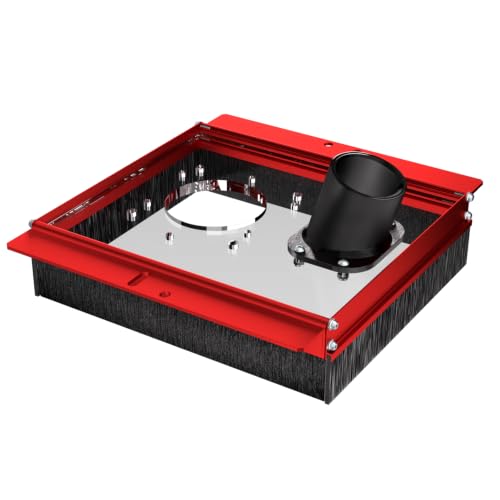
SpeTool Router Sled Dust Shroud 11.4″x12.7″

SpeTool CNC Spoilboard Router Bit 1/2″ Shank 2″

SpeTool 48″ Router Sled for Flattening Slabs

Sloson Slab Flattening Router Sled 48″

Woodpeckers Slab Flattening Mill Basic 38″x56″

Woodhaven Planing Sled
Inside Each Recommended Option
The Woodpeckers Slab Flattening Mill Pro Extended is the big-shop answer for anyone milling long, heavy live-edge slabs without renting a wide-belt sander. Its 48.5″ by 134″ working capacity covers most dining tables and oversized console builds, and the router sled ships with integrated dust collection that pulls chips straight off the cut.
Rail length runs 59″ by 152″, built on four 76″ main rails plus two 59″ cross rails. The carriage adjusts through a 2-1/2″ height range, so thick cookie slabs and figured burls both fit without shimming tricks. You mount the mill to a flat base of your own (plywood or MDF, sold separately), which is a real chore, but the rigidity once mounted is what shops pay up for.
Where It Helps
- Massive 48.5″ by 134″ slab capacity covers oversized dining and conference pieces
- 2-1/2″ carriage travel handles thick cookies and figured burls
- Integrated dust collection on the sled limits airborne chips during long passes
- Four slab clamping dogs hold irregular live edges steady while you cut
- US-made construction tends to mean tighter tolerances on the rail mating surfaces
Practical Considerations
- Base material (plywood or MDF) is not included, so plan a flat, heavy substrate before assembly
- Footprint is large, so smaller shops will struggle to store it between projects
Quick Technical Notes
Made For
Serious hobbyists and small commercial shops working on oversized live-edge slabs who already have room for a dedicated base.
Look Elsewhere When
You mostly work on smaller coffee-table sizes and want a lighter footprint; the Woodpeckers Slab Flattening Mill Basic is a tighter fit.
The SICWOOD Slab Flattening Router Bit is the cutter that turns a sled into a real working tool. With a 1/2″ shank and a 2-3/8″ cut diameter, it removes material fast, which matters when you’re skating across a 40-inch-wide slab and don’t want to spend a Saturday making passes.
It ships with three 12 by 12 by 1.5mm carbide inserts, so a dulled edge isn’t a trip back to the shop. The bit suits CNC spoilboard surfacing, flycutter setups, and sled work, and it tops out around 16,000 RPM. Anyone running a fixed-base router with a 1/2″ collet can drop it in without adapters.
Points In Its Favor
- Wide 2-3/8″ cut diameter speeds up flattening on large slabs
- Replaceable 12 by 12 by 1.5mm carbide inserts lower long-term ownership cost
- 1/2″ shank fits most full-size router collets without a reducer
Where It May Fall Short
- Bit weight and cut width demand a sturdy sled, not a budget aluminum frame
- Insert replacements are sized specifically, so spares need to match the 12 by 12 by 1.5mm spec
Right Fit For
Woodworkers who already own a sled or CNC and want a cutter that chews through material without bogging the router down.
Skip It When
You run a smaller trim router with a 1/4″ collet, in which case the Mikniri Slab Flattening Router Bit 1/4″ Shank is a closer match.
The Mikniri Slab Flattening Router Bit is aimed at the trim-router side of the shop. A 1/4″ shank and a 1-1/2″ cut diameter keep the cutter light, which matters when your sled rides on smaller aluminum rails and your router is a compact laminate trimmer.
The four-wing carbide design spreads cutting forces across more teeth than a single-wing flycutter, which tends to leave a smoother surface with less tearout on figured grain. The carbon-steel body holds up under hobby-level use, and the small footprint makes it a sensible pick for occasional slab work rather than daily production.
Practical Advantages
- 1/4″ shank drops into compact trim routers without buying a new collet
- Four-wing carbide layout balances cuts for a cleaner surface on figured wood
- Lightweight build pairs well with hobby sleds and short rails
A Few Limitations
- Narrower 1-1/2″ cut means more passes on wide slabs compared to 2″ or 2-3/8″ bits
- Smaller routers may stall during deep passes in dense hardwoods
Best Suited To
Hobbyists with a trim router and smaller slabs who want a forgiving bit that fits their existing tool.
Consider Something Else When
You’re flattening dining-table-scale slabs on a regular basis; the SICWOOD Slab Flattening Router Bit 1/2″ Shank will eat the work faster.
The SpeTool Router Sled Dust Shroud is the unglamorous shop accessory that everyone wishes they had sooner. It bolts to the SpeTool sled, seals around the router with a rubber ring, and routes chips through a 2-7/16″ port into your dust collector.
The acrylic mounting plate stays clear so you can watch the bit do its work, and the soft rubber ring keeps the seal tight as the sled slides back and forth. It’s designed to work with most common routers and 2-1/2″ PVC vacuum hose setups, which covers a lot of small-shop configurations without adapters.
What It Does Well
- Captures chips at the cut, which keeps the shop air and the slab surface much cleaner
- Clear acrylic plate lets you see the bit for confident passes
- Soft rubber ring holds the seal as the sled travels
Trade Offs
- Tuned for the SpeTool sled, so on other sleds you may need to improvise mounting
- Dust ports outside the 2-1/2″ range will require an adapter
Feature Snapshot
Who Should Grab It
Anyone running the SpeTool Router Sled in a basement or garage shop where dust control matters more than another accessory.
A Better Fit Elsewhere
You don’t own a SpeTool sled; in that case a shop-built shroud or a different sled brand may integrate more cleanly.
The SpeTool CNC Spoilboard Surfacing Router Bit is the workhorse cutter for shops that flatten often. A 2″ cut diameter with a 1/2″ shank hits a useful middle ground: aggressive enough to chew through waste, but not so wide that it fights the sled or your router.
The three-wing insert design uses 12 by 12 by 2.2mm carbide with a 35-degree angle and a straight hole for clean indexing. An ATS coating helps with heat and wear, which matters during long leveling passes. Common owner reports suggest the coating holds up well across multi-slab sessions.
The Upside
- Three-wing insert design adds stability during long surfacing runs
- ATS coating resists heat and wear, extending time between insert changes
- 2″ cut diameter balances speed and control for most sleds
Soft Spots
- Insert replacements are a brand-specific size, so spares need to be sourced carefully
- 2″ width still requires multiple passes on slabs over 24 inches
Perfect Match For
Shop owners who flatten slabs weekly and want a bit that holds up under repeated use without babying.
Another Choice May Suit
You mostly work on small pieces, where the Mikniri Slab Flattening Router Bit 1/4″ Shank will be a kinder match for a trim router.
The SpeTool 48″ Router Sled is the most refined option in this list for hobbyists who care about repeatability. Its 6061 anodized aluminum rails resist bending under load, and the laser pre-set Z-axis positions take the guessing game out of depth changes during a flattening sequence.
The sled ships with both pre-drilled and blank router plates, so you can mount a fixed-base or a plunge router right out of the box. Pair it with the matching SpeTool dust shroud and you can capture most chips at the source, which keeps your work surface clean and your lungs happier.
Strengths Worth Knowing
- Anodized 6061 aluminum rails resist flex during heavy cuts
- Laser pre-set Z-axis positions speed up depth changes between passes
- Both pre-drilled and blank router plates included for tool flexibility
Points To Keep In Mind
- 48″ frame caps slab size, so anything longer needs a bigger mill like the Woodpeckers Pro
- Dust control is a separate purchase, which raises the total project cost
Core Details
Who It Suits Best
Mid-level hobbyists who flatten slabs regularly and want the depth-setting precision of a more refined sled.
Reach For A Different Pick When
You’re only doing an occasional flattening job and want the friendliest setup, in which case the Sloson Slab Flattening Router Sled is a sensible value alternative.
The Sloson Router Sled takes a different approach from most aluminum-framed sleds by leaning on heavy-duty steel rails. The L-carriage layout gives a stable gliding surface, and the height-adjustable design lets you set the cut depth for each pass without re-shimming the whole sled.
It’s a 48″ build, so it covers most coffee-table and small dining projects, and the steel construction aims at resisting the flex that lighter aluminum sleds sometimes show under deep cuts. For a first-time sled build or a shop on a budget, the trade-off is a heavier sled for a friendlier entry into slab work.
A Strong Showing
- Steel rail construction adds rigidity compared to lighter aluminum sleds
- Height-adjustable carriage simplifies depth changes between passes
- 48″ frame handles most small dining and coffee-table slabs
Where It Is Less Suited
- Heavier steel frame is less portable around the shop than aluminum sleds
- Finish and tolerance on entry-level sleds can vary, so plan to check rail alignment before first use
Spec Overview
Built With In Mind
First-time sled builders and budget-focused hobbyists who want steel-rail rigidity without stepping up to a premium frame.
Where A Sibling Pick Shines
You want more refined depth control and anodized rails; the SpeTool 48″ Router Sled for Flattening Slabs is the step up from this category.
The Woodpeckers Slab Flattening Mill Basic is the smaller sibling of the Pro Extended, and it’s a more honest fit for shops that mostly work on coffee tables, side tables, and modest dining pieces. Its 38.75″ by 56.5″ slab capacity covers the majority of hobby projects without the storage footprint of the larger mill.
Rail length runs 48″ by 72″, built on two 72″ main rails and two 48″ cross rails, and the mill includes a router sled plus four slab clamping dogs. You mount it to your own flat base, and the smooth-gliding carriage handles routing in a controlled plane across the slab. For most home shops, the Basic is the right size to leave set up.
Key Advantages
- 38.75″ by 56.5″ capacity handles most hobby-scale slabs without overwhelming the shop
- US-made construction matches the brand’s reputation for tight tolerances
- Four slab clamping dogs hold irregular live edges steady during cuts
Honest Caveats
- Base material is not included, so factor in a flat plywood or MDF substrate
- Smaller than the Pro Extended, so very long dining slabs will not fit
Whose Shelf It Belongs On
Home woodworkers building dining tables and larger furniture who want a US-made mill that lives in the shop full-time.
Swap It Out When
You regularly flatten slabs over 60 inches long; the Woodpeckers Slab Flattening Mill Pro Extended covers that workload.
The Woodhaven Planing Sled is the old-school choice in this category, and it’s still in wide use among hobbyists flattening small slabs and butcher blocks. The 27″ maximum capacity is on the modest side, but the rigid aluminum rail system has earned a quiet reputation for staying flat over years of use.
It uses 3″ tall Ultra Track rails (36″) to support the router overhead and 16″ Double Track rails to handle lengthwise travel. A no-drill quick-attach router mount means swapping routers doesn’t turn into a teardown. The 27″ width is the honest limit; wider pieces need a different sled.
Positive Points
- Rigid aluminum rail system resists deflection under router weight
- No-drill quick-attach mount makes router swaps simple
- Time-tested design with a long track record among hobbyists
Trade-Offs To Consider
- 27″ maximum width caps slab size well below the 38″ and 48″ sleds in this list
- Track-based system feels different from carriage sleds, so there’s a small learning curve
Who It Suits Best
Hobbyists working on smaller slabs, butcher blocks, and panels under 27″ wide who value a long-running, proven design.
Look Elsewhere When
You regularly flatten dining-table-scale pieces; the Woodpeckers Slab Flattening Mill Basic 38″x56″ handles that range with room to spare.
What To Weigh Before Buying a Slab Flattening Jig
Slab flattening jigs come in three broad flavors, and the right one depends on what you’re flattening and how often. A sled rides on rails above the slab, a mill frames the whole slab and carries the router on a gantry-style carriage, and a CNC bit (or handheld router with a flattening bit) is the cutter side of the equation. Choosing between them means matching the working capacity to your typical slab dimensions, not just to your biggest one.
Rail material is the next decision. Anodized aluminum keeps the sled light and resists rust, which matters in damp shops. Steel rails are heavier but tend to resist flex under deep cuts, which is why some hobbyists prefer them for hardwood work. A sled that flexes mid-pass will leave a slight scallop in the slab, and correcting that means another round of passes.
Carriage smoothness and depth-setting repeatability are where premium picks earn their keep. The SpeTool 48″ Router Sled uses laser pre-set Z-axis positions to lock in depth changes, which removes the trial-and-error of measuring shims. On cheaper sleds, you’ll dial depth in by eye or by caliper, which works fine for one or two slabs a year.
Finally, dust control isn’t optional for any sled you’ll use indoors. Router bits throw a surprising volume of fine chips, and a shroud plus a shop vacuum is the difference between a five-minute cleanup and a Saturday of sweeping. The SpeTool Router Sled Dust Shroud exists because sleds without shrouds are miserable to use indoors, especially in a basement or garage shop with limited ventilation.
Key Considerations Across These Picks
Where Shoppers Go Wrong
A common mistake is buying a sled based on its widest advertised capacity without checking rail length. A sled that claims 48″ capacity may have rails just barely longer than that, which leaves no room to clamp the slab securely at the ends. Always check the rail length against your largest expected workpiece, and add a few inches of margin for clamping dogs.
Another trap is underestimating the router. A sled is only as flat as the surface it rides on, and a small trim router in a sled with 60″ of rail will flex and chatter. Match the router horsepower to the sled size: a 2-1/2 HP fixed-base router is a sensible minimum for a 48″ sled flattening dense hardwoods.
Where The Extra Money Goes
Premium picks like the Woodpeckers Slab Flattening Mill Pro Extended cost more because the rails are straighter, the tolerances are tighter, and the dust collection is integrated rather than tacked on. For a shop that flattens one slab a year, the basic tier is plenty. For a shop that flattens slabs monthly, the smoother glide and repeatable depth settings pay back in less rework and shorter sessions. Paying up makes sense when you’d otherwise spend an afternoon correcting tearout on figured wood.
Frequently Asked Questions
What size slab flattening jig do I need?
Pick a sled or mill with a working capacity at least 4 to 6 inches larger than your largest expected slab in both directions. Extra room makes clamping easier and leaves space for the sled to travel past the workpiece without running off the rails.
Can a slab flattening jig replace a planer?
For wide slabs, yes. A planer tops out around 13 to 25 inches wide depending on the model, and a sled carries the router across the full slab width. For narrow stock under 13 inches, a planer is faster and easier.
What router works best with a slab flattening jig?
A fixed-base router with at least 2 to 2-1/2 HP and a 1/2″ collet is the common match for full-size sleds. Smaller trim routers work with compact bits like the Mikniri 1/4″ Shank, but they may stall during deep passes in dense hardwoods.
Do I need dust collection for slab flattening?
For indoor work, dust collection is strongly recommended. A router bit throws a lot of fine chips, and a shroud like the SpeTool Router Sled Dust Shroud keeps the air and the slab surface clean during long passes.
How flat can a router sled actually leave a slab?
With a stable sled, sharp carbide inserts, and shallow passes, a router sled can leave a slab flat enough for glue-ups and tabletop finishing. The final touch usually comes from a light sanding pass to remove any faint router tracks before applying a finish.




