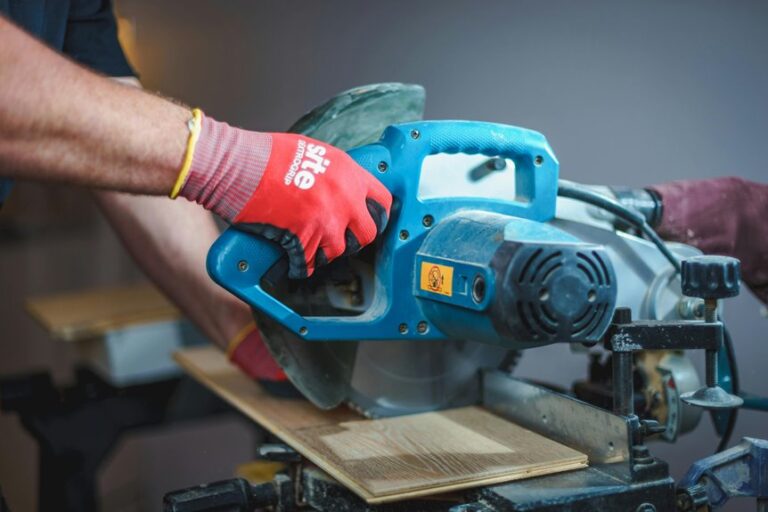
A 7-inch blade can rip through plywood, slice trim, and trim down paneling in a garage or a hallway. Full-size circular saws still do the heavy lifting on framing day, but small circular saws reach the corners a 7-1/4 in. model can’t, and they travel easier between job sites and apartments. The right pick depends on whether you want cordless freedom, a compact corded tool, or just a better blade for the saw you already own.
A Fast Comparison Of The Options
A Fast Comparison Of The Options

Fanttik O11 Pro 3-3/8 Inch Mini Cordless Circular Saw, 4500RPM Brushless

YOLAN 10″ Aluminum Cutting Blade 100T, TCG, 5/8″ Arbor

YOLAN 7-1/4″ Metal Cutting Blade 36T, TCG Carbide, 5/8″ Arbor

WORX Electric Compact Circular Saw, 3 Amp 3-3/8-Inch, WX420L


Milwaukee 2530-20 M12 FUEL 12V Cordless 5-3/8 in. Circular Saw (Bare Tool)

YOLAN 7-1/4″ 24T Carbide Circular Saw Blade for Wood, 5/8″ Arbor
Inside Each Recommended Option
The Fanttik O11 Pro is built around a brushless motor, which is the kind of motor that wastes less battery energy as heat and tends to last longer than brushed designs because there are no carbon brushes to wear down. At 4500 RPM and roughly 2.31 lb, it sits in the “grab and go” category of small circular saws, light enough for trim cuts in a finished room without leaving your arms buzzing.
For most weekend builds, you can trim door jambs, notch paneling, and break down plywood sheets with one hand on the tool. Owners commonly report that the small footprint is the real win in tight spaces where a full-size saw simply won’t fit.
Strong Points
- Brushless motor delivers consistent 4500 RPM and longer tool life.
- Weighs about 2.31 lb, so you can guide it one-handed on trim and overhead cuts.
- Compact 10.75 in. body fits into tight corners that block full-size circular saws.
- Cordless design means no extension cord to drag or trip over indoors.
Things To Consider
- A small blade limits maximum cut depth, so thick stock may need two passes or a bigger saw.
- Battery and charger are often sold separately from the bare tool.
- Dust port can clog during long rip cuts, so periodic clearing helps keep the cut line visible.
Key Specs
Who It Suits Best
DIYers tackling trim, paneling, and small remodel jobs who value portability over raw cutting depth.
Consider Something Else When
Heavier framers should reach for the Milwaukee 2530-20 M12 FUEL 5-3/8 in., which offers a deeper cut and stronger performance for daily jobsite abuse.
This YOLAN blade is an accessory, not a saw, and it targets a specific job: cutting aluminum, copper, brass, and other non-ferrous metals with a standard 10 in. miter saw or circular saw. The TCG tooth geometry, which stands for Triple Chip Grind, alternates a flat raker tooth with a higher “trapezoidal” tooth so the blade shears metal instead of grabbing it. The 100-tooth count keeps each tooth taking a small bite, which translates to smoother edges and less burring on soft metals.
Trim carpenters, sign makers, and DIYers cutting aluminum flashing or thin-walled tubing will appreciate the cleaner finish this blade leaves behind.
Benefits That Matter
- 100 teeth produce fine, burr-free cuts in soft metals like aluminum and copper.
- TCG tooth design shears metal cleanly rather than grabbing, reducing kickback risk on thin stock.
- Carbide-tipped teeth extend blade life compared to standard steel blades on metal.
- 5/8 in. arbor fits most common 10 in. circular and miter saws.
Trade Offs
- Specialized for non-ferrous metals, so cutting wood with this blade will gum up the teeth fast.
- 10 in. size only fits saws with a matching blade diameter, so a 7-1/4 in. saw won’t accept it.
Made For
Metalworkers and trim installers who frequently cut aluminum profiles, copper pipe, or plastic trim on a 10 in. saw.
Not Your Match When
Anyone working mostly with ferrous metals like steel or iron should pick the YOLAN 7-1/4″ Metal Cutting Blade 36T instead, since its TCG teeth and cermet tips handle steel studs and rebar far better.
The YOLAN 7-1/4 in. metal blade drops into a standard circular saw and opens up cutting on steel studs, angle iron, rebar, and thin pipe. Cermet carbide tips are a hybrid of ceramic and metal that hold up to the heat generated when slicing steel, where standard carbide would soften and dull quickly.
The 36-tooth count is lower than a finish blade, but it lets each tooth clear a larger chip, which matters when you’re chewing through the kind of dense material that stalls finer blades.
What Pays Off
- Cermet tips resist heat better than standard carbide during long cuts in steel.
- TCG tooth pattern reduces vibration and produces cleaner cuts than typical abrasive metal discs.
- Standard 5/8 in. arbor fits the most common 7-1/4 in. circular saws without an adapter.
Worth Noting
- A 7-1/4 in. saw spinning a metal blade puts extra load on the motor, so a brushless or higher-amp saw is the better match.
- Not designed for wood: using it on lumber will dull the teeth prematurely.
- Cooling-down periods between cuts extend blade life, so it rewards patience over speed.
Right Fit For
Plumbers, electricians, and metalworkers who need their existing 7-1/4 in. circular saw to cut steel without switching to a dedicated cutoff saw.
Skip It When
Woodworkers sticking to lumber and plywood will get more value from the YOLAN 7-1/4″ 24T Carbide Circular Saw Blade, which is tuned for faster wood cutting.
The WORX WX420L is a corded compact saw aimed at homeowners who want more control than a jigsaw but don’t need a full framing saw. The 3-amp motor is modest, and the 3-3/8 in. blade keeps the kerf, meaning the width of material the blade removes, narrow, which is helpful on thinner trim and craft lumber.
Indoor projects are where it shines: cutting PVC pipe, slicing through paneling, or trimming a door bottom where dragging out a 7-1/4 in. saw feels like overkill.
The Helpful Details
- Corded power means no battery to charge or replace mid-project.
- Compact blade and body excel in tight indoor spots where bigger saws are awkward.
- Lower price makes it approachable for first-time DIYers who only need occasional cuts.
Honest Caveats
- The 3-amp motor struggles on thick hardwood or long rip cuts, so heavier stock is not its friend.
- Being corded limits reach unless an extension cord is part of the routine.
Best Suited To
Homeowners and renters handling small repair jobs and trim work on a budget.
Look Elsewhere When
Anyone needing cordless convenience for outdoor or remote jobs should pick the Fanttik O11 Pro Mini Cordless Circular Saw, which trades a bit of cut depth for true portability.
The Wilesco 730 sits in a different lane than the other picks on this list: it is a compact, hobby-oriented saw aimed at craft, model-making, and light workshop duty rather than construction-scale cutting. Its small footprint makes it well-suited to a garage workbench or a basement hobby corner where space is limited.
For the right user, it provides controlled, low-noise cutting in materials that would be wasteful to attack with a full-size circular saw.
Everyday Wins
- Compact benchtop size fits on small workbenches and craft tables.
- Lower operating intensity suits hobby materials like balsa, thin plywood, and plastics.
- Simple controls make it approachable for first-time users and younger hobbyists.
Points To Note
- Not designed for framing lumber, plywood sheets, or metal, so it is a specialty tool, not a primary saw.
Who Will Love This
Model builders, crafters, and hobbyists needing controlled cuts in thin stock rather than heavy construction materials.
A Better Fit Elsewhere
Anyone working on real carpentry projects should skip this for the WORX WX420L compact saw, which handles actual building materials with far more authority.
The Milwaukee 2530-20 sits at the heavy end of the small circular saw category, and it shows up most often on pro trucks. Running on the M12 12V battery platform, the FUEL brushless motor delivers noticeably more torque than the typical compact saw, and the 5-3/8 in. blade cuts deeper than a 3-3/8 in. trim saw while staying lighter than a full 7-1/4 in. framing saw.
Trim carpenters, remodelers, and HVAC installers who already own M12 batteries will find the bare-tool pricing appealing, though the battery and charger are sold separately.
Where It Helps
- Brushless FUEL motor provides strong performance within the 12V class for demanding cuts.
- 5-3/8 in. blade offers a useful balance of cut depth and saw weight.
- Cross-compatible with the broader M12 battery ecosystem, which is widespread on pro jobsites.
Practical Considerations
- Listed as a bare tool, so battery, charger, and blade are typically separate purchases.
- 12V power has limits; it is not a substitute for an 18V or corded saw on framing lumber.
Feature Snapshot
Perfect Match For
Trade professionals already invested in the Milwaukee M12 ecosystem who need a reliable, jobsite-ready compact circular saw.
Another Choice May Suit
Occasional DIYers who don’t need pro-grade power will find the Fanttik O11 Pro Mini Cordless Circular Saw more budget-friendly for weekend projects.
The YOLAN 7-1/4 in. 24T blade is the kind of replacement blade that most circular saws ship with from the factory, and for good reason. ATB, or Alternating Top Bevel, teeth alternate the angle of the top face, which slices through wood fibers in a scissors-like motion that produces cleaner edges than a flat-top tooth.
The 24-tooth count puts it in “fast cut” territory rather than fine-finish territory, so the trade-off is speed over smoothness. For framing and rough ripping, that speed is the whole point.
Where It Delivers
- 24-tooth ATB pattern cuts wood quickly, ideal for framing and ripping lumber.
- Carbide tips stay sharp far longer than older steel-only blades on most softwoods and plywood.
- 5/8 in. arbor fits the vast majority of 7-1/4 in. circular saws on the market.
Soft Spots
- Lower tooth count leaves rougher edges than a 40T or 60T finish blade on visible cuts.
- Wood-only, so touching metal will chip the carbide teeth almost immediately.
Whose Shelf It Belongs On
Framing crews, deck builders, and DIYers needing a fast, general-purpose wood blade for daily lumber cutting.
Swap It Out When
Cabinet and finish carpenters chasing splinter-free edges on plywood or trim should reach for a higher-tooth-count blade instead of this rough-cut workhorse.
What Matters Before Choosing A Small Circular Saw
Power Source And Voltage
Corded models like the WORX WX420L deliver steady power without battery anxiety, but they tether you to an outlet. Cordless options like the Fanttik O11 Pro and Milwaukee 2530-20 free you up for outdoor work and remote jobsites, with the catch that you’ll need charged batteries on hand. Higher voltage platforms like Milwaukee’s M12 offer more torque than entry-level cordless saws, but they cost more and often require existing battery investments.
Blade Size And Cut Depth
A 3-3/8 in. blade trims door jambs and slices thin paneling, but can’t chew through 2x4s in one pass. A 5-3/8 in. blade covers most trim and light framing tasks, while a 7-1/4 in. blade handles full-depth lumber cuts. The trade-off is weight and size: bigger blades mean a heavier saw that fights you in tight corners.
Tooth Count And Cut Quality
A 24-tooth blade cuts fast but leaves rough edges. A 60-tooth blade produces clean, near-finish cuts but feeds slowly. TCG (Triple Chip Grind) teeth are specifically engineered for metal, where they shear rather than scrape, and ATB (Alternating Top Bevel) teeth work best for clean wood cuts. Matching the tooth design to the material matters more than chasing the highest tooth count.
Motor Type
Brushless motors are more efficient, run cooler, and tend to last longer than brushed designs, though they cost more upfront. For light household use, a brushed motor handles the workload fine. For frequent or pro use, brushless pays for itself in longer runtime per charge and reduced maintenance.
Smart Choices Across This Category
Common Pitfalls When Buying
Chasing the smallest saw without checking cut depth is the most common trap, since a 3-3/8 in. blade can’t replace a 7-1/4 in. framing saw on lumber. Another slip is buying a wood blade for metal work; the teeth chip almost immediately, and you end up replacing the blade within minutes. Skip the temptation to grab whatever’s cheapest, since underpowered motors stall on the cuts you actually need to make.
Where The Extra Money Goes
Higher-tier saws invest in brushless motors, metal gear housings, and better blade compatibility. A premium pick like the Milwaukee 2530-20 earns its keep through longer motor life, deeper cuts, and platform interoperability. For a homeowner doing one project, that upgrade rarely pays back. For tradespeople running the saw daily, the durability and runtime advantages matter enough to justify the spend.
Frequently Asked Questions
What Is The Smallest Circular Saw Size Available?
The smallest common size is 3-3/8 in., like the Fanttik O11 Pro and WORX WX420L, which handle trim and thin paneling. These compact saws fit where full-size saws can’t, but they cap out at shallow cut depths.
Can A Small Circular Saw Cut Plywood?
Yes, in most cases for sheets under about 1/2 in. thick. For full 3/4 in. plywood, a 5-3/8 in. or 7-1/4 in. blade gives you a single-pass cut without bogging down the motor. A sharp, fine-tooth blade helps reduce splintering on the visible face.
What Is The Difference Between A Mini Saw And A Standard Circular Saw?
A mini or compact saw uses a smaller blade (typically 3-3/8 in. to 5-3/8 in.) for portability and one-handed control. A standard circular saw uses a 7-1/4 in. blade for deeper cuts and heavier workloads. Mini saws trade cut depth for easier handling in tight indoor spaces.
Do I Need A Special Blade For Cutting Metal?
Yes. Wood blades chip and dull almost instantly on metal. A TCG (Triple Chip Grind) blade with carbide or cermet tips, like the YOLAN 7-1/4″ Metal Cutting Blade, is engineered for steel, aluminum, and other metals.
How Long Does A Cordless Small Circular Saw Battery Last?
Runtime depends on battery capacity, blade sharpness, and material density. Most compact saws handle several dozen cuts per charge on trim and paneling, while denser lumber drains the pack faster. Keeping a spare battery on hand is the easiest insurance against mid-project interruptions.