You don’t need a rear-tine monster to turn over a 10×10 veggie patch, and that’s exactly the case for going small. Compact tillers slip between raised beds, chew through spring soil without a gas can in sight, and stow in a shed corner when the season ends. The catch: the category is crowded, and the gap between “cute toy” and “real tool” is wider than most listings admit.
Corded models keep things simple and quiet for backyards with an outdoor outlet, while cordless picks free you to wander wherever the soil needs work. Bigger-amp corded units push deeper and run longer without overheating, and brushless motors paired with 20V or 40V battery platforms trade raw torque for genuine portability. The nine picks below cover the main ways gardeners actually work: tight raised beds, mid-size in-ground plots, quick seasonal prep, and light weeding between rows.
The Essentials At A Glance
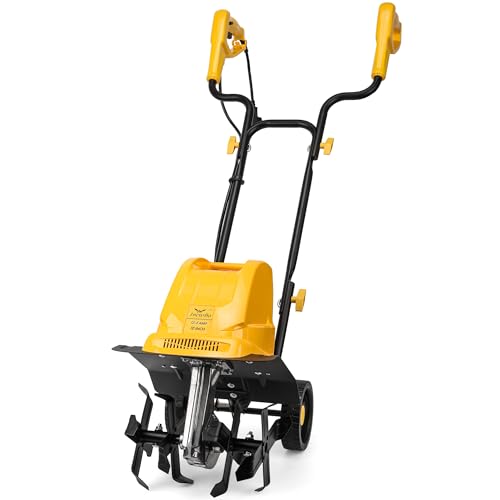
IncwBo 12” 13.5-Amp Electric Roto Tiller Cultivator

Seesii 40V Cordless Tiller, 12-Inch
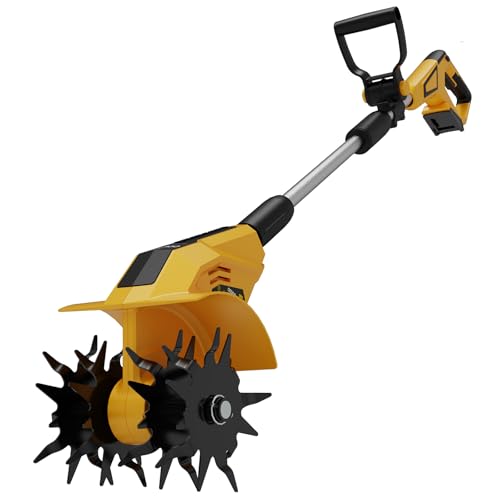
QESOO Brushless Tiller for Dewalt 20V Max
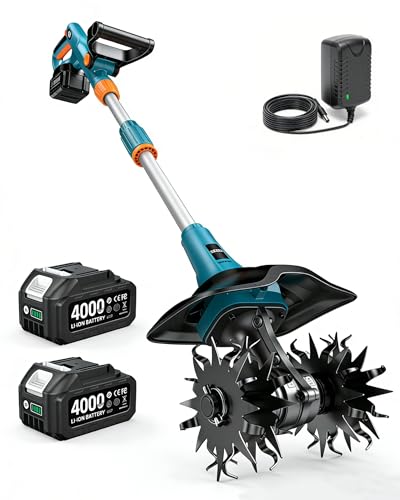
Seesii 20V Cordless Tiller Cultivator

IncwBo 12” 8.5-Amp Electric Garden Tiller
IncwBo 12” 10.5-Amp Electric Roto Tiller

IncwBo 12” 15-Amp Electric Roto Tiller

FORDWALT Cordless Tiller for Dewalt 20V Max

Seesii Mini 20V Cordless Tiller Cultivator
Inside Each Recommended Option
The IncwBo 13.5-amp sits in the sweet spot where power, weight, and price meet, which is why it earns the top slot. It chews through a 12-inch wide path and reaches roughly 8 inches deep, enough to break new ground in a single pass on most home plots. You just plug it in and press the button, no fuel mixing or pull-cord drama.
Steel tines handle clay-heavy beds better than the lighter 8.5-amp sibling we cover later, and a metal baffle keeps the soil from spraying up at your shins. For most suburban backyards with an outdoor outlet within reach, this is the kind of tool that gets used every weekend rather than hung in the garage after one season.
Reasons It Performs
- 13.5-amp motor handles compacted spring soil without bogging down on small plots.
- 12-inch tilling width covers a 10×10 bed in fewer passes than narrow cultivators.
- Steel tines resist bending when you hit an old root or a buried stone.
- Push-button start skips the fuel mixing, oil changes, and pull-cord fatigue of gas tillers.
- Metal side baffle keeps loose soil from scattering across walkways and nearby plants.
Worth Noting
- Corded design means dragging an extension cord behind you across the entire garden.
- Loose or buried rocks can stall the tines, so you may find yourself clearing the bed first.
- Noisy enough that you might check local time-of-day rules before firing it up early.
Who It Suits Best
Homeowners with mid-size in-ground beds and a reachable outdoor outlet, who want real tilling muscle without stepping up to gas.
Where Another Pick Suits Better
Gardens spread far from any power source are a better match for the Seesii 40V Cordless Tiller, 12-Inch, which trades cord-dragging for battery swaps.
For a cordless platform, the Seesii 40V delivers uncommon pulling power, and the 12-inch working width puts it in the same league as mid-size corded units. You get a 320W motor driving four steel tines, which is the kind of setup that laughs at lightly compacted topsoil and shows up ready to work even after a wet spring.
Without a cord pinning you to the patio outlet, you can rotate between a front-yard bed, a side-yard herb strip, and a back corner in one session. It’s noticeably heavier than the mini Seesii we cover later, but the trade is real reach and longer runtimes per battery. For gardeners who already live in a 40V tool ecosystem, this slots in cleanly.
A Few Strong Suits
- 40V battery system handles bigger beds than typical 18V or 20V cordless cultivators.
- 12-inch path keeps pace with corded options while freeing you from extension cords.
- Four steel tines break up clay-loam mixes and turn compost amendments in cleanly.
Trade Offs
- Heavier front end compared to compact cultivators, so longer sessions tire out smaller gardeners.
- Battery runtime drops fast in dense, rooty soil, so a second pack is wise for large plots.
Made For
Cordless-first gardeners with multiple beds scattered across a yard and an appetite for genuine tilling depth.
Not Your Match When
Quick weeding between established rows is a better fit for the Seesii Mini 20V Cordless Tiller Cultivator, which is lighter and easier to steer at walking pace.
The QESOO brushless tiller is the most efficient motor in this roundup, which matters more than it sounds. A brushless design (no carbon brushes creating friction) runs cooler, sips battery slower, and generally outlasts brushed motors under heavy soil. The 800W output puts genuine tilling torque in a 20V package, and it docks onto your existing Dewalt 20V Max batteries.
The body is sold tool-only, so you bring your own battery and charger. That keeps the entry price down for anyone already running Dewalt drills, saws, and trimmers. For a small garden, one charged 5Ah pack is usually enough; bigger plots may want a second battery in the rotation.
Good Reasons To Consider
- Brushless motor stretches battery runtime and reduces motor wear over time.
- Reuses Dewalt 20V Max batteries you likely already own for other tools.
- 800W output competes with corded mid-range tillers in breaking new ground.
Some Limits To Know
- Battery and charger are not included, so first-time Dewalt shoppers need to budget extra.
Right Fit For
Dewalt battery owners who want to add tilling to an existing 20V Max tool collection without buying a separate battery system.
Consider Something Else When
Shoppers who don’t already own Dewalt batteries get a simpler plug-and-go experience from the IncwBo 12” 13.5-Amp Electric Roto Tiller Cultivator.
The Seesii 20V is marketed as a tiller, cultivator, and soil mixer in one, and that flexibility shows in everyday use. You can break a fresh bed in spring, then keep the same tool around through summer to mix compost into the top layer, fluff mulch, or scratch in a cover crop. Steel tines handle the heavy work while the lighter 20V battery keeps the unit maneuverable.
It’s a great middle-ground pick for someone who doesn’t need a 40V workhorse but still wants to escape the cord. Most home gardeners running two or three small beds will finish a session on a single charge and spend the rest of the afternoon planting rather than swapping packs.
What Pays Off
- Three-in-one design covers tilling, cultivating, and soil mixing with one tool.
- 20V battery platform is light enough for longer sessions without arm fatigue.
- Cordless freedom means you reach far corners of the yard without dragging power.
Points To Note
- Less torque than the 40V Seesii we covered earlier, so very hard ground takes multiple passes.
- Runtime varies heavily with soil density, which can surprise first-time cordless tillers.
Best Suited To
Home growers with a mix of bed types who want one tool for spring prep, mid-season weeding, and fall amendment work.
Skip It When
Gardeners breaking new ground in dense clay or sod will appreciate the higher torque of the IncwBo 12” 15-Amp Electric Roto Tiller instead.
The 8.5-amp IncwBo is the gentlest corded option in the lineup, and that’s not a weakness, it’s a fit. For already-loose garden soil that just needs fluffing before planting, the lighter motor handles the job without throwing you across the bed. It reaches 12 inches wide and 8 inches deep, same geometry as its bigger siblings.
It’s a great first tiller for someone setting up a small kitchen garden or maintaining a couple of established flower beds. The trade-off shows up in heavy clay or unworked ground, where the lower amp rating stalls more often. Assuming your soil has been turned before, the 8.5-amp is more than enough.
Real Benefits
- Lower amp draw is easier on lighter-duty outdoor circuits and extension cords.
- Same 12-inch tilling width as higher-amp IncwBo models, so path coverage matches.
- Lighter body weight makes it approachable for newer gardeners and shorter sessions.
What To Weigh
- Stalls more easily in dense, never-tilled soil than the 13.5-amp or 15-amp IncwBo siblings.
- Corded setup still requires an extension cord long enough to reach the far bed.
Perfect Match For
Beginners with small, previously worked beds who want a no-fuss corded tiller without paying for power they won’t use.
Another Choice May Suit
Gardeners breaking new ground in compacted soil will find the IncwBo 12” 10.5-Amp Electric Roto Tiller Cultivator a smarter step up.
Stepping up from 8.5 to 10.5 amps might sound incremental, but in practice it’s the difference between a tiller that needs pre-loosening and one that does its own prep. The 10.5-amp IncwBo hits that comfortable middle, taking previously turned soil and giving it a clean, even pass without bogging or hopping.
It keeps the 12-inch tilling width and 8-inch depth, so your bed coverage stays the same as the lighter sibling. You may find the extra muscle pays off most in early spring, when the soil has crusted over a bit and the worms haven’t done your work for you yet.
A Strong Showing
- 10.5-amp motor bridges the gap between gentle soil fluffing and serious ground-breaking.
- Maintains the 12-inch tilling width and 8-inch depth of the rest of the IncwBo corded line.
- Same push-button start as other corded IncwBo models, so no learning curve to climb.
Things To Consider
- Still corded, so very large properties without outdoor outlets will frustrate daily use.
- Doesn’t quite match the raw power of the 15-amp model when facing truly compacted clay.
Who Should Grab It
Average backyard gardeners with moderately worked beds who want extra power over the 8.5-amp without jumping all the way to 15 amps.
Look Elsewhere When
Properties with no easy outdoor power access point to the Seesii 40V Cordless Tiller, 12-Inch, which trades the cord for a swappable battery.
The 15-amp IncwBo is the most powerful corded option here, and the right call if you’re staring down a section of lawn-to-garden conversion. That extra torque chews through rooty, compacted, partially sodded soil where smaller tillers stall and frustrate. The 12-inch tilling width and 8-inch depth stay consistent with the rest of the family.
Steel tines are replaceable, so the unit has a longer working life than a sealed tine drum. The honest read is that 15 amps is more than most casual gardeners need on day one, but for the homeowner with one big project and an outdoor 15-amp circuit, the extra power shows up in fewer passes and less operator effort.
Practical Advantages
- 15-amp motor pushes through clay and partial sod where smaller tillers stall.
- Replaceable steel tines extend the working life of the machine over cheaper sealed units.
- 12-inch path covers a typical backyard bed in a handful of passes.
Less Ideal Details
- Heavier front end demands more upper-body effort to maneuver around corners.
- Requires a properly rated outdoor outlet, so a long, heavy-gauge extension cord is a must.
Whose Shelf It Belongs On
Homeowners converting a section of lawn into garden, or anyone with known heavy clay that punishes weaker tillers.
Reach For A Different Pick When
Light, recurring maintenance on already-worked beds is a smoother experience with the IncwBo 12” 10.5-Amp Electric Roto Tiller Cultivator.
The FORDWALT is the budget-friendlier of the two Dewalt-compatible picks here, and the lower price reflects a more modest 300W motor and 270 RPM tine speed. It still works as a 20V Max body-only tiller, which is the real selling point for anyone who already keeps spare Dewalt packs on the bench.
It handles loose, regularly worked soil with ease, and the lighter build suits quick touch-ups around established plants. Heavy spring break-in of new ground is where the smaller motor runs out of breath, but for a small garden, that limit may never show up. The body-only sale assumes you already own compatible batteries and a charger.
Well-Handled Touches
- Drops onto existing Dewalt 20V Max batteries without buying a new platform.
- Lighter, more nimble build makes it easy to steer between established plants.
- Tool-only pricing keeps the entry cost low for anyone with batteries in the drawer.
Points To Keep In Mind
- 300W motor stalls more often in compacted ground than the QESOO brushless tiller we covered earlier.
- Tool-only sale means first-time Dewalt shoppers face extra cost for battery and charger.
Built With In Mind
Dewalt collectors who already own multiple 20V batteries and want a light-duty tiller for quick garden touch-ups.
A Better Fit Elsewhere
Anyone needing real tilling torque in a battery platform will get more out of the QESOO Brushless Tiller for Dewalt 20V Max.
The Seesii Mini is the lightest tiller in this roundup, weighing in around 2.6 pounds, which puts it in a different category from the rest of the list. It’s built for one-handed use, raised beds, and tight corners where dragging a full-size tiller is more hassle than help. Two 2.0Ah batteries ship in the box, so you can swap and keep working without downtime.
You can hand this to a senior gardener or a kid helping out without worrying about them wrestling the tines through a flower bed. It’s not a ground-breaking tool, but it never pretends to be. For scratch weeding, compost top-dressing, and prepping seed rows in a small bed, it’s a useful problem-solver.
Real-World Strengths
- 2.6-pound body allows genuine one-handed use without wrist or shoulder strain.
- Two included 2.0Ah batteries let you swap and continue without waiting for a recharge.
- Small footprint is perfect for raised beds, narrow rows, and container gardens.
Honest Caveats
- Too small to break new ground or turn over a full backyard bed in any reasonable time.
- Less torque than full-size Seesii cordless models, so hard soil needs pre-loosening.
Right Fit For
Seniors, casual gardeners, and anyone working with raised beds or small container plots who values low weight over raw power.
Swap It Out When
Real bed prep or new garden installation calls for a full-size tiller like the IncwBo 12” 13.5-Amp Electric Roto Tiller Cultivator.
What Matters Most When Picking a Small Garden Tiller
Tilling Width and Depth in Real Terms
Width tells you how many passes your bed will need: a 12-inch path covers a typical 4×8 bed in four to five passes, while an 8-inch path doubles that. Depth is the more important number, because it decides whether you’re scratching the surface or actually breaking new ground. Most small garden tillers dig to about 8 inches, which is enough for shallow-rooted vegetables and annual flower beds but falls short for deep root crops.
Corded Versus Cordless Power
Corded models deliver continuous, consistent power without recharge anxiety, which is why serious bed prep still defaults to plug-in units. The trade is obvious: you’re tied to the nearest outlet and you have to manage the cord behind you. Cordless tillers free your movement and cut setup time, but runtime depends on battery capacity (measured in amp-hours) and soil density, so dense clay eats charge faster than soft loam. Brushless motors in the cordless category extract more work from each charge and run cooler, which extends the tool’s working life.
Tine Material and Soil Match
Steel tines resist bending when they hit a root or a stone, while cheaper alloys can deform and throw off balance. Replaceable tines add a long-term maintenance path; sealed tine drums keep debris out but can’t be refreshed. Soil type also matters: loose, regularly worked beds reward any tiller, but heavy clay or partially sodded ground punishes anything under about 10 amps.
Weight, Size, and Storage
Lightweight units under 10 pounds store in a closet and travel easily to community garden plots, but they sacrifice torque. Heavier 20-plus-pound tillers break ground faster but demand more upper-body effort, and they take up real shed space. The honest match is between your body, your storage, and the size of the bed you’ll be working most often.
Key Things To Weigh Before You Decide
Common Buying Slip Ups
The biggest mistake is matching a tiller to the bed you have today instead of the bed you want next year. A light 8.5-amp unit feels easy in a small raised bed, but a single lawn-to-garden conversion overwhelms it. Another trap is ignoring cord reach; you may find a long extension cord becomes a permanent accessory.
Where The Extra Money Goes
Higher-tier tillers earn the premium through brushless motors, replaceable tines, and sturdier gearboxes. For a casual gardener with one small bed, the upgrade rarely pays off, but for anyone with multiple beds or heavy clay, the extra durability shows up as fewer stalls and a longer working life.
Frequently Asked Questions
How big of a garden can a small tiller handle?
Most small garden tillers handle beds up to about 200 square feet comfortably in a single session, with corded 12-amp-plus models extending that range. For anything larger, you’ll want to plan around battery swaps or rest breaks.
Are corded or cordless tillers better for raised beds?
Cordless mini tillers like the Seesii Mini are often the best fit for raised beds because they eliminate the cord tangling with bed frames. For very large raised beds, a corded 12-inch tiller covers more ground faster.
Can electric tillers break new ground?
Electric tillers rated 13.5 amps or higher, like the IncwBo 15-amp, can break lightly sodded ground in a couple of passes. Heavily compacted or root-bound soil still calls for more aggressive prep or a gas tiller.
How do I maintain a small electric tiller?
Most small garden tillers need little beyond wiping the tines clean after each use, checking for tangled roots or string, and storing the unit dry. Cordless models benefit from storing batteries at room temperature and partially charged during the off-season.
Is a tiller the same as a cultivator?
Tillers break and turn soil to a meaningful depth, while cultivators mainly stir the top few inches for weeding and mixing. Some tools in this roundup do both jobs, but the heavier the soil and the deeper the work, the more you want a true tiller.