


The right solder wire shapes how a joint feels under the iron, how quickly a board comes together, and how often you re-tin a tip. Electronics hobbyists chasing clean through-hole joints, RC builders terminating high-current packs, and repair techs restoring vintage audio gear all lean on the same spool for very different reasons. Choosing well means balancing alloy ratio, flux chemistry, wire diameter, and spool size against your real workload. This lineup compares nine options across entry-level, professional, and specialty use so the right spool ends up on your bench, not buried in a drawer after a single project.
The Choices Worth Comparing

Kester 24-6337-8800 50 No-Clean Rosin Cored Solder, 0.031″

Kester 44 Lead Solder Wire 1 lb Spool, 0.062″
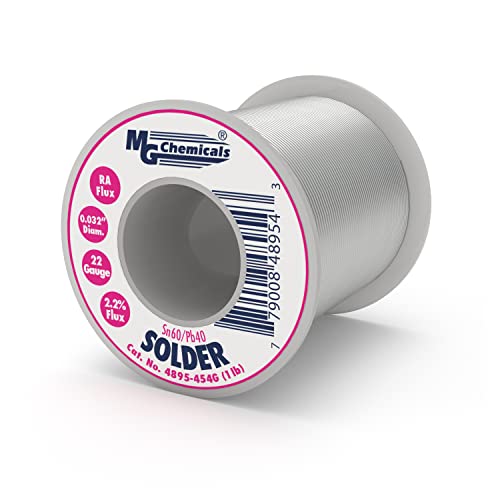
MG Chemicals 4895-454G 60/40 Rosin Core Solder, 0.032″

Kester 44 Solder Wire 63/37 0.031″ RMA, 1 oz Tube
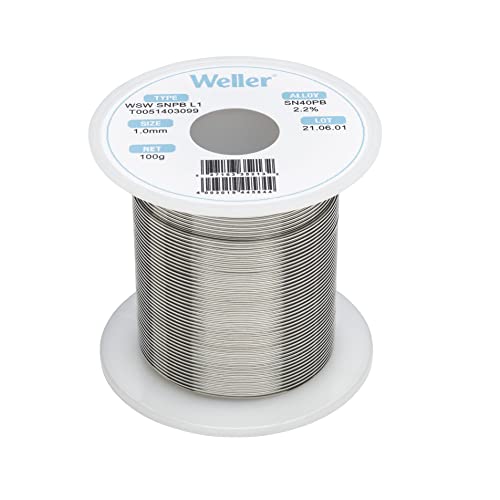
Weller WSW SnPb L1 1.0mm Solder Wire, 100g

XT90 Connectors with Solder Cover Caps, 12 Pair

MG Chemicals 4885 63/37 Rosin Core Solder, 0.032″

AUSTOR 63-37 Tin Lead Rosin Core Solder Wire

Weller WSW SnPb L1 0.5mm Solder Wire, 100g
A Deeper Look At The Lineup
When a project demands clean joints and minimal post-work, the Kester 24-6337-8800 stands out. The 245 no-clean flux leaves residue that is non-corrosive and non-conductive, so the residue (the flux film left after soldering) can stay in place for most consumer electronics work without triggering long-term reliability concerns. Its 63/37 ratio is eutectic, meaning it transitions directly from solid to liquid at one temperature, which removes the plastic phase that makes 60/40 joints feel sluggish.
At 0.031″ diameter, the wire lands between the fine-pitch picks in this list and the chunky Kester 44 spool below. The compact 6.7 cm cube of a spool is bench-friendly, and the alloy behaves predictably across through-hole pads and basic surface-mount drag work. Compared to the MG Chemicals 60/40 entry, this spool trades a slightly tighter melt behavior for the no-clean convenience.
Strengths Worth Knowing
- No-clean flux removes the post-soldering wash step for most hobby builds
- 63/37 eutectic behavior delivers sharp joint transitions, helpful for repeatable work
- 0.031″ diameter covers most through-hole pads and fine SMD drag soldering
- Trusted Kester production-grade chemistry for consistent wetting
Worth Noting
- Smaller spool size means frequent replacement on high-volume benches
- No-clean residue may still need removal in aerospace or medical contexts
- Slightly higher cost per ounce than the bulk Kester 44 option below
Key Specs
Right Fit For
Hobbyists and small-batch builders who want clean joints without a post-solder cleaning pass.
Swap It Out When
Reach for the Kester 44 Solder Wire 63/37 0.031″ RMA, 1 oz Tube instead when you need a portable format for field repairs.
For plumbing-sized joints, guitar wiring cavities, and any work where you want the solder to flow fast and fill generously, the Kester 44 0.062″ spool is a workhorse. The thicker wire delivers more alloy per second, which matters when you are tacking large lugs, grounding braided shielding, or repairing vintage tube amp chassis. The 60/40 tin/lead chemistry melts at a workable range that hobby-grade irons can handle without a struggle.
The 1 lb spool is sized for shops and serious hobby rooms, not a one-board weekend fix. Owners commonly keep the spool on a dedicated dispenser because loose handling can quickly unspool 0.062″ wire. Compared to the editor’s pick above, this Kester 44 trades the no-clean convenience for raw throughput and a lower cost per ounce.
The Helpful Details
- 0.062″ wire delivers high alloy volume for large lugs and grounds
- 1 lb spool format lowers cost per ounce for frequent users
- Classic Kester 44 activated rosin flux for strong wetting on oxidized parts
Trade Offs
- Thick wire can flood small SMD pads and bridges adjacent pins
- Larger spool needs a holder to prevent tangles at the bench
- Flux residue typically calls for cleaning on high-impedance circuits
Made For
Sturdy through-hole soldering on chassis, audio gear, and any build where joint mass matters more than precision.
Another Choice May Suit
The Weller WSW SnPb L1 1.0mm Solder Wire, 100g fits shop benches that prefer a splash-resistant Weller formula in a smaller spool.
The MG Chemicals 4895-454G sits in the sweet spot for everyday repair benches. The 60/40 ratio is the classic electronic-grade tin/lead blend, and the 0.032″ diameter is the diameter most people reach for first when assembling through-hole kits. The 1 lb spool is enough wire to handle a long stretch of projects without swapping, which suits repair shops and serious hobby rooms equally well.
RA rosin core (rosin-activated flux) gives this spool confident wetting on older, slightly oxidized components, which is helpful when restoring gear that has sat in storage. Joints resist whisker growth (the unwanted thin metal filaments that can form on tin surfaces) and stay reliable under thermal cycling. Compared to the Kester 24-6337 above, this option trades the no-clean feature for a more active flux that may be preferred for tougher joints.
Practical Advantages
- 60/40 ratio is the familiar baseline for general electronics soldering
- 0.032″ diameter covers most through-hole pads without flooding
- RA flux core wets older, slightly oxidized parts with confidence
- 1 lb spool suits long projects and shared bench use
Room For Improvement
- 60/40 has a plastic range that can feel sluggish on heat-sensitive parts
- Flux residue usually benefits from a wipe or full cleaning
At A Glance
Best Suited To
Repair techs and electronics hobbyists who want a familiar 60/40 spool that handles a wide mix of projects.
Reach For A Different Pick When
The MG Chemicals 4885 63/37 Rosin Core Solder is a better match for first-time solderers who want the eutectic transition explained in plain terms.
The 1-ounce Kester 44 tube is the format you toss into a laptop bag or a small repair kit. The dispense tube holds roughly 24 feet of 0.031″ wire, which sounds modest but covers dozens of small repair jobs, headset re-cables, and appliance fixes. The 63/37 ratio means a clean transition from solid to liquid without the pasty phase that frustrates beginners on 60/40 wire.
RMA rosin flux (rosin mildly activated) tends to leave residue that is mild enough to leave in place for many repairs, yet active enough to wet slightly tarnished pads. The compact tube format also helps control the wire, since 0.031″ spools can unspool themselves on a busy bench. Compared to the editor’s pick above, this option trades the no-clean chemistry for a portable, pocketable container.
The Upside
- Portable tube format fits field kits and small drawers
- 63/37 eutectic wire behaves predictably for newer solderers
- RMA flux leaves mild residue that is easy to clean when needed
Points To Keep In Mind
- Small 1 oz capacity runs out fast on multi-board projects
- Tube opening can kink the wire if squeezed too hard
Quick Facts
Who Should Grab It
Traveling repair techs, IT field staff, and hobbyists who want a pocketable spare that still carries Kester chemistry.
Where A Sibling Pick Shines
The Kester 24-6337-8800 50 No-Clean Rosin Cored Solder is the better home-bench option when a no-clean wash-free workflow matters more than portability.
Weller designed the WSW line to reduce splash and tip wear, and the 1.0mm variant is the size most techs grab first. The thicker wire feeds more alloy per second, which speeds up drag soldering on multi-pin connectors and reduces the time the iron spends on each joint. Less dwell time on the pad means less heat stress on surrounding components.
The 100g spool is bench-friendly without dominating a small workspace, and the Sn/Pb 60/40 chemistry aligns with the rest of the leaded picks in this list. Weller’s reduced-splash formula keeps the work area cleaner, which matters on white assembly trays where stray solder balls are easy to spot. Compared to the MG Chemicals 60/40 entry above, this Weller is tuned for shops already running Weller stations and prefer the matching chemistry.
Everyday Wins
- Reduced-splash formula keeps stray solder balls off the bench
- 1.0mm wire feeds alloy quickly for connector and drag work
- 100g spool balances capacity with bench footprint
Honest Caveats
- Thicker wire is too coarse for fine SMD pitch work
- Flux residue can call for a quick post-solder wipe
Feature Snapshot
Built With In Mind
Production techs and frequent bench users already running Weller irons who want matched chemistry and clean workdays.
Not Your Match When
The Weller WSW SnPb L1 0.5mm Solder Wire, 100g is a better fit for fine-pitch SMD tasks and detail repair.
The XT90 kit is a specialty pick rather than a spool, and it earns its slot by solving a real pain point. The 12-pair pack includes solder point cover caps, which means you do not need to wrestle with heat shrink to insulate each termination. The XT90 form factor handles high-current battery connections for RC vehicles, e-bike packs, and DIY power walls where a sloppy joint can mean melted plugs.
The bundle works best when paired with a thick solder wire like the Kester 44 0.062″ entry, since the connector’s cup accepts a generous fill. Once the joint cools, the cover cap snaps over the exposed end for a clean, professional look without a separate heat-shrink step. Compared to bare spade or Deans connectors, the XT90 lock feels more secure, and the cap design trims the build time noticeably.
Where It Helps
- Cover caps eliminate the heat-shrink step on each termination
- 12-pair pack suits multi-battery RC and e-bike projects
- XT90 lock design resists vibration better than spade connectors
Points To Note
- Specialty item rather than a general-purpose solder spool
- Connector cups pair best with thicker wire for a full fill
Who Will Love This
RC hobbyists, e-bike builders, and anyone assembling high-current battery packs who wants clean terminations without heat shrink.
Consider Something Else When
The MG Chemicals 4895-454G 60/40 Rosin Core Solder is the better everyday pick for general circuit board soldering work.
For someone learning to solder, the MG Chemicals 4885 is a friendly starting point. The 63/37 ratio gives a clean transition, so a joint goes from solid to liquid without sitting in a pasty middle that beginners often mistake for a proper bond. The 0.032″ diameter is forgiving on through-hole pads and tolerates the slight hesitation that comes with new iron technique.
The half-pound spool is a manageable size that will not dry out before you finish your early projects, and the rosin-activated flux promotes rapid wetting (the speed at which molten solder spreads across a metal surface). A practical tip is to keep tip tinner handy, since the active flux can build up residue over long sessions. Compared to the AUSTOR budget pick below, this MG Chemicals spool offers more consistent wire diameter from start to finish.
Real-World Strengths
- 63/37 eutectic wire feels predictable for new solderers
- 0.032″ diameter forgives minor technique wobble
- Rapid wetting helps joints form even on cooler irons
Small Caveats
- Residue can accumulate on tips during long sessions
- Half-pound spool runs out faster on shop-scale projects
The Right Fit
First-time solderers working through kits, training exercises, and small household repairs.
Skip It When
The Kester 44 Lead Solder Wire 1 lb Spool, 0.062″ is the better match once solderers start tackling larger lugs and chassis work.
The AUSTOR spool targets the household repair crowd who needs solder on hand for occasional jobs. The 1.5mm diameter is on the thick side for electronics but lands well for speaker terminals, lamp wiring, and small appliance fixes. The 63/37 ratio melts cleanly, which is helpful for users who only pick up the iron a few times a year and may forget technique details between sessions.
The 100g spool format is approachable in cost, and the rosin core flows well on copper when the iron is properly tinned. Owners commonly use it for stereo receiver repair, guitar output jacks, and workshop DC wiring. Compared to the MG Chemicals 4885 above, this pick offers a thicker wire at the expense of finer electronics work.
What Stands Out
- Accessible price for occasional household soldering
- 1.5mm wire delivers strong fill on speaker and lamp terminals
- 63/37 chemistry behaves predictably for infrequent users
Areas To Watch
- Thick wire can flood small circuit board pads
- Spool diameter tolerance varies, so feed occasionally needs guiding
Whose Shelf It Belongs On
Homeowners handling stereo gear, lamp wiring, and small appliance fixes who want a basic 63/37 spool on the shelf.
Look Elsewhere When
The Weller WSW SnPb L1 0.5mm Solder Wire, 100g suits SMD and detail electronics work that the thick AUSTOR wire cannot reach.
Fine-pitch work demands a fine wire, and the Weller WSW 0.5mm fills that role. The thin diameter lets you feed small, controlled amounts of alloy onto SMD pads, micro USB legs, and tight connector pins without flooding the area. Weller’s reduced-splash formulation is a quiet benefit on detailed boards, where stray solder balls are a genuine risk.
The 100g spool format mirrors the 1.0mm version, which is helpful for shops that standardize on one Weller line across diameters. A practical habit is to keep the tip well-tinned, because thin wire spends more time in contact per joint and can stress a worn tip. Compared to the Kester 24-6337 above, this Weller is tuned for fine detail rather than general through-hole work.
Why It Works Well
- 0.5mm wire reaches SMD pads without bridging neighbors
- Reduced-splash formula keeps detail boards clean
- 100g spool format matches the 1.0mm Weller line
Less Ideal Details
- Thin wire means more time per joint on larger pads
- Best paired with a fine-tip iron for accurate heat placement
Who It Suits Best
SMD rework techs, drone builders, and detail-focused hobbyists who regularly work under a magnifier.
A Better Fit Elsewhere
The Weller WSW SnPb L1 1.0mm Solder Wire, 100g is the smoother daily driver for general through-hole soldering.
Choosing The Right Solder Wire For Your Bench
Match The Alloy To Your Joints
The 60/40 ratio is the classic, with a small plastic range that lets you wipe a joint into shape, while 63/37 is eutectic and snaps straight from solid to liquid. For learning and detail work, 63/37 tends to feel more forgiving because the joint either has flowed or it has not. For larger joints where you want a little working time, 60/40 still earns its place.
Pick The Diameter Your Iron Can Handle
Thicker wire feeds more alloy per second and is well-matched to higher-wattage irons and larger pads. Thinner wire gives finer control for SMD and connector pins, but it can starve a heavy joint if your iron cannot keep up. Most general electronics work lives around 0.031″ to 0.032″.
Choose Flux Chemistry By Cleanup Tolerance
No-clean and RMA fluxes are designed to stay benign on the board, while RA fluxes are more aggressive and usually call for a wipe or full clean. High-impedance audio circuits, aerospace prototypes, and medical-adjacent builds tend to favor no-clean or RMA. General repair work often tolerates RA and benefits from its stronger wetting.
Size The Spool To Your Workload
A 1 lb spool makes sense for shops and frequent hobbyists because it lowers cost per ounce. A 1 oz tube or 100g spool keeps the wire fresh and manageable for field kits and occasional use. Larger spools can dry out slightly at the cut end if left uncovered for months.
Key Considerations Across These Picks
Where Shoppers Go Wrong
A common mistake is buying the thickest wire available because it feels like “more value per spool,” only to discover that 0.062″ wire floods fine SMD pads and burns through flux too quickly. Another slip is choosing a 60/40 spool for the price and then wondering why joints feel pasty under the iron. New solderers also sometimes ignore flux residue, which is harmless on hobby boards but worth cleaning for high-impedance circuits.
When Paying More Pays Off
Premium picks in this list earn their cost through tighter diameter tolerance, more consistent flux distribution, and chemistry that leaves milder residue. On a busy bench, those attributes show up as fewer re-worked joints and less tip maintenance. For occasional household repairs, the budget and mid-tier options handle the workload well, and the upgrade is worth it once soldering becomes a weekly habit rather than a quarterly project.
Frequently Asked Questions
What diameter solder wire should I buy first?
A 0.031″ or 0.032″ spool covers the widest range of through-hole and light SMD work, making it a sensible first pick for a new bench.
Is 63/37 better than 60/40 for beginners?
Most beginners find 63/37 easier because it skips the pasty phase, so a joint either has flowed or it has not, which removes one source of confusion.
Do I need to clean no-clean flux residue?
For most hobby electronics, no-clean residue can stay in place. High-impedance audio circuits, RF work, and certain industrial contexts still benefit from a full clean.
Can I use the same solder wire for SMD and through-hole?
Yes, though thin wire slows down large joints and thick wire floods small pads, so swapping diameters between projects is the usual habit.
How should I store solder wire to keep it fresh?
Keep the spool sealed in a bag or covered dispenser, away from direct heat, so the flux does not dry out at the exposed end.




