


Keyboard soldering rewards patience and the right wire. Thin alloy cores feed cleanly into hot-switch sockets, and a steady melt at low temperature keeps your PCB pads from lifting under the iron. Whether you’re building a hotswap board with sockets that barely accept a 0.031″ wire or chasing ultra-fine pitch work on a vintage restoration, the solder you choose shapes every joint you make. The picks below cover the mainstream alloys, flux types, and spool sizes that hobbyists reach for most, with notes on what each one does best.
The Lineup, Simplified

Kester 24-6040-0027 Wire Solder 0.031 Diameter

Kester 24-6040-0053 Solder Roll 0.050 Diameter

Kester 44 Rosin Core #66/44 .8mm 1 lb Spool

Kester 24-6337-8800 No-Clean 63/37 Solder Roll

Kester 44 Solder Wire 63/37 0.031 RMA Tube
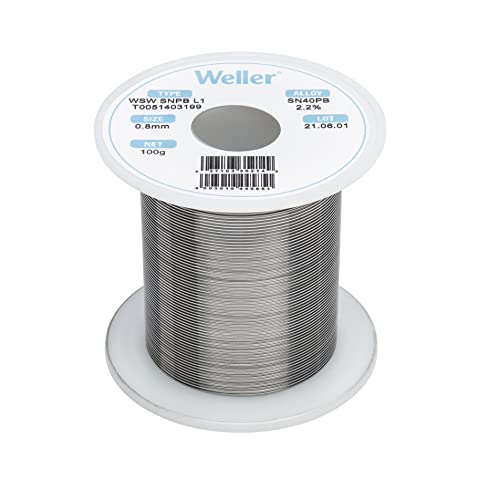
Weller WSW SnPb L1 0.8mm 100g Solder Wire

MG Chemicals 4885 63/37 Rosin Core Leaded Solder

AUSTOR 63-37 Tin Lead Rosin Core Solder Wire
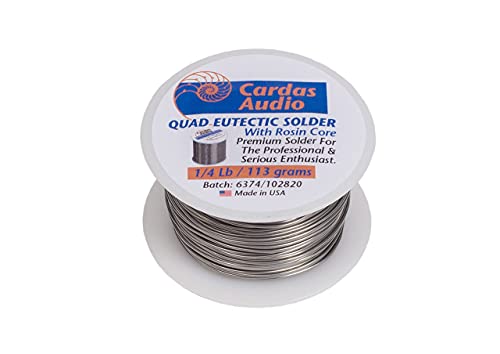
Cardas Quad Eutectic Silver Solder with Rosin Flux
What Each Pick Brings To The Table
The Kester 24-6040-0027 is the kind of spool many hobbyists learn on, and it stays useful long after skills sharpen. Its 60/40 tin-lead ratio melts at a low temperature, which matters when you’re feeding solder into switch pins and stabilizers without cooking nearby plastic parts. The 0.031″ diameter threads easily through MX-style hotswap sockets and most PCB through-holes without flooding the pad.
For daily keyboard assembly, this wire keeps the workflow steady. Rosin-core flux flows cleanly when the iron reaches proper temperature, and the spool feeds without kinking, depending on how your holder guides it.
Notable Gains
- Low-melt 60/40 alloy protects heat-sensitive components like plastic switch housings
- 0.031″ diameter suits standard switch pins and most through-hole work
- Rosin-core flux wets pads quickly, reducing dwell time on each joint
- Generous 1 lb spool covers many full builds before running dry
Honest Caveats
- Leaded alloy needs proper ventilation and hand-washing habits
- Rosin residue may show on light-colored plates if not cleaned
- Spool has no flux percentage printed, so users guess at activity level
Key Specs
Who It Suits Best
Beginners and intermediate builders wiring mechanical switches and through-hole components on standard PCBs.
Where Another Pick Suits Better
The Kester 24-6337-8800 suits builders who want skip-clean no-clean flux for cosmetic builds where residue cleanup matters more than raw cost.
Step up to the Kester 24-6040-0053 and the 0.050″ wire delivers noticeably more solder per touch. This thickness shines on larger ground planes, USB connector pins, and any pad that needs thermal mass to reach proper temperature. It’s also handy when joining chassis-mounted components where joint strength matters more than fine detail.
The same 60/40 tin-lead alloy and rosin core carry over from Kester’s finer wires, so the flow characteristics feel familiar. For most keyboard builds, you’ll reach for this only on specific joints, but having it on the bench closes gaps the thinner spool leaves open.
A Favorable Mix
- Thicker 0.050″ wire delivers more solder volume per second of feed
- Helps maintain tip temperature on large ground pours
- Same trusted Kester 44 rosin core for predictable wetting
- Strong fillet formation on high-current joints like USB-C pins
Worth Noting
- Too thick for tight switch pin spacing and fine-pitch SMD work
- Easy to flood small pads if dwell time runs long
Best Suited To
Builders handling mixed projects who need a thicker wire for power, ground, and chassis-grounded joints alongside finer solder.
Swap It Out When
The Kester 24-6040-0027 fits better when the work is almost exclusively switch-level soldering where 0.050″ would flood the pads.
The Kester 44 Rosin Core spool is the wire most keyboard hobbyists name first, and for good reason. The 0.031″ diameter pairs with the long-standing Kester 44 flux formula, which melts cleanly and leaves behind residue that wipes off with isopropyl alcohol after the joint cools. Compared to the earlier Kester wire, this spool brings the same flow with the recognizable 44 flux chemistry many builders specifically seek out.
For someone running builds every weekend, the 1 lb spool size means fewer reorder interruptions. The wire feeds smoothly through most dispensers, assuming you keep the tip clean between joints.
What Works In Its Favor
- Kester 44 rosin flux is widely preferred for electronics work
- 0.031″ diameter suits most keyboard pad sizes
- 1 lb spool supports long-term bench use without constant restocking
- Consistent melt behavior across production batches
Points To Keep In Mind
- Rosin residue requires a quick cleanup pass for cosmetic builds
- No-clean option not available in this specific flux core
Key Specs
Made For
Regular keyboard builders who want a familiar flux formula and a spool large enough to skip frequent reorders.
Skip It When
The Kester 24-6337-8800 fits better when the priority is leaving clean joints without any post-soldering wipe-down.
Builders who want a tidy board without spending extra time on flux cleanup gravitate toward the Kester 24-6337-8800. The 245 no-clean flux core leaves behind residues described as non-corrosive and non-conductive, which means skipping the isopropyl alcohol wipe-down in most cases. The 63/37 alloy ratio also brings a true eutectic melt, so the joint transitions from liquid to solid almost instantly.
For aesthetic builds where the PCB will be visible through a translucent case, this wire keeps the surface looking polished. The 0.031″ diameter and 1 lb spool match the dimensions keyboard hobbyists expect, depending on how much they value the skip-clean convenience over traditional rosin flux.
A Strong Showing
- No-clean 245 flux skips the post-soldering cleanup step
- 63/37 eutectic alloy solidifies quickly to reduce cold joints
- 0.031″ diameter fits standard keyboard pad layouts
- Residues are non-corrosive and non-conductive for most uses
Trade-Offs
- Higher cost per spool than traditional rosin-core options
- Some users still prefer cleaning no-clean flux for maximum reliability
Key Specs
Right Fit For
Keyboard builders focused on visible PCBs and clean cosmetic finishes who want to skip the post-soldering wipe-down.
Not Your Match When
The Kester 44 Rosin Core spool fits better when you prefer traditional rosin flux and don’t mind a quick isopropyl alcohol cleanup pass.
The Kester 44 Solder Wire in a 1-ounce tube trades spool size for portability. It’s the format that disappears into a pencil case or a small parts drawer, making it easy to keep solder alongside a portable iron for on-the-spot repairs. The 63/37 alloy brings the same eutectic melt behavior as larger 63/37 rolls, so joint quality stays consistent regardless of the package size.
The tube dispenses about 24 feet of wire, which covers several keyboard repairs or a small custom build. The RMA rosin flux wets pads reliably, depending on tip temperature and how clean the pads are before soldering.
Benefits That Matter
- Compact 1-ounce tube fits in small repair kits and travel pouches
- 63/37 eutectic alloy for fast, clean solidification
- RMA rosin flux offers strong wetting on most pad finishes
- Easy to dispense without a separate spool holder
Small Caveats
- Limited wire length means frequent replacement for high-volume work
- Tube format can crimp the wire if stored carelessly
Key Specs
Perfect Match For
Traveling hobbyists and field repair technicians who need a reliable Kester 44 formula in a kit-friendly package.
Look Elsewhere When
The Kester 44 Rosin Core 1 lb spool fits better for shop-based builders who burn through wire faster than a 1-ounce tube allows.
The Weller WSW SnPb L1 wire targets builders who already use Weller stations and want a wire matched to that ecosystem. The 0.8mm diameter aligns with most keyboard switch pins, and the 100g spool lands in a middle ground between travel-friendly tubes and the bulkier 1 lb spools. Weller markets the formulation around reduced splash, which helps keep the workbench clean during long build sessions.
Compared to the Kester wires, this one feels more like a matched accessory for Weller iron owners. The leaded tin alloy behaves predictably at standard iron temperatures, and the wire feeds smoothly when paired with a proper dispenser.
Features That Help
- Reduced-splash formulation limits flux spitting during work
- 0.8mm diameter suits typical switch pin soldering
- 100g spool balances portability with reasonable run time
- Leaded tin alloy flows at accessible iron temperatures
Where It May Fall Short
- Brand affinity makes the most sense for existing Weller iron owners
- Smaller spool means more frequent reordering for heavy users
Whose Shelf It Belongs On
Weller station owners and builders who want a matched wire with reduced splatter for cleaner bench sessions.
Reach For A Different Pick When
The Kester 24-6040-0027 fits better for builders who don’t need the Weller-specific formulation and want a larger 1 lb spool for extended use.
MG Chemicals 4885 brings an activated rosin flux core that wets pads quickly, which matters during longer build sessions where pad temperature varies as the iron rests. The 63/37 eutectic ratio locks in the same fast-solidifying behavior seen in other 63/37 wires, and the 0.032″ diameter sits in the comfortable middle of the keyboard soldering range.
The 1/2 lb spool is a useful middle size for hobbyists who find 1 lb spools excessive but still want more than a small tube. The activated flux is described as non-corrosive and electrically non-conductive, which means cleanup is optional in most scenarios.
Key Advantages
- Rapid-wetting activated rosin core speeds up pad tinning
- 63/37 eutectic alloy for clean joint solidification
- 0.032″ diameter works for switch pins and slightly larger pads
- Non-corrosive residue makes cleanup optional in most uses
Things To Consider
- Tip temperature should stay below 260°C to protect flux activity
- Smaller spool than 1 lb options for high-volume builders
Built With In Mind
Builders who work on multiple keyboards per month and want a wire that flows quickly without constant flux application.
A Better Fit Elsewhere
The Kester 24-6337-8800 fits better when the 1 lb spool size and skip-clean convenience outweigh the need for MG Chemicals’ specific flux chemistry.
The AUSTOR 63-37 wire brings a 1.5mm diameter and a 100g spool, which makes it more of a general-purpose electrical solder than a fine-pitch specialist. For keyboard builders, the thicker wire suits larger pad work, chassis grounding, and any joint where you want substantial solder volume fast. The 63/37 alloy ratio matches what most hobbyists already reach for.
The trade-off is wire thickness. On dense switch matrices and small SMD components, this diameter will flood pads quickly, depending on how carefully you control feed. For beginners learning solder flow, the thicker wire can actually help by making the melting action obvious.
What Earns Its Place
- 63/37 eutectic alloy for predictable joint solidification
- Generous 100g spool at an accessible price point
- Rosin core flux supports basic electronic repair work
- Heavier wire diameter helps when teaching solder flow
Some Limits To Know
- 1.5mm diameter is too thick for tight switch pin soldering
- Flux percentage is lower than premium alternatives
Who Should Grab It
Beginners stocking a first soldering kit and hobbyists who work on a mix of electronics repairs rather than just keyboards.
Consider Something Else When
The Kester 24-6040-0027 fits better for builders focused on keyboard-specific work where 0.031″ wire is the practical standard.
The Cardas Quad Eutectic solder sits at the premium end of the spectrum, blending silver, copper, tin, and lead into a proprietary alloy. It’s the kind of wire that audio cable builders and specialty electronics enthusiasts reach for when joint conductivity and long-term stability matter more than wire thickness or cost. The 0.032″ diameter works for keyboard-level work, though the price makes it an uncommon choice for switch matrices.
Where this solder earns its reputation is in connector and cable work that benefits from silver content. For a custom keyboard with high-end detachable cables or specially plated components, the alloy composition can deliver cleaner signal paths, assuming the rest of the build justifies the upgrade.
Real Benefits
- Silver-bearing alloy supports premium connector and cable work
- Quad eutectic blend designed for low-melt, stable joints
- Rosin flux core provides reliable wetting on most pad finishes
- 0.032″ diameter covers a wide range of pad sizes
Practical Considerations
- Premium price point limits use to specialty joints
- Overkill for standard switch pin soldering
Key Specs
Right Fit For
Specialty builders working on premium cables, connectors, or high-end keyboard builds where alloy quality outweighs cost concerns.
Not Your Match When
The Kester 44 Rosin Core spool fits better for standard switch soldering where the silver-bearing alloy offers no practical benefit.
Choosing The Right Solder For Your Keyboard Projects
Keyboard soldering rewards matching the wire to the joint. Diameter, alloy ratio, and flux type each play a distinct role in how the solder behaves under your iron and how the finished joint holds up over time.
Wire Diameter and Pad Size
Most switch pins and hotswap sockets accept 0.031″ to 0.032″ wire comfortably, and staying in that range prevents flooding small pads. Thicker 0.050″ wire makes sense for USB-C connectors, ground pours, and any pad with high thermal mass, but it overwhelms fine-pitch switch work. The AUSTOR wire at 1.5mm and the Kester 24-6040-0053 at 0.050″ both fall outside the standard range, and that limit shapes their real-world use.
Alloy Ratio: 60/40 vs 63/37
The 60/40 tin-lead ratio (Kester 24-6040-0027, Kester 44 spool) melts across a small temperature range, which gives a slightly longer working time before solidifying. The 63/37 ratio (Kester 24-6337-8800, MG Chemicals 4885, Kester 44 tube) is eutectic, meaning it transitions from liquid to solid almost instantly at one specific temperature. For most keyboard work, both perform well, but 63/37 reduces the risk of cold joints when the iron moves away slightly early.
Flux Type and Cleanup
Rosin-core flux (Kester 44 series, AUSTOR) leaves residue that wipes off with isopropyl alcohol. No-clean flux (Kester 24-6337-8800) is described as non-corrosive and non-conductive, so cleanup becomes optional for cosmetic builds. Activated rosin fluxes (MG Chemicals 4885) flow aggressively but may leave residues worth cleaning on visible PCBs.
Key Considerations Across These Picks
Common Shopping Slip Ups
The most common mistake is grabbing a wire that’s too thick for switch-level work. Anything above 0.032″ will flood the small pads found on hot-swap sockets and MX-style switch pin layouts. Another trap is ignoring flux chemistry, assuming all rosin-core solders behave the same, then wondering why joints look dull or oxidized. Match the flux activity to your pad condition and your tolerance for post-solder cleanup.
What The Higher Tier Buys
Premium solders like the Cardas Quad Eutectic add silver and copper to the alloy, which can matter for connector integrity and long-term joint stability. The no-clean Kester 24-6337-8800 trades a higher price for the convenience of skipping flux cleanup. Stepping up makes sense when the build is a showpiece, the cables are detachable and high-end, or the joints need to hold up to repeated flexing. For everyday switch soldering on a workhorse board, the standard 60/40 or 63/37 wires deliver all the performance most hobbyists need.
Frequently Asked Questions
What diameter solder works best for keyboard switches?
A 0.031″ or 0.032″ wire is the practical standard for mechanical keyboard switch pins and hot-swap sockets. Thicker wire floods small pads, while thinner wire can struggle to deliver enough solder volume per touch.
Is 60/40 or 63/37 better for keyboard soldering?
Both work well. The 63/37 ratio is eutectic, meaning it solidifies almost instantly at one temperature, which reduces cold joint risk. The 60/40 ratio has a small plastic range that some builders prefer for joint shaping.
Do I need to clean no-clean flux after soldering?
In most cases, no. No-clean flux residues are described as non-corrosive and non-conductive. For cosmetic builds where appearance matters, a light isopropyl alcohol wipe can still improve the look.
Can I use lead-free solder for keyboards?
Yes, but lead-free alloys require higher iron temperatures and can be harder to work with on heat-sensitive plastic housings. Leaded solders like 60/40 and 63/37 remain the popular choice for hobbyist keyboard work, with proper ventilation and hand-washing habits.
How long does a 1 lb solder spool last?
A 1 lb spool covers many full mechanical keyboard builds, depending on how many joints each board requires. Casual builders who assemble one or two boards per month often find a single spool lasts a year or longer.




