


A fresh coat of lacquer can transform tired furniture, sealed cutting boards, or a freshly built shelf into something that looks like you actually meant it. The right product depends on what you’re finishing, how much sheen you want, and whether you need a clear coat or a full color change. This guide covers eight spray lacquers and related wood finishes worth considering, from traditional oils to high-gloss aerosols, so you can match the product to the project instead of the other way around.
The Picks In Brief

LinSheen Boiled Linseed Oil Gallon for Wood

LinSheen Raw Linseed Oil 8 oz Bottle

Krylon Gallery Series Triple Thick Clear Glaze 11-Ounce

Rust-Oleum Painter’s Touch 2X Ultra Cover High Gloss Black
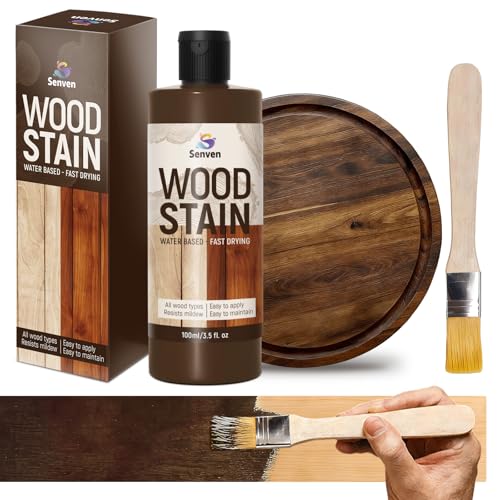
SENVEN Walnut Wood Stain 100ml

SENVEN Rosewood Wood Stain 100ml

SENVEN Red Teak Wood Stain 100ml

SENVEN Polyurethane Clear Wood Stain 100ml
What Each Pick Brings To The Table
Boiled linseed oil has been a workshop staple for generations, and LinSheen’s gallon format suits anyone treating a dining set, a wood floor, or a stack of salvaged outdoor chairs in one go. The “boiled” variation includes drying agents that help it cure faster than raw linseed oil, which is the main appeal for time-pressed projects.
Where it really earns its place is on thirsty, weathered wood. The oil soaks deep into the grain, darkening the surface and bringing out figure that may have gone flat from sun exposure. Compared to the aerosol picks later in this list, this one demands more elbow grease but rewards you with a finish that feels hand-rubbed rather than sprayed.
A Strong Showing
- One gallon covers a large dining set, a workbench, or several Adirondack chairs without running dry mid-project.
- Penetrating formula revives sun-faded grain on outdoor furniture and weathered flooring.
- Compatible with both interior and exterior wood, so the same container handles multiple projects around the house.
- Fast-drying additive shortens cure time compared with raw linseed oil.
- Application stays simple: wipe on, let it soak, buff off the excess.
Things To Consider
- Multiple thin coats work better than one heavy coat, so plan on two or three sessions for full protection.
- Rags soaked in linseed oil can self-ignite during curing, so spread them flat outdoors to dry before disposal.
Key Specs
Right Fit For
Homeowners reviving weathered patio sets, dining tables, or wood floors who want a deep, traditional hand-rubbed look and don’t mind a longer cure window.
Reach For A Different Pick When
The Krylon Gallery Series Triple Thick Clear Glaze suits you better for craft pieces or small artwork where a fast spray-on high-gloss clear coat beats slow oil absorption.
Raw linseed oil skips the metallic drying agents found in boiled versions, which makes it the safer choice for anything that touches food. LinSheen’s small 8 oz bottle is sized for the kind of detail work that doesn’t justify pulling out a gallon jug, like a single cutting board, a wooden spoon, or a small prep table.
The trade-off for that purity is patience. Raw oil cures slowly, often over several days between coats, so this is a weekend project, not a same-day fix. That said, for cutting boards and butcher blocks where you really don’t want solvent residues, the wait is worth it.
Well-Handled Touches
- Safe for surfaces that contact food once fully cured, including cutting boards and serving trays.
- Small 8 oz bottle suits single-item projects and avoids wasting product on a large tin that may skin over between uses.
- Penetrates deeply, conditioning the wood from within rather than sitting on top like a film finish.
Worth Noting
- Cure time runs much longer than the boiled version, sometimes up to a week between coats.
- Provides minimal surface protection against scratches and water rings compared to a film finish like polyurethane.
At A Glance
Made For
Home cooks and woodworkers treating cutting boards, butcher blocks, and wooden utensils who want a food-safe finish and don’t mind waiting for full cure.
Look Elsewhere When
You need a tough scratch-resistant top coat for high-traffic cabinetry, in which case the SENVEN Polyurethane Clear Wood Stain handles that job more reliably.
Clear aerosols are the unsung heroes of craft rooms, and the Krylon Gallery Series Triple Thick formula stands out for one reason: it builds the kind of glossy depth that usually takes three or four light passes with a regular spray. The high solids content means a single, even coat often does the job, which is a real time-saver on small art pieces and decorative wood items.
Beyond the can-do attitude toward thickness, this formula resists yellowing and is built to handle UV exposure, so a varnished piece won’t slowly shift toward an amber tint. Compared with the heavy oils earlier in this list, it works in seconds rather than days, which changes the entire project timeline.
What Makes Sense
- One-coat coverage builds visible depth that usually requires multiple passes with thinner clear aerosols.
- Non-yellowing formula keeps whites and pale colors looking true over time, even under daylight or gallery lighting.
- UV-resistant layer protects the underlying wood or paint from fading and surface breakdown.
- Adheres to wood, plaster, bisque, metal, plastic, and paper, so the same can handle mixed-media projects.
Trade Offs
- The non-returnable policy on this listing means you can’t send it back if the spray pattern doesn’t suit your project.
- Gloss level is pronounced, so projects calling for a satin or matte sheen need a different product.
Feature Snapshot
Best Suited To
Artists, crafters, and hobby finishers who want a museum-style high-gloss clear coat on wood plaques, painted signs, or mixed-media pieces without waiting between coats.
Skip It When
You want to add color rather than just seal it, in which case the Rust-Oleum Painter’s Touch 2X Ultra Cover in High Gloss Black delivers pigmented coverage in the same spray-can format.
Not every wood project needs a hand-rubbed oil or a triple-thick glaze. Sometimes you just need a black shelf, a refreshed picture frame, or a thrifted side table that looks intentional in deep gloss. The Painter’s Touch 2X Ultra Cover formula is the workhorse for those jobs, built to lay down pigmented coverage in fewer passes than standard aerosols.
The wider finger pad on the comfort tip and the any-angle spray make it more forgiving for awkward pieces like chair legs or spindled bedframes. Compared with the SENVEN stains later in this list, this delivers color plus topcoat in one step rather than requiring a separate sealing pass.
Strengths Worth Knowing
- 2X coverage means fewer cans per project, which keeps cost down on larger furniture makeovers.
- Comfort spray tip reduces finger fatigue during long sessions on a full dining set or fence panels.
- Any-angle spray reaches the underside of chairs, table edges, and shelf corners without repositioning.
- Works on interior and exterior wood, plus most other surfaces around the shop.
Points To Note
- High-gloss finish shows every fingerprint and dust nib, so a clean spray environment matters more than with satin finishes.
- Black can look streaky on the first pass, so a light tack coat followed by a full wet coat delivers more even results.
Feature Card
Who It Suits Best
Budget-focused DIYers refreshing thrifted furniture, indoor accents, or outdoor decor who want a fast color change without a separate top coat.
Consider Something Else When
You need a wood-toned stain that highlights grain rather than hiding it, in which case any of the SENVEN water-based stains preserves the natural pattern instead.
Walnut is the warm, chocolatey brown that flatters most furniture woods without skewing too red or too yellow. SENVEN’s water-based walnut stain uses a high-concentration formula to push rich color into the grain in a single pass, which is a meaningful step up from watery competitors that need three or four coats to build visible depth.
For indoor projects, the low-odor water base matters more than people expect. A solvent-based stain can hang in the air for hours in a small room, while this one clears out quickly with a window cracked. The trade-off is a slightly thinner working time, so brushing and wiping off need to happen at a steady pace.
Where It Excels
- Single-coat coverage on most softwoods and hardwoods saves an entire round of application and drying time.
- Semi-transparent finish highlights natural wood grain rather than painting over it.
- Low-odor water-based formula is friendlier for indoor use in bedrooms and living spaces.
- Fast-drying chemistry shortens the window before you can apply a top coat.
Honest Caveats
- 100 ml bottle covers small to medium projects only, so a full dining set may need multiple bottles.
- Water-based stains raise the grain slightly on porous woods, so a light sanding between coats helps the final feel.
Who Should Grab It
Refinishing a small accent chair, a pair of bedside tables, or a single cabinet door where a deep walnut tone is the goal and low indoor odor is a priority.
Swap It Out When
You want a deeper red-tinged brown for outdoor furniture, in which case the SENVEN Red Teak Wood Stain fits the patio-set scenario better.
Rosewood has that deep, slightly purple-brown character that looks right at home on a vintage radio cabinet or a handmade jewelry box. SENVEN’s rosewood stain leans into that richness with a semi-transparent formula that lets the figure underneath keep showing through, rather than burying it in pigment.
The 100 ml size makes sense for the kind of decorative piece this color suits best. You’re not staining a deck with rosewood. You’re staining a keepsake box, a small accent table, or a set of wooden drawer pulls. Compared to the walnut version, rosewood runs darker and a bit more dramatic, so test it on scrap first.
Features That Help
- Deep rosewood tone adds a vintage, slightly exotic character to small accent pieces.
- Semi-transparent finish preserves visible wood grain instead of masking it.
- Water-based formula keeps odor low during indoor application.
- Compatible with both interior and exterior wood surfaces.
Some Limits To Know
- 100 ml is enough for small projects only, so larger furniture pieces will run out fast.
- Deep pigment can look muddy over light woods like pine without a pre-stain conditioner to even out absorption.
Whose Shelf It Belongs On
Woodworkers and hobbyists finishing keepsake boxes, jewelry chests, and decorative trim who want a deep, character-rich tone that stands out from common walnut and oak.
A Better Fit Elsewhere
For high-traffic flooring or large furniture requiring more than a quart of coverage, a gallon-format product like the LinSheen Boiled Linseed Oil gives you more volume to work with.
Red teak stain captures the warm, reddish-brown look of aged tropical hardwood without sourcing rare wood. SENVEN’s version delivers that classic patio-set color in a water-based, low-odor formula, so a backyard refinishing weekend doesn’t have to mean a house full of solvent fumes.
The 100 ml bottle is the limiting factor here. A full Adirondack chair set would need more than one bottle, so for larger decks and pergolas you’d want a bigger format. For a pair of plant stands, a small bench, or a single outdoor bar cart, this size hits the sweet spot.
A Few Strong Suits
- Reddish teak tone gives outdoor furniture that classic resort-deck look without exotic sourcing.
- Water-based formula reduces odor during application and simplifies cleanup with soap and water.
- Fast-drying chemistry helps outdoor projects wrap up before the afternoon rain hits.
- Suitable for both indoor furniture and exterior pieces like patio chairs and small benches.
Worth Bearing In Mind
- Small bottle size means large projects need multiple bottles and the cost adds up quickly.
- Outdoor wood still benefits from a clear top coat on top to extend the color’s life through full sun seasons.
Built With In Mind
Patio and deck owners refreshing a small set of outdoor chairs or a planter box who want that warm tropical hardwood look in a low-odor water-based formula.
Not Your Match When
You want a clear protective finish instead of a color change, in which case the SENVEN Polyurethane Clear Wood Stain delivers scratch resistance without altering the wood tone.
Polyurethane is the workhorse top coat, and SENVEN’s water-based clear formula is built to handle cabinets, doors, and trim that get bumped, scrubbed, and leaned on daily. The non-yellowing chemistry matters here, since traditional oil-based polyurethanes slowly amber over time, gradually warming the color of pale woods like maple or ash.
Versus the pigmented SENVEN stains, this one is a sealer, not a colorant. Use it on its own to preserve the natural look of freshly sanded wood, or layer it over one of the colored stains for a tinted, scratch-resistant finish. The 100 ml size is the catch, so plan for multiple bottles on anything larger than a pair of cabinet doors.
The Helpful Details
- Clear top coat adds scratch, spill, and dirt resistance to high-touch woodwork.
- Non-yellowing formula keeps pale woods looking bright instead of gradually ambering over the years.
- Water-based chemistry simplifies brush cleanup and reduces indoor odor.
- Compatible with interior and exterior wood, so it covers both kitchen cabinets and exterior doors.
Points To Weigh
- 100 ml bottle suits small projects only, so larger cabinet runs need multiple bottles.
- Water-based polyurethanes typically need an extra coat versus oil-based formulas to reach the same film thickness.
Feature Rundown
Perfect Match For
Homeowners sealing freshly stained cabinets, doors, and trim who want a clear protective layer that won’t slowly warm the color of pale wood over time.
Where Another Pick Suits Better
You want a pigmented one-step color and protection, in which case the Rust-Oleum Painter’s Touch 2X Ultra Cover combines both in a single spray-can application.
What Matters Most When Choosing A Wood Finish
Match The Finish To The Project Environment
Indoor furniture and cutting boards live in a very different world than patio chairs and deck railings. Indoor pieces benefit from water-based, low-odor stains and clear coats that don’t overwhelm a living space, while outdoor wood needs UV-stable formulas that can handle sun and rain cycles. Choosing a finish rated for the wrong environment usually shows up within a season as peeling, fading, or sticky residue that never fully cures.
Decide Between A Stain, A Top Coat, Or An All-In-One
A wood stain adds pigment and lets grain show through. A top coat, like polyurethane, seals the wood and adds scratch resistance without changing color. Aerosol spray paints combine color and protection in a single step but tend to mask the grain entirely. The honest read is that layering a stain and a separate clear coat usually gives the most natural-looking, most durable result, while an all-in-one aerosol is faster for budget makeovers where grain visibility doesn’t matter.
Plan For The Right Container Size
Small 100 ml bottles make sense for keepsake boxes and single cabinet doors, but a full dining set or a deck railing section will burn through that volume fast. A gallon-format oil handles large furniture and floor projects without reordering mid-project. Calculate approximate coverage in square feet before committing to a bottle size, since stain costs scale with container volume and reorders waste time.
Factor In Cure Time And Working Conditions
Raw linseed oil cures slowly, sometimes over a week between coats, which is fine for a patient weekend project but impractical when furniture needs to be back in service by morning. Water-based stains and aerosols dry much faster, often within an hour, and tolerate cooler indoor conditions better than oil-based formulas. Pick a product whose cure window fits the actual timeline of the job.
Key Considerations Across These Picks
Where Shoppers Go Wrong
Treating “stain” and “lacquer” as interchangeable is the most common slip-up. Stain colors the wood, lacquer seals it, and using one where you needed the other leads to either unprotected color that fades in months or a glossy coating that hides the grain you were trying to show. The honest path is matching the product to the job: stain for color, polyurethane for protection, pigmented aerosol when you want both in a single step.
When Paying More Pays Off
The higher-tier picks on this list earn their cost through faster build, longer-lasting color, and better indoor air quality during application. A triple-thick clear glaze replaces three or four thin coats of standard aerosol, saving hours of spraying and drying. A non-yellowing polyurethane keeps pale woods from slowly warming over the years, which matters on maple cabinets and whitewashed furniture. Stepping up makes sense when the project is a focal point of the room, but for hidden shelving or utility pieces, a basic stain or aerosol still gets the job done at a lower entry point.
Frequently Asked Questions
What’s The Difference Between A Wood Stain And A Clear Lacquer?
A wood stain adds pigment so the grain pattern stays visible through the color, while a clear lacquer or polyurethane forms a transparent protective layer without changing the wood tone. Many projects use both, staining first and then sealing with a clear coat for color plus scratch resistance.
Can Spray Lacquer Be Used On Cutting Boards And Food Surfaces?
Standard aerosols and polyurethane clear coats are not food-safe, even after curing. For cutting boards and prep surfaces, raw linseed oil or other food-grade oil treatments are the safer choice, since they avoid the solvents and resins that an aerosol contains.
How Many Coats Of Stain Does Most Wood Need?
Most water-based stains with high solids content reach full color in a single coat, though darker pigment over light woods often benefits from a second pass. The SENVEN formulas in this list are designed for one-coat coverage, while oils like linseed build depth across multiple thin applications.
Is Water-Based Or Oil-Based Stain Better For Indoor Use?
Water-based stains win for indoor projects because they have much lower odor, clean up with soap and water, and dry fast enough to layer a top coat the same day. Oil-based stains penetrate deeply and offer longer working time, but the fumes and slow cure make them less practical in enclosed spaces.
Do I Need To Seal Wood After Staining?
For most high-touch furniture, cabinets, and trim, yes, a clear top coat like polyurethane extends the life of the stain and adds scratch and water resistance. Decorative pieces that don’t get handled often can skip the sealer, but expect the color to fade faster under direct light.




