


A dull chef’s knife makes even simple kitchen work feel like a chore. The right sharpening stone restores that just-sharpened bite in minutes, but choosing one is its own puzzle: grit numbers, water versus oil stones, diamond versus ceramic, and bench space all factor in. This roundup walks you through nine well-regarded options, from coarse rescuers for neglected edges to fine polishers for razor-fine sushi blades, so the next time your knife starts to slide instead of slice, you reach for the right tool.
The Picks In Brief

SHAPTON K0709 Blade #320 Rough
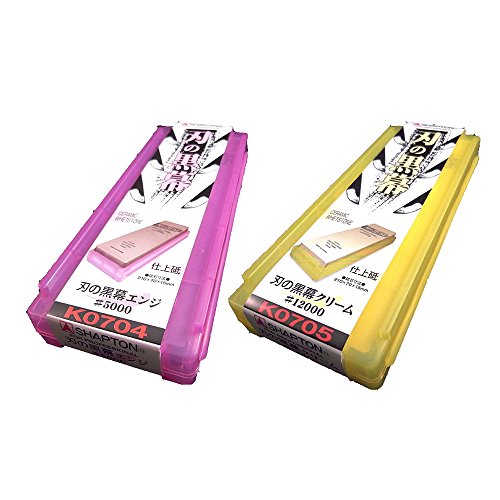
SHAPTON Kuromaku C-Set Ceramic Whetstone
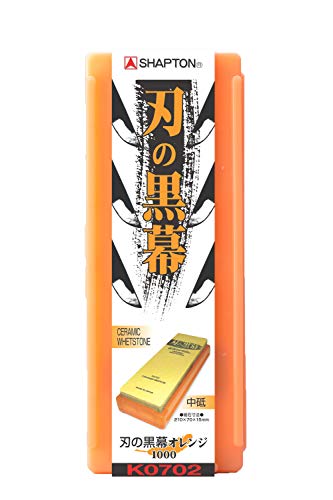
Shapton K0702 Blade #1000 Medium
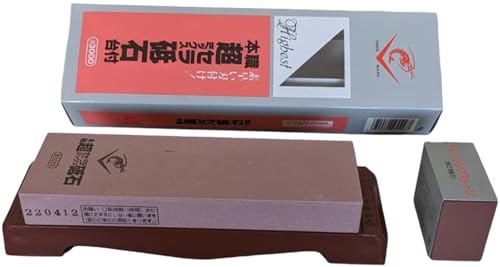
Chosera 3,000 Grit Stone with Base
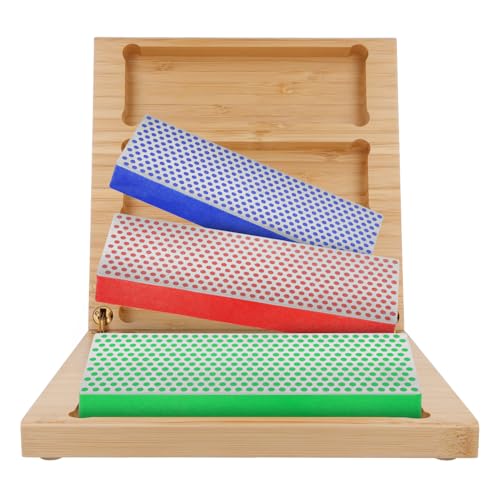
DMT Deluxe Diamond Professional Sharpening Kit
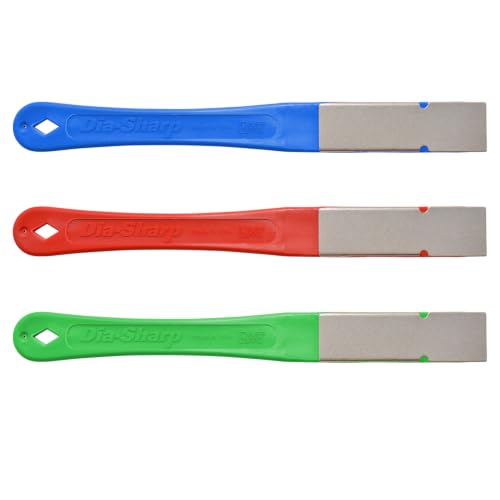
DMT 2.5-in DiaSharp Mini-Hone Kit (D2K)

KING K#-Whet Stone 1200 Brown
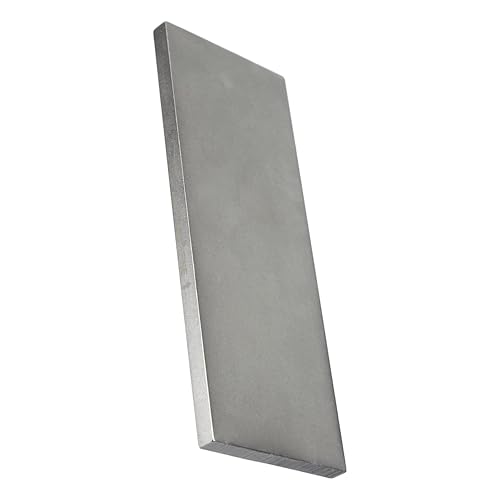
DMT D8F Dia-Sharp Bench Stone Fine

DMT D8C Dia-Sharp Bench Stone Coarse 325
The Details Behind The Selections
The SHAPTON K0709 is the reset button for blades past saving by gentler stones. A 320-grit surface in the brand’s “Rough” tier is built to chew through chips, rolled tips, and edges that have been ignored for months, and the color-coded blue-black face makes it easy to grab without mixing it up with finer stones. Unlike the high-grit Kuromaku set later in this list, this one is a working tool, not a finisher.
It arrives sized for comfortable two-handed control and works either wet or with a light oiling, so you can match the routine you already use. For most kitchens, this stone is overkill on day-to-day chef’s knives, but a worthwhile bench addition if you own a couple of carbon-steel workhorses and a thicker cleaver that take abuse.
A Favorable Mix
- 320 grit removes material fast, so chips and rolled edges disappear in a few strokes.
- The solid glass-ceramic body stays flat through heavy use, holding a true working surface.
- Works as a water stone or an oil stone, fitting either sharpening routine.
Trade Offs To Consider
- This grit is far too coarse for weekly touch-ups on a delicate slicer.
- It needs a flattening plate eventually, since any stone wears in the middle over time.
Made For
Home cooks and outdoor users restoring badly damaged edges on carbon-steel knives and field tools.
Reach For A Different Pick When
You mostly maintain already-sharp blades, where the SHAPTON Kuromaku C-Set Ceramic Whetstone gives you finer control without the heavy material removal.
This is the pair of stones you reach for when you want a near-mirror polish rather than a working edge. The 5000-grit stone refines a sharpened knife into something that glides through tomato skin, and the 12000-grit side pushes the surface even further toward the glassy finish prized on single-bevel sushi knives. Compared to the rough blue-black Shapton above, this set is the opposite end of the sharpening journey.
Each stone ships in its own color-matched ventilated plastic case, doubling as a non-slip holder during use. Working surface measures 8-1/4 x 2-3/4 x 1/2 inches, comfortable for most chef’s knives and yanagiba. If you care about the difference between a sharp knife and a refined one, this is where that difference gets made.
Useful Strengths
- 12000 grit produces an exceptionally polished, low-friction edge favored on Japanese blades.
- Ceramic-bonded stones wear slowly and keep their flat working face across many sessions.
- Color-matched ventilated cases double as holders, so setup stays tidy on a busy counter.
- A matched set covers refinement and final polish without buying stones individually.
Honest Caveats
- No coarse stone is included, so badly damaged edges need a separate lower-grit option first.
- It is a finishing set, not a one-stop solution for neglected kitchen knives.
Key Advantages
Who It Suits Best
Owners of Japanese kitchen knives and precision tools who want a refined, polished edge rather than just a sharp one.
Where Another Pick Suits Better
Beginners starting with a single stone will find the KING K#-Whet Stone 1200 Brown easier to learn on before stepping up to these fine grits.
The K0702 sits in the sweet spot most home sharpeners actually need. A 1000-grit face resets a working edge without the slow material removal of fine stones or the aggressive bite of the 320 K0709 earlier in this list. For a standard Western chef’s knife, paring blade, or petty knife that sees daily prep work, this orange-labeled stone is the right tool for routine maintenance.
The stone is 8.3 x 2.8 x 0.6 inches, fitting comfortably on a small cutting board or counter mat. It uses Shapton’s glass-ceramic bonding, which tends to resist the rapid hollowing you sometimes see on softer water stones. After a few sessions you’ll notice it still sits flat, which matters for keeping a consistent bevel angle stroke after stroke.
Where It Excels
- 1000 grit handles the bulk of home sharpening, from a slightly dull edge to a noticeably neglected one.
- Hard glass-ceramic bond resists wear, so the stone stays flat longer than softer water stones.
- Compact 8.3-inch length fits on a small counter, a sink-side mat, or inside a drawer.
- Compatible with a follow-up polish from the SHAPTON Kuromaku C-Set if you want a finer finish later.
Some Limits To Know
- Single-grit stone means badly damaged edges will still need a coarser companion.
- No included holder, so a rubber mat or non-slip base is a smart add-on for safety.
Who Should Grab It
Home cooks who want one reliable stone to keep their everyday chef’s knife and paring blades in working shape.
Look Elsewhere When
You sharpen a wide mix of steels from very hard to very soft and need a kit with multiple grits, where the DMT Deluxe Diamond Professional Sharpening Kit covers more ground out of the box.
The Chosera line targets the steels that make novices throw up their hands: hard stainless, blue paper steel, and high-alloy blades that resist cheaper stones. This 3000-grit finishing stone is mounted to its own plastic base, so you skip the separate holder purchase and the wobble that comes with a slippery stone on a wet counter. Compared to the Shapton K0702’s 1000-grit working face, this one lives on the refining side of the workflow.
It measures 210 x 70 x 25 mm, slightly thicker than many competitors, which adds confidence when pressing down on wider blades. A few strokes transform a freshly sharpened knife into something that cleanly shaves arm hair. In most home kitchens, this is a step beyond what’s strictly necessary, but for anyone with a drawer of premium Japanese knives, the value shows up in the finish.
The Upside
- 3000 grit leaves a refined, satin finish that polishes edges without going full mirror.
- Mounted base removes the setup guesswork, a real plus for less experienced sharpeners.
- Thicker 25 mm profile adds rigidity under pressure on longer blades.
- Formulated to handle hard stainless and high-alloy steels that frustrate softer stones.
Points To Keep In Mind
- No coarser stone in the kit, so heavier repair work still needs a separate 1000 or 320 stone.
Right Fit For
Collectors and cooks with a small lineup of premium Japanese knives who want a finishing stone their steel actually responds to.
A Better Fit Elsewhere
Anyone sharpening a broader kitchen on a budget will get more everyday use from the Shapton K0702 Blade #1000 Medium, which covers the more common dull-edge scenario.
The DMT Deluxe kit is the set that covers the full sharpening arc without buying stones one at a time. Three diamond whetstone blocks tackle kitchen knives, lawnmower blades, and butchery tools from the same bench, all stored in a natural wood box that doubles as a tidy countertop unit. Diamond differs from the ceramic Shapton and Chosera stones earlier: it cuts faster, lasts longer, and works on steels that other abrasives struggle with.
The micronized monocrystalline diamond surface is sized for consistent scratch patterns rather than the variable finish you get from cheaper bonded stones. You may find the speed aggressive on delicate slicers, but for a home cook with a variety of blades plus outdoor and garden tools, the kit pulls double duty. It is the single purchase closest to a complete sharpening bench.
Positive Takeaways
- Three-grit progression covers repair, sharpening, and finishing in one kit.
- Diamond surface handles hard stainless, ceramic, and outdoor blades that resist conventional stones.
- Wood storage case keeps everything organized and ready to grab.
- Monocrystalline diamond surface stays flat and consistent far longer than bonded ceramic.
Potential Drawbacks
- Higher cost than buying one mid-grit stone, so casual sharpeners may not need the range.
- Aggressive cut means it’s easy to remove too much material from a thin, delicate blade.
Best Suited To
Serious home cooks and pros who sharpen a variety of blades and want one kit that covers repair, sharpening, and finishing.
Consider Something Else When
You only need a small field sharpener for hunting and travel, where the DMT 2.5-in DiaSharp Mini-Hone Kit slips into a pocket and gets the same job done with less bench space.
The D2K is the kit that lives in a backpack, not on a counter. Three color-coded diamond paddles at 2.5 inches square cover coarse repair, fine honing, and extra-fine polishing, and they tuck into a pocket or kit bag without weighing you down. Compared to the full DMT Deluxe set above, you trade working surface area for portability, and that trade makes sense for hunters, anglers, and anyone working a knife away from a bench.
The coarse stone (45 micron, roughly 325 mesh) restores neglected edges quickly, the fine stone (25 micron, around 600 mesh) hones them, and the extra-fine (9 micron, around 1200 mesh) polishes toward a working finish. Lightweight construction is a real plus on long trips where ounces add up, and the color coding prevents grabbing the wrong stone in low light.
Practical Pluses
- Pocket-sized format goes anywhere a kitchen stone can’t.
- Three grits cover full edge restoration on hunting and utility blades.
- Color coding prevents mix-ups in low light or quick field work.
- Lightweight design won’t weigh down a hunting pack or tackle bag.
Where It Is Less Suited
- Small surface lengthens the time to sharpen a long chef’s knife or slicer.
- Not a substitute for a full bench stone in a serious kitchen setup.
Feature Snapshot
Whose Shelf It Belongs On
Hunters, anglers, and outdoor cooks who need a real sharpening surface in the field, not a tiny pull-through gadget.
Skip It When
You mostly sharpen in a home kitchen, where the DMT D8F Dia-Sharp Bench Stone Fine gives you a larger stable working surface for full-length blades.
KING has been making soft water stones long enough that the brand is almost a synonym for entry-level whetstone sharpening. The 1200-grit brown stone is the classic first purchase: medium enough to revive a tired edge, fine enough to leave a usable working finish, and forgiving of the slightly inconsistent angles beginners inevitably use. Compared to the hard-bonded Shapton K0702 earlier, this one wears faster but gives more audible feedback while you sharpen.
It’s a true water stone, so a 10 to 15 minute soak before use is part of the routine, and the surface releases a little slurry that helps carry swarf. Higher grit numbers on sharpening stones mean finer particles and a finer finish, and 1200 lands comfortably in the “all-purpose” zone. For most first-time sharpeners, this is the stone that builds the habit.
The Good Stuff
- 1200 grit handles the majority of routine home sharpening, from a quick refresh to a more deliberate session.
- Soft water stone gives clear sensory feedback, so beginners can feel their angle improving.
- Long-standing brand with a deep catalog of accessories and compatible stones.
A Few Limitations
- Soft bond means the stone dish out faster than glass-ceramic options like the Shapton K0702.
- Needs a flattening plate to stay truly flat over time, an extra purchase to factor in.
- Single stone means a coarse companion is needed for badly damaged blades.
Not Your Match When
Sharpening enthusiasts with a small stable of premium Japanese knives may prefer the Chosera 3,000 Grit Stone, which holds up better on hard steels.
Perfect Match For
First-time sharpeners who want a forgiving, classic water stone to build a routine on before exploring harder or finer options.
The D8F is the long, stable bench plate that lives next to a coffee station or workbench. At 8 x 3 x 0.38 inches, it gives the clearance to stroke a full chef’s knife end to end without running off the edge, and the fine diamond surface sharpens faster and more efficiently than traditional methods. The non-slip base keeps the plate put during use, which is a quiet but real safety plus.
Where the pocket-sized D2K earlier handles field work, this one anchors a real workspace. It’s an honest, no-frills tool that does one job well: refining an edge toward sharp. For most kitchens with one or two favorite knives, this stone covers the routine and stays put while you work.
Real-World Strengths
- 8-inch length supports full-length strokes on chef’s knives and slicers.
- Continuous fine diamond surface stays flat and consistent across years of use.
- Non-slip base adds safety and confidence during two-handed sharpening.
- Made in the USA, useful context for shoppers who care about manufacturing origin.
Trade-Offs To Consider
- Fine grit alone won’t repair chips, so a coarse stone is still needed for that work.
- Larger footprint takes up more counter or drawer space than compact stones.
Feature Rundown
Built With In Mind
Home cooks and workshop users who sharpen a small lineup of quality knives on a fixed counter and want one reliable fine-grit plate.
Swap It Out When
Your blades need heavy repair work first, in which case the DMT D8C Dia-Sharp Bench Stone Coarse 325 covers chip removal on the same 8-inch platform.
The D8C is the heavy lifter of the DMT bench line. A continuous coarse diamond surface at 325 grit chews through chips, rolled edges, and edges that have been neglected for seasons, on the same 8 x 3 x 0.38 inch platform as the fine D8F. Pair them and you have a full repair-to-refine bench setup without buying a kit.
Where the fine D8F handles the routine, this one handles the rescue. Non-slip base keeps the plate planted during heavy strokes, and the diamond surface sharpens faster and more efficiently than traditional methods, so the time you spend at the stone stays short. For most home cooks, this is the stone you buy once and use only when you really need it, and that’s exactly the right frequency.
Strong Points
- 325-grit coarse diamond cuts through chips and rolled edges quickly.
- Matches the D8F Fine for a complete repair-and-refine bench on a single platform size.
- Continuous diamond surface stays flat and sharp across years of heavy use.
- Non-slip base anchors the plate during aggressive two-handed strokes.
Worth Noting
- Too coarse for routine weekly touch-ups on already-sharp blades.
- Most owners will want a follow-up fine stone to refine the edge after repair work.
Feature Card
The Right Fit
Workshop users and serious home cooks who need a durable coarse stone to revive neglected edges before moving to a finer plate.
Where A Sibling Pick Shines
For most weekly maintenance, the DMT D8F Dia-Sharp Bench Stone Fine is the stone you’ll actually use day to day, with this coarse plate reserved for the rare rescue job.
How To Pick The Right Sharpening Stone
Grit number is the headline spec, and it tells you how coarse or fine the abrasive is. Lower numbers cut faster and leave a rougher edge, higher numbers refine the edge toward a polished finish. For most home cooks, a 1000-grit stone handles the bulk of work, with a finer 3000 to 6000 stone for refinement and a coarse 320 or lower for damaged edges.
Stone material shapes the experience. Ceramic stones like the Shapton and Chosera lines cut cleanly and resist wear, which matters for hard Japanese steels. Diamond stones like the DMT plates cut faster and last longer, which suits outdoor tools and busy benches. Water stones need a pre-use soak and release a slurry that helps with feedback. Oil stones use a lubricant film and tend to be slower but more forgiving in dry workshops.
Size and base matter more than they look. An 8-inch stone supports full-length strokes on a chef’s knife; a 2.5-inch stone slips in a pocket. A non-slip base or included holder reduces the wobble that throws off a beginner’s angle. Flattening stones or plates extend the life of any soft-bonded stone, since all stones dish out in the middle with use.
Key Considerations Across These Picks
Traps First Timers Fall Into
A common mistake is buying the finest stone available and expecting it to fix a neglected knife. A 12000-grit stone polishes an already-sharp edge, it doesn’t repair chips, so a coarse or medium stone is the right starting point for most home cooks. Another pitfall is skipping the flattening step, which lets a soft-bonded stone dish out into a curve and ruins the angle consistency over time.
Where The Extra Money Goes
Premium stones like the Chosera 3000 and the Shapton Kuromaku C-Set use harder bonds and tighter quality control, which keeps the surface flat longer and produces a more consistent finish. The extra cost also covers stones formulated for hard stainless and high-alloy steels that cheaper abrasives struggle to cut. For a casual cook with a single chef’s knife, a mid-tier 1000-grit stone does the job well. For a growing knife collection or a workshop that sharpens a variety of steels, the upgrade pays off in edge quality and stone longevity.
Frequently Asked Questions
What grit sharpening stone is best for kitchen knives?
A 1000-grit stone is the most useful starting point for most home cooks, since it handles the routine of taking a slightly dull edge back to sharp. Finer stones refine the edge further, and coarser stones repair damage, but a 1000-grit is the workhorse of the kitchen.
Do you use water or oil on a sharpening stone?
It depends on the stone. Water stones, including most Japanese whetstones, need a pre-use soak and stay lubricated with water. Oil stones use a thin oil film, and diamond stones typically work with water or dry. The stone’s instructions tell you which approach to use, and using the wrong lubricant can clog the surface or slow cutting.
How long does it take to sharpen a knife on a stone?
For a routine touch-up, a couple of minutes per side on a 1000-grit stone is usually enough. A full reprofiling or chip repair can stretch to 10 to 15 minutes per side, depending on the steel and the starting condition. The first few sessions tend to take longer as you learn to hold a consistent angle.
How do I keep a sharpening stone flat?
Use a flattening plate or a dedicated flattening stone periodically, especially on softer water stones, which dish out in the middle with regular use. A few circular passes across the surface restore flatness and keep your bevel angle consistent stroke to stroke.
Can one stone handle all knife types?
For most home cooks, a single 1000-grit stone covers the routine. Sharpening enthusiasts with a variety of steels, or anyone who also sharpens outdoor tools, will want a second stone at a coarser or finer grit to extend the range. A three-stone progression is the typical end setup for serious sharpeners.




