


A dull kitchen knife makes even simple prep feel like a chore, and tossing blades in the trash isn’t realistic when a good chef’s knife costs serious money. The right sharpening stone turns a frustrating edge back into a working one, and the wrong stone can waste your time or damage the blade. Home cooks, weekend woodworkers, and knife enthusiasts all need different grits, sizes, and setups to keep their edges honest.
This list covers nine options ranging from splash-and-go ceramics to coarse diamond plates, plus a sink-side bridge that solves the messiest part of whetstone work. Each pick is matched to a real use case so you can skip the research and start sharpening with confidence.
Your Options, Compared

Shrimp Corporation SS-800 Super Ceramic Whetstone #800

SCOTTCHEN Sink Bridge Whetstone Holder 304 Stainless Steel
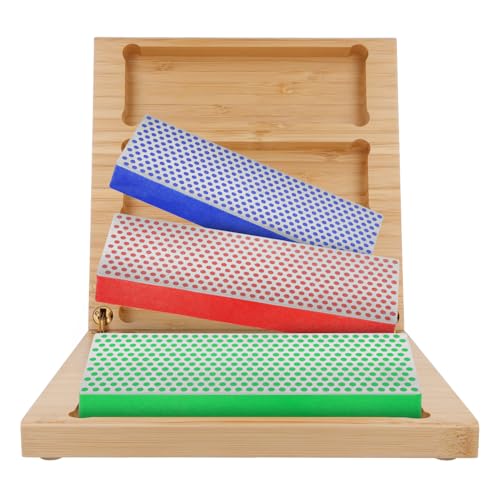
DMT Deluxe Diamond Professional Sharpening Kit
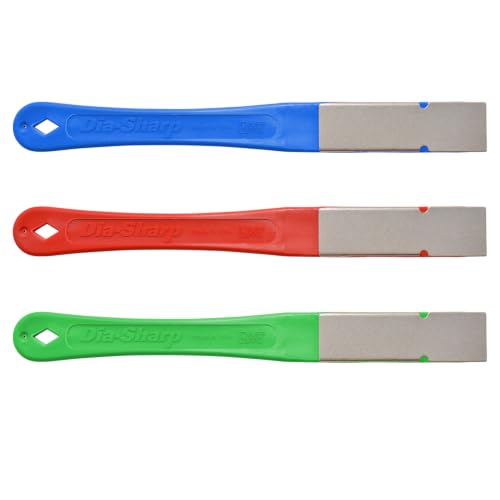
DMT 2.5-in DiaSharp Diamond Mini-Hone Kit (D2K)

KING K#-WHET Stone 1200 Grit
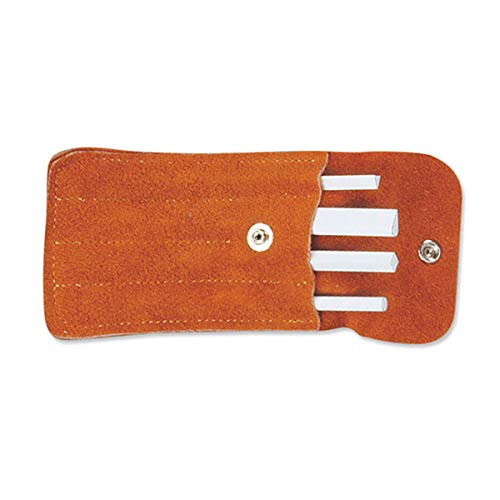
Spyderco 400 Square Ceramic Sharpening Files

SHAPTON Ha No Kuromaku Ceramic Whetstone A-Set
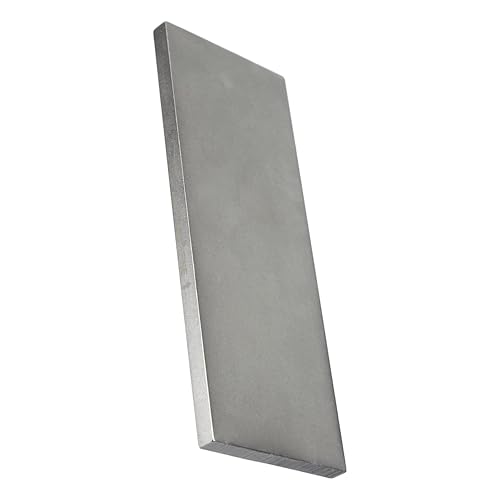
DMT D8F Dia-Sharp Bench Stone Fine Grit

DMT D8C Dia-Sharp Bench Stone Coarse 325
What Each Pick Brings To The Table
The SS-800 sits in a different category from the waterstones most home cooks own, and that difference shows the moment you press a hard steel blade against its surface. A super ceramic construction, the binding agent softens under water, releasing fresh abrasive particles rather than relying on traditional grit suspension. The result is a stone that can handle the kind of hardened steel that wears through conventional whetstones in a fraction of the time.
For most sharpeners, the #800 grit is a working mid-range that resets an edge and prepares it for finishing. The included non-slip base keeps the stone steady on a counter, which matters when you are working through a thicker blade. The honest read is that this stone is overkill for a paring knife, but for serious Japanese steel or heavy chef’s blades, it earns its reputation.
What It Does Well
- Cuts hard steels like Blue Paper No. 2 without bogging down
- Self-renewing abrasive surface extends working life
- Includes a stable non-slip base for safe, flat sharpening
- Mid-range grit suits a wide range of kitchen and outdoor blades
Worth Noting
- Premium positioning puts it out of reach for casual sharpeners
- Soaking and water management take longer than splash-and-go stones
Made For
Experienced sharpeners working with hard Japanese kitchen knives or heavy outdoor blades that resist conventional whetstones.
Where Another Pick Suits Better
Beginners building a first setup will find the KING K#-WHET Stone a far gentler introduction to freehand sharpening.
Sharpening stones create a mess, and that mess is the single biggest reason people stop sharpening at home. The SCOTTCHEN bridge solves this by turning your kitchen sink into a sharpening station, where water, slurry, and metal filings wash straight down the drain. Built from heavy 304 stainless steel with rubberized contact points, it spans most standard sinks and holds stones between roughly 3-1/4″ and 14-1/4″.
Setup is fast: place the bridge across the sink, set your stone on top, and start sharpening. The non-slip rubber feet keep the whole assembly planted, even when you push hard on a stubborn edge. The honest tradeoff is that the bridge itself is not a sharpener, so it pairs with one of the other picks in this list. For renters and small kitchens where counter space is precious, this is the cleanup upgrade that makes regular sharpening realistic.
Reasons It Performs
- Eliminates muddy towels and countertop cleanup
- Heavy 304 stainless steel resists flex and rust
- Wide adjustment range fits most whetstone sizes
- Rubber feet keep the bridge planted during aggressive strokes
Trade Offs
- Not a sharpener on its own, requires a separate stone
- Tabletop mode (without the bridge arms) limits stone length to about 13-1/4″
Key Product Details
Who It Suits Best
Home cooks in small kitchens who want mess-free sharpening without dedicating counter space to a permanent setup.
Swap It Out When
Sharpening away from the kitchen sink calls for the portable DMT DiaSharp Mini-Hone Kit instead.
Diamond stones behave differently from waterstones, and that difference matters when you are sharpening a wide variety of edges in one session. This kit includes three whetstone blocks built around micronized monocrystalline diamonds, the same surface trusted by knife shops and outdoor guides. The result is a sharpening system that handles kitchen knives, mower blades, and hunting tools with equal confidence.
Unlike the softer ceramic and waterstone picks above, diamond plates cut fast and stay flat, which is why professionals favor them for production work. The natural wood box doubles as a storage case, keeping the stones organized on a workbench. For a household that sharpens everything from pocket knives to garden tools, this is a versatile foundation that grows with you.
The Case For It
- Cuts aggressively without the soaking waterstones require
- Maintains a flat surface over years of regular use
- Wood storage box keeps the kit organized and portable
- Multi-step system handles kitchen, garden, and outdoor edges
Honest Caveats
- Higher upfront cost than a single waterstone
- Diamond surface can feel aggressive on delicate Japanese blades
Whose Shelf It Belongs On
Multi-tool households, outdoor enthusiasts, and pro sharpeners who want a flat, durable surface for everything from kitchen knives to mower blades.
Skip It When
Japanese knife owners who want gentle, polished edges will prefer the finer finishing work of the SHAPTON Ha No Kuromaku Ceramic Whetstone.
Not every sharpening job happens at a workbench, and that is where the D2K Mini-Hone earns its place. Three color-coded diamond stones, coarse, fine, and extra-fine, pack into a kit small enough for a pocket, pack, or glove box. Each stone measures 2.5 inches, which is enough to handle a hunting knife, fishing hook, or a quick touch-up on a chef’s blade in a cabin kitchen.
Compare that to the full-size DMT D8F bench stone below, and the trade-off is clear: you sacrifice surface area for portability. The micronized monocrystalline surface cuts fast and requires no soaking, which matters when you are cleaning an edge in the field. You may find the small footprint limits how quickly you can reset a long blade, but for touch-ups and travel, the kit punches well above its size.
Good Reasons To Consider
- Lightweight design slips into a pocket or pack
- Three grits cover repair, honing, and polishing in one kit
- Color-coded stones prevent mix-ups in low light
- No soaking required, ready to use anywhere
Possible Compromises
- Small surface slows work on long kitchen knives
- Lacks a base, so you need a flat surface or towel underneath
Feature Snapshot
Right Fit For
Hunters, anglers, and travelers who need reliable field sharpening without hauling a bench stone.
A Better Fit Elsewhere
Home cooks sharpening full-size kitchen blades will get faster results from the DMT D8F Dia-Sharp Bench Stone.
The K#-WHET is the stone many sharpeners learned on, and there is a reason it has stuck around for decades. At 1200 grit, it sits in a medium-fine range that forgives small angle mistakes and still leaves a working edge, which is exactly the feedback a beginner needs. The stone measures roughly 8-1/2″ x 2-1/4″ x 3/4″, giving plenty of room for standard kitchen blades.
Unlike the diamond plates in the DMT picks above, this is a true waterstone, so it requires a soak before use and develops a slurry as you work. That feedback is helpful for new sharpeners who want to feel the cutting action. For most kitchens, 1200 grit is the sweet spot between an aggressive reshaping and a final polish, and pairing it with a coarser stone later is an easy upgrade path.
Positive Takeaways
- Forgiving grit range suits first-time sharpeners
- Generous stone size handles full-length chef’s knives
- Slurry feedback helps build proper freehand technique
- Common stepping stone to a multi-grit waterstone setup
Points To Keep In Mind
- Needs soaking before each session, adds prep time
- Not aggressive enough for badly chipped or neglected edges
Feature Rundown
Best Suited To
First-time sharpeners building confidence with freehand technique on a forgiving, mid-range waterstone.
Reach For A Different Pick When
Heavily damaged blades call for the more aggressive DMT D8C Coarse Bench Stone to repair chips before refining.
Most of the stones on this list assume you are working on a knife edge, but the Spyderco 400 Ceramic Files are built for everything knives cannot reach. The set includes four fine-grit ceramic shapes (round, square, triangular, and slip) packaged in a suede pouch, and they shine on small detailed tools like carving gouges, dental instruments, and hardened steel bits.
Compare these to the larger bench stones from DMT and Shapton, and the difference is purpose. The ceramic surface polishes and deburrs without aggressively removing material, which is exactly what wood carvers and gunsmiths need for touch-ups. You may find them less useful for full kitchen knife work, but for the corners, inside curves, and fine edges a bench stone cannot follow, they fill a gap that no flat stone can.
Positive Points
- Four shapes handle inside curves, points, and flat details
- Fine-grit ceramic polishes without scratching delicate tools
- Easy to clean with a plastic scouring pad and standard cleanser
- Rust-proof ceramic works around moisture and oils
Potential Drawbacks
- Not designed for full-length kitchen knife sharpening
- Fine grit lacks the aggression needed for edge repair
Who Should Grab It
Wood carvers, gunsmiths, jewelers, and hobbyists who need precision sharpening on small, detailed, or hardened tools.
Not Your Match When
Daily kitchen knife maintenance is better served by a full-size waterstone like the KING K#-WHET Stone.
The A-Set is two stones, a #1000 medium and a #5000 fine, in matching plastic cases that double as stone holders. That small detail changes the experience: no separate base to buy, no awkward towel folding, and the cases keep splash and grit contained during use. The working surface measures roughly 8-1/4″ x 2-3/4″ with a slim profile that stores easily in a drawer.
Where most entry-level stones stop at one grit, this set covers the full sharpening arc from edge reset to final polish. The #1000 also stands in for coarse work on most kitchen knives, which keeps the kit to two stones rather than three. For sharpeners who want a clean, contained setup that lives on a counter or tucks into a cabinet, the A-Set is hard to beat.
Everyday Perks
- Two-grit system covers reshaping and finishing
- Plastic cases act as non-slip holders during use
- Compact footprint stores in most kitchen drawers
- Color-coded cases prevent mix-ups in low light
Soft Spots
- No coarse stone for repairing chips or heavy damage
- Plastic cases can scratch if stored with other heavy tools
Key Product Details
Who Will Love This
Sharpening enthusiasts who want a complete two-step system in a clean, contained package for kitchen and precision tools.
Consider Something Else When
Working on very hard Japanese steel that demands the ceramic binding of the Shrimp Corporation SS-800 Whetstone.
The D8F is a workhorse, and once it lands on a workbench, it tends to stay there. The fine diamond surface sharpens faster than a comparable waterstone and stays flat across years of regular use, which matters when you are maintaining tools rather than restoring them. The 8″ x 3″ surface gives plenty of room for kitchen knives, chisels, and plane irons without cramping your stroke.
Compared to the pocket-sized D2K Mini-Hone above, this is the bench-bound counterpart: more surface, more stability, more speed. The non-slip base keeps the stone planted on a bench or counter, and the continuous diamond surface means no grooving or hollowing over time. For a shop or kitchen that sharpens weekly rather than occasionally, the D8F is a reliable daily driver.
A Favorable Mix
- Large 8″ x 3″ surface handles full-size blades and tools
- Continuous fine diamond sharpens without soaking
- Stays flat through years of regular use
- Non-slip base keeps the stone planted during heavy strokes
Where It Is Less Suited
- Fine grit alone cannot repair chipped or damaged edges
- Heavier than a comparable waterstone, less portable
Perfect Match For
Workshops and home kitchens that sharpen regularly and want a flat, durable surface for routine edge maintenance.
Where A Sibling Pick Shines
For initial edge repair, pair this stone with the coarse DMT D8C Dia-Sharp Bench Stone in the next review.
When a knife comes back from the garden with a nicked edge or a chisel hits a knot wrong, a fine stone is the wrong tool for the job. The D8C is the coarse counterpart to the D8F above, with a 325-grit diamond surface designed to repair damaged edges, set new bevels, and grind through the kind of neglect that finer stones cannot touch. The same 8″ x 3″ footprint and non-slip base keep the workflow consistent across the two stones.
Coarse 325 sits in a sweet spot: aggressive enough to remove material quickly, fine enough to leave a workable surface for follow-up stones. The micronized monocrystalline diamond layer cuts fast and resists loading, which means less time cleaning the surface mid-session. Pair this with the D8F and you have a two-stone diamond system that handles every stage of edge care, from wrecked to razor.
Where It Excels
- Coarse 325 grit repairs chips and resets damaged edges
- Monocrystalline diamond surface resists loading and wear
- Same 8″ x 3″ footprint as the D8F for a matched setup
- Non-slip base stabilizes heavy grinding strokes
Things To Weigh Up
- Coarse grit alone leaves a rough working finish
- Overkill for weekly honing on already-sharp blades
Built With In Mind
Workshops and serious sharpeners who regularly face damaged, neglected, or newly shaped edges that need aggressive material removal.
Look Elsewhere When
Routine maintenance on already-sharp knives calls for the fine DMT D8F Bench Stone instead of this coarse plate.
Matching The Right Stone To Your Edge
Picking a sharpening stone comes down to three questions: what steel are you sharpening, how damaged is the edge, and where will you do the work. The blade’s steel hardness drives your choice of abrasive. Hard Japanese steels need ceramic or specialty stones like the Shrimp Corporation SS-800, while softer Western kitchen knives respond well to mid-range waterstones such as the KING K#-WHET. Diamond plates from DMT cut through nearly anything but can feel coarse on delicate edges.
Grit range matters as much as abrasive type. Coarse stones (under #600) repair chips and reshape bevels, medium stones (#800 to #2000) do the bulk of everyday sharpening, and fine stones (#3000 and up) polish the working edge. Most home cooks do fine with a two-stone system that covers medium and fine, while workshops benefit from a coarse-to-fine trio.
Workspace setup is the final piece. Sharpening over a sink with the SCOTTCHEN bridge cuts cleanup dramatically, and stones with included cases like the SHAPTON A-Set stay organized on a counter. Travel and field work call for compact options like the DMT D2K Mini-Hone, which slips into a pack without sacrificing grit range. Match the stone to your most common sharpening environment, and the habit becomes easier to keep.
Pitfalls Shoppers Hit and When The Upgrade Pays Off
Common Buying Mistakes to Dodge
A frequent misstep is buying a single fine stone and expecting it to fix a chipped or neglected edge. Fine stones refine an already-functional edge, and forcing them into repair work wastes time and risks overheating the blade. Start with a medium stone for everyday work, and add a coarse plate only if you regularly face damaged tools.
Another trap is ignoring workspace realities. A waterstone that needs soaking and generates slurry is hard to use on a counter without a dedicated setup, which leads to skipped sessions. The SCOTTCHEN sink bridge or stones with built-in cases solve this for most kitchens, and the convenience often matters more than the stone’s grit. Match the system to your real routine, not the ideal one.
What Separates Premium From Basic
Premium stones like the Shrimp Corporation SS-800 and SHAPTON Ha No Kuromaku earn their position with longer abrasive life, faster cutting on hard steels, and tighter dimensional tolerances. Basic stones cut slower, dish faster, and often need flattening themselves to stay useful. For a household that sharpens monthly, a mid-range stone like the KING K#-WHET delivers the best balance of cost and results. Heavy users and professional sharpeners benefit from premium stones because the time saved per session adds up over years of regular work.
Frequently Asked Questions
How do I choose the right grit for my knives?
Start with a medium stone in the #1000 to #1200 range for general kitchen use. Add a fine stone (#3000 or higher) for polishing, and a coarse stone only when you regularly repair chips or reshape edges. Most home cooks do well with a two-stone medium-and-fine setup.
Do I need to soak waterstones before using them?
Yes, traditional waterstones like the KING K#-WHET need a soak of 10 to 15 minutes to saturate before sharpening. Splash-and-go stones and diamond plates do not require soaking, which makes them faster for quick sessions or travel.
Can one stone sharpen every type of knife?
A single medium-grit stone handles most kitchen knives, pocket knives, and outdoor tools, though the finish will not be as refined as a multi-stone system. Diamond plates are the most versatile single-stone option because they cut through hard and soft steels with equal speed.
How do I keep my sharpening stone flat?
Flattening a stone removes the dish that forms from repeated strokes in the center. Diamond plates stay flat on their own, while waterstones need periodic lapping with a flattening block or coarse plate to keep the surface true.
What is the difference between a whetstone and a diamond stone?
Whetstones use abrasive particles like ceramic or aluminum oxide suspended in a binder, and they develop a slurry as they wear. Diamond stones use a metal plate coated with diamond grit, which cuts faster and stays flat longer but can feel aggressive on delicate edges.




